


Adrenalone Hydrochloride (link:https://www.bloomtechz.com/synthetic-chemical/api-researching-only/adrenalone-hydrochloride-cas-62-13-5.html) is a white or off-white crystalline powder. It is a compound in the form of hydrochloride, which has some solubility and thermal stability. Soluble in water, ethanol and other polar solvents, but practically insoluble in non-polar solvents. Its solubility in water increases with temperature. It is acidic in aqueous solution with a low pH value.
Adrenalone Hydrochloride (Epinephrine hydrochloride) is an important compound widely used in medicine and chemistry. Its chemical properties and biological activity make it useful in several applications.
1. Drug use:
 - Cardiovascular system: Adrenalone Hydrochloride is a drug active at alpha and beta adrenoceptors. It is widely used to treat acute hypotension and shock in situations such as cardiac arrest, cardiovascular emergency, cardiac surgery, etc. It increases blood circulation and maintains blood pressure by constricting blood vessels, increasing myocardial contractility and heart rate.
- Bronchodilator: Adrenalone Hydrochloride is also used as a bronchodilator in the treatment of respiratory diseases such as asthma and chronic obstructive pulmonary disease. By acting on β2 receptors, it relaxes bronchial smooth muscle, relieves airway obstruction, and improves breathing.
- Allergic reactions: Adrenalone Hydrochloride can also be used in the treatment of allergic reactions, including food allergies, drug allergies and insect bites. It reduces allergic symptoms by constricting blood vessels, reducing tissue edema, and stopping the chain of allergic reactions.
- Topical hemostatic agent: Since Adrenalone Hydrochloride has a vasoconstricting effect, it is also used as a hemostatic agent to reduce traumatic bleeding. It can be applied topically or injected into the tissue surrounding a wound to stop bleeding.
2. Chemical synthesis:
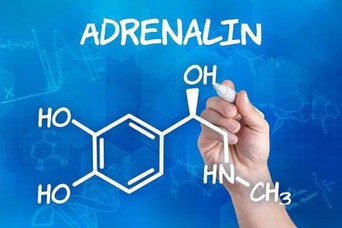
Adrenalone Hydrochloride is mainly produced by chemically modifying epinephrine. Adrenaline is an endogenous hormone and neurotransmitter present in the human body, and it is the raw material for the synthesis of Adrenalone Hydrochloride. Adrenalone Hydrochloride can be produced by introducing a hydrochloride (HCl) group into its molecule. This chemical synthesis method has been widely used and can be performed on both laboratory and industrial scales.
3. Other application fields:
- Chemical research: Since Adrenalone Hydrochloride has various biological activities, it is also used as an experimental material in chemical research. For example, in the study of the structure and function of adrenergic receptors and the development of related drugs, Adrenalone Hydrochloride can be used for activity determination, ligand binding experiments, etc.
- Analytical Chemistry: Adrenalone Hydrochloride can also be used as a reference substance in analytical chemistry. According to its specific reaction, it can be used to quantitatively determine the content of other substances, such as the determination of epinephrine and related compounds.
- Cosmetics: Due to its ability to constrict blood vessels and reduce tissue edema, Adrenalone Hydrochloride is used in some cosmetics as one of the skin-tightening and anti-aging ingredients.
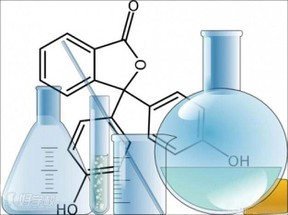
Adrenalone Hydrochloride (phenylephrine hydrochloride) is a pharmaceutical compound, which is a chiral compound with important biological activities. Its chemical structure contains multiple functional groups and chiral centers,
1. Structural features:
Adrenalone Hydrochloride is a phenylephrine analogue with the following structural characteristics:
a) Ring structure: The molecule of Adrenalone Hydrochloride contains a ring structure consisting of carbon and nitrogen atoms. This ring is called a phenyladrenidine ring and is a typical structure for this class of compounds.
b) Double bonds and substituents: There are multiple double bonds and substituents on the phenylephrine ring. These substituents can affect the activity and chemical properties of the molecule. The position and nature of the substituents are critical to the activity of Adrenalone Hydrochloride.
c) Chiral center: Adrenalone Hydrochloride has one chiral center, which means it exists as two enantiomers. The presence of such chiral centers results in reactions with resolution and the formation of enantiomers.
2. Analysis of functional groups:

There are many important functional groups in the Adrenalone Hydrochloride molecule, the following is a description of several of them:
a) Keto group: There is a keto group (C=O) in the Adrenalone Hydrochloride molecule, which is located on the phenyladrenalidine ring. The ketone group is one of the characteristic functional groups of this compound and also a structural element of many bioactive molecules.
b) Hydroxyl: The Adrenalone Hydrochloride molecule contains a hydroxyl group (-OH), which is located on the phenyladrenalidine ring. The hydroxyl group is an important polar functional group that plays a key role in the mechanism of drug action.
c) Amino group: The Adrenalone Hydrochloride molecule contains an amine group (-NH2), which is located on the phenyladrenalidine ring. The amine group is a common functional group of many drug molecules and has the ability to interact and bind with receptors.
d) Hydrochloride: Adrenalone Hydrochloride exists in the form of hydrochloride, in which the chloride ion (Cl-) is combined with the nitrogen atom in the molecule. The hydrochloride salt is a common form for stabilizing drugs in aqueous solutions and providing solubility.
3. Spatial structure:
The spatial structure of Adrenalone Hydrochloride is determined by the configuration of the chiral center in its molecule. It has two enantiomers, namely R body and S body, and their arrangement in three-dimensional space is a mirror image relationship.
4. Structure-activity relationship:
The chemical structure of Adrenalone Hydrochloride is closely related to its biological activity. The position and properties of substituents and functional groups can have an important impact on drug efficacy. By rationally modifying the structure, the activity, selectivity, and pharmacokinetic properties of the molecule can be altered.