


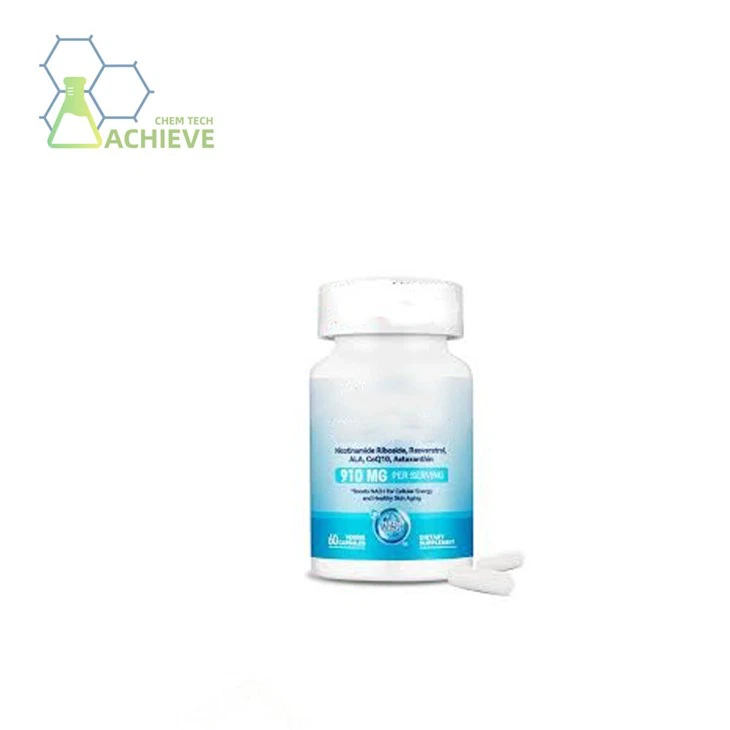

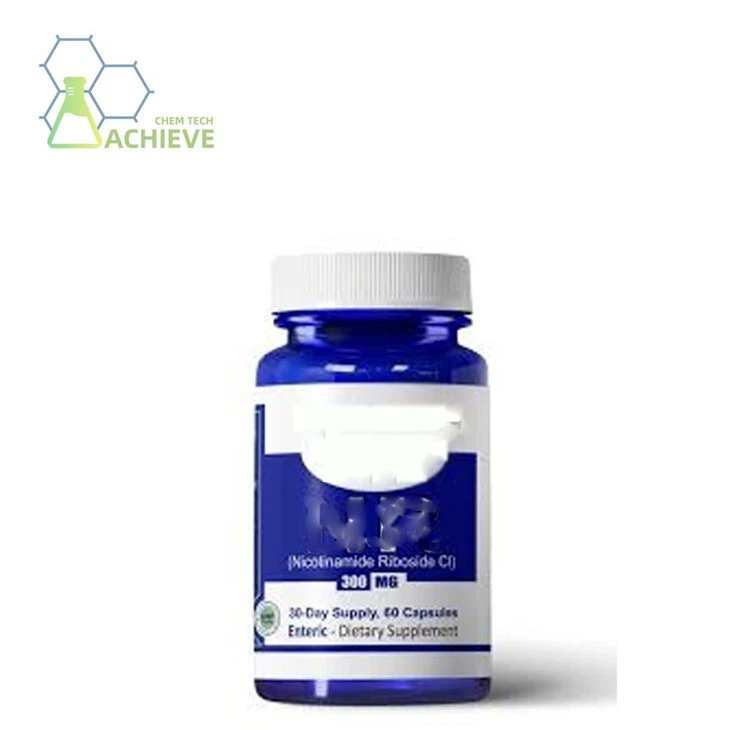


Shaanxi BLOOM Tech Co., Ltd. is one of the most experienced manufacturers and suppliers of nicotinamide riboside capsules in China. Welcome to wholesale bulk high quality nicotinamide riboside capsules for sale here from our factory. Good service and reasonable price are available.
Nicotinamide Riboside Capsules are a dietary supplement primarily composed of nicotinamide riboside (NR) as the active ingredient. Its derivative of vitamin B3 can be converted into NAD ⁺ - a coenzyme present in all cells that serves as an essential coenzyme for the mitochondrial respiratory chain and promotes ATP (energy currency) synthesis. Activate PARP (poly ADP ribose polymerase) enzyme to repair DNA damage. It regulates gene expression and metabolic balance through the SIRT1-7 deacetylase family. It can also maintain the redox state of cells, reduce free radical damage, and gradually decrease the level of NAD ⁺ in the human body after the age of 30, which is associated with metabolic diseases, neurodegenerative disorders, and accelerated aging. Supplementing NR is considered to reverse this trend.
At the same time, our company not only provides pure powders, but also tablets and injections. If needed, please feel free to contact us at any time.
Our products


 |
 |


 |
 |
Nicotinamide Riboside Chloride COA

The gut microbiota dependent pathway for the conversion of Nicotinamide Riboside Capsules to NAD+
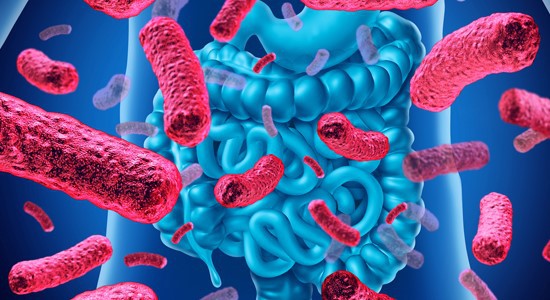
Nicotinamide Riboside (NR), as a novel precursor of NAD ⁺, has become a research hotspot in the fields of anti-aging, metabolic health, and neuroprotection due to its ability to efficiently increase NAD ⁺ levels in the body. The traditional view is that Nicotinamide Riboside Capsules is absorbed orally and metabolized in the liver to form nicotinamide mononucleotide (NMN), which is then further synthesized into NAD ⁺. However, recent studies have shown that gut microbiota plays a crucial role in the conversion of NR to NAD ⁺, with metabolic pathways involving microbial enzyme systems, cross species metabolite exchange, and host microbiota co metabolic networks.
The correlation between gut microbiota and NAD ⁺ metabolism
Physiological function of NAD ⁺ and age-related decline
NAD ⁺ is a core coenzyme involved in cellular energy metabolism, DNA repair, epigenetic regulation, and redox balance. As age increases, NAD ⁺ levels significantly decrease, leading to mitochondrial dysfunction, genomic instability, and increased inflammatory responses, which in turn trigger metabolic diseases, neurodegenerative disorders, and accelerated aging. Supplementing NAD ⁺ precursors (such as NR, NMN, nicotinamide) has been shown to reverse NAD ⁺ deficiency, but the bioavailability and metabolic pathways of different precursors vary.
The regulatory effect of gut microbiota on host NAD ⁺ metabolism
The gut microbiota affects host NAD ⁺ levels in the following ways:
Direct synthesis of NAD ⁺ precursors: Some microbial communities, such as lactobacilli and bifidobacteria, can utilize dietary components to synthesize NR or NMN, which enter the host circulation through mucosal barriers.
Metabolizing host NAD ⁺ intermediates: Microbial enzymes (such as nicotinamide ribokinase and NMN adenosyltransferase) can catalyze the conversion of nicotinamide (Nam) or NR excreted by the host into NMN, which is then absorbed and utilized by the host.
Regulating host NAD ⁺ - consuming enzymes: Microbial metabolites such as short chain fatty acids and tryptophan derivatives can inhibit the activity of PARP (poly ADP ribose polymerase) or CD38 (NAD ⁺ - glycoside hydrolase), reducing NAD ⁺ - consumption.
Microbial dependency evidence of NR metabolism
Animal experiments have shown that after oral administration of NR, the blood NAD ⁺ levels in germ free (GF) mice are significantly lower than those in conventional fed mice, and supplementation with specific bacterial populations (such as Lactobacillus acidophilus) can restore NAD ⁺ synthesis ability. In addition, dysbiosis of the microbiota (such as antibiotic treatment) can weaken the anti-aging effect of NR, indicating that the microbiota is a key participant in NR metabolism.
The gut microbiota dependent pathway for NR conversion to NAD ⁺
Path 1: Microbial communities directly utilize NR to synthesize NAD ⁺

Microbial NR uptake and transport
The gut microbiota absorbs NR through active transport systems (such as ABC transporters) or passive diffusion. For example, the nrnA gene of lactobacilli encodes NR transporters, which can efficiently uptake NR from the environment. Its affinity (Km ≈ 0.5 μ M) is significantly higher than that of host intestinal epithelial cells (Km ≈ 10 μ M), indicating that the microbiota has an advantage in NR competitive absorption.
Microbial NR kinase pathway
NR is mainly converted to NAD ⁺ through two enzymatic pathways within the microbiota: some microbiota (such as Bifidobacterium) express NRK, catalyzing the phosphorylation of NR to NMN, and then synthesizing NAD ⁺ through NMN adenosyltransferase (NMNAT). This pathway is consistent with the metabolism of host cells, but the enzyme activity of NRK in the microbiota (Vmax ≈ 200 nmol/min/mg) is three times that of NRK in the host liver, indicating that the microbiota plays a dominant role in the rapid transformation of NR.
Nicotinamide phosphoribosyltransferase (NamPT) pathway: A few bacterial populations (such as Escherichia coli) lack NRK, but NRK can be deamidated to nicotinamide ribosyl-5-phosphate (NaMN) through NamPT, and then synthesized into NAD ⁺ through multiple reactions. This pathway has low efficiency, but becomes the main metabolic pathway at extremely high NR concentrations (>1 mM).

Cross host utilization of bacterial NAD ⁺
The NAD ⁺ synthesized by microbial communities can be utilized by hosts in two ways:
Direct secretion: Some bacterial communities (such as Lactobacillus acidophilus) encapsulate NAD ⁺ through outer membrane vesicles (OMVs) and release it into the intestinal lumen. NAD ⁺ enters the portal vein circulation through the Connexin 43 half channel of intestinal epithelial cells.
Metabolite exchange: The microbial community degrades NAD ⁺ into NMN or NR, which is absorbed by the host through the SLC5A8 transporter protein. For example, after supplementing NR in sterile mice, the excretion of NMN in urine increased threefold, indicating the involvement of microbial communities in the recycling of Nicotinamide Riboside Capsules.
Path 2: Microbial mediated host NR-NMN-NAD transformation

Host NR absorption and microbiota modification
After oral administration of NR, about 60% of the dose is absorbed by the small intestine, and the remaining portion enters the colon. The colonic microbiota modifies unabsorbed NR in the following ways:
Dephosphorylation: Bacterial phosphatases (such as alkaline phosphatase) hydrolyze NR into nicotinamide (Nam) and ribose-1-phosphate (R1P), which are further absorbed or re synthesized by the host.
Glycosylation: Some microbial communities (such as Bacteroides) convert NR into NR glucosides (NRG), which enter the host through the GLUT2 transporter protein in the intestinal mucosa and are hydrolyzed by β - glucosidase in the liver to form a "microbial host" metabolic cycle.
Regulation of Host NMN Synthesis by Microbial Communities
The conversion of NR to NMN by host cells requires NRK catalysis, but NRK expression is regulated by microbial metabolites:
Short chain fatty acids (SCFAs): Butyrate upregulates host NRK1 expression by activating GPR109A receptors, promoting NR → NMN transformation. After sterile mice were supplemented with butyrate, the liver NRK1 mRNA level increased by 2 times and the NAD ⁺ synthesis rate increased by 40%.
Tryptophan derivatives: Indole-3-propionic acid (IPA) produced by bacterial metabolism of tryptophan can inhibit host CD38 activity, reduce NAD ⁺ consumption, and indirectly improve NR utilization efficiency.


Microbial host NMN exchange
NMN synthesized by microbial communities can enter the host through the following pathways:
Passive diffusion: NMN has a small molecular weight (334 Da) and can freely pass through the interstitial space of intestinal epithelial cells, but this method is less efficient (about 5% of NMN is absorbed).
Carrier mediated transport: The host SLC12A8 transporter protein can efficiently uptake NMN (Km ≈ 50 μ M), and its expression is regulated by microbial signaling (such as lipopolysaccharides). The expression level of SLC12A8 in sterile mice is only 30% of that in conventional mice, and can be restored to normal levels after supplementation with lactobacilli.
Path 3: NR cycle in the microbiota host co metabolic network
After the host utilizes NAD ⁺, its degradation products (such as Nam) are partially excreted into the intestine and reused by the microbiota
Nam → NR cycle: The bacterial community NamPT converts Nam into NaMN, which then synthesizes NR through NaMN ribokinase (NMRK) and NMNAT, and returns to the host cycle. This cycle increases NR utilization by 30% -50%.
R1P recycling: The microbial community converts the R1P produced by NR hydrolysis into ribose-5-phosphate (R5P), which enters the pentose phosphate pathway (PPP) to generate NADPH and nucleotides, supporting microbial growth and host antioxidant defense.

Microbial community host metabolite cross feedback

The intermediate products (such as NMN, NaMN) produced by bacterial metabolism of NR can feedback regulate host NAD ⁺ synthase:
NMN inhibits NRK: High concentrations of NMN (>100 μ M) can competitively inhibit host NRK activity, reduce NR → NMN conversion, promote NR metabolism through the NamPT pathway, and form dynamic equilibrium.
NaMN activates SIRT1: The NaMN synthesized by the microbiota can penetrate the intestinal mucosa, activate the host SIRT1 deacetylase, promote PGC-1 α expression, enhance mitochondrial biogenesis, and form a "metabolism epigenetics" positive feedback loop.
Regulatory factors of microbiota dependent NR metabolism
Microbial composition and functional diversity
The role of dominant microbial communities: The abundance of NR metabolism related bacteria such as lactobacilli, bifidobacteria, and lactobacilli is positively correlated with host NAD ⁺ levels. For example, a high NR diet can significantly increase the proportion of NRK positive bacteria in mouse feces (from 12% to 35%).
Functional redundancy of microbial communities: Different microbial communities ensure NR metabolic stability through functional complementarity. For example, when lactobacilli are deficient, bifidobacteria can compensatory express NRK and maintain NAD ⁺ synthesis.
Synergistic effects of dietary components
Dietary fiber: Soluble fiber (such as inulin) is fermented by microbial communities to produce SCFAs, which upregulate host NRK1 expression and promote the proliferation of NR absorbing bacteria (such as bifidobacteria), synergistically increasing NAD ⁺ levels.
Polyphenolic substances such as resveratrol and quercetin can inhibit the activity of bacterial NamPT, reduce Nam consumption, promote more NR to enter the NMN synthesis pathway, and improve NR utilization efficiency.
Impact of Host Physiological Status
Age: The diversity of gut microbiota in elderly individuals decreases, and the abundance of Nicotinamide Riboside Capsules metabolism related bacteria (such as Lactobacillus acidophilus) decreases by more than 50%, leading to a decrease in NR bioavailability. Supplementing probiotics can partially restore the function of the microbiota.
Disease status: the flora of patients with metabolic diseases such as obesity and diabetes is dysfunctional, and the conversion efficiency of NR → NMN is reduced by 30%. A higher dose of NR is required to achieve the same NAD+promotion effect.
FAQ
1. What is nicotinamide riboside?
Nicotinamide riboside (NR) is a naturally occurring derivative of vitamin B3, serving as the precursor of nicotinamide adenine dinucleotide (NAD+). NAD+ is a crucial coenzyme essential for cellular energy metabolism and maintaining health.
2. What are the potential benefits of taking nicotinamide riboside?
By increasing the level of NAD+ in the body, nicotinamide riboside aims to support cellular health and repair, promote energy production, and help maintain a healthy aging process and overall physiological functions.
3. How to take it correctly?
It is generally recommended to take it with meals to enhance absorption. The specific daily dosage should be followed according to the instructions on the product packaging or consulted with professional advice. And take it regularly to support its sustained effect.
Hot Tags: nicotinamide riboside capsules, suppliers, manufacturers, factory, wholesale, buy, price, bulk, for sale