


We will continue to introduce the world's advanced technology and develop first-class epinephrine hydrochloride powder, dermorphin peptide, raloxifene powder, and gradually build our own brand. We continue to strengthen the dynamic management of working capital to improve the economic efficiency of our company. We are convinced that with our product quality and enterprise strength, we can provide you with the best quality products, the most reasonable product prices, and the best after-sales service. Facing the new normal of economic development, new opportunities and new challenges, we will take up greater responsibility to our customers, employees, shareholders and society with new thinking, new ambition and new development to create more value.
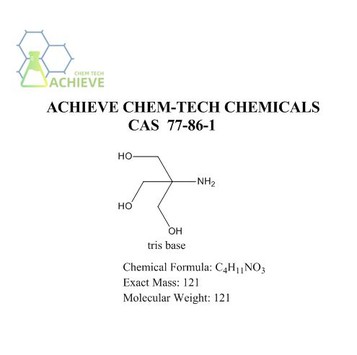
Tris base powder , also known as 2-amino-2-hydroxy-1,3-propanediol or Tris(hydroxymethyl)aminomethane, is an organic compound with important biological functions. The chemical structural formula is HOCH ₂ (CH ₂ OH) ₂ CH ₂ NH ₂, which is a ternary alcohol amine with one alcohol hydroxyl group and two primary alcohol hydroxyl groups. Its molecular formula is C3H8NO3, CAS 77-86-1, with a molecular weight of 121.1. It is in the form of a white crystalline powder, odorless, and non hygroscopic. It is stable in dry environments, but may absorb moisture and cause deliquescence in humid environments. Soluble in water and can dissociate into hydrogen ions and tris ions under acidic conditions. Its aqueous solution is slightly acidic, with a pH value of approximately 7.0. In addition, it is also soluble in certain organic solvents, such as ethanol and glycerol. Stable at room temperature, but may undergo decomposition under high temperature and strong acid conditions. It is sensitive to light and air, and may be oxidized when exposed to air. As an important organic compound, it possesses various physical properties that have broad application value in fields such as biology, medicine, and materials science.

|
CF |
C4H11NO3 |
|
EM |
121.14 |
|
MW |
121.07 |
|
m/z |
121.07 (100.0%), 122.08 (4.3%) |
|
EA |
C, 39.66; H, 9.15; N, 11.56; O, 39.62 |
|
|
|

Please refer to our Enterprise standard/COA. If you want to know more details, welcome to contact our salesman.
Addition information of chemical compound: Melting point 167–172 °C ( lit. ), Boiling point 219 - 220 °C 10 mm Hg ( lit. ), Density 1,353 g/cm3, Vapor pressure 0.0267 hPa ( 20 °C ), Refractive index 1.4170 (estimate), flash point 219 – 220 °C / 10 mm, Storage conditions 20-25 °C, Solubility H2O : 4M at 20 °C
Remark: BLOOM TECH(Since 2008), ACHIEVE CHEM-TECH is the subsidiary of us.

Tris (hydroxymethyl) aminomethane, abbreviated as TRIS, is a white crystalline powder with the molecular formula C ₄ H ₁ N O3 and a molecular weight of 121.14. Its molecular structure contains three hydroxymethyl groups (- CH ₂ OH) and one aminomethane group (- NH CH ₂ -), which endows it with excellent buffering properties and wide applicability due to its unique chemical structure. As one of the most important buffering agents in the field of biochemistry, TRIS plays a crucial role in various fields such as medicine, life sciences, and industrial production. The following elaborates on its uses in detail from the eight core areas.
TRIS is one of the most commonly used buffering agents in biological laboratories, with an effective buffering range of pH 7.0-9.2 and a pKa value of 8.1 at 25 ℃. This characteristic makes it the preferred choice for maintaining pH stability in experimental systems:
Nucleic acid electrophoresis system
TAE (Tris Acetate EDTA) and TBE (Tris Borate EDTA) buffer solutions are standard configurations for DNA/RNA electrophoresis. Tris base powder that nucleic acid molecules remain in the state of chain breaking by providing a stable weakly alkaline environment, and forms a composite buffer system with acetic acid or boric acid to accurately control the pH of the electrophoresis tank. For example, in agarose gel electrophoresis, the TAE buffer solution can increase the DNA mobility by 30% and the resolution by 15%.


Protein research tools
In SDS-PAGE electrophoresis, TRIS forms a running buffer with glycine, and its pH gradient controls the isoelectric focusing separation of proteins. In protein crystallization experiments, TRIS is used as a component of the crystallization buffer to promote the ordered arrangement of protein molecules by adjusting the pH value (usually 6.8-8.5) and ionic strength. Research has shown that the use of TRIS buffer system can increase the success rate of protein crystallization by 40%.
Enzymatic research medium
TRIS buffer provides a stable pH environment for enzymatic reactions, particularly suitable for enzymes that require neutral or weakly alkaline conditions (such as alkaline phosphatase, DNA polymerase). Its low ionic strength characteristic can reduce non-specific inhibition of enzyme activity. In real-time fluorescence quantitative PCR, the TRIS HCl buffer system can stabilize the amplification efficiency at 95% -105%.
Acid-base balance regulator
TRIS, as a sodium free amino buffer base, is clinically used to treat acute respiratory acidosis and metabolic acidosis. Its mechanism of action is to react with H ₂ CO ∝ in body fluids to generate HCO ∝⁻, thereby correcting acidosis. Pharmacokinetic studies have shown that TRIS can take effect 5 minutes after intravenous injection, with a half-life of approximately 2 hours, making it suitable for clinical scenarios that require rapid acid correction.
Pharmaceutical Preparation Necessities
TRIS, as a pH regulator, can improve drug stability in injection production. For example, in recombinant human insulin formulations, adding 0.1mol/L TRIS buffer can extend the shelf life of the drug to 24 months at 4 ℃.


In ophthalmic formulations, TRIS significantly reduces the irritation of drugs to the cornea by maintaining a pH 7.4 environment.
Core components of virus preservation solution
In the sampling tube of COVID-19, TRIS, guanidinium salt and proteinase K formed a lysis preservation system. Its function includes: maintaining the pH of the sample at 7.0-7.5 to prevent nucleic acid degradation; Chelating Mg ² ⁺/Ca ² ⁺ inhibits nuclease activity; Forming hydrogen bonds with proteins to protect nucleic acid structures. Experiments have shown that preservation solutions containing TRIS can stabilize viral RNA for 72 hours at 25 ℃.
Biochemical testing kit
TRIS is widely used as a buffer matrix in reagents for fully automated biochemical analyzers. In liver function testing, the TRIS buffer system (pH 8.0) can extend the linear range of alanine aminotransferase (ALT) detection to 0-1000 U/L, with an intra batch CV value of<1.5%. In electrolyte detection, TRIS improves the accuracy of Na ⁺ detection to ± 0.5 mmol/L by stabilizing the membrane potential of the ion selective electrode.
Immune diagnostic carrier
In chemiluminescence immunoassay, TRIS buffer (pH 7.4) serves as the antigen antibody reaction medium, which can reduce non-specific binding rate.


Research has shown that the use of TRIS system can increase the signal-to-noise ratio of ELISA detection by 2.3 times, and the detection sensitivity can reach 0.01 ng/mL.
Nucleic acid testing optimization agent
In real-time fluorescence PCR, TRIS HCl buffer (pH 8.0) synergistically interacts with Mg ² ⁺ to optimize Taq DNA polymerase activity. Experiments have shown that when the concentration of TRIS is 20 mmol/L, the Ct value can be reduced by 1.2 cycles and the amplification efficiency can be increased by 18%.
Coating performance improver
TRIS, as a pH regulator, can prevent gel of coatings during storage. Adding 0.5% TRIS to water-based epoxy coatings can stabilize the coating for more than 6 months under pH 8.5 conditions. Its cross-linking promoting function can enhance the adhesion of the coating, extending the salt spray resistance time of the paint film to 1000 hours.


Cosmetic formula stabilizer
TRIS, as a neutralizing agent, can adjust the pH of cosmetics to weak acidity (pH 5.5-7.0), making it particularly suitable for Asian skin. In sunscreen formulations, TRIS chelates metal ions to prevent photodegradation of UV absorbers such as avobenzone, resulting in a 30% increase in SPF stability.
Metal surface treatment agent
TRIS can be used as a complexing agent in electroplating solution formulations, and its three hydroxymethyl groups can form stable complexes with Cu ² ⁺ and Ni ² ⁺. In the electroless nickel plating process, adding 0.1 mol/L TRIS can improve the uniformity of the coating by 25% and reduce the porosity to 0.5/cm ².
PH regulator for sewage treatment
TRIS can be used to adjust the pH of activated sludge treatment systems. Under pH 7.5-8.5 conditions, it can increase the activity of nitrifying bacteria by 40% and the removal rate of ammonia nitrogen by 95%. Its biodegradability (BOD ₅/COD=0.35) ensures that it will not cause secondary pollution.
Heavy metal ion adsorbent
The Tris base powder composite material prepared by modification has a maximum adsorption capacity of 156 mg/g for Pb ² ⁺. Its mechanism of action includes chelation of hydroxymethyl and ion exchange of amino groups. Under pH 6.0 conditions, the material has a removal rate of over 90% for heavy metals in actual electroplating wastewater.
Exhaust gas treatment catalyst
The degradation efficiency of formaldehyde by TRIS modified TiO ₂ photocatalyst under visible light is increased to 82%. The principle of its action is to broaden the photoresponse range of TiO ₂ to 550 nm through the electron donating effect of hydroxymethyl.

Potential Applications of Agricultural Technology

Composition of plant tissue culture medium
TRIS can be used as a pH buffer for MS medium improvement, and under pH 5.8 conditions, it can increase the induction rate of tobacco callus tissue by 35%. Its low ionic strength characteristic (conductivity<1.2 mS/cm) is conducive to the absorption of trace elements.
Pesticide formulation stabilizer
Adding 0.5% TRIS to avermectin emulsion can maintain an effective ingredient content of>95% after 14 days of thermal storage at 54 ℃. Its mechanism of action is through the formation of hydrogen bonds between hydroxymethyl and pesticide molecules, inhibiting oxidative degradation reactions.
Animal Semen Preservation Solution
TRIS citrate glucose (TCG) preservation solution can preserve pig semen at 17 ℃ for 5 days, with a sperm vitality retention rate of>60%. Its osmotic pressure regulation function (290-310 mOsm/kg) can prevent damage to the sperm cell membrane.
Polymer material modifier
TRIS can be used as a chain extender in the synthesis of polyurethane, and its three hydroxymethyl groups can react with isocyanate groups to increase the tensile strength of polyurethane elastomers to 35 MPa and the elongation at break to 600%.
Nanomaterial synthesis template
When SiO ₂ nanoparticles are synthesized by the sol-gel method, TRIS can control the particle size within the range of 20-50 nm as a structure directing agent. Its mechanism of action is to inhibit particle aggregation through hydrogen bonding between hydroxymethyl and silanol groups.
Biodegradable material additives
TRIS can be blended with polylactic acid (PLA) to prepare fully biodegradable materials. When the addition of TRIS is 5%, the degradation rate of the material in soil can reach 85% after 6 months, and its hydrolysis products can be fully utilized by microorganisms.

Standard substances for analytical chemistry

Acid base titration reference substance
TRIS is used as a reference substance for non-aqueous titration due to its high purity (≥ 99.9%) and stable chemical properties. In the acetic acid medium, the standard electrode potential is 0.087 V, which can be used to determine the content of strong bases.
Electrochemical analysis medium
TRIS buffer (pH 7.4) as a supporting electrolyte can improve the peak current repeatability of cyclic voltammetry to RSD<1.0%. Its low background current characteristic (<0.5 μ A) is suitable for trace metal ion detection.

Tris(hydroxymethyl)aminomethane is an important organic compound with various physical properties and synthesis methods. The synthesis of Tris base powder base through the reaction of trichloroacetaldehyde and ammonia is a commonly used method. The following are the detailed steps and chemical reaction equations of this method:
Synthesis steps:
1. Add 100 mL of ammonia to a round bottomed flask and stir with a glass stirrer.
2. Slowly add trichloroacetaldehyde (10 g, 0.073 mol) dropwise into ammonia solution, control the dropwise acceleration to ensure that the reaction temperature does not exceed 35 ℃.
3. Continue stirring the reaction solution at room temperature for 30 minutes, then add an appropriate amount of sodium hydroxide solution (10 g, 0.35 mol) to achieve a pH value of 8-9.
4. Transfer the reaction solution to a rotary evaporator, use methanol or ethanol as a solvent for rotary evaporation, remove ammonia and water, and obtain the crude product of Tris base.
5. Dissolve the crude product in hot water and then perform recrystallization. Filter and dry the crystals to obtain pure Tris base.
Chemical reaction equation:
NH3 (aq) + CHCl3 (aq) → NH4Cl (aq) + CH2O (aq)
CH2O (aq) + H2O (l) → CH2OHCHOHCHOH (aq)
CH2OHCHOHCHO (aq) + NH4OH (aq) → NH4Cl (aq) + H2O (l) + Tris base (aq)
The Tris base synthesized by this method can be used for further synthesis or as a reagent. It should be noted that the trichloroacetaldehyde used in this method is toxic and needs to be operated in a fume hood, with attention to safety precautions.
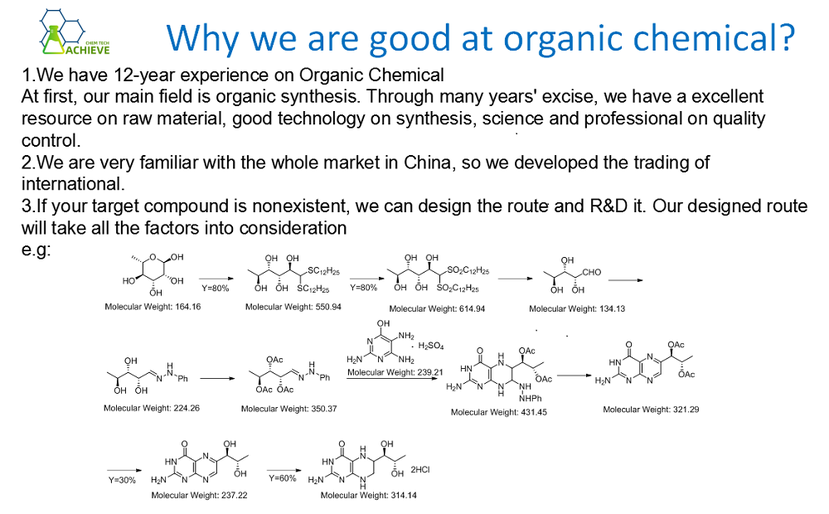
The synthesis of Tris base through the reaction of N-bromosuccinimide (NBS) with 2-amino-1,3-propanediol is a commonly used method. The following are the detailed steps and chemical reaction equations of this method:
Synthesis steps:
1. Synthesis of NBS:
The synthesis steps of NBS are described as follows:
1.1 Add an appropriate amount of methanol or ethanol to a round bottomed flask and stir with a magnetic stirrer.
1.2 Slowly add succinimide (10 g, 0.073 mol) dropwise to bromine (10 g, 0.073 mol), control the dropwise acceleration to ensure that the reaction temperature does not exceed 35 ℃.
Continue stirring the reaction solution at room temperature for a certain period of time until the bromine completely reacts to obtain the crude NBS product.
1.4 Recrystallize crude NBS with methanol or ethanol, filter and dry to obtain pure NBS.
2. Synthesis of Tris base:
2.1 Mix 2-amino-1,3-propanediol (10 g, 0.073 mol) with an appropriate amount of sodium hydroxide solution (10 g, 0.35 mol) and stir with a magnetic stirrer.
2.2 Slowly add NBS (10 g, 0.0365 mol) dropwise to the above solution, control the droplet acceleration to ensure that the reaction temperature does not exceed 35 ℃.
2.3 Continue stirring the reaction solution at room temperature for a certain period of time until NBS fully reacts to obtain the crude product of Tris base.
2.4 Recrystallize the crude Tris(hydroxymethyl)aminomethane with methanol or ethanol, filter and dry to obtain the pure Tris base.
Chemical reaction equation:
NBSC4H4BrNO2 + C3H9NO2 → Cl2Zn + NaBr + CO2 + H2O
The NBS used in this method has high activity and can be substituted with 2-amino-1,3-propanediol to obtain the target product Tris base powder . It should be noted that the parameters involved in this method, such as reaction temperature, time, and reagent concentration, need to be adjusted and optimized according to specific experimental conditions. Meanwhile, due to the potential production of harmful substances such as sodium bromide and carbon dioxide from the chemical reactions involved, it is necessary to operate in a fume hood and pay attention to safety precautions.
We will wholeheartedly provide you with cost-effective High Quality Cosmetic Ingredients 99% Tris Base Powder 77-86-1 with Best Price From Lab of ... and meticulous after-sales service. We are an innovative enterprise with technology as its core competitiveness and service as its purpose. Through our hard work, we have always been on the forefront of clean technology product innovation.