


Our high-tech production equipment ensures the consistency of each batch of dermorphin peptide, dithizone test, 3 Nitrobenzaldehyde 99 . We hope to drive the development of the industry with scientific and technological innovation, and help national brands to the world. We win returns for our partners, and we continue to work hard to promote technological progress in the industry.
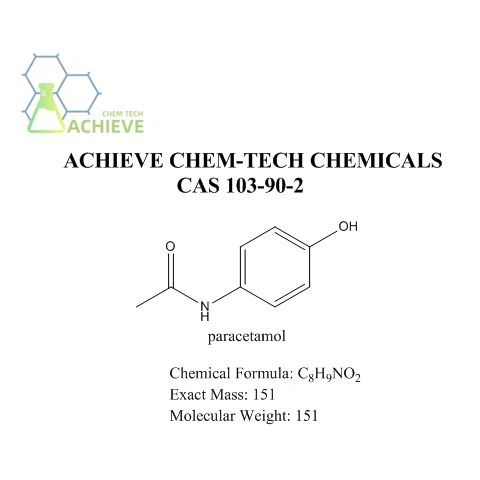
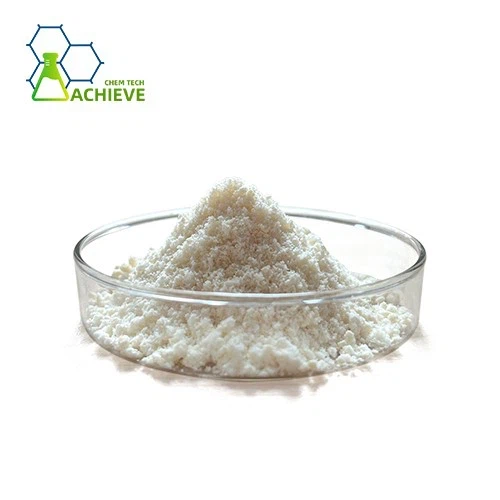
Paracetamol powder (also known as paracetamol and acetaminophen) is a white crystalline powder with no odor and a slightly bitter taste. It is soluble in ethanol, acetone, hot water, ether, chloroform, insoluble in water, petroleum ether, and benzene. It is a non steroidal anti-inflammatory drug, as well as an organic synthetic intermediate, hydrogen peroxide stabilizer, and photographic chemical. Molecular formula C8H9NO2, CAS 103-90-2, molecular weight 151.16 g/mol. Has antipyretic and analgesic effects. It is a solid at room temperature. Has good solubility in water. Each gram of water can dissolve approximately 1.25g of 2-acetaminophen (at 20 ° C). Structurally, it consists of a benzene ring and acylamine groups. The steam pressure is low and gradually increases with the rise of temperature. Its pH value is relatively close to neutral, ranging from 6.3 to 6.5 in aqueous solution. It is a relatively stable compound that can be stored for a long time under conventional storage conditions. But please be careful to avoid moisture and exposure to strong light.

|
Chemical Formula |
C8H9NO2 |
|
Exact Mass |
151 |
|
Molecular Weight |
151 |
|
m/z |
151 (100.0%), 152 (8.7%) |
|
Elemental Analysis |
C, 63.56; H, 6.00; N, 9.27; O, 21.17 |
|
Morphological |
Crystal or crystal powder |
|
Color |
white |
|
Melting point |
168-172 ° C (lit.) |
|
Boiling point |
273.17 ° C (rough estimate) |
|
Density |
1293 g / cm3 |
|
Storage conditions |
insert atmosphere |
|
solubility alcohol |
solublesoluble 40 parts of solvent |
|
Acidity coefficient ( pKa ) |
9.86 ± 0.13 (predicted) |
|
Flash point |
11 ° C |
Paracetamol powder Supplier by: BLOOM TECH
Remark: BLOOM TECH(Since 2008), ACHIEVE CHEM-TECH is the subsidiary of us.

Paracetamol powder, as a widely used antipyretic and analgesic drug, is mainly used to relieve pain, lower body temperature, and assist in the treatment of related symptoms.
Heat management
Indications: Elevated body temperature caused by common cold, flu, postoperative fever, etc.
Function characteristics: It takes effect quickly (usually within 30 minutes) and can relieve symptoms such as headache and muscle soreness associated with fever. Although the antipyretic effect is slightly weaker than ibuprofen, it has less gastrointestinal irritation and is suitable for children, the elderly, and patients with mild peptic ulcers.
Clinical data: Adult single dose of 500-1000mg, repeated every 4-6 hours, with a total dose not exceeding 4g within 24 hours; children are calculated based on body weight of 10-15mg/kg, with a maximum single dose not exceeding 600mg.
Pain relief
Headaches: including tension headaches and acute migraine. Joint pain: such as osteoarthritis and rheumatoid arthritis (requiring combination therapy with other medications). Muscle pain: post exercise muscle soreness, fibromyalgia. Toothache: acute pulpitis, periapical periodontitis, etc. Dysmenorrhea: a commonly used medication for primary dysmenorrhea. Postoperative pain: commonly used for managing mild to moderate postoperative pain, it can be used alone or in combination with opioid drugs to reduce the latter dosage.
Function characteristics: It is more effective for dull pain (such as headache and joint pain) than sharp pain (such as visceral colic), non addictive, and suitable for intermittent use in long-term chronic pain.


Comprehensive relief of cold symptoms
Indications: The core ingredient of compound cold medicine is used to alleviate symptoms such as fever, headache, muscle soreness, nasal congestion, and runny nose caused by colds.
Function characteristics: Improve systemic symptoms through antipyretic and analgesic effects, while adding antihistamines (such as chlorpheniramine) or decongestants (such as pseudoephedrine) to some compound preparations to enhance efficacy.
Applications for special populations
Children: Specialized dosage forms (such as granules and suspensions) have good taste and high safety, and are commonly used antipyretic drugs in pediatrics.
Elderly people: Those with decreased liver and kidney function need to adjust the dosage and avoid long-term excessive use.
Pregnant and lactating women: There is limited evidence of safety in early pregnancy (≤ 12 weeks), and the pros and cons need to be weighed; The use during lactation has minimal impact on infants, but high doses should be avoided.


All chemical laboratory synthesis methods for Paracetamol powder:
1. Synthesis method using 4-Nitrophenol as raw material:
Step 1: 4-Nitrophenol reacts with Sodium acetate to generate corresponding amide.
Reaction formula: C6H4 (NO2) OH+CH3COONa → C6H4 (NO2) NHC (O) CH3
Step 2: Amide reacts with Sodium bisulfite to produce 2-aminophenol through Redox.
Reaction formula: C6H4 (NO2) NHC (O) CH3+NaHSO3 → C6H4 (NH2) OH
Step 3: 2-aminophenol reacts with acetic anhydride to produce Acetyl group compound, namely acetaminophen.
Reaction formula: C6H4 (NH2) OH+(CH3CO) 2O → C8H9NO2

2. Synthesis method using p-aminophenol as raw material:
Step 1: The reaction of p-aminophenol with acetic anhydride generates its acetylation product.
Reaction formula: C6H3 (OH) (NH2)+(CH3CO) 2O → C8H9NO2
Step 2: The acetylation product reacts with Sodium nitrate to produce a Electrophilic substitution to obtain p-nitro-p-acetylaminobenzene.
Reaction formula: C8H9NO2+NaNO3 → C8H8N2O4+CH3COOH
Step 3: Acetaminophen is obtained by heating the reduction reaction of p-nitroacetaminobenzene.
Reaction formula: C8H8N2O4+3H2 → C8H9NO2+2H2O
3. Synthesis method using p-aminophenol as raw material:
Step 1: p-aminophenol reacts with Acetic anhydride to generate acetylation products.
Reaction formula: C6H4 (NO2) OH+(CH3CO) 2O → C8H9NO2
Step 2: Acetylation products react with hydrogen peroxide under alkaline conditions to produce N - (4-hydroxyphenyl) acetaldehyde amine.
Reaction formula: C8H9NO2+H2O2 → C8H9NO2+H2O
Step 3: N-(4-hydroxyphenyl) acetaldehyde amine and aminophenol undergo Condensation reaction to generate acetaminophen.
Reaction formula: C8H9NO2+C6H3 (OH) (NH2) → C8H9NO2
4. The production methods of paracetamol were as follows :
( 1 ) Zinc was used to reduce p-nitrophenol in glacial acetic acid, and p-acetylaminophenol was obtained by acetylation ;
( 2 ) The hydrazone generated by p-hydroxyacetophenone was placed in sulfuric acid acid solution, and sodium nitrite was added to translocate into p-acetylaminophenol ;
( 3 ) Acetylation of aminophenol. In biopharmaceutics, as a non-steroidal compound, it can inhibit the synthesis and release of prostaglandins, so it can alleviate many types of pain.

Paracetamol powder, also known as acetaminophen powder, may interact with other drugs. The following is a detailed explanation of these interactions:
1.Interaction with liver enzyme inducers
- Mechanism of action: Long term alcohol consumption or continuous use of other liver enzyme inducers (such as barbiturates or other antispasmodics) may increase the risk of liver toxicity reactions. This is because liver enzyme inducers can enhance the activity of enzymes in the liver, thereby accelerating drug metabolism and excretion, but may also increase the toxic metabolites of drugs.
-
Caution: When using, avoid using liver enzyme inducers simultaneously or use with caution under the guidance of a doctor.
2.Interaction with anticoagulant drugs
- Mechanism of action: When combined with anticoagulants such as warfarin, it may enhance the anticoagulant effect. This is because it may affect the activity of coagulation related enzymes in the liver, thereby prolonging clotting time.
- Attention: When using it, if anticoagulant drugs need to be used at the same time, the dosage of anticoagulant drugs should be adjusted under the guidance of a doctor to avoid adverse reactions such as bleeding.
3.Interactions with other nonsteroidal anti-inflammatory drugs
- Mechanism of action: Long term use in large quantities with aspirin or other nonsteroidal anti-inflammatory drugs (such as ibuprofen) may increase the risk of nephrotoxicity. This is because these drugs may affect the metabolism and excretion function of the kidneys, thereby increasing the burden on the kidneys.
- Caution: When using it, avoid using other nonsteroidal anti-inflammatory drugs at the same time, or use it with caution under the guidance of a doctor. At the same time, regular check ups of kidney function should be conducted to ensure medication safety.
4.Interaction with antiviral drugs
- Mechanism of action: When used in combination with antiviral drugs such as zidovudine, it may increase toxicity. This is because these drugs may interfere with each other in the body, leading to abnormalities in drug metabolism and excretion.
- Caution: When using r, avoid using antiviral drugs at the same time or use with caution under the guidance of a doctor. At the same time, patients' symptoms and signs should be closely monitored, and if there are any adverse reactions, they should seek medical attention promptly.
5.Other precautions
- When using it, attention should be paid to avoiding simultaneous use with other drugs that may cause drug interactions.
- If other medications need to be used simultaneously, they should be done under the guidance of a doctor and informed of all medications being used, including prescription drugs, over-the-counter drugs, health supplements, etc.
- If any discomfort or suspected adverse reactions occur during use, the medication should be stopped immediately and medical attention sought.
Frequently Asked Questions
Is Tylenol and paracetamol the same thing?
+
-
Acetaminophen (paracetamol), also commonly known as Tylenol, is the most commonly taken analgesic worldwide and is recommended as first-line therapy in pain conditions by the World Health Organization (WHO). It is also used for its antipyretic effects, helping to reduce fever.
Is paracetamol stronger than ibuprofen?
+
-
Is ibuprofen a "stronger" medicine than paracetamol? Ibuprofen and paracetamol are equally strong for treatment of pain and fever. Ibuprofen has more anti-inflammatory effect (e.g., reducing redness and swelling). This is why it is often used to treat joint and muscle pain in adults.
Is paracetamol a panado?
+
-
Panado Paracetamol 500mg 24 Tablets contain 500 mg of paracetamol and help with the relief of mild pains caused by headaches, toothaches and pains associated with colds and flu. It's relief you can trust for the whole family.
What is paracetamol best for?
+
-
Paracetamol is a common painkiller used to treat aches and pain. It can also be used to reduce a high temperature. It's available to buy from a pharmacy or shop, but you may be able to get 1g tablets on prescription if you have long-term pain.
Who should not take paracetamol?
+
-
Paracetamol is not suitable for some people. To make sure it's safe for you, tell your doctor or pharmacist if you: have ever had an allergic reaction to paracetamol or any other medicine. have liver or kidney problems.
As an excellent supplier of best quality Painkiller Paracetamol Powder CAS 103-90-2/553-63-9/94-15-5/136-47-0/77239-98-6/139755-83-2/60142-96-3/557-66-4/73-31-4/76167-62-9/93-02-7/3760-52-9, we are not only the products provider, but also the technical supporter of the customers during the whole process of products use. Our vision is to build a century old foundation and a first-class group, which requires all employees to inherit and continue to struggle. We prioritize the protection of life and safety and the observance of compliance principles when facing all business issues.