


The development of our various articaine hydrochloride powder, 99 9 pure lidocaine powder, 2 4 Quinolinediol can basically meet the needs of the market and hold a large share in the market. We constantly update the development concept of our employees and carry out innovative management, which makes all of them work creatively. Creating tangible and lasting value lies in paying attention to the growth of employees in the company. Therefore, we hope to strengthen ourselves and create a greater development platform for employees. As an independent brand, our company not only inherits the characteristics of craftsmen's high-quality products and services, but also successfully builds our own unique charm and business style.
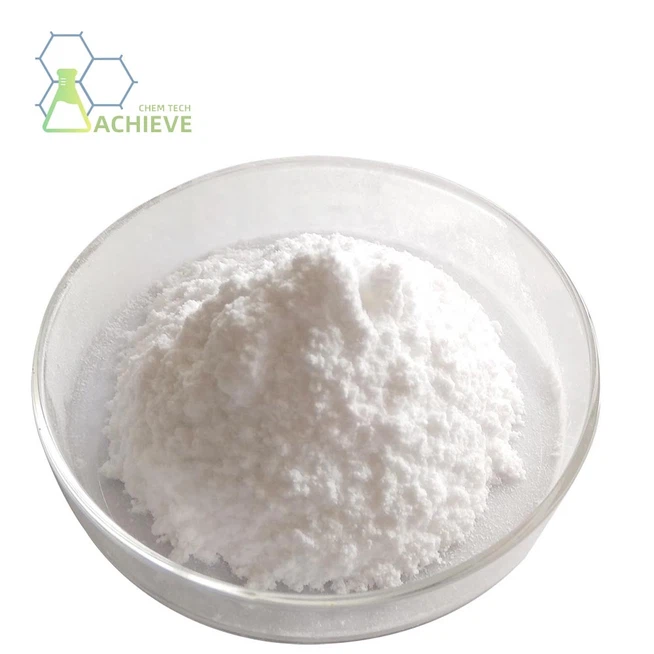
Benzoyl peroxide powder, the other name benzoyl powder, commonly known as initiator BPO, is a white crystalline powder at room temperature with slight bitter almond odor. It can be dissolved in benzene, chloroform and ether, and can be slightly dissolved in ethanol and water. It can be used as monomer polymerization initiator of PVC, unsaturated polyester, polyacrylate, etc. It can also be used as crosslinking agent of polyethylene and rubber curing agent. Benzoyl peroxide is a strong oxidant and easy to burn. The properties are extremely unstable. Friction, impact, exposure to light, high temperature, sulfur and reducing agent all have the risk of ignition and explosion. Combustion can also occur when sulfuric acid is added. In order to prevent explosion, insoluble salts such as calcium carbonate, calcium phosphate, calcium sulfate, talcum powder, bentonite and so on are generally used when diluted to about 20 %, or 25 – 30 % water is injected during storage. Dibenzoyl peroxide is low toxic, harmful, irritating to eyes, skin and mucous membrane, should avoid direct contact. Please email us if you want to buy benzoyl peroxide powder.

 |
 |
|
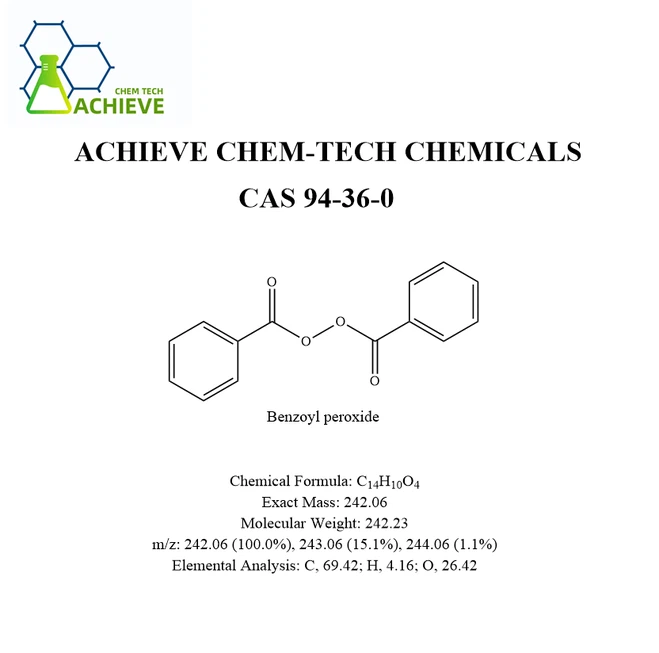
Chemical Formula |
C14H10O4 |
|
Exact Mass |
242.06 |
|
Molecular Weight |
242.23 |
|
m/z |
242.06 (100.0%), 243.06 (15.1%), 244.06 (1.1%) |
|
Elemental Analysis |
C, 69.42; H, 4.16; O, 26.42 |

Acne Treatment
Benzoyl peroxide is one of the most widely prescribed and over-the-counter treatments for acne vulgaris. It is effective against both inflammatory acne (papules, pustules) and non-inflammatory acne (whiteheads, blackheads). Its primary mechanisms of action include:
Antibacterial Activity
Benzoyl peroxide works by killing the bacteria responsible for acne, primarily Propionibacterium acnes (P. acnes). This bacteria thrives in clogged pores and contributes to the inflammatory process that leads to acne formation. By eliminating these bacteria, benzoyl peroxide helps reduce acne breakouts.

Keratolytic Effect
It promotes the shedding of dead skin cells that can accumulate and clog pores. This helps prevent the formation of comedones (blackheads and whiteheads), which are the initial lesions in acne development.
Anti-Inflammatory Properties
Beyond its antibacterial and keratolytic effects, benzoyl peroxide also exhibits anti-inflammatory properties, which help reduce redness, swelling, and pain associated with acne lesions.
Formulations & Dosages
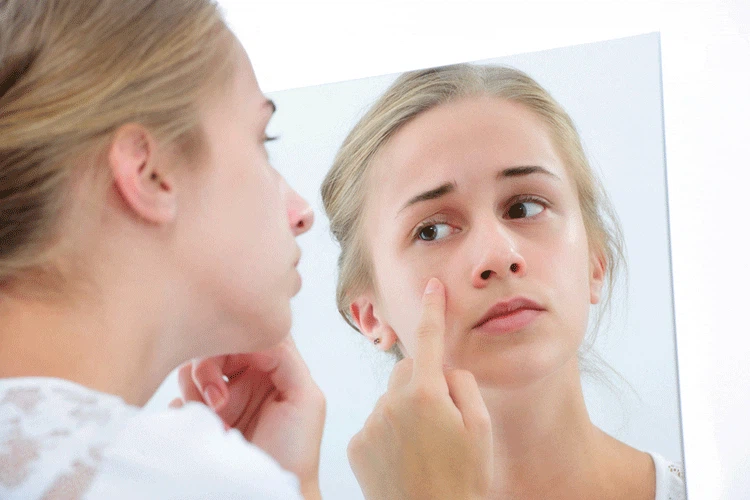
Benzoyl peroxide is available in various formulations, including gels, creams, lotions, washes, and spot treatments. The concentration of benzoyl peroxide can range from 2.5% to 10%, with higher concentrations generally more effective but also more likely to cause skin irritation.
Combination Therapy
Benzoyl peroxide is often used in combination with other acne treatments to enhance efficacy. For instance, it can be combined with:
1
Helps exfoliate the skin and reduce pore clogging.
2
Promotes cell turnover and helps prevent comedone formation.
3
Used to further target acne-causing bacteria.
4
For acne associated with hormonal imbalances.
Precautions and Side Effects
- Dryness and Irritation: The most common side effects are skin dryness, redness, and irritation. These symptoms are more likely with higher concentrations and can be mitigated by starting with a lower concentration and gradually increasing as tolerated.
- Bleaching: Benzoyl peroxide can bleach fabrics and hair, so it's important to avoid contact with these items.
- Photosensitivity: Some people may experience increased sensitivity to sunlight while using benzoyl peroxide. It's recommended to use sunscreen and avoid prolonged sun exposure.
Benzoyl peroxide is a valuable tool in the treatment of acne, thanks to its antibacterial, keratolytic, and anti-inflammatory properties. When used appropriately, it can help improve the appearance of acne-prone skin and reduce the frequency of acne breakouts. However, it's essential to follow the recommended dosage and instructions to minimize the risk of side effects.
industrial applications
Polymerization Initiator
Key Role: BPO serves as a critical free radical initiator in various polymerization reactions.
- Olefin Polymerization: It promotes the polymerization of olefins, particularly in the production of acrylate-based polymers and styrene-based copolymers. This role is significant in the manufacturing of plastics, resins, and other polymeric materials.
- Industrial Plastics: It is also used as a polymerization catalyst for dental or industrial plastics, enhancing their production efficiency and quality.
Oxidant and Alkylating Agent
Organic Synthesis: BPO functions as an oxidant or alkylating agent in organic chemistry.
- Preparation of Organic Compounds: It is employed in the oxidation reactions to prepare alcohols, ketones, aldehydes, and acids. This versatility allows for the synthesis of a diverse range of organic compounds essential in various industries.
Material Manufacturing
- Epoxy Resins: In the electronics and electrical industry, BPO-cured epoxy resins are widely used for bonding, encapsulation, coating, and potting applications. These resins offer excellent physical and chemical stability, enhancing the quality and reliability of electronic products.
- Polymer Foam Materials and Coatings: In the construction sector, BPO contributes to the manufacture of polymer foam materials and coatings, which are vital for improving the performance of building materials.
Other Industrial Uses
- Road Construction: BPO is being actively developed as a rapid adhesive in highway pavement engineering, demonstrating its potential in infrastructure development.

Benzoyl peroxide, commonly abbreviated as BPO, has a rich history spanning decades of scientific discovery and industrial application. Its journey began with the recognition of its unique chemical properties, particularly its strong oxidizing capabilities.
The exact date of Benzoyl peroxide's discovery is not definitively recorded, but its synthesis and properties were likely first studied in the late 19th or early 20th century. Scientists were intrigued by its potential as a versatile chemical compound, particularly in organic synthesis and as an initiator in polymerization reactions.
As research progressed, Benzoyl peroxide's industrial applications began to emerge. It was first utilized as a polymerization initiator in the production of polymers and resins, revolutionizing the plastics industry. Its ability to efficiently initiate polymerization reactions led to widespread adoption in the manufacturing of various plastics, coatings, and adhesives.
In the medical field, Benzoyl peroxide's journey began with its recognition as an effective treatment for acne and other skin conditions. Its antibacterial properties, particularly against Propionibacterium acnes, the bacterium responsible for acne, made it a valuable addition to dermatological treatments. Since its introduction, Benzoyl peroxide has become a staple in over-the-counter acne medications.
Over the years, Benzoyl peroxide's applications have continued to expand. It is now used in a wide range of industries, including electronics, construction, and even road construction. Researchers continue to explore new uses for this versatile compound, driven by its unique chemical properties and the demand for innovative solutions in various fields.
As Benzoyl peroxide's use has grown, so too have concerns about its safety. Proper handling and disposal are essential to minimize risks to workers and the environment. Regulatory agencies have established guidelines for its use and disposal, ensuring that its benefits are realized while minimizing potential hazards.
In conclusion, benzoyl peroxide powder has a long and storied history, evolving from a laboratory curiosity to a vital component in numerous industries. Its unique properties and versatility have made it an indispensable chemical in a wide range of applications, from plastics manufacturing to medical treatments.
adverse reaction
Benzoyl peroxide (BPO), as an oxidant widely used in the treatment of acne, has attracted much attention for its high purity, strong oxidizing properties, and versatile applications in various fields such as medical, industrial, and cosmetics.
Skin adverse reactions: local irritation and allergic reactions
Common local reactions
Irritable contact dermatitis: About 15% -30% of patients experience redness, burning sensation, and flaking after use. Free radicals damage keratinocytes and disrupt skin barrier function.
Drying and scaling: About 40% of patients report dry skin and 20% experience scaling. BPO dissolves lipids in the stratum corneum, leading to increased transdermal water loss.
Bleach effect: Fabric that comes into contact with BPO (such as pillowcases, towels) may develop yellow spots and the hair color may become lighter.
Severe allergic reaction
Allergic contact dermatitis: Approximately 2% -5% of patients experience delayed type IV hypersensitivity reactions. Swelling erythema, papules, and severe itching appear 24-72 hours after use. The patch test is positive, and the serum specific IgE level is elevated.
Systemic toxicity: absorption and accumulation risks
Acute poisoning
Ingestion route: Take BPO powder or high concentration preparations (such as 20% gel) by mistake.
Gastrointestinal tract: Nausea, vomiting, diarrhea, and in severe cases, gastrointestinal bleeding may occur.
Nervous system: headache, dizziness, delirium, and even coma.
Metabolic acidosis: Lactic acid accumulation leads to pH<7.25 and blood bicarbonate<18mmol/L.
Chronic accumulation poisoning
Long term external use: Use>50g BPO preparation daily for more than 3 consecutive months.
Liver: ALT and AST levels increase to more than three times normal, accompanied by jaundice.
Kidney: Blood creatinine>1.5mg/dL, increased urinary NAG enzyme activity.
Hematological system: leukopenia (<4 × 10 ⁹/L), thrombocytopenia (<100 × 10 ⁹/L).
Mechanism: BPO metabolite benzoic acid inhibits mitochondrial respiratory chain, leading to cellular energy metabolism disorders.
Special population risk
Systemic absorption risk: high body surface area to body weight ratio, with a dosage per unit area exceeding 30% of that of an adult.

Children
Teratogenic risk: Animal experiments have shown that exposure to BPO (50mg/kg/d) during pregnancy increases the incidence of cleft palate in fetal rats by three times.
Clinical recommendation: BPO should be avoided during pregnancy, and it is recommended to use azelaic acid or salicylic acid as substitutes.

Pregnant women
Excretion delay: The peak time of blood benzene concentration in patients with renal insufficiency is delayed to 12 hours after medication (normal 4 hours).
Dose adjustment: For patients with liver and kidney dysfunction, the dosage of BPO should be reduced to 50% of the normal dose.

Individuals with liver and kidney dysfunction
We are sure that we can provide tailor-made solutions of SKYZON® Basic Dark Brown SD-3RL Dye for Cotton Fabric Dyeing&Paper Dyeing to our customers and become a reliable and friendly partner. Through years of development, the company has become an enterprise with strong competitiveness in the same industry and good economic benefits. Our service system runs through the entire production process, from the very beginning of product design and manufacturing to pre-sales, in-sales and after-sales services.