




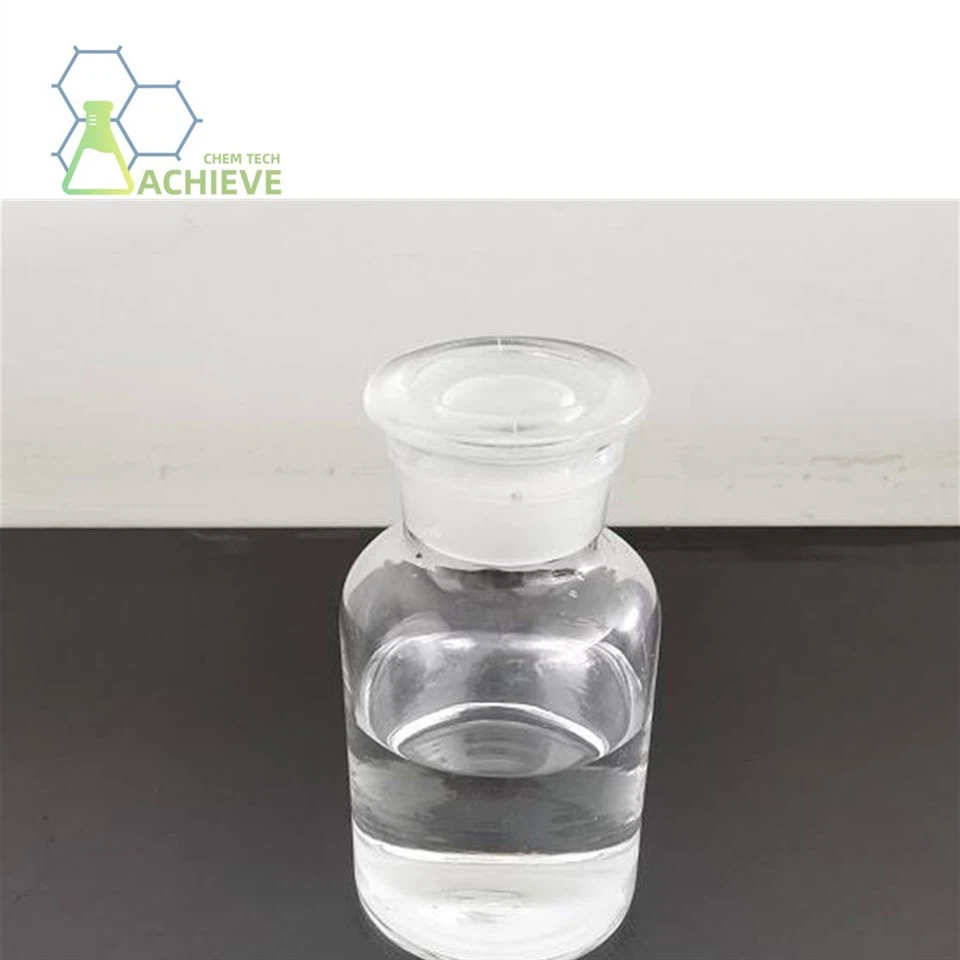
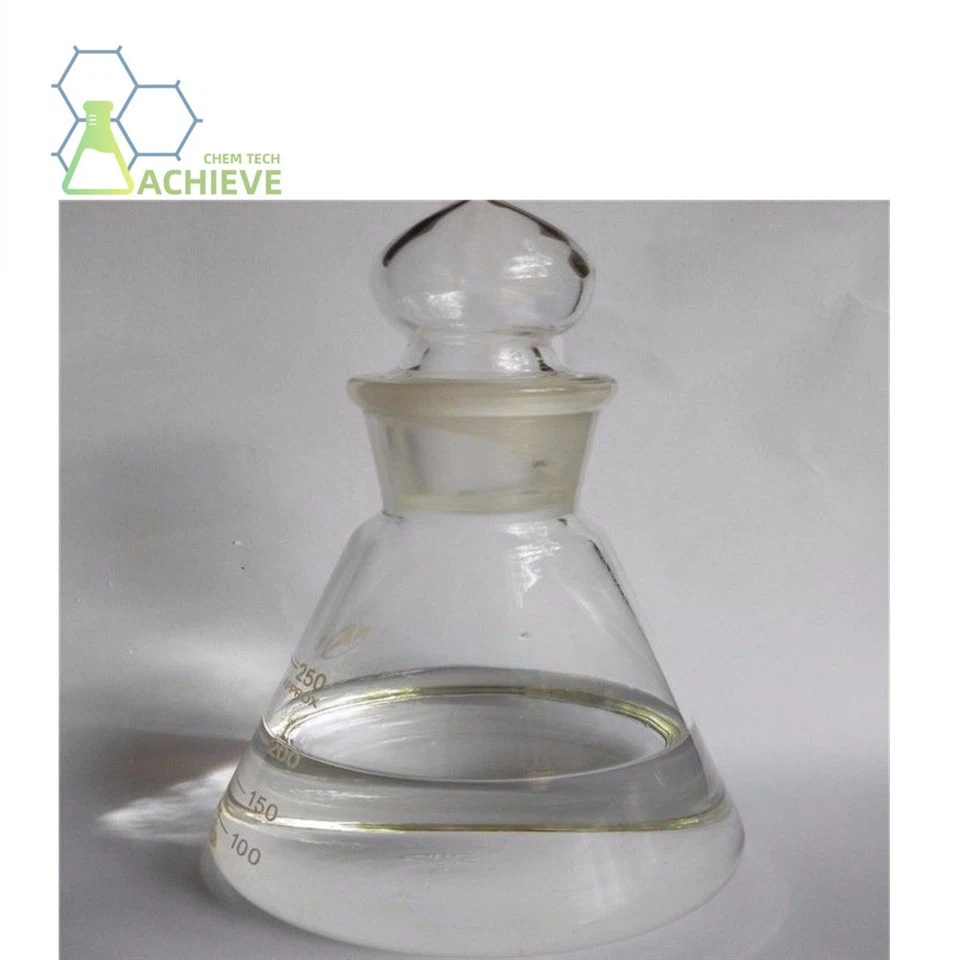
2-Anilinoethanol, also known as N-hydroxyethylaniline or 2-(phenylamino)ethanol, is an organic compound with a variety of applications in the chemical industry. Its CAS number is 122-98-5, and it belongs to the class of amine alcohols. It consists of a phenyl group attached to an aminoethanol moiety, giving it both aromatic and aliphatic properties. It is typically described as a transparent to pale yellow liquid. However, it can also be found as a colorless liquid, depending on purity and conditions. Its density ranges from 1.085 to 1.1±0.1 g/cm³, indicating its relatively low mass per unit volume. The boiling point is 286.9±13.0 °C at 760 mmHg, indicating its moderate volatility. It has a melting point of -30 °C, making it a liquid at room temperature.

|
|
|


| Chemical Formula | C8H11NO |
| Exact Mass | 137.08 |
| Molecular Weight | 137.18 |
|
m/z |
137.08 (100.0%), 138.09 (8.7%) |
| Elemental Analysis | C, 70.04; H, 8.08; N, 10.21; O, 11.66 |

2-Anilinoethanol, also known as N-Phenylethanolamine or N-Hydroxyethylaniline, is a chemical compound with various applications, primarily in the fields of organic synthesis and as a dye intermediate. Below is a detailed introduction to its applications:
1. Organic Synthesis
It serves as an important intermediate in organic chemistry for the synthesis of various organic compounds. Its reactive amine and hydroxyl groups make it a versatile building block for the preparation of more complex molecules.
It can be used in the synthesis of pharmaceuticals, agrochemicals, and other specialized chemicals where specific functional groups are required.


2. Dye Intermediates
This compound is also employed as an intermediate in the production of dyes. Dyes are colorants used to impart color to textiles, plastics, and other materials.
The structural features allow it to undergo further chemical transformations that result in the formation of dye molecules with desired properties such as color strength, fastness, and solubility.
Research and Development (R&D)
While not intended for direct use in consumer products or as a drug, it finds applications in research settings. Scientists use it to explore new chemical reactions, develop new materials, and gain insights into the behavior of amine and hydroxyl-containing compounds.
Its properties, such as solubility in organic solvents and reactivity, make it a valuable tool in laboratory research.

Applications in the Dye Industry
- Serving as a crucial intermediate in the production of dyes. It undergoes chemical transformations to yield dye molecules that exhibit desired properties such as color strength, fastness to light, washing, and perspiration, and solubility in different solvents.
- The versatility allows for the synthesis of a wide range of dyes, including those used in textiles, plastics, leather, paper, and other materials.
- By incorporating it into dye molecules, manufacturers can improve the overall performance of the dyes. This includes enhancing color vibrancy, improving dye penetration into the substrate, and increasing the durability of the color on the final product.
- Compared to traditional dye synthesis methods, the use can potentially lead to more environmentally friendly dye production processes. While the direct impact of using this intermediate on reducing waste and emissions may vary depending on the specific synthesis route, its solubility and reactivity can enable the development of more efficient and sustainable dye manufacturing processes.
- In the dye industry, meeting safety and environmental standards is crucial. As a dye intermediate, can be used to develop dyes that comply with international regulations and standards related to textile colorants, such as those set by the Oeko-Tex Standard 100.
 |
 |
Enhancing dye performance through the addition of chemicals is a crucial process in the textile industry, aimed at achieving superior color vibrancy, fastness, and durability. Here's a brief overview of how this is accomplished:
Firstly, auxiliaries such as surfactants are introduced to improve dye dispersion and penetration into the fabric fibers. These chemicals reduce surface tension, allowing the dye to wet and penetrate the fabric more evenly, thus enhancing color uniformity.
Secondly, fixatives or mordants are employed to bond the dye molecules more securely to the fabric. By creating chemical links between the dye and fiber, fixatives can significantly increase dye fastness to washing, light, and perspiration, ensuring long-lasting color retention.
Moreover, pH adjusters like acids or bases are crucial in optimizing the dyeing environment. The right pH level can enhance dye solubility, improve dye-fiber interaction, and minimize dye hydrolysis, leading to better dye exhaustion and fixation.
Additionally, chelating agents are used to remove metal ions that might interfere with dyeing processes, preventing unwanted color changes and maintaining dye clarity.
Finally, UV absorbers and antioxidants can be added to protect dyed fabrics from environmental degradation, particularly fading caused by sunlight exposure and oxidative stress, respectively.
In summary, the strategic incorporation of these chemicals not only elevates dye performance but also ensures that the final textile product meets high quality standards in terms of color intensity, durability, and overall appearance.
Precautions
Hazard Classification and Warnings
- Acute Toxicity: According to the Globally Harmonized System (GHS) classification, it is considered toxic if swallowed (category 5) and highly toxic via skin contact (category 2). It can cause severe eye damage (category 1) and skin sensitization (category 1).
- Warnings: Hazard warnings such as "Danger," "H303: May be harmful if swallowed," "H310: Fatal if inhaled," "H317: May cause an allergic skin reaction," and "H318: Causes serious eye damage" should be heeded.
Personal Protective Equipment (PPE)
- Eye Protection: Wear tight-fitting safety goggles or glasses that meet official standards like NIOSH (US) or EN 166 (EU).
- Skin Protection: Use appropriate chemical-resistant gloves that are inspected before use. Avoid any skin contact with the product. Remove gloves carefully without touching the outside surface, and wash hands thoroughly after use.
- Clothing: Wear full chemical-resistant work clothing suitable for the specific hazards present in the workplace.
- Respiratory Protection: If the risk assessment indicates the need, use an air-purifying respirator with a full facepiece or an ABEK type filter.
Handling and Storage
- Handling: Avoid inhalation of dust, fumes, gas, mist, vapor, or spray. Do not get it in your eyes, on your skin, or on clothing. Wash hands thoroughly before breaks and immediately after handling.
- Storage: Store in a cool, well-ventilated area away from heat, sparks, and ignition sources. Keep containers tightly closed and away from incompatible materials.
Spill and Leakage Procedures
- In case of spillage or leakage, take immediate steps to prevent further spread and contamination. Use appropriate absorbents to contain the spill and dispose of it according to local regulations.
Disposal
- Dispose and its containers according to local regulations and approved waste disposal methods. Do not dispose of it in drains, sewers, or the environment.
Fire and Explosion Hazards
- Has a flash point of around 151.4°C and an explosion limit of 1-6.8% (V). It is important to keep it away from ignition sources and to take precautions against static electricity and sparks.
Health Hazards
- Exposure to it can cause irritation to the eyes, skin, and respiratory system. Long-term exposure may lead to sensitization and allergic reactions.
Additional Information
- Consult the Material Safety Data Sheet (MSDS) or Safety Data Sheet (SDS) for detailed information on the hazards, precautions, and emergency procedures specific to the product you are using.
- Always follow the instructions and recommendations provided by the manufacturer or supplier.

2-Anilinoethanol (C ₈ H ₁₁ NO), as an important aromatic amine alcohol compound, has wide application value in the fields of dyes, medicine, and materials science. Its discovery history is closely related to the development of aniline chemistry, reflecting the complete scientific exploration process from basic organic synthesis to industrial application. In 1826, German chemist Otto Unverdorben first isolated "Krystalin", later known as aniline, by distilling indigo. This discovery opened the door to the study of aniline chemistry:
Friedrich Runge separates aniline from coal tar
Carl Julius Fritzsche determined its molecular formula as C ₆ H ₇ N
Nikolai Zinin achieved the reduction of nitrobenzene to aniline
In the 1850-1870, with the development of the dye industry, chemists began to systematically study derivatives of aniline:
William Henry Perkin accidentally synthesized Mauvein
Discovery of alkylation, acylation and other reactions of aniline
Adolf von Baeyer studied the condensation reaction of aniline with aldehydes
These works laid a theoretical foundation for the synthesis of 2-anilinylethanol.
adverse reaction
2-Anilinoethanol (CAS number 122-98-5) is an organic compound containing amino and hydroxyl groups. The amino (- NH -) and hydroxyl (- OH) groups in its chemical structure endow it with reactivity, but also become a potential source of toxicity. Amino groups may participate in metabolic reactions within living organisms, producing toxic metabolites; Hydroxyl groups may affect the water solubility and biofilm penetration of compounds, thereby affecting their toxicity performance.
Mechanism and clinical manifestations of acute toxic reactions
Oral toxicity
Animal experiments have shown that the oral LDX value of 2-Anilinoetanol is relatively low, indicating its significant acute oral toxicity. The mechanism of poisoning may involve:
Metabolic activation: Amino groups are oxidized by the liver cytochrome P450 enzyme system to form electrophilic intermediates, which covalently bind to biomolecules such as DNA and proteins, leading to cellular dysfunction.
Gastrointestinal irritation: directly corrodes the digestive mucosa, causing mucosal edema, bleeding, and ulcers. Clinical manifestations include difficulty swallowing (53% of esophageal injury related case reports), pain behind the sternum, persistent vomiting (possibly containing bloody substances), severe dehydration, and electrolyte imbalance
Skin contact toxicity
Skin contact with high concentrations of 2-Anilinoetanol can cause acute poisoning, and its mechanism includes:
Skin barrier disruption: Dissolve lipids in the stratum corneum, disrupt skin integrity, and increase transdermal absorption.
Systemic toxicity: It is absorbed into the bloodstream through skin blood vessels and distributed to metabolic organs such as the liver and kidneys. Clinical manifestations: erythema and edema at the contact site, gradually developing into blisters and bullae, and in severe cases, skin necrosis (requiring skin grafting treatment). Systemic symptoms: headache, dizziness, and blurred consciousness
Eye toxicity
The damage of compounds to the eyes is dose-dependent:
Low dose exposure: causing conjunctival congestion, tearing, and photophobia
High dose exposure: leading to corneal epithelial detachment, stromal edema, and even corneal perforation
Chronic effects: Long term exposure may cause cataracts or retinal lesions
Passive cutaneous anaphylaxis reaction
About 15% -20% of contacts may experience delayed type hypersensitivity reactions, which are caused by:
Hapten action: 2-Anilinoetanol covalently binds to skin proteins to form a complete antigen
T cell-mediated immunity: activates CD4+T cells and releases inflammatory factors (such as IL-17, TNF - α)
Clinical manifestations: Contact dermatitis: erythema, papules, exudation, chronic eczema like changes: skin thickening, lichenification, repeated episodes leading to occupational skin diseases
Hot Tags: 2-anilinoethanol cas 122-98-5, suppliers, manufacturers, factory, wholesale, buy, price, bulk, for sale, Homosalate Solution, Burgess Reagent Synthesis, Carbazochrome