




Shaanxi BLOOM Tech Co., Ltd. is one of the most experienced manufacturers and suppliers of cholesterol powder cas 57-88-5 in China. Welcome to wholesale bulk high quality cholesterol powder cas 57-88-5 for sale here from our factory. Good service and reasonable price are available.
Cholesterol powder is a derivative of cyclopentane dihydrophenanthrene. The chemical formula is C27H46O, CAS 57-88-5. It is a white or light yellow crystal and is the main steroid compound in mammals, playing an important role in basic cellular life activities. It is an important indicator of clinical biochemical examination. Under normal circumstances, the cholesterol synthesized by the body in the liver and ingested from food will be converted into flutin hormone or become a component of the cell membrane, and the concentration of cholesterol in the blood will be kept constant. When severe liver disease occurs, cholesterol concentration will decrease. In patients with yellow pox obstruction and nephrotic syndrome, cholesterol concentration often increases. It is the main steroid compound in the body of mammals and plays an important role in the basic life activities of cells. On October 27, 2017, the International Agency for Cancer Research of the World Health Organization released a preliminary draft of the list of carcinogens, which included cholesterol in the three categories of carcinogens.

|
Morphological |
powder |
|
Color |
powder |
|
Melting point |
148-150 ° C |
|
Boiling point |
360 ° C |
|
Density |
1.06 |
|
Storage conditions |
- 20 ° C |
|
solubility alcohol |
solublesoluble 40 parts of solvent |
|
Acidity coefficient ( pKa ) |
15.03 ± 0.70 (predicted) |
|
Flash point |
250 ° C |
|
Solubility H2O |
0.002 mg / ml |
|
Vapor density |
5.21 (vs air) |
|
Refractive index |
1.5250 (estimated) |
|
|
|
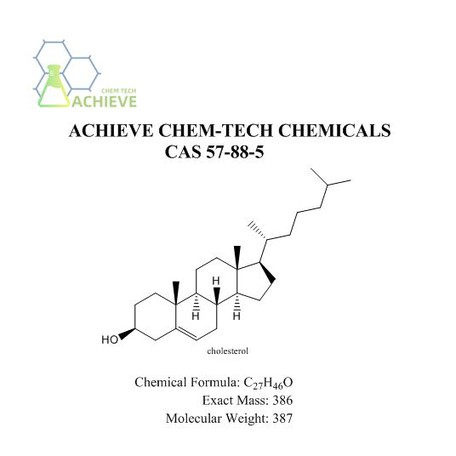
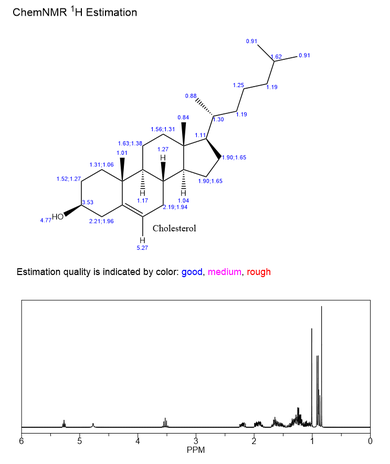

Cholesterol powder is a derivative of cyclopentane dihydrophenanthrene, widely present in animal bodies, especially in high levels in the brain, nerve tissue, liver, kidneys, and skin. As an essential lipid substance for the human body, cholesterol plays an irreplaceable role in maintaining cellular structure, regulating physiological functions, and promoting substance metabolism.
Cholesterol is an important component of the cell membrane, accounting for approximately 20% -25% of membrane lipids. Its rigid steroid nucleus structure is embedded in the phospholipid bilayer, maintaining normal cell morphology and function by regulating the fluidity and stability of the cell membrane.
1. Maintain cell membrane stability
The steroid nucleus structure of cholesterol has hydrophobicity and can be embedded in the hydrophobic region of phospholipid bilayers, reducing the movement between phospholipid molecules and enhancing the rigidity of the cell membrane. At low temperatures, cholesterol can prevent excessive coagulation of cell membranes and maintain membrane fluidity; At high temperatures, it inhibits excessive membrane flow and prevents cell rupture. This bidirectional regulatory effect ensures that cells maintain appropriate morphology and function at different temperatures.


2. Participate in cellular signal transduction
Cholesterol participates in the formation of lipid rafts, which are special regions on the cell membrane rich in cholesterol and sphingomyelin. They can serve as platforms for signaling molecules, promoting cell signaling and material transport. For example, in T cell receptor signaling, lipid raft microdomains enhance signal transduction efficiency by aggregating signaling molecules, which is crucial for immune response.
3. Protect nerve fibers
Cholesterol has a high content in the brain and nerve tissue, and is involved in the formation of myelin sheaths. Myelin sheath is a multi-layered membrane structure that wraps around nerve fibers, mainly composed of lipids and proteins, with cholesterol accounting for over 30% of the lipid components. Myelin accelerates nerve impulse transmission through insulation, while protecting nerve fibers from damage. Lack of cholesterol may lead to myelin sheath formation disorders and trigger neurodegenerative diseases.

Hormone synthesis: a key precursor for regulating physiological functions

Cholesterol is a precursor substance for the synthesis of various steroid hormones, including sex hormones, adrenal cortex hormones, etc. These hormones are transported through the bloodstream to target organs, regulating physiological processes such as growth and development, reproductive function, metabolic balance, and stress response.
1. Sex hormone synthesis
Cholesterol is converted into sex hormones in the gonads (testes and ovaries), including testosterone, estrogen, and progesterone. Testosterone is the main male androgen that promotes sperm production and the development of male secondary sexual characteristics; Estrogen and progesterone regulate the menstrual cycle, pregnancy maintenance, and breast development in women. Abnormal levels of sex hormones may lead to reproductive dysfunction, such as infertility, precocious puberty, or hypogonadism.
2. Adrenal Corticosteroid Synthesis
Cholesterol is converted into adrenal cortical hormones in the adrenal cortex, including glucocorticoids (such as cortisol) and mineralocorticoids (such as aldosterone). Cortisol maintains blood glucose stability and stress response by regulating glucose metabolism, protein metabolism, and fat metabolism; Aldosterone regulates water salt balance, promotes sodium ion reabsorption and potassium ion excretion. Insufficient secretion of adrenal cortex hormones may lead to adrenal cortex dysfunction, manifested as fatigue, hypotension, and electrolyte imbalance.
3. Synthesis of Vitamin D Derivatives
Cholesterol is converted into vitamin D3 by UV irradiation in the skin, which is hydroxylated into active vitamin D (1,25-dihydroxyvitamin D3) in the liver and kidneys. Active vitamin D maintains bone health by promoting intestinal calcium and phosphorus absorption and bone calcium mobilization. Lack of vitamin D can lead to rickets in children and osteoporosis in adults.

Bile acid generation: a core substance that promotes fat digestion and absorption

Cholesterol is converted into bile acids in the liver, which are key substances for digesting fat and absorbing fat soluble vitamins. Approximately 500 milligrams of cholesterol are used daily for bile acid synthesis, accounting for over 75% of liver cholesterol metabolism.
1. Emulsified fat
Bile acids have amphiphilicity (both hydrophilic and lipophilic), which can bind with fats to form micelles, increase the contact area between fats and lipases, and promote the breakdown of fats into glycerol and fatty acids. This process is a crucial step in fat digestion, and a lack of bile acids can lead to fat diarrhea (fat indigestion).
2. Promote the absorption of fat soluble vitamins
Bile acids help dissolve fat soluble vitamins (A, D, E, K) in the aqueous phase by forming micelles, thereby promoting their absorption in the small intestine. For example, the absorption of vitamin D depends on the formation of microgels from bile acids, and a lack of bile acids may lead to vitamin D deficiency.
3. Excretion of excess cholesterol
After bile acids are discharged into the intestine with bile, about 95% are reabsorbed back into the liver (enterohepatic circulation), and the remaining 5% are excreted with feces. This process not only recovers bile acids, but also excretes some cholesterol through feces, which helps maintain cholesterol balance in the body.

Vitamin D synthesis: an important pathway for maintaining bone health

Cholesterol in the skin is converted into vitamin D3 through ultraviolet radiation, which is then metabolized by the liver and kidneys into active vitamin D, which is crucial for calcium and phosphorus metabolism and bone health.
1. Promote calcium and phosphorus absorption
Active vitamin D induces the synthesis of calcium binding proteins and calcium transporters by binding to intestinal vitamin D receptors, promoting intestinal absorption of calcium and phosphorus. This process is crucial for maintaining blood calcium stability, as a lack of active vitamin D can lead to hypocalcemia, causing muscle spasms and seizures.
2. Regulating bone metabolism
Active vitamin D maintains bone mass balance by promoting bone calcium mobilization and bone formation. During childhood, active vitamin D promotes bone growth and mineralization; In adulthood, it inhibits bone resorption and prevents osteoporosis. Long term vitamin D deficiency can lead to rickets in children and osteomalacia in adults.
3. Enhance immunity
Active cholesterol powder enhances the body's immunity by regulating the function of immune cells. For example, active vitamin D can inhibit excessive activation of T cells and reduce the occurrence of autoimmune diseases; Simultaneously promoting the differentiation of monocytes into macrophages and enhancing their ability to resist infections.

Other applications: Extended value in the fields of industry and scientific research

In addition to physiological functions, cholesterol also has important applications in industrial production and scientific research, including as an emulsifier, thickener, and research model molecule.
1. Application in the food industry
Cholesterol can be used as an emulsifier and thickener in the production of dairy products, salad dressings, frozen foods, and meat products. Its emulsifying effect can improve the texture and taste of food, for example, adding cholesterol to chocolate can prevent fat crystallization and maintain product smoothness. The amount of cholesterol added to food is generally 0.01% -0.5%, and the specific dosage needs to be adjusted according to the type and formula of the food.
2. Application in scientific research field
Cholesterol is often used as a model molecule in cell biology research to study cell membrane structure, signal transduction, and substance transport mechanisms. For example, by constructing an artificial membrane model containing cholesterol, the physical and chemical properties of cell membranes can be simulated to explore the effects of cholesterol on membrane fluidity and protein function. In addition, cholesterol can also be used to prepare new materials such as liposomes and nano drug carriers, providing carriers for drug delivery systems.


3. Industrial product preparation
Cholesterol can be used to prepare industrial products such as surfactants and lubricants. For example, cholesterol derivatives can be used as non-ionic surfactants in the production of cosmetics and detergents; Its lubrication performance can be used for lubrication of mechanical components. The amount of cholesterol added in industrial products is generally low (<0.1%), and the specific dosage needs to be determined according to product performance requirements.

We are the manufacturer of Cholesterol powder
Remark: BLOOM TECH(Since 2008), ACHIEVE CHEM-TECH is the subsidiary of us.
Standard intake:
Cholesterol mainly comes from the body's own synthesis, and cholesterol in food is a secondary supplement. For example, a 70kg adult has approximately 140g of cholesterol in their body, with approximately 1g updated daily. 4/5 of this is metabolized in the body, and only 1/5 needs to be supplemented with food. Each person can consume 200mg of cholesterol from food daily to meet their physical needs. The absorption rate of cholesterol is only 30%, and as the cholesterol content in food increases, the absorption rate will also decrease. 200mg is approximately equivalent to the cholesterol content in one egg or the cholesterol absorption amount in 3-4 eggs. Experts recommend consuming 50mg to 300mg of cholesterol per day.
Cholesterol exists in lipoprotein in the blood, and its forms include high-density lipoprotein cholesterol, low-density lipoprotein cholesterol and very low-density lipoprotein cholesterol. The vast majority of cholesterol in blood is cholesterol ester bound to fatty acids, and only less than 10 % of cholesterol exists in free state. High-density lipoprotein helps remove cholesterol from cells, while excess low-density lipoprotein is generally considered a precursor to cardiovascular disease. Blood cholesterol levels per unit between 140 ~ 199 mg, is relatively normal cholesterol levels. Cholesterol is composed of a steroid part and a long side chain. The total cholesterol in the human body accounts for about 0.2 % of the body weight. In each 100 g tissue, the bone content is about 10 mg, the skeletal muscle content is about 100 mg, and the visceral content is mostly between 150 and 250 mg. The liver and skin content is slightly higher, about 300 mg. The content in brain and nerve tissue is the highest, about 2 grams per 100 grams of tissue, accounting for about 1 / 4 of the total body.
Hot Tags: cholesterol powder cas 57-88-5, suppliers, manufacturers, factory, wholesale, buy, price, bulk, for sale, epinephrine hydrochloride powder, cholesterol powder, D Pantothenic Acid Hemicalcium Salt CAS 137 08 6, ciprofloxacin powder, Methylergonovine Maleate Salt CAS 57432 61 8, Medetomidine hydrochloride