



Announcement
This chemicals was banned to sell, our website only can check the basic info. of chemicals here, we don't sell them!
July 3, 2026
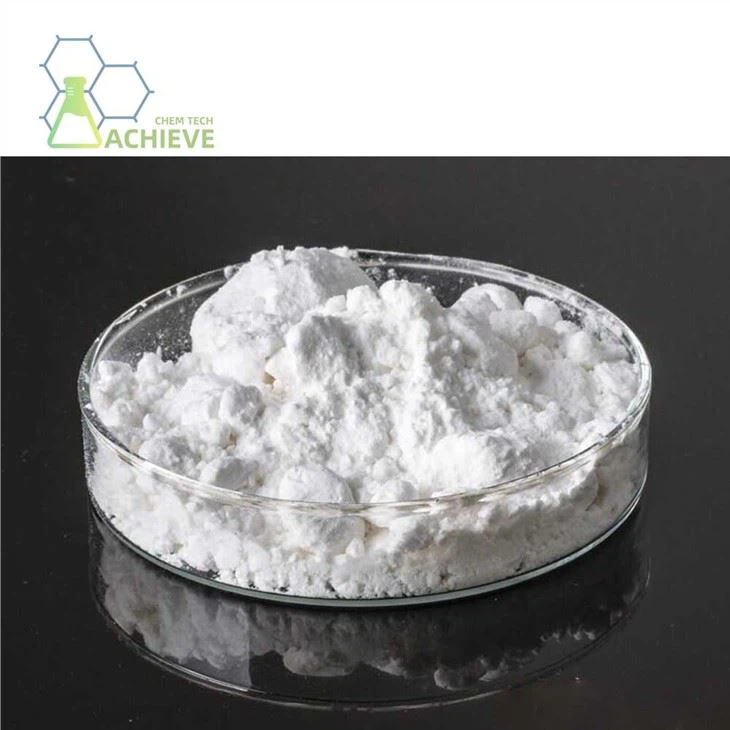
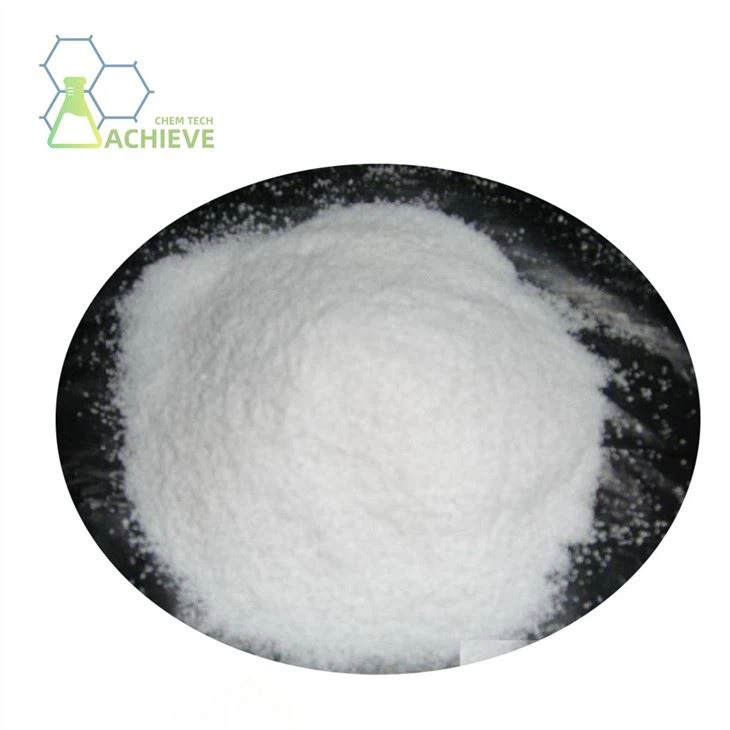
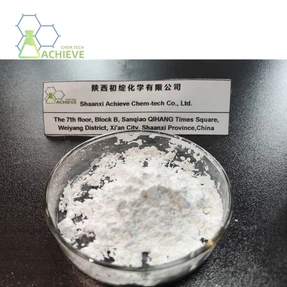
Lidocaine hydrochloride powder is mainly characterized by its easy penetration into the mucosa, so it is often used on the mucosal surface, and can also be used for intraspinal block and nerve block. Lidocaine Hydrolide, Molecular formula: C14H22N2O · HCl, CAS 73-78-9, molecular weight: 270.8 g/mol. It is a white crystalline powder with no odor or slight special odor. At room temperature, the solubility in water is high, about 50 mg/mL, and it can also be dissolved in polar organic solvents such as ethanol, acetone and methanol, but it is low in non-polar solvents such as Petroleum ether, chloroform and dichloromethane. The form of hydrochloride is acidic, and its aqueous solution is in the acidic pH range. The pH value is usually between 4.0 and 5.5, depending on the solution concentration and temperature. Its terminal drugs can be used as surface anesthetics, non blocking local anesthetics, and arrhythmia treatment drugs, but the specific use needs to be determined according to the specific situation. However, please note that the products produced by Shaanxi Achieve chem-tech Co.,Ltd are primary chemicals and are only used for scientific research purposes. Other uses are prohibited.

|
CF |
C14H23ClN2O |
|
EM |
264 |
|
MW |
270.8 |
|
m/z |
264 (100.0%), 265 (16.2%), 266 (1.2%) |
|
EA |
C, 68.15; H, 9.15; N, 10.60; O, 12.10 |
Addition information: Melting point 149 ° C, Density 1.1279 (rough estimate), Refractive index 1.5200 (estimated), Storage conditions 2-8 ° C, Solubility:solublesoluble 40 parts of solvent, Morphological neat.
This compound is composed of several important structural units, each responsible for different pharmacological activities and functions.
|
|
|
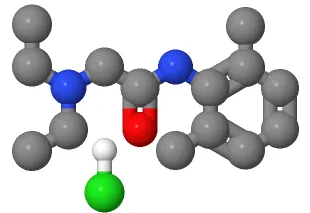
Benzene ring structure:
The molecule of lidocaine hydrochloride powder contains an aromatic benzene ring structure. The benzene ring is a six membered ring structure with strong stability and Conjugated system. This benzene ring structure plays a role in transferring Electronic effect, enhancing stability and providing steric hindrance in the molecule of Lidocaine Hydrochloride.
Amino structure:
The molecule of Lidocaine Hydrochloride contains two amino groups. One of the amino groups is located on the benzene ring and is called an aromatic amino group. The other amino group is located on the amide group and is called the amide amino group. The amino structure plays an important role in drug molecules, as it can form hydrogen bonds with other molecules and bind to receptors or ligands.
Amide group:
The molecule of Lidocaine Hydrochloride contains an amide group, consisting of a carbon atom and an oxygen atom. The amide group is one of the key components of the pharmacological activity of Lidocaine Hydrochloride, which inhibits the conduction of nerve impulses by interacting with sodium channels in nerve cells.
Lidocaine hydrochloride powder, Strong effect, strong penetration, fast. Used for various anesthesia, but also for the treatment of arrhythmia. Can also be used in patients with status epilepticus other anticonvulsant drugs ineffective.
Sodium channel blockade effect: Lidocaine Hydrochloride blocks the conduction of nerve impulses by binding to sodium channels on the nerve cell membrane and inhibiting their activity. It delays the formation and propagation of nerve impulses by preventing sodium ions from entering nerve cells. This sodium channel blockade prevents pain signals from being transmitted to the brain, thus achieving local anesthesia effects.
Lidocaine hydrochloride is a drug with multiple medical uses, mainly including the following aspects:
Technology First
We offer a variety of transmission components
Local anesthesia:
Lidocaine hydrochloride is a local anesthetic with good tissue penetration and diffusion, which can achieve analgesic and anesthetic effects by reducing the sensitivity of nerve endings. It is suitable for various local anesthetics, such as infiltration anesthesia, epidural anesthesia, surface anesthesia, and nerve conduction block, and can be used to alleviate pain caused by tissue damage during surgery.
Anti arrhythmic effects:
Lidocaine hydrochloride has an anti arrhythmic effect, which can block the sodium ion channels of the heart, reduce autonomy and conductivity, prolong refractory period, and treat arrhythmias such as ventricular premature beats and ventricular tachycardia after acute myocardial infarction. In addition, it can also be used for digitalis poisoning, ventricular arrhythmias caused by cardiac surgery, and cardiac catheterization.
Other purposes:
It can also be used for intravenous administration of arrhythmia and for ventricular tachycardia or fibrillation caused by acute myocardial infarction, surgical procedures, digitalis poisoning, and cardiac catheterization.
In some cases, it can also be used to relieve neuropathic pain, inflammatory pain, etc.
Scientific research and experimentation:
It is also widely used in scientific research and experimental fields. For example, in cell culture experiments, it can be used as an anesthetic to reduce cellular stress responses; In animal experiments, it can be used to study anesthesia mechanisms, nerve conduction, and so on.
What are the side effects of this compound?
Lidocaine hydrochloride powder is a local anesthetic, and its side effects typically include but are not limited to the following:
|
|
|
|
|




Mild side effects
- Local side effects: Mild pain, redness, swelling, or itching may occur at the injection site.
- Systemic side effects: including hypotension, palpitations, nausea, and vomiting.
Central nervous system side effects
Due to its impact on the central nervous system, symptoms such as dizziness, vertigo, headache, metallic smell, cold sweat, tremors, excitement, drowsiness, or blurred consciousness may occur.
Cardiovascular system side effects
Cardiovascular side effects include arrhythmia, cardiac arrest, etc., especially when used excessively.
allergic reaction
Although rare, it may cause allergic reactions such as rash, urticaria, bronchospasm, etc.
|
|
|
|
|


neurotoxicity
When high-dose or mistakenly injected into blood vessels, neurotoxic symptoms such as visual or auditory impairments, muscle spasms, epileptic seizures, etc. may occur.
Long term side effects of use
Long term use or abuse may lead to increased tolerance, dependence, or addiction.
Side effects when used by children
When used in children, it may mask pain signals, leading to inaccurate assessment of pain.
Cover up Bitter Taste
In dental surgery, its bitterness may affect the patient's acceptance, so sometimes measures are taken to mask its bitterness.

1.Market demand growth
Expanding demand in the medical field
With the continuous advancement of medical technology and the increasing demand for medical services, the market demand for local anesthesia and antiarrhythmic drugs continues to grow. As an important component of these two drugs, its market demand will also increase accordingly.
Population aging trend
With the intensification of global population aging, the number of patients with cardiovascular diseases and requiring surgery is constantly increasing. This will further promote the application of the substance in the medical field and drive its market demand growth.
2.Technological progress and innovation
New drug development and improvement
With the continuous advancement of new drug development technology, it may be combined with other drugs or improved in dosage form to enhance its efficacy and reduce side effects. This will bring new market opportunities for the substance.
Production process optimization
By improving production processes and increasing production efficiency, its production costs can be reduced, thereby enhancing its market competitiveness. Meanwhile, optimizing the production process can also improve the purity and stability of the product, ensuring its quality and safety.
3.Policy and regulatory support
Drug approval acceleration
With the simplification and acceleration of drug approval processes by governments around the world, the speed of market launch for new drugs such as lidocaine hydrochloride powder will accelerate. This will provide more market opportunities and broad development space for pharmaceutical manufacturers.
Intellectual property protection
Governments around the world have strengthened their efforts to protect intellectual property, providing better legal protection for drug research and production enterprises. This will encourage more companies to invest in the research and production of these new drugs, driving their market development.
4.Market competition and challenges
Intense market competition
With the continuous expansion of the product market, more and more companies are entering this field. Market competition will become more intense, and companies need to continuously improve product quality and service levels to win market share.
Environmental protection and sustainable development requirements
With the increasing global awareness of environmental protection, pharmaceutical manufacturers need to pay more attention to environmental protection and sustainable development. In the production process, it is necessary to adopt more environmentally friendly production processes and raw materials to reduce pollution and damage to the environment.
Adverse Effects and Safety Considerations
Local Reactions: Common side effects at the application site include transient redness, swelling, or a burning sensation. These are usually mild and self-limiting. Allergic reactions to lidocaine are rare but may manifest as urticaria, angioedema, or anaphylaxis. Patch testing is recommended in patients with a history of amide local anesthetic allergy.
Systemic Toxicity: Systemic toxicity may occur with excessive doses or unintentional intravascular injection. Symptoms progress from central nervous system (CNS) excitation (circumoral numbness, tinnitus, dizziness, seizures) to CNS depression (coma, respiratory arrest). Cardiovascular toxicity manifests as hypotension, bradycardia, or ventricular arrhythmias.
Methemoglobinemia: Although rare, lidocaine can induce methemoglobinemia, particularly in patients with glucose-6-phosphate dehydrogenase (G6PD) deficiency or those receiving other oxidizing agents. Symptoms include cyanosis, shortness of breath, and headache. Methylene blue is the antidote of choice.
Drug Interactions:
Lidocaine interacts with several medications, necessitating dose adjustments or close monitoring:
CYP3A4 inhibitors (e.g., erythromycin, fluconazole): Increase lidocaine plasma levels, raising the risk of toxicity.
CYP3A4 inducers (e.g., rifampin, phenytoin): Decrease lidocaine levels, potentially reducing efficacy.
Beta-blockers: May potentiate the hypotensive effects of lidocaine.
Antiarrhythmics: Concurrent use with other antiarrhythmic drugs increases the risk of proarrhythmia.
Contraindications:
Lidocaine is contraindicated in patients with:
Hypersensitivity to amide local anesthetics.
Severe hepatic dysfunction (relative contraindication for systemic use).
Adam-Stokes syndrome (except in life-threatening arrhythmias).
Wolff-Parkinson-White syndrome with preexcitation (may worsen arrhythmias).
Lidocaine hydrochloride powder remains an indispensable tool in modern medicine, offering rapid and effective pain relief as well as life-saving antiarrhythmic therapy. Its versatility, coupled with a well-established safety profile when used appropriately, underscores its continued relevance across diverse clinical settings. However, the potential for systemic toxicity necessitates careful dosing, close monitoring, and awareness of drug interactions. By adhering to evidence-based guidelines, healthcare providers can maximize the benefits of lidocaine while minimizing risks, ensuring optimal patient outcomes.
As research continues to explore novel formulations and delivery systems, lidocaine hydrochloride powder is poised to remain a cornerstone of therapeutic interventions for years to come.
Hot Tags: lidocaine hydrochloride powder cas 73-78-9, suppliers, manufacturers, factory, wholesale, buy, price, bulk, for sale, filgotinib, chondroitin sulfate powder, epinephrine powder, Oxytocin powder, Daidzin, Alizarin Red Powder CAS 130 22 3