




Paclitaxel powder (PTX) is a highly efficient, low toxicity, and broad-spectrum natural anti-cancer drug with the molecular formula C47H51NO14 and CAS 33069-62-4. It has been widely used in the treatment of breast cancer, ovarian cancer, some head and neck cancer and lung cancer clinically. Paclitaxel, as a diterpenoid alkaloid compound with anticancer activity, has attracted great attention from botanists, chemists, pharmacologists, and molecular biologists due to its novel and complex chemical structure, extensive and significant biological activities, novel and unique mechanism of action, and scarce natural resources, making it a world-renowned anti-cancer star and research focus in the second half of the 20th century.
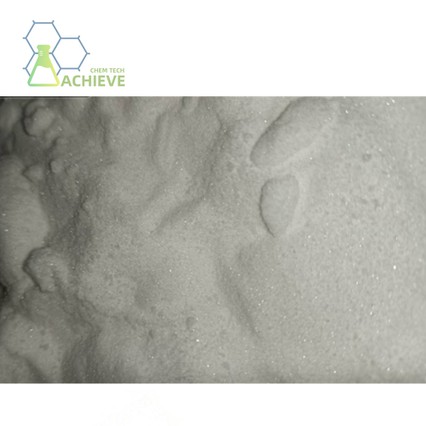
The relative molecular weight is 853.91. Paclitaxel is a white crystalline powder that is odorless, tasteless, and insoluble in water. It is easily soluble in organic solvents such as methanol, acetonitrile, chloroform, and acetone, and almost insoluble in water. Currently, clinical formulations use a 50:50 solution of polyoxyethylene castor oil (Cremophor EL) and anhydrous ethanol (v/v) as the solvent. Paclitaxel is prone to non-specific binding with the surface of glass or plastic in solution, resulting in a decrease in concentration.
Paclitaxel, known as a chemotherapy drug, can inhibit the proliferation of cancer cells by inducing cell cycle arrest and inducing mitotic disasters. As is well known, paclitaxel can induce various cell deaths in cancer. In addition to inducing mitotic disasters during mitosis, paclitaxel has been shown to induce the expression of several pro apoptotic mediators and regulate the activity of anti apoptotic mediators.

|
|
|


Paclitaxel is a natural anti-tumor drug extracted from the bark of Taxus chinensis. Since its discovery in 1962, it has become one of the core drugs in the field of cancer treatment due to its unique anti-cancer mechanism and wide clinical applications. Its mechanism of action stabilizes microtubule structure, blocks tumor cell mitosis, and has significant therapeutic effects on various malignant tumors.
It is the first chemotherapeutic drug of natural plant origin approved by FDA. Its core indications cover three high incidence malignant tumors: ovarian cancer, breast cancer, and non-small cell lung cancer, and gradually expand to solid tumor fields such as head and neck cancer, esophageal cancer, and cervical cancer.
1. Ovarian cancer: dual role of first-line treatment and recurrence rescue
Ovarian cancer was the earliest approved indication for paclitaxel. Clinical studies have shown that the combination of platinum based drugs, such as carboplatin, can significantly prolong the progression free survival of patients with advanced ovarian cancer. For platinum resistant ovarian cancer, the objective response rate of monotherapy is 20% -30%, making it the standard rescue plan for recurrent patients.


Its mechanism of action is to inhibit microtubule depolymerization, block tumor cell division cycle, and exhibit selective toxicity, especially towards rapidly proliferating tumor cells.
2. Breast cancer: full cycle coverage from adjuvant treatment to metastatic cancer
It occupies a core position in the treatment of breast cancer. For adjuvant treatment of lymph node positive breast cancer, the combination of anthracycline drugs (such as doxorubicin) can reduce the recurrence risk by 50%; For metastatic breast cancer, as a second-line treatment drug, the objective remission rate of anthracycline resistant patients can still be 30% -40%. Its dosage form innovation (such as albumin binding paclitaxel) further improved the efficacy and showed better survival benefits in triple negative breast cancer subtypes.
3. Non small cell lung cancer: standardized regimen for combination chemotherapy
Combination platinum drugs (such as cisplatin) are the first-line chemotherapy regimen for non-small cell lung cancer (NSCLC), especially suitable for advanced or metastatic patients. Research has shown that this approach can prolong the median survival of patients to 10-12 months, and is more effective than adenocarcinoma in treating subtypes of squamous cell carcinoma. By inhibiting tumor angiogenesis and synergistically enhancing anti-tumor effects with platinum based drugs, it has become an important component of comprehensive treatment for lung cancer.


4. Other solid tumors: expanding application boundaries
It has also shown therapeutic effects in fields such as head and neck tumors, esophageal cancer, and cervical cancer. For example, in locally advanced head and neck squamous cell carcinoma, the TPF regimen of paclitaxel combined with cisplatin and fluorouracil can significantly improve local control rate; In chemotherapy for esophageal cancer, the DC regimen combined with cisplatin has become the standard choice for advanced patients. In addition, exploratory research is also underway on rare tumors such as Kaposi's sarcoma and gastric cancer.
The application is not limited to traditional chemotherapy, but also reflects the practical direction of precision medicine in special populations, drug-resistant patients, and new formulations.
1. Treatment for special populations: dose adjustment and risk management
Elderly patients: For ovarian cancer patients over 70 years old, a weekly monotherapy regimen (such as 60mg/m ² once a week) can reduce the risk of bone marrow suppression while maintaining efficacy.
Patients with liver dysfunction: Mild liver dysfunction patients need to reduce the dose by 20% -30%, while severe liver dysfunction patients should avoid using it to avoid neurotoxicity caused by drug accumulation.


Pregnant women: It has embryotoxicity and is contraindicated for pregnant and lactating women. Strict contraception is required until 6 months after the end of chemotherapy.
2. Treatment of drug-resistant patients: mechanism exploration and program optimization
For platinum resistant ovarian cancer, the combination of gemcitabine or bevacizumab can overcome some resistance mechanisms and increase the objective response rate to 40% -50%. For triple negative breast cancer, the combination of immunochemotherapy with immunocheckpoint inhibitors (such as pabolizumab) can significantly prolong the progression free survival period by enhancing T cell infiltration.
3. Application of new formulations: improving efficacy and safety
Albumin bound paclitaxel: It combines paclitaxel with albumin through nanotechnology, reduces solvent related toxicity, allows higher dose administration (such as 260mg/m2 every 3 weeks), and shows efficacy in refractory tumors such as pancreatic cancer and melanoma.
Paclitaxel liposomes: using liposome encapsulation technology to reduce the distribution of drugs in normal tissues, minimize allergic reactions and neurotoxicity, suitable for patients with allergies.
Paclitaxel polymer micelles: form nano micelles through polymer materials, extend the half-life of drugs, and achieve long-term sustained release. It has potential in the maintenance treatment of lung cancer and breast cancer.

Mechanism of action:
In 1979, Dr. Horwitz, a molecular pharmacologist at the Einstein College of Medicine in the United States, elucidated the unique anti-tumor mechanism of paclitaxel: paclitaxel can cause the dynamic balance of microtubule proteins and microtubule dimers that make up microtubules to be lost, induce and promote microtubule protein polymerization, microtubule assembly, and prevent depolymerization, thereby stabilizing microtubules and inhibiting cancer cell mitosis and triggering apoptosis, effectively preventing cancer cell proliferation and exerting anti-cancer effects.
In fact, microtubule proteins closely related to cell mitosis are almost universally present in all eukaryotic cells, and they can reversibly aggregate into microtubules, which are required for chromosome separation. Microtubules are a component of the cytoskeleton that are distributed throughout the cytoplasm of cells. It has the dynamic characteristics of aggregation and dissociation, and plays an important role in maintaining cell morphology, cell division, signal transduction, and substance transport. Microtubules maintain the structure of cells and form the cytoskeleton together with microfilaments and intermediate fibers.


They also form the internal structure of cilia and flagella, providing a platform for intracellular transport and participating in various cellular processes, including the movement of secretory vesicles, organelles, and intracellular substances. In addition, they also participate in cell division (mitosis and meiosis), including the formation of spindles and the pulling apart of eukaryotic chromosomes. After mitosis, these microtubules dissociate again into microtubule proteins. The brief disintegration of imitation hammer shaped microtubules can preferentially kill abnormally dividing cells.
Some important anti-cancer drugs, such as colchicin, vinblastine, vincristine, etc., exert anti-tumor effects by preventing microtubule protein reprogramming. Contrary to anti mitotic anti-tumor drugs, paclitaxel was the first drug discovered to interact with microtubule protein aggregates, stabilizing them by tightly binding to microtubules. It was also found to have good effects on various solid tumor cells. This new discovery has attracted more biologists to use paclitaxel as a biomedical research tool, exploring unknown areas of cell activity and discovering new methods for anti-cancer drugs.


Paclitaxel powder is a natural secondary metabolite separated and purified from the bark of the gymnosperm Taxus chinensis, which has been clinically verified to have good anti-tumor effects, especially for ovarian cancer, uterine cancer and breast cancer with a high incidence rate of cancer. Paclitaxel is the most popular anti-cancer drug in the international market in recent years and is considered one of the most effective anti-cancer drugs for humans in the next 20 years.
In recent years, the population and cancer incidence on Earth have experienced explosive growth, and the demand for paclitaxel has also significantly increased. The paclitaxel required for clinical and scientific research is mainly extracted directly from the Chinese yew. Due to the relatively low content of paclitaxel in the plant body (only 0.069% is recognized as the highest content in the bark of the short leaved Chinese yew), about 13.6 kg of bark can produce 1 g of paclitaxel. Treating an ovarian cancer patient requires 3-12 red yew trees that are over a hundred years old, which has led to a large amount of logging of the Chinese yew, causing this precious tree species to be on the brink of extinction. In addition, the resources of Taxus are very scarce, and the growth of Taxus plants is slow, which poses great difficulties for the further development and utilization of paclitaxel.
The biosynthetic pathway of paclitaxel has been largely elucidated, consisting of approximately 20 enzymatic steps from the common diterpenoid precursor coumarin diphosphate to paclitaxel itself. This complex process can be divided into three parts: the source and formation of the taxane core, modification of the taxane core skeleton, synthesis of ß - phenylpropanoid CoA side chains, and assembly of paclitaxel. Although chemical synthesis has been completed, it lacks industrial significance due to strict requirements, low yield, and high funding. The semi synthetic method of paclitaxel is now relatively mature and is considered an effective way to expand the sources of paclitaxel in addition to artificial cultivation. The semi synthetic method can maximize the utilization of plant resources, but it is not fundamentally different from the direct extraction of paclitaxel, which requires the consumption of a large number of Taxus trees and still cannot fundamentally solve the problem of plant scarcity. Obviously, the extraction of paclitaxel from the tissues of Taxus chinensis plants is greatly limited, and finding new ways to obtain paclitaxel is of great significance.
Botanist Arthur S. Barclay collected bark from a Pacific yew tree in the forest north of Parkwood, Washington, and collected materials from over 200 different plants. These samples were sent to the Wisconsin Alumni Research Foundation to prepare crude extracts for testing on oral epidermal like cancer cell cultures.
It was discovered during cell viability testing that one of the tree samples exhibited cytotoxicity.
The fractionation and separation laboratory located in the Triangle Research Park in North Carolina, led by Monroe E. Wall, began studying fresh samples of Taxus chinensis.
The active ingredient was isolated.
Their discovery was announced at the American Chemical Society meeting held in Miami Beach.
The pure active extract was named Taxol.
Shanghai Yizhong announced that paclitaxel micelles are widely used in the treatment of various solid tumors, and the approved indication is first-line treatment for non-small cell lung cancer; The phase III clinical trial of breast cancer with paclitaxel micelles has been approved by the Food and Drug Administration.
A team from Northwestern University School of Medicine reported the results of a Phase I human clinical trial, in which they used a novel cranial implantable ultrasound device to open the blood-brain barrier and repeatedly penetrate chemotherapy drugs into large key areas of the human brain to enhance treatment efficacy. The research results were published in the latest issue of The Lancet Oncology. The 4-minute procedure to open the blood-brain barrier is performed when the patient is awake and can return home a few hours later. The results indicate that the treatment is safe and well tolerated, and opening the blood-brain barrier leads to an increase in drug concentration in the human brain by approximately 4-6 times. Scientists observed this increase using two different potent chemotherapy drugs, paclitaxel and carboplatin.
Albumin bound paclitaxel is a novel paclitaxel powder formulation that has been applied in the treatment of various solid tumors. This drug has a strong anti-tumor effect and is currently used in the treatment of ovarian cancer, breast cancer, pancreatic cancer and other diseases. However, it has severe neurotoxicity and can cause peripheral neuropathy. Patients often express numbness and burning pain in their hands and feet, which may lead to treatment interruption in severe cases. So far, there has been no effective prevention and treatment method.
FAQ
'lt is awesome to work with Creative. amazingy organized,easy to communicate with. responsive with next iterations,and beautiful work.
What type of chemotherapy is paclitaxel?
Taxol (chemical name: paclitaxel) is a chemotherapy drug. Taxol is a taxane chemotherapy drug. It is used to treat both early-stage breast cancer and advanced, or metastatic, breast cancer. Other taxanes used to treat breast cancer include nab-paclitaxel (Abraxane) and docetaxel (Taxotere).
What is the mechanism of action of paclitaxel?
Paclitaxel works by stabilizing microtubules, preventing their disassembly, which leads to cell cycle arrest and eventual cell death. It binds to the beta-tubulin subunits of microtubules, promoting the formation of stable, non-functional microtubule bundles and disrupting the dynamic processes of cell division, like forming the mitotic spindle. This disruption causes cancer cells to get stuck in the G2/M phase of the cell cycle.
How long can you stay on paclitaxel?
Depending on your cancer type you might have up to 8 cycles which can take up to 6 months. Your doctor, nurse, or pharmacist will explain your treatment plan to you and what to expect. You have paclitaxel as a drip into your bloodstream over 3 hours (intravenously).
Hot Tags: paclitaxel powder cas 33069-62-4, suppliers, manufacturers, factory, wholesale, buy, price, bulk, for sale, CAS 1955546 91 4, Consumable, dibenzo b d furan 1 amine, CAS 942615 32 9, Benzo b naphtho 1 2 d furan 9 bromo , Indolo 3 2 a carbazole 12 1 1 biphenyl 3 yl 5 12 dihydro 5 1 1 3 1 terphenyl 3 yl