

Hey there! As a supplier of synthetic chemicals, I've seen firsthand the increasing use of these substances in fire retardants. But with all the talk about the safety of the chemicals in these products, I've been thinking a lot about how they affect our health. So, let's dig into it and see what's going on.
What Are Synthetic Chemicals in Fire Retardants?

Fire retardants are substances used to slow down or prevent the spread of fire. They can be found in all sorts of things, like furniture, carpets, electronics, and even clothing. Synthetic chemicals are often used in these products because they're effective at reducing flammability. Some common synthetic chemicals in fire retardants include brominated flame retardants (BFRs), chlorinated flame retardants, and organophosphorus compounds
How Do They Enter Our Bodies?
The scary thing is that these synthetic chemicals can get into our bodies in a bunch of ways. One of the main routes is through dust. We can inhale or ingest these chemicals when we breathe in dust particles or when we touch surfaces covered in dust and then put our hands in our mouths. Since fire retardants are used in so many household items, dust in our homes can be a major source of exposure.
Another way is through consumer products. As these products age and break down, the chemicals can be released into the environment around us. For example, if you have a piece of furniture with fire - retardant chemicals, over time, those chemicals can seep out and be in the air or on the surface of the furniture.

Health Effects of Synthetic Chemicals in Fire Retardants
Hormonal Disruption
Many synthetic chemicals in fire retardants are known as endocrine disruptors. This means they can interfere with our hormonal system. For example, some brominated flame retardants can mimic or block the action of thyroid hormones. Thyroid hormones are super important for regulating our metabolism, growth, and development. When these hormones are disrupted, it can lead to a whole range of problems, including weight gain, fatigue, and even issues with brain development in children.
Neurological Effects
There's also evidence that these chemicals can affect our nervous system. Some studies have shown that exposure to certain fire - retardant chemicals may be linked to learning and memory problems, as well as behavioral issues. For kids, this can be especially concerning because their brains are still developing. Even low - level exposure over a long period could potentially have a negative impact on their cognitive development.
Cancer Risk
Some synthetic chemicals in fire retardants are suspected carcinogens. For instance, certain chlorinated flame retardants have been classified as possible human carcinogens by some health organizations. Although more research is needed to fully understand the link between these chemicals and cancer, the potential risk is definitely something to be worried about.
Specific Synthetic Chemicals and Their Impact
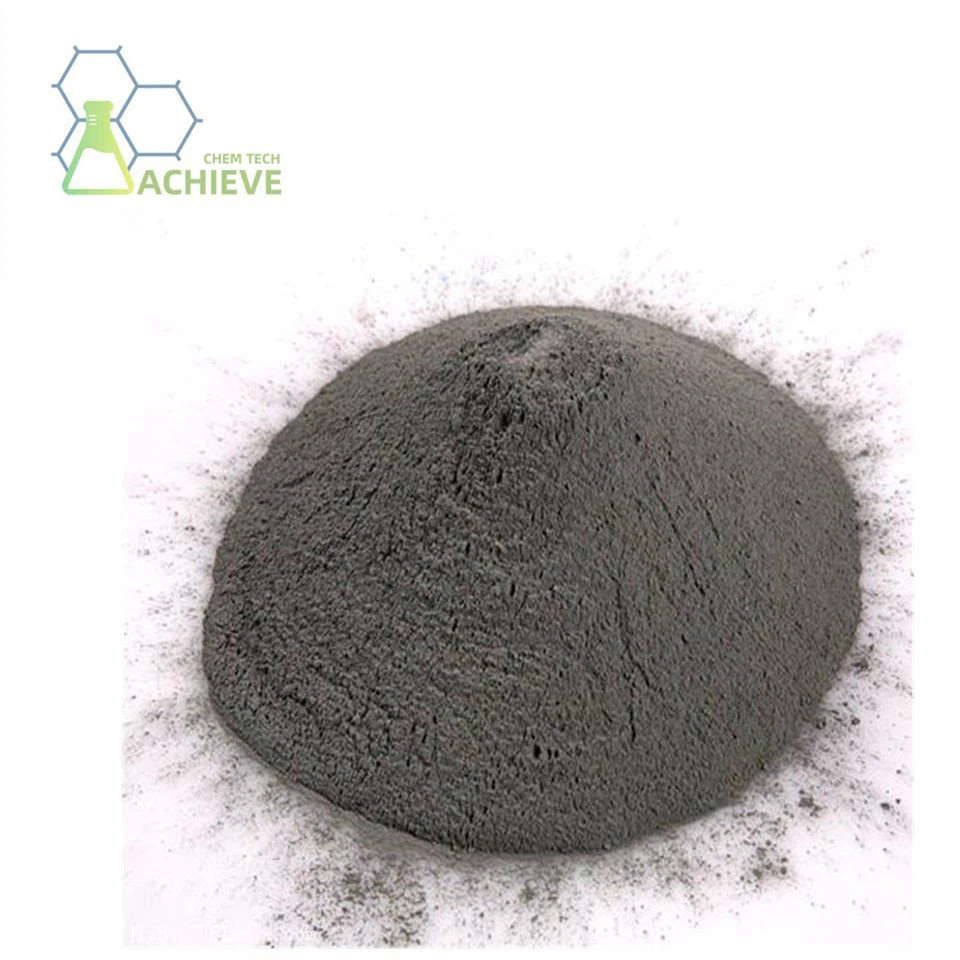
Boron Carbide (B4C) CAS 12069 - 32 - 8
Boron Carbide (B4C) CAS 12069-32-8 is sometimes used in fire - retardant applications. While it's generally considered to be relatively stable and less toxic compared to some other chemicals, there are still concerns. Inhalation of boron carbide dust can cause irritation to the respiratory system. Prolonged exposure may also lead to more serious health issues, although the exact long - term effects are still being studied.


Sodium Sulfadiazine CAS 547 - 32 - 0
Sodium Sulfadiazine CAS 547-32-0 is another synthetic chemical that can be used in certain fire - retardant formulations. It's an antibacterial agent, but when used in fire retardants, there are potential health risks. Some people may have allergic reactions to it, and long - term exposure could potentially affect the immune system.
Sodium Tetraborate Decahydrate (borax) CAS 1303 - 96 - 4
Sodium Tetraborate Decahydrate (borax) CAS 1303-96-4 is a well - known chemical used in fire retardants. While it's commonly found in many household products, excessive exposure can be harmful. It can cause skin and eye irritation, and if ingested in large amounts, it can affect the digestive and reproductive systems.

What Can We Do?

As a synthetic chemical supplier, I understand the importance of balancing the need for fire safety with concerns about human health. One thing we can do is to promote the development and use of safer alternatives. There are some new fire - retardant technologies emerging that use more natural or less toxic substances.
Consumers can also take steps to reduce their exposure. Regularly cleaning your home to reduce dust, and choosing products that are labeled as being low in or free of harmful fire - retardant chemicals can make a big difference.
Should We Still Use Fire Retardants?
The question of whether we should still use fire retardants is a tricky one. On one hand, they've saved countless lives by preventing fires from spreading quickly. Many of the rules and regulations require products to have fire - retardant properties to ensure safety in buildings and public spaces.
On the other hand, the health concerns associated with some synthetic chemicals in these products can't be ignored. It's all about finding that sweet spot between fire safety and human health. We need to keep researching and developing better, safer fire - retardant solutions.

Contact Us for Safer Fire - Retardant Chemicals
If you're in the market for synthetic chemicals for fire - retardant applications and are concerned about the health impacts, we're here to help. We're constantly looking for and supplying safer alternatives to traditional fire - retardant chemicals. Whether you're a manufacturer looking to improve your product's safety profile or a researcher exploring new fire - retardant technologies, we can provide you with the right chemicals.
Get in touch with us to start discussing your needs. We're committed to providing high - quality, safer synthetic chemicals for fire retardants. Let's work together to make our world both fire - safe and healthy!
References
- Agency for Toxic Substances and Disease Registry (ATSDR). Toxicological Profile for Polybrominated Diphenyl Ethers (PBDEs).
- World Health Organization (WHO). Endocrine - Disrupting Chemicals: State of the Science 2012.
- National Institute of Environmental Health Sciences (NIEHS). Chemicals and Your Health: Flame Retardants.