

Hey there! As an IPTG powder supplier, I've been knee-deep in the world of protein expression. In this blog, I wanna chat about how IPTG powder impacts the expression of proteins with different codon usages.

Iptg Powder
Product Code: BM-2-5-133
Name: Iptg
CAS No.: 367-93-1
M.F: C9H18O5S
M.W: 238.3
EINECS No.: 206-703-0
Market: Indonesia, UK, New Zealand , Canada etc.
Manufacturer: BLOOM TECH Guangzhou Factory
Technology service: R&D Dept.-4
Shipping: Shipping as another no sensitive chemical compound name.
We provide IPTG powder, please refer to the following website for detailed specifications and product information.
Product:https://www.bloomtechz.com/synthetic-chemical/api-researching-only/iptg-powder-cas-367-93-1.html
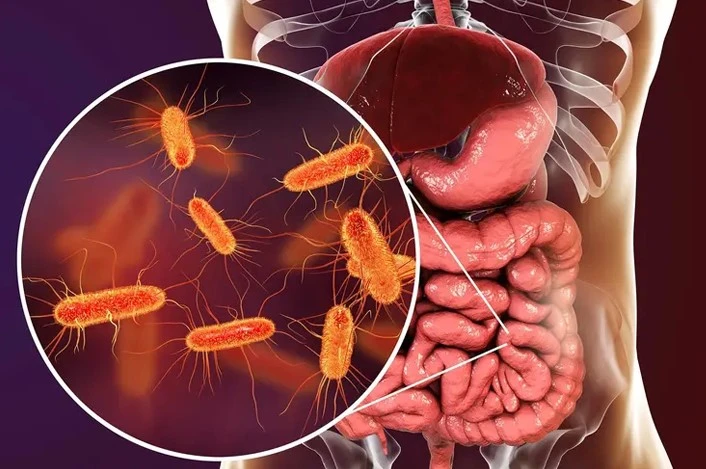
First off, let's quickly go over what IPTG is. IPTG, or Isopropyl β-D-1-thiogalactopyranoside, is a well-known chemical in the biotech field. It's an analog of allolactose, which is a natural inducer of the lac operon. In simple terms, it can turn on the genes responsible for protein production in certain bacteria, like Escherichia coli.


Now, when it comes to protein expression, codon usage plays a huge role. Different organisms have their own preferences for which codons (sets of three nucleotides) they use to code for amino acids. For example, some organisms might use a particular codon for a specific amino acid more frequently than others.
Let's start by looking at high-frequency codons. Proteins encoded by genes with high-frequency codons are generally easier to express. When we introduce IPTG powder into a bacterial system expressing such proteins, the process can go really smoothly. IPTG binds to the repressor protein of the lac operon, releasing it from the operator region. This allows RNA polymerase to bind to the promoter and start transcribing the genes that code for the protein.
In bacteria like E. coli, which are super common in protein expression systems, genes with high-frequency codons are recognized by the ribosomes quickly. The ribosomes can efficiently translate the mRNA into a protein. When we add IPTG, we're basically giving the bacteria the green light to start this production process at a rapid pace. So, for proteins with high-frequency codon usage, IPTG powder can lead to high-level and efficient protein expression.
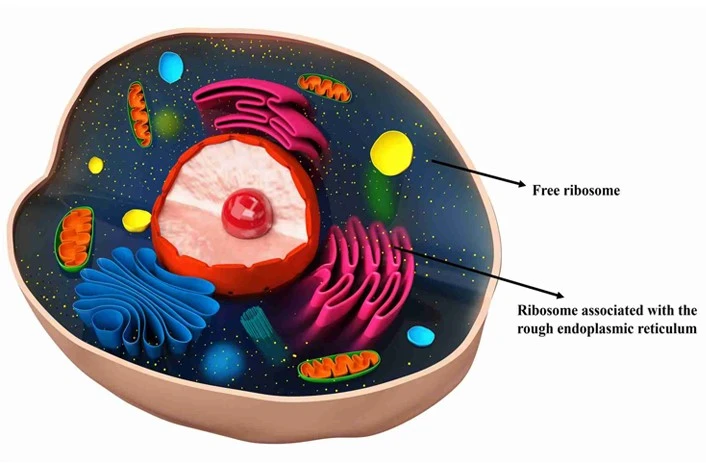
But what about low-frequency codons? Things get a bit more complicated here. Genes with low-frequency codons may not be recognized as easily by the ribosomes in the bacterial host. When IPTG is added to induce the expression of a protein with low-frequency codons, the ribosomes might stall during translation. This is because they have a harder time finding the appropriate tRNAs (transfer RNAs) that carry the corresponding amino acids for those low-frequency codons.
As a result, the overall protein expression level can be lower compared to proteins with high-frequency codons. Sometimes, we might even see incomplete or misfolded proteins. The stalling of ribosomes can also cause stress on the bacterial cells, which may lead to reduced cell growth and viability.
To overcome these issues, we can use some tricks. One approach is to co-express tRNA genes that recognize the low-frequency codons. This can help supply the ribosomes with the necessary tRNAs, allowing for more efficient translation. Another option is to optimize the gene sequence itself. We can replace the low-frequency codons with high-frequency codons that code for the same amino acid. This process is called codon optimization.
When it comes to our IPTG powder, we've made sure it's of top-notch quality. Our customers have reported great results in their protein expression experiments. Whether it's for proteins with high-frequency or low-frequency codons, our IPTG can effectively induce the expression process.
Now, let me introduce some other interesting chemical products we deal with. Check out Halofuginone Hydrobromide. It has some unique properties and potential applications in the research field. And also, Estrone Powder CAS 53-16-7 is another product that our researchers have an eye on. And we also have (4S,5R)-(-)-4-METHYL-5-PHENYL-2-OXAZOLIDINONE CAS 16251-45-9 which could be a valuable addition to your research supplies.
So, if you're involved in protein expression research or need high-quality chemicals for your experiments, don't hesitate to reach out to us for a purchasing discussion. We're here to help you get the best results with our products.
References
[1] Studier, F. W., & Moffatt, B. A. (1986). Use of bacteriophage T7 RNA polymerase to direct selective high-level expression of cloned genes. Journal of Molecular Biology, 189(1), 113-130.
[2] Gustafsson, C., Govindarajan, S., & Minshull, J. (2004). Codon bias and heterologous protein expression. Trends in Biotechnology, 22(7), 346-353.