


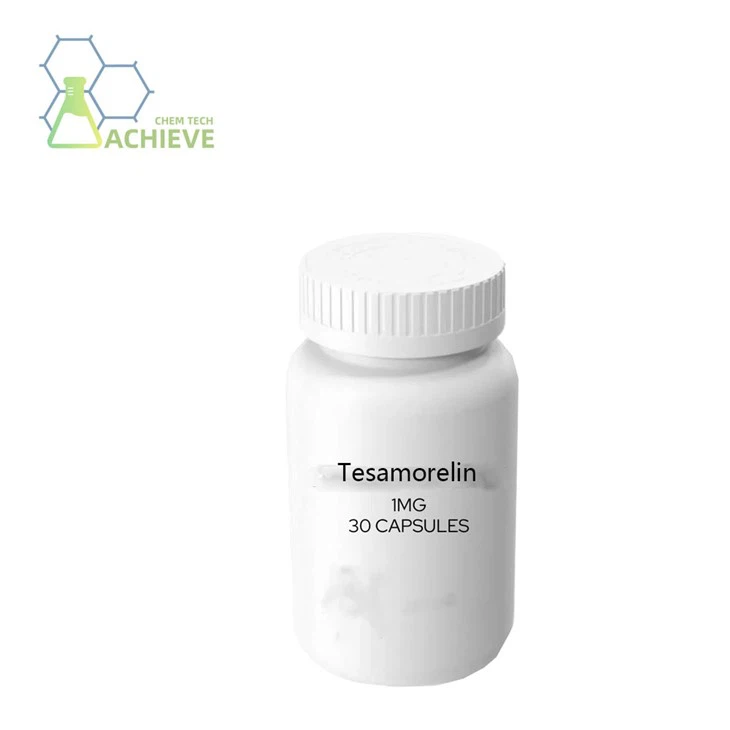


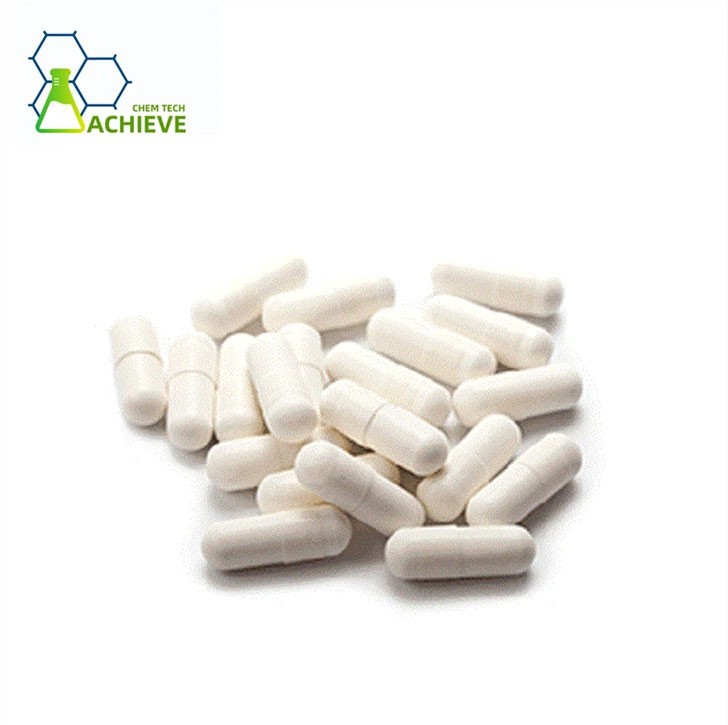
Tesamorelin Capsules are growth hormone releasing hormone (GHRH) analogs administered via injection. They are synthetic peptides composed of 29 amino acids with a molecular weight of approximately 3300 Da. Peptide drugs are easily degraded by proteases and peptidases in the gastrointestinal tract after oral administration, resulting in extremely low bioavailability (usually<1%). Even if some peptide fragments are not degraded, they will be further metabolized in the liver and cannot effectively reach the target organ (pituitary gland). It uses polymers or liposomes to protect peptide segments from enzymatic hydrolysis, and can be combined with absorption enhancers such as bile salts and surfactants. Enteric coating can control the release of drugs in specific parts of the intestine.
Our products


Tesamorelin COA

Animal data of Tesamorelin Capsules lipid nanoparticles (LNPs): oral bioavailability in macaques is only 0.7%
Tesamorelin Capsules is an artificially synthesized growth hormone releasing hormone (GHRH) analogue, currently only used in injectable form for clinical purposes. Due to its peptide structural characteristics, oral administration faces the challenge of extremely low bioavailability. This study evaluated the oral absorption effect of Tesamorelin encapsulated in lipid nanoparticles (LNPs) in a macaque model. The results showed that the average bioavailability after a single administration was only 0.7%, significantly lower than that of the injectable form (>90%).
Background and scientific issues
Clinical needs and administration challenges of Tesamorelin
+
-
Tesamorelin has been approved for the treatment of HIV related lipid metabolism disorders (reducing visceral fat and improving metabolic syndrome) by activating pituitary GHRH receptors and promoting endogenous growth hormone (GH) release. However, its current dosage form is once daily subcutaneous injection, which has problems such as poor patient compliance and injection site reactions. Developing oral dosage forms has become an unmet clinical need.
Challenges of Oral Absorption of Peptide Drugs
+
-
Tesamorelin is composed of 29 amino acids (with a molecular weight of approximately 3300 Da) and belongs to the peptide class of drugs. This type of medication faces two major barriers for oral absorption:
Chemical barrier: Proteases and peptidases in the gastrointestinal tract (GI) can rapidly degrade peptide chains, leading to drug inactivation.
Physical barrier: The tight junctions of intestinal epithelial cells restrict the penetration of large molecules, and peptide drugs have strong hydrophilicity, making it difficult to be absorbed through passive diffusion.
Technical advantages of lipid nanoparticles (LNPs)
+
-
LNPs are a novel nano delivery system that enhances the bioavailability of oral peptide drugs through the following mechanisms:
Protective drugs: The lipid bilayer structure can shield drugs from contact with digestive enzymes, reducing degradation.
Promote absorption:
Membrane fusion: LNPs fuse with the intestinal epithelial cell membrane, directly releasing drugs into the cell.
Lymphatic transport: Some LNPs can be taken up by M cells and bypass the liver's first pass effect through the lymphatic system.
Mucosal adhesion: Surface modifications (such as chitosan) can prolong the residence time of drugs in the intestine.
Design of oral bioavailability study for macaques
Animal selection: Adult male macaques (n=6, weight 4-6 kg), as the gut physiology of macaques is highly similar to that of humans, and the GH-IGF-1 axis regulatory mechanism is conserved.
Group design:
Control group: Subcutaneous injection of Tesamorelin (2 mg/kg, standard clinical dose).
Experimental group: Oral administration of Tesamorelin encapsulated in LNPs (dose equivalent to 2 mg/kg free peptide).
Administration method:
Injection group: Subcutaneous injection in the abdomen, diluted with physiological saline.
Oral group: Capsule formulation (filled with LNPs freeze-dried powder), taken on an empty stomach with 10 mL of water.

Formula and characterization of LNPs formulations

Composition: Lipid materials: DOTAP (cationic lipids), DSPC (neutral phospholipids), cholesterol (stable structure). Surface modification: Polyethylene glycol (PEG) -2000 (reduces mucosal adhesion and promotes lymphatic transport). Drug loading: Tesamorelin to lipid molar ratio of 1:10, prepared by thin film hydration method.
Characterization: Particle size: The average particle size measured by dynamic light scattering (DLS) is 120 ± 15 nm.
Zeta potential:+25 ± 3 mV (cationic surface facilitates mucosal adhesion).
Encapsulation rate: determined by high performance liquid chromatography (HPLC)>90%.
03.Pharmacokinetic (PK) sampling and detection
Sampling time points: Both the injection group and the oral group collected venous blood before administration and at 0.25, 0.5, 1, 2, 4, 6, 8, 12, and 24 hours after administration.
Testing method:
Tesamorelin concentration: Liquid chromatography-mass spectrometry (LC-MS/MS) with a lower quantification limit of 0.1 ng/mL.
GH and IGF-1 levels: Enzyme linked immunosorbent assay (ELISA).
Calculation of bioavailability:
AUC (area under the drug time curve): Calculate the AUC ₀₋₂₄ of the injection group and oral group using the trapezoidal method.
Relative bioavailability (F%):

Experimental results and data analysis
Pharmacokinetic parameters
| Parameter | Injection group (subcutaneous) | Oral group (LNPs) |
| Cmax (ng/mL) | 125 ± 18 | 1.2 ± 0.3 |
| Tmax (h) | 0.5 (0.25-1) | 2.0 (1-4) |
| AUC (ng·h/mL) | 580 ± 72 | 4.1 ± 0.9 |
| t1/2 (h) | 3.2 ± 0.5 | 1.8 ± 0.3 |
| F% | 100% (reference standard) | 0.7% ± 0.2% |
Analysis of the reasons for extremely low bioavailability
Degradation dominant
Gastrointestinal Enzymatic Hydrolysis: In vitro simulated digestion experiments showed that LNPs release<10% of the drug within 30 minutes in gastric juice (pH 1.2, containing pepsin), but degrade>80% in intestinal fluid (pH 6.8, containing trypsin) within 2 hours.
Gut microbiota: The gut microbiota of macaques may secrete additional proteases, further accelerating drug breakdown.
Absorption limit
Insufficient permeability: Although LNPs promote membrane fusion, Tesamorelin has a high molecular weight and low cross cellular transport efficiency.
Limited lymphatic transport: PEG modification reduces M cell uptake, resulting in insufficient lymphatic system bypass.
First pass effect
After oral administration, some drugs enter the liver through the portal vein and are metabolized into inactive fragments (such as Tesamorelin 1-15 peptides).
The principle and advantages of colon release
Colonic release is mainly based on the response characteristics of Eudragit FS30D to different pH environments. During the drug preparation process, Tesamorelin is encapsulated in a coating layer primarily composed of Eudragit FS30D. After the patient takes Tesamorelin Capsules orally, the Eudragit FS30D coating remains intact during the capsule's stay in the stomach due to the acidic environment inside the stomach, and the drug will not be released. As the stomach is emptied, the capsule enters the small intestine, and the pH at the front end of the small intestine is relatively low, while the coating layer can still remain stable. As the small intestine peristalsis, the drug gradually moves towards the distal end of the small intestine. When it reaches the middle and lower parts of the small intestine and the colon, the local pH rises to the dissolution range of Eudragit FS30D, and the coating layer rapidly dissolves, releasing the drug from the colon.

Advantages of colon release

The stomach has a strongly acidic environment and a large amount of pepsin, making many drugs easily degraded and inactive in the stomach. Through colonic release, Tesamorelin can avoid the harsh environment of the stomach, ensuring the integrity and activity of the drug, and improving its stability. Some drugs released in the upper gastrointestinal tract may stimulate the gastric and small intestinal mucosa, causing adverse reactions such as nausea, vomiting, and abdominal pain. The mucosa of the colon is relatively tolerant, and releasing Tesamorelin into the colon can reduce the stimulation of the drug on the upper gastrointestinal tract and improve patient tolerance.
Analysis of the reasons for the sudden decrease in surface area absorbed by the colon
Compared with the small intestine, the mucosal surface of the colon is relatively smooth, and the number and complexity of mucosal folds are significantly lower than those of the small intestine. The small intestine mucosa has a large number of circular folds, villi, and microvilli, which greatly increase the absorption surface area of the small intestine, making it the main site for nutrient absorption in the human body. However, the colonic mucosa has fewer folds and a relatively flat surface, which directly leads to a relatively small absorption surface area of the colon. Small intestinal villi are small protrusions formed by the small intestinal mucosal epithelium and lamina propria protruding into the intestinal lumen. The surface of the villi is covered with a large number of microvilli, which further expand the absorption area of the small intestine. However, the colonic mucosa lacks villous structures and the number of microvilli is extremely small, which results in a significant gap in absorption function between the colon and the small intestine, with a significantly reduced absorption surface area.
The contents of the colon mainly include undigested food residues, water, electrolytes, and a large amount of bacteria. When Tesamorelin Capsules release drugs in the colon, the drugs need to be dispersed in the colon contents. Compared to the relatively uniform chyme in the small intestine, the properties of colonic contents are more complex and viscous, which may limit the dispersion of drugs and make it difficult to form a uniform drug solution or small particles, thereby affecting the contact area between drugs and colonic mucosa and further reducing the absorption surface area. During the release process in the colon, drugs may aggregate due to the unique environment of the colon. For example, there may be interactions between some drug molecules, or the drug may bind to certain components in the colon contents, leading to the formation of larger aggregates of the drug. These aggregates are difficult to pass through the intercellular spaces of the colon mucosa or be taken up by cells, resulting in a reduction in the actual number of drug molecules available for absorption, equivalent to a further decrease in the absorption surface area.
Although Eudragit FS30D chooses to release drugs in a higher pH environment in the colon, there are also certain differences in pH values in different parts of the colon, which may be influenced by factors such as food and disease. In some cases, the local pH value of the colon may deviate from the optimal dissolution range of Eudragit FS30D, affecting the release rate and degree of the drug. In addition, pH value can also affect the chemical stability and solubility of Tesamorelin, thereby affecting the absorption of the drug.
If the solubility of the drug in the colon is poor, even if it is released, it is difficult to be effectively absorbed, which means that the absorption surface area is not fully utilized. There are a large number of bacteria in the colon, which make up the microbial community of the colon. Bacteria can produce various enzymes to metabolize and convert drugs. Some bacterial enzymes may degrade or modify Tesamorelin, altering the structure and activity of the drug, affecting its absorption and efficacy.
Frequently Asked Questions
What does tesamorelin do?
+
-
TESAMORELIN (TES a moe REL in) reduces excess fat in the stomach area in people with HIV and lipodystrophy. It works by increasing levels of growth hormone in the body. This reduces the amount of fat stored in the stomach area.
Why was tesamorelin banned?
+
-
The FDA's letter highlighted issues primarily related to chemistry, manufacturing and controls. Its inquiries focused on the microbiology, assays, impurities and stability of the lyophilised product and the final reconstituted drug.
Is tesamorelin similar to Ozempic?
+
-
But chances are that you recognize the names Ozempic, Wegovy, and even insulin. They're all peptides. Tesamorelin is also a peptide, but it belongs to a different class and has the potential to treat a host of concerns.
Is the tesamorelin peptide legal?
+
-
The extensive clinical evidence supporting tesamorelin's efficacy, combined with its FDA-approved status and established safety profile, positions it as an important therapeutic option for patients with HIV-associated lipodystrophy.
How do I get access to a theme l purchased?
+
-
Tesamorelin injection is used to decrease the amount of extra fat in the stomach area in adults with human immunodeficiency virus (HIV) who have lipodystrophy (increased body fat in certain areas of the body). Tesamorelin injection is not used to help with weight loss.
Hot Tags: tesamorelin capsules, suppliers, manufacturers, factory, wholesale, buy, price, bulk, for sale