


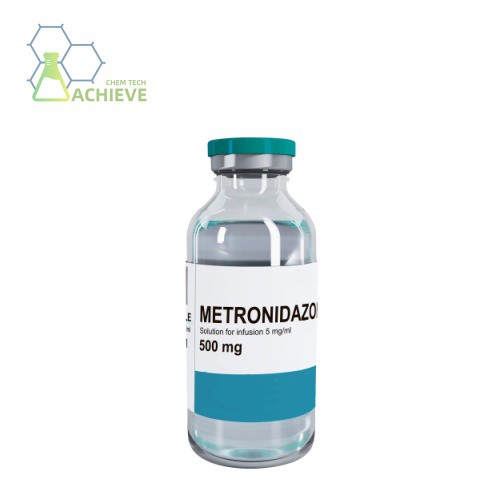


Metronidazole injection 100 ml, a synthetic nitroimidazole derivative with robust antimicrobial and antiprotozoal properties, has remained a foundational cornerstone of clinical antimicrobial therapy for more than six decades. As a classic and reliable therapeutic agent, it exhibits strong activity against anaerobic bacteria and protozoa, with its mechanism of action closely linked to interfering with bacterial DNA synthesis and disrupting microbial metabolic processes. Its intravenous formulation, especially the standard 100 mL infusion containing 500 mg of active ingredient (at a concentration of 5 mg/mL), is extensively employed in inpatient and critical care settings worldwide.
It serves as a first‑line therapeutic option for managing severe anaerobic infections that are difficult to treat with other drugs, refractory protozoal diseases such as amebiasis and giardiasis, and select bacterial infections that demonstrate resistance to multiple alternative antimicrobial agents, playing an irreplaceable role in clinical anti-infective treatment.


Metronidazole COA

Clinical Features of Anaerobic Bacterial Infections
This article delivers a comprehensive, in-depth analysis of metronidazole injection 100ml, a cornerstone antimicrobial preparation in clinical practice, systematically exploring its core pharmacological mechanisms, evidence‑based clinical indications, standardized administration protocols, common and rare adverse reactions, as well as evidence-based safety precautions essential for rational clinical application.

As a synthetic nitroimidazole derivative with potent activity against anaerobic bacteria and protozoa, metronidazole injection is widely used in inpatient, critical care, and surgical settings, making a pivotal contribution to the treatment of severe infectious diseases. By dissecting its pharmacodynamic and pharmacokinetic characteristics, clarifying its scope of application, and emphasizing key safety measures.
This article aims to provide clinicians, pharmacists, and medical researchers with a holistic reference to ensure the safe, effective, and standardized use of this classic antimicrobial agent.The clinical manifestations of anaerobic bacterial infections vary significantly depending on the site of infection, the type of anaerobic pathogen involved, and the patient's underlying health status, but typically include distinct local symptoms, systemic inflammatory responses, and specific signs that aid in clinical diagnosis, as detailed below:


Local Symptoms
Local Symptoms
Redness, swelling, heat, and pain:
The infected area (e.g., skin, mucosa, wound) often exhibits redness and swelling, with increased local temperature and marked tenderness. For instance, skin and soft tissue infections may present as localized redness, swelling, and pain, potentially accompanied by induration; Oral infections present as swollen, bleeding gums with increased pain during chewing or contact.
Abnormal secretions:
Anaerobic bacteria break down proteins, producing foul-smelling metabolites like hydrogen sulfide and indole, resulting in malodorous secretions. Examples include grayish-brown purulent exudate from wounds, or secretions with a rotten-egg odor from the oral cavity or vagina; Pulmonary anaerobic infections may produce foul-smelling sputum.


Tissue necrosis:
Anaerobic bacteria like Clostridium perfringens produce lecithinase that dissolves cell membranes, causing extensive necrosis in soft tissues like muscles. This manifests as blackened skin, blister formation, and crepitus on palpation in infected areas; severe cases may progress to gas gangrene requiring urgent debridement.
Gas Formation:
Anaerobic bacteria like Clostridium perfringens decompose tissue to produce gas. Palpation reveals crepitus under the skin, and imaging shows gas bubbles within soft tissues. Common in deep muscle trauma or surgical site infections, gas accumulation may impair blood circulation, exacerbating tissue ischemia and necrosis.


Specific Clinical Signs
Deep Abscesses or Cellulitis:
Infection spreads along fascial or muscular planes, forming ill-defined swollen areas with erythematous, warm skin but minimal pus. Deep abscesses in the oral cavity, pelvis, or abdomen may compress adjacent organs, causing functional impairment such as urinary retention or intestinal obstruction.
Systemic Symptoms
Fever and Chills:
Anaerobic bacteria release endotoxins or exotoxins into the bloodstream, triggering high fever with significant temperature fluctuations, accompanied by chills, fatigue, and headache. Severe cases may present with confusion or hypotension, indicating systemic spread of infection and necessitating vigilance for sepsis risk. For example, intra-abdominal infections caused by Bacteroides fragilis commonly present with remittent fever exceeding 38.5°C (101.3°F), with pathogens detectable in blood cultures.


Genitourinary System Symptoms:
Anaerobic bacteria invading the genitourinary system cause localized inflammatory lesions. Female patients may experience increased vaginal discharge, odor, and itching. Severe cases may lead to pelvic inflammatory disease (PID), presenting with lower abdominal pain, heaviness, and menstrual irregularities. Male patients may exhibit scrotal pain, heaviness, and urethritis symptoms such as frequent urination, urgency, and dysuria.
metrolyl Injection for Toothache
Metronidazole injection 100ml (such as metrolyl sodium chloride injection) demonstrate clear efficacy against toothaches caused by anaerobic bacterial infections (e.g., periodontitis, pulpitis, apical periodontitis, pericoronitis of wisdom teeth). They alleviate symptoms of redness, swelling, heat, and pain by inhibiting bacterial DNA synthesis. However, strict adherence to medical instructions is required, and they are ineffective for non-infectious toothaches. Below is a detailed analysis.
It belongs to the nitroimidazole class of antibiotics and exhibits potent antibacterial activity against anaerobic bacteria such as Bacteroides fragilis and Clostridium perfringens. It inhibits bacterial DNA synthesis, thereby blocking anaerobic bacterial proliferation and exerting anti-inflammatory and bactericidal effects. In oral medicine, metronidazole injection 100ml is primarily indicated for:


Periodontitis: The anaerobic oral environment fosters bacterial growth, causing gingival redness, swelling, bleeding, and pain.
Pulpitis/Periapical Periodontitis: Anaerobic bacteria may contribute to pulp infections or inflammation of periapical tissues.
Wisdom tooth pericoronitis: Soft tissue infections around impacted wisdom teeth often involve anaerobic bacterial proliferation.
Post-extraction infections: Surgical sites may develop secondary anaerobic bacterial infections.
The Difference Between metrolyl and Artificial Bile-Derived metrolyl
Metrolyl and Artificial Bile Salt metrolyl exhibit significant differences in composition, antimicrobial spectrum, indications, dosage forms, and precautions, as detailed below:
Composition Differences:
Metrolyl: The primary ingredient is metrolyl, classified as a nitroimidazole antimicrobial agent.
Artificial Bile Salt Metrolyl: A compound formulation containing metrolyl and artificial bile salt as primary components. Each capsule contains 200mg metrolyl and 5mg artificial bile salt.
Differences in Antimicrobial Spectrum:
Metrolyl: Exhibits potent antibacterial activity against anaerobic bacteria, including Bacteroides fragilis and Clostridium perfringens. It also eradicates parasites such as Trichomonas vaginalis and Entamoeba histolytica.
Artificial Bile Salt metrolyl: The metrolyl component similarly targets anaerobic bacteria, while artificial bile salt provides antipyretic and anti-inflammatory effects. This combination enhances antimicrobial efficacy, particularly for oral anaerobic infections.
Indication Differences:
Metrolyl:
Indicated for vaginal infections, trichomoniasis, gastrointestinal infections, etc.
Commonly used to treat anaerobic bacterial infections such as intra-abdominal infections, pelvic infections, and periodontal infections.
It is the drug of choice for treating trichomoniasis vaginitis and amoebic dysentery.
Artificial Bile Salt Metrolyl:
Primarily used for treating oral infectious diseases such as acute pericoronitis, localized alveolar abscesses, pulpitis, and apical periodontitis.
Also effective in alleviating symptoms like gum swelling and pain caused by anaerobic bacterial infections.

Precautions and Adverse Reaction Differences

Metrolyl
May cause side effects such as dizziness, nausea, and vomiting.
Avoid alcohol consumption during treatment to prevent disulfiram-like reactions (facial flushing, headache, nausea, vomiting).
Use with caution in pregnant or lactating women.
Contraindicated in patients allergic to metrolyl or other nitroimidazole drugs.
Contraindicated in patients with active central nervous system disorders or hematologic diseases.
Artificial Bile Salt Metrolyl
May cause gastrointestinal discomfort such as nausea, vomiting, loss of appetite, or diarrhea.
A small number of patients may experience neurological symptoms like headache, dizziness, or limb numbness.
Individuals may develop allergic reactions to certain components, manifesting as rash or itching.
Avoid alcohol consumption during treatment.
Contraindicated for pregnant and lactating women.
Contraindicated for patients allergic to metrolyl or pyrrolidine-containing drugs.
Contraindicated for patients with active central nervous system disorders or hematological diseases.


This article comprehensively analyzes metronidazole injection 100mL (a clinical cornerstone antimicrobial, typically 500mg/100mL), exploring its pharmacological mechanisms, clinical indications, administration protocols, adverse reactions, and safety precautions. As a nitroimidazole derivative effective against anaerobes and protozoa, it is widely used in inpatient and critical care settings to treat severe infections, providing a reference for standardized use by medical professionals.
Clinical manifestations of anaerobic bacterial infections vary by infection site, pathogen type, and patient health, but usually include local symptoms, systemic inflammatory responses, and specific diagnostic signs, detailed below:

Key clinical safety considerations must be fully implemented throughout the entire treatment process: strengthening regular liver function monitoring for high-risk patients to prevent potential hepatotoxicity, strictly prohibiting any alcohol consumption during and after medication to avoid severe disulfiram-like reactions, and making timely and individualized dosage adjustments for patients with renal insufficiency to prevent drug accumulation and related adverse events.
Future research directions should further focus on optimizing precise dosing regimens for special populations such as critically ill patients, elderly individuals, pregnant women, and those with complex comorbidities, as well as exploring and developing novel pharmaceutical formulations and delivery systems to reduce systemic side effects, improve drug tolerability.and enhance overall treatment compliance. In conclusion, by deeply integrating pharmacokinetic characteristics with rigorous clinical vigilance, implementing comprehensive safety monitoring and personalized medication strategies.


Healthcare providers can not only maximize the powerful therapeutic effects of metronidazole injection 100ml in controlling severe infections but also effectively minimize the occurrence of adverse reactions and treatment risks. This scientific and standardized application model ensures that this classic and reliable antimicrobial preparation continues to exert stable and lasting clinical value, providing strong and secure support for the treatment of infectious diseases and the improvement of patient prognosis.
FAQ
What is metronidazole mainly used for?
Metronidazole is used to treat infections of the reproductive system, gastrointestinal (GI) tract, skin, heart, bone, joint, lung, blood, nervous system, and other areas of the body. It is also used to treat certain sexually transmitted diseases (STDs).
Is metronidazole an antibiotic for STDs?
Infections with the sexually transmitted protozoan Trichomonas vaginalis are usually treated with metronidazole, a 5-nitroimidazole drug derived from the antibiotic azomycin. Metronidazole treatment is generally efficient in eliminating T. vaginalis infection and has a low risk of serious side effects.
How long does it take metronidazole to clear an infection?
For most infections, you should feel better within a few days. With serious swelling, including dental infections, the medicine will start working within a few days, but it may take longer before your symptoms start to get better.
Hot Tags: metronidazole injection 100ml, suppliers, manufacturers, factory, wholesale, buy, price, bulk, for sale