




Shaanxi BLOOM Tech Co., Ltd. is one of the most experienced manufacturers and suppliers of gw-501516 liquid in China. Welcome to wholesale bulk high quality gw-501516 liquid for sale here from our factory. Good service and reasonable price are available.
GW-501516 liquid is a selective agonist targeting peroxisome proliferator activated receptor delta (PPAR delta), with its core component being 2- [2-methyl-4- [[4-methyl-2- [4- (trifluoromethyl) phenyl] -1,3-thiazol-5-yl] methylthio] phenoxy] acetic acid. This liquid formulation significantly regulates the expression of lipid metabolism and energy uncoupling related genes in skeletal muscle cells by activating PPAR δ receptors, promoting fatty acid oxidation and reducing glucose dependence, thereby optimizing energy utilization efficiency. In application scenarios, it is commonly used for metabolomics research, exploration of exercise endurance mechanisms, and construction of inflammatory disease models, providing a key tool for understanding the role of PPAR δ in energy metabolism, muscle function, and inflammation regulation.
Our Product form



Cardarine COA
 |
||
| Certificate of Analysis | ||
| Compound name | Cardarine/GW501516/Endurobol | |
| Grade | Pharmaceutical grade | |
| CAS No. | 317318-70-0 | |
| Quantity | 50g | |
| Packaging standard | PE bag+Al foil bag | |
| Manufacturer | Shaanxi BLOOM TECH Co., Ltd | |
| Lot No. | 202601090056 | |
| MFG | Jan 9th 2026 | |
| EXP | Jan 8th 2029 | |
| Structure |
|
|
| Item | Enterprise standard | Analysis result |
| Appearance | White or almost white powder | Conformed |
| Water content | ≤5.0% | 0.47% |
| Loss on drying | ≤1.0% | 0.29% |
| Heavy Metals | Pb≤0.5ppm | N.D. |
| As≤0.5ppm | N.D. | |
| Hg≤0.5ppm | N.D. | |
| Cd≤0.5ppm | N.D. | |
| Purity (HPLC) | ≥99.0% | 99.80% |
| Single impurity | <0.8% | 0.55% |
| Total microbial count | ≤750cfu/g | 127 |
| E. Coli | ≤2MPN/g | N.D. |
| Salmonella | N.D. | N.D. |
| Ethanol (by GC) | ≤5000ppm | 400ppm |
| Storage | Store in a sealed, dark, and dry place below -20°C | |
|
|
||
|
|
||


| Chemical Formula | C21H18F3NO3S2 | |
| Exact Mass | 453 | |
| Molecular Weight | 453 | |
| m/z | 453 (100.0%), 454 (22.7%), 455 (9.0%), 455 (2.5%), 456 (2.1%), 454 (1.6%) | |
| Elemental Analysis | C, 55.62; H, 4.00; F, 12.57; N, 3.09; O, 10.58; S, 14.14 | |

GW-501516 liquid, As an efficient and selective peroxisome proliferator activated receptor delta (PPAR delta) agonist, it has shown great potential for application in various fields such as metabolic diseases, cardiovascular diseases, and exercise science due to its unique pharmacological properties since its discovery. In recent years, with the rapid development of nanotechnology, it has opened a new door for the field of drug delivery, and the combination with nanotechnology has opened up new paths for disease treatment and health management, which is expected to bring more precise and efficient treatment methods.
1. Constructing a targeted nanomedicine delivery system
In recent years, researchers have utilized nanotechnology to construct various targeted nanomedicine delivery systems to achieve precise delivery. For example, research has constructed nano micelles targeting and encapsulating osteopontin (OPN) as a molecule (anti-OPN-NPs-GW501516). OPN is specifically expressed in smooth muscle cells of vascular plaque, so this nano micelle can specifically target atherosclerotic plaque.

Preparation method
Using the nano co precipitation method, it was encapsulated in nano micelles. In this process, it is necessary to precisely control various reaction conditions, such as temperature, pH value, reactant concentration, etc., to ensure that they can be uniformly encapsulated inside the nanomicelles. Then, anti-OPN NPs-GW501516 was prepared by chemically coupling anti OPN antibodies onto the surface of the nanomicelles, which were capable of recognizing OPN.
Physical and chemical characterization
The morphology of nano micelles was observed by transmission electron microscopy, and the results showed that the size of nano micelles was uniform, with a particle size of around 100 nm. The Malvern particle size analyzer further measured its hydrated particle size, which showed around 140 nm, indicating that the nanomicelles can maintain good dispersibility and stability in solution. UV absorption spectroscopy is used to detect whether the antibody is successfully coupled to the nanomicelle, and the results show that the antibody coupling is successful, providing a guarantee for the targeting of the nanomicelle.


Targeted validation
Verify using immunofluorescence and flow cytometry. Immunofluorescence can visually observe the binding between nanomicelles and cells, and the results show that the nanomicelles have good targeting ability towards smooth muscle cells incubated with oxidized low-density lipoprotein, and can specifically bind to the cell surface. Flow cytometry can quantitatively analyze the binding rate between nanomicelles and cells, further confirming their targeting ability.
therapeutic effect
The fluorescence imaging results of small animals in vivo showed that the targeting ability of anti-OPN-NPs-GW501516 in mice was significantly better than that of non targeted nanomedicines. It can more accurately gather in the atherosclerotic plaque and play a therapeutic role. Moreover, it can significantly inhibit the progress of atherosclerotic plaque in ApoE -/- mice, reduce the area and thickness of plaque, and improve the function of blood vessels.

2. Implement its controlled release delivery
In addition to targeted delivery, nanotechnology can also achieve controlled release delivery of GW-501516. By designing nanocarriers with different release rates, the release rate and amount in vivo can be controlled, thereby achieving sustained and stable drug release.

Controlled release mechanism
Nanocarriers can achieve controlled drug release through various mechanisms. For example, nanoparticles prepared from biodegradable materials such as polylactic acid hydroxyacetic acid copolymer (PLGA) can control the release rate of drugs through material degradation. PLGA will gradually hydrolyze in the body, and as the material degrades, the substance encapsulated inside the nanoparticles will be slowly released. This degradation process is a relatively slow and controllable process, and the composition and molecular weight of PLGA can be adjusted as needed to control the degradation rate of nanoparticles and the release rate of drugs.
In addition, diffusion control is also a common controlled release mechanism, where drugs diffuse into the surrounding environment through the pores or semi permeable membranes of nanocarriers. By controlling the size and number of pores, the diffusion rate of drugs can be regulated. Swelling control is the use of materials that swell when in contact with water. When the nanocarrier enters the body, the material swells and releases the drug from the carrier.


In vitro and in vivo evaluation
Evaluate the controlled release performance of nanocarriers through in vitro and in vivo experiments. In vitro experiments can use methods such as dialysis bag and dynamic dialysis to determine the drug release curve. The dialysis bag method involves placing a nanocarrier containing drugs into a dialysis bag, and then placing the dialysis bag into a release medium. The concentration of the drug in the release medium is periodically sampled and measured to obtain the drug release curve.
The dynamic dialysis method uses a special device to continuously flow the release medium, which is closer to the dynamic environment in the body and can more accurately simulate the release of drugs in the body. In vivo experiments can evaluate the controlled release effect of nanocarriers by measuring blood drug concentrations at different time points. By collecting blood samples from animals at different time points, measuring the concentration of GW-501516 liquid, drawing a blood drug concentration time curve, observing the release and absorption of the drug in the body, and evaluating whether the controlled release performance of the nanocarrier achieves the expected effect.

3. Improve the bioavailability of the substance
Its low solubility in water limits its oral bioavailability. Nanotechnology can improve bioavailability by reducing drug particle size, increasing drug surface area, and enhancing drug solubility.

Nanotechnology
Using nano grinding, high-pressure homogenization and other nano technologies to prepare nanocrystals or nano suspensions. Nano grinding is the process of gradually grinding drug particles into nanoscale particles through the action of mechanical force. In this process, it is necessary to control factors such as grinding time, speed, and the properties of the grinding medium to ensure that the size and distribution of drug particles meet the requirements.
High pressure homogenization is the process of using high pressure to pass a drug solution through a narrow gap, generating high-speed shear and impact forces to break the drug particles into nanoscale particles. These nanoscale technologies can significantly reduce the particle size of drugs, increase their surface area, thereby improving their solubility and dissolution rate, making them easier for the human body to absorb, and ultimately enhancing their bioavailability.


Selection of carrier materials
Choosing carrier materials with good biocompatibility and solubility, such as polyethylene glycol (PEG), polyvinylpyrrolidone (PVP), etc., can further improve the solubility and stability of GW-501516. PEG is a commonly used water-soluble polymer that can form a hydrophilic coating layer on the surface of drug particles, increasing the hydrophilicity of the drug and thus improving its solubility.
Meanwhile, PEG can also reduce the interaction between drugs and gastrointestinal mucosa, lower the risk of drug degradation by enzymes, and improve drug stability. PVP also has good biocompatibility and water solubility. It can increase the solubility of drugs through interactions such as hydrogen bonding with drug molecules, and prevent the aggregation of drug particles, maintaining the dispersibility of drugs.

4. Expanded application areas
Nanotechnology not only improves its drug delivery efficiency, but also expands its application fields in disease treatment and health management.

Metabolic disease treatment
By activating PPAR δ, it can regulate lipid metabolism, enhance energy decoupling, and promote fatty acid oxidation, thus improving the symptoms of metabolic diseases such as obesity and diabetes. Nanotechnology can enhance its targeting and bioavailability, enabling it to play a greater role in the treatment of metabolic diseases. For example, its nano formulations can be targeted and delivered to adipose tissue to more effectively promote the breakdown and metabolism of fat, reduce fat accumulation, and achieve the goal of weight loss.
For patients with diabetes, nano preparations can accurately deliver drugs to the liver, muscle and other key insulin affected tissues, regulate glucose metabolism, improve insulin resistance, and better control blood sugar levels.
Cardiovascular disease treatment
It has anti-inflammatory, anti atherosclerosis and other effects, and can protect the cardiovascular system. Nanotechnology can construct targeted nanomedicine delivery systems, delivering precise drugs to the affected area and improving treatment efficacy.

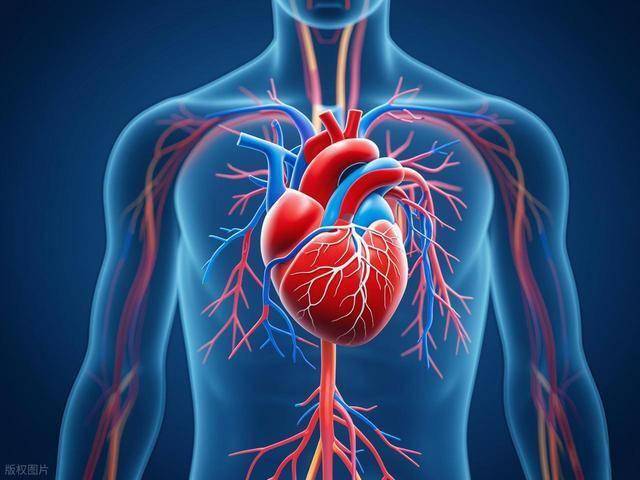
As mentioned earlier, OPN targeted nanomicelles can specifically act on atherosclerotic plaque, inhibit migration and apoptosis of vascular smooth muscle cells in the plaque, reduce inflammatory reaction, stabilize plaque, and reduce the risk of cardiovascular disease.In addition, nanotechnology can also deliver it to myocardial cells, improve myocardial energy metabolism, enhance myocardial contractility, and have potential therapeutic effects on cardiovascular diseases such as heart failure.
Application of Sports Science
It can enhance exercise endurance and muscle strength, and improve athletic performance.
Nanotechnology can improve its stability and bioavailability, making it more widely applicable in the field of sports science. Athletes need to quickly recover their physical strength and improve their athletic ability during training and competition. The nano-sized GW-501516 liquid formulation can be more effectively absorbed by muscle tissue, promote muscle energy metabolism and protein synthesis, reduce post exercise fatigue and muscle damage, help athletes recover faster, and improve athletic performance. At the same time, for some people with motor dysfunction, such as muscle atrophy patients, nano formulations of this substance may also provide new means for their rehabilitation treatment.

Core Mechanism of Action of GW-501516

GW-501516 is a highly selective peroxisome proliferator-activated receptor delta (PPARδ) agonist. It specifically binds to and activates the intracellular nuclear receptor PPARδ, with virtually no activating effects on PPARα and PPARγ, and targets transcriptional regulation of genes associated with lipid metabolism and mitochondrial biogenesis. After receptor activation, it forms a heterodimer with retinoid X receptor (RXR), binds to the PPRE response elements in the promoter regions of target genes, and initiates regulation of multiple downstream metabolic pathways.
First, it remodels energy metabolism in skeletal muscle. It upregulates genes encoding fatty acid transport proteins such as carnitine palmitoyltransferase, accelerates fatty acid uptake and β-oxidation in muscle cells, drives the body to preferentially utilize fat for energy during exercise, reduces glycogen consumption and lactic acid accumulation, and enhances endurance performance. Meanwhile, it facilitates the differentiation of slow oxidative muscle fibers to improve exercise tolerance.


Second, it activates the PGC-1α pathway to stimulate mitochondrial biogenesis in skeletal muscle and cardiac muscle, boost cellular oxidative respiration efficiency, and elevate overall oxidative metabolism capacity.
In terms of systemic lipid regulation, this compound inhibits hepatic triglyceride synthesis and lipid deposition, upregulates genes responsible for high-density lipoprotein synthesis, lowers plasma triglycerides and low-density lipoprotein, and alleviates dyslipidemia. Theoretically, it can intervene in metabolic syndrome and obesity-related disorders.
FAQ
What is GW501516 used for?
+
-
GW1516 is a metabolic modulator that increases fat metabolism and improves exercise adaption. It is not available for purchase commercially. In 2009, it was added to the WADA Prohibited List under section S. 4 Hormone and Metabolic Modulators.
What is GW501516 research chemical?
+
-
GW 501516 is the first highly selective synthetic PPARδ agonist available. GW 501516 binds to human PPARδ with an IC50 value of 1 nM, and is at least 100-fold selective for PPARδ compared to PPARα and PPARγ.
Hot Tags: gw-501516 liquid, suppliers, manufacturers, factory, wholesale, buy, price, bulk, for sale