




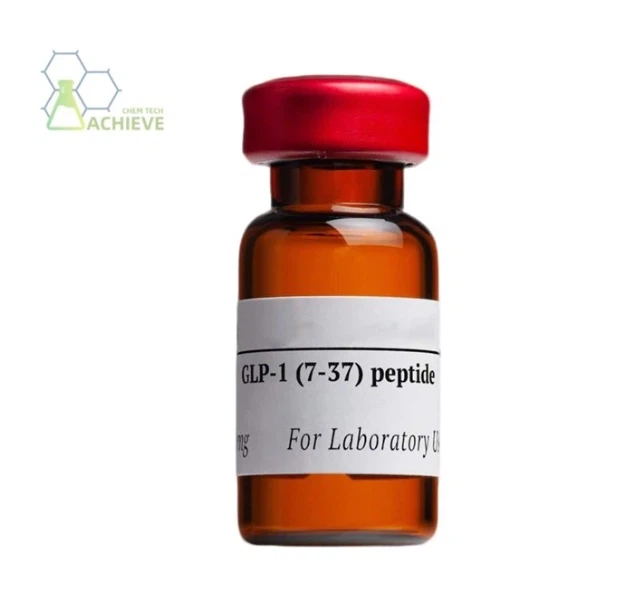


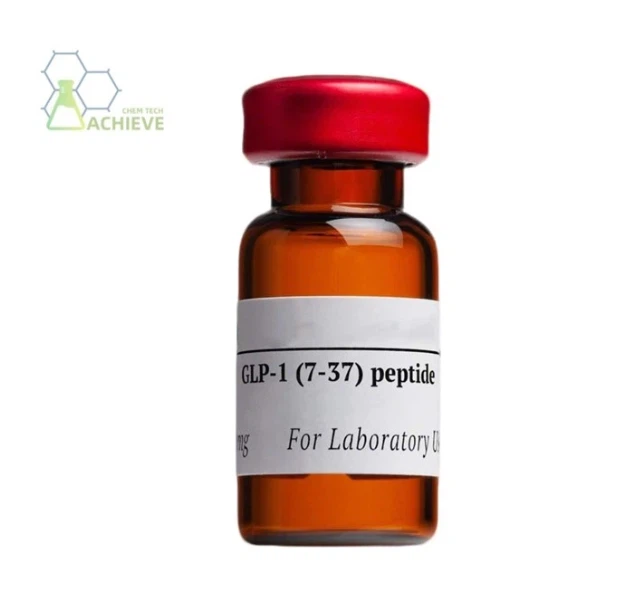
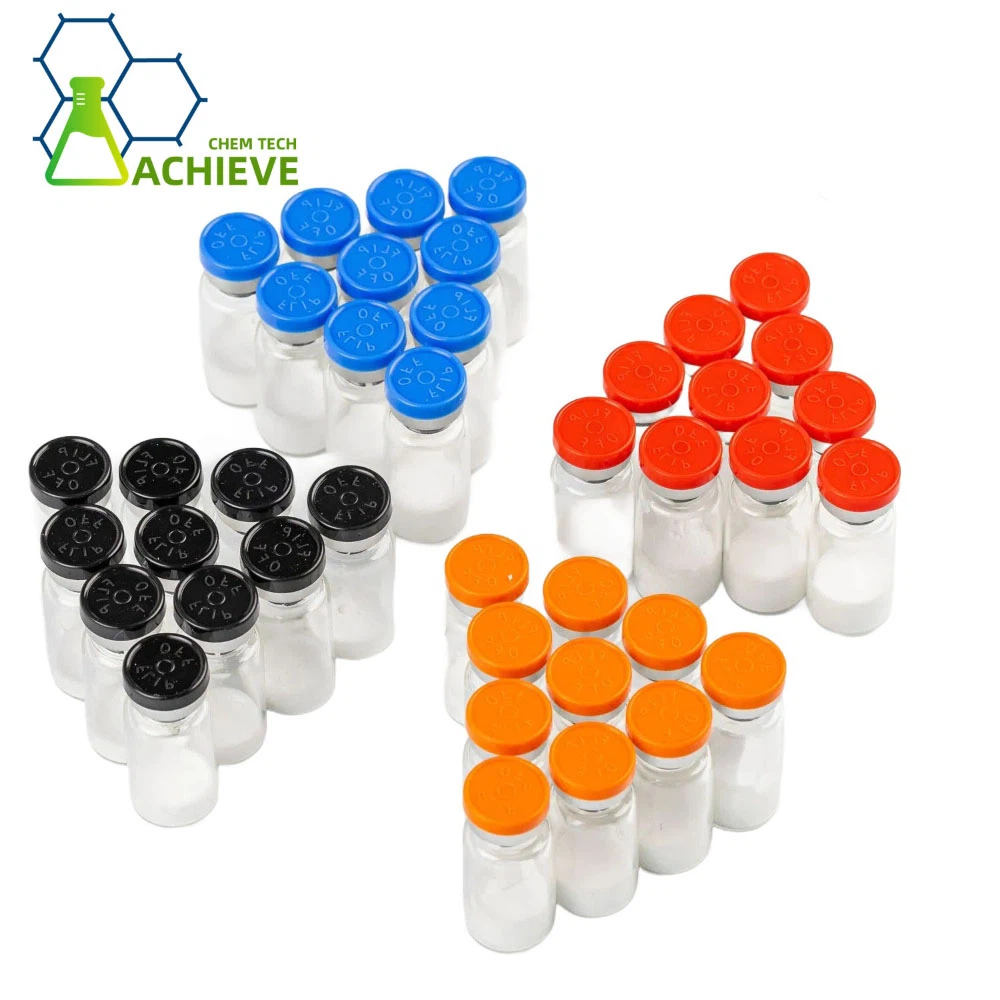
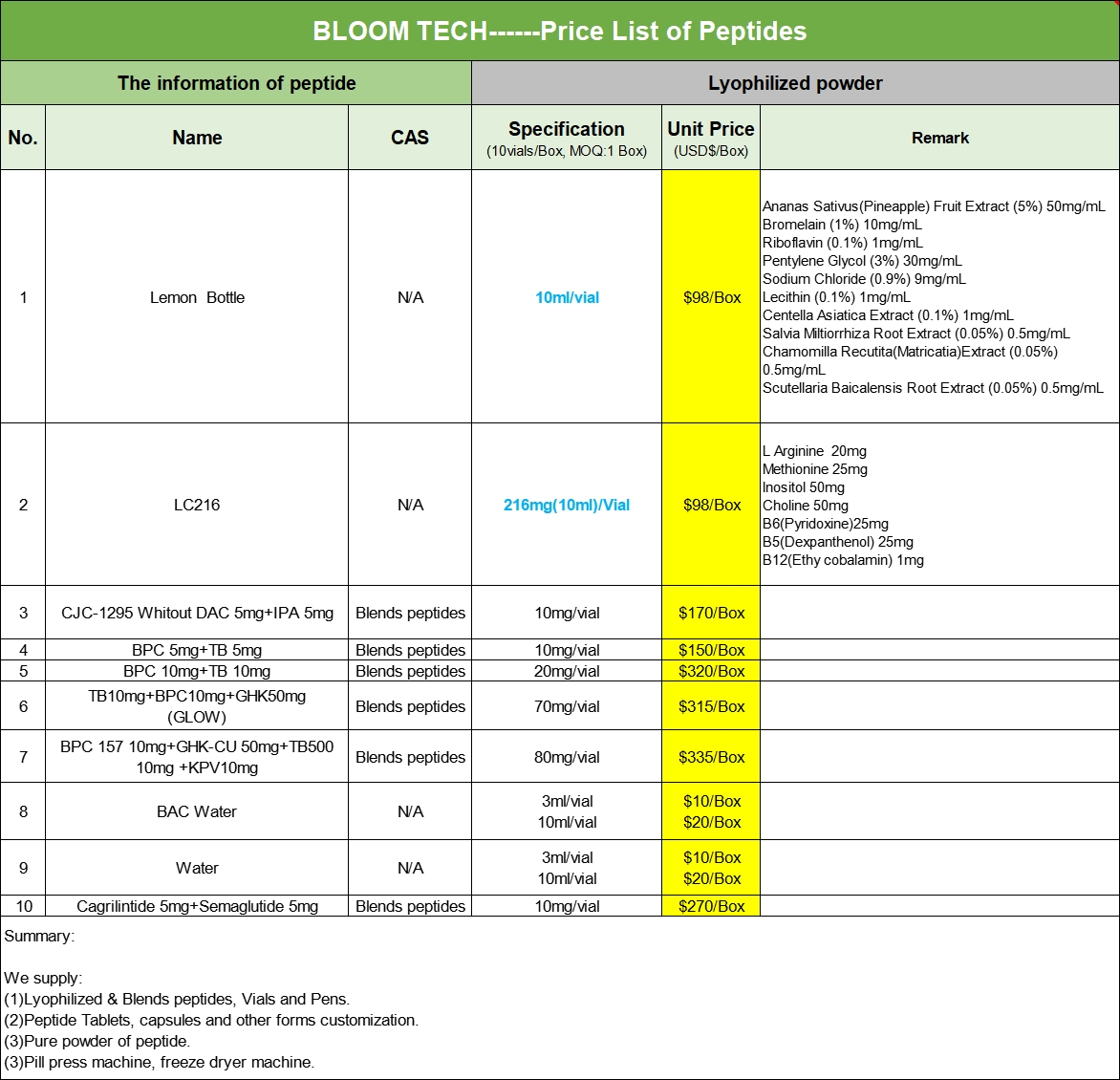
Shaanxi BLOOM Tech Co., Ltd. is one of the most experienced manufacturers and suppliers of glp-1 (7-37) in China. Welcome to wholesale bulk high quality glp-1 (7-37) for sale here from our factory. Good service and reasonable price are available.
GLP-1 (7-37), as a type of active peptide secreted by the intestine, with its unique molecular structure and targeted recognition ability, can accurately dock with physiological regulatory sites related to the gastrointestinal tract. Through gentle and targeted intervention, it deeply intervenes in the core processes of gastrointestinal metabolism, thereby achieving precise maintenance and dynamic balance of postprandial metabolic homeostasis in the body. In the gastrointestinal regulatory process involving this, there are three core intervention effects that are particularly prominent and indispensable.
The three do not act in isolation, but form a closely coordinated and interconnected regulatory pattern, namely, the smooth regulation of postprandial blood dextrose at the gastrointestinal level, the soothing intervention of carbohydrate absorption rhythm, and the specific activation of satiety related signals.
Products Overview



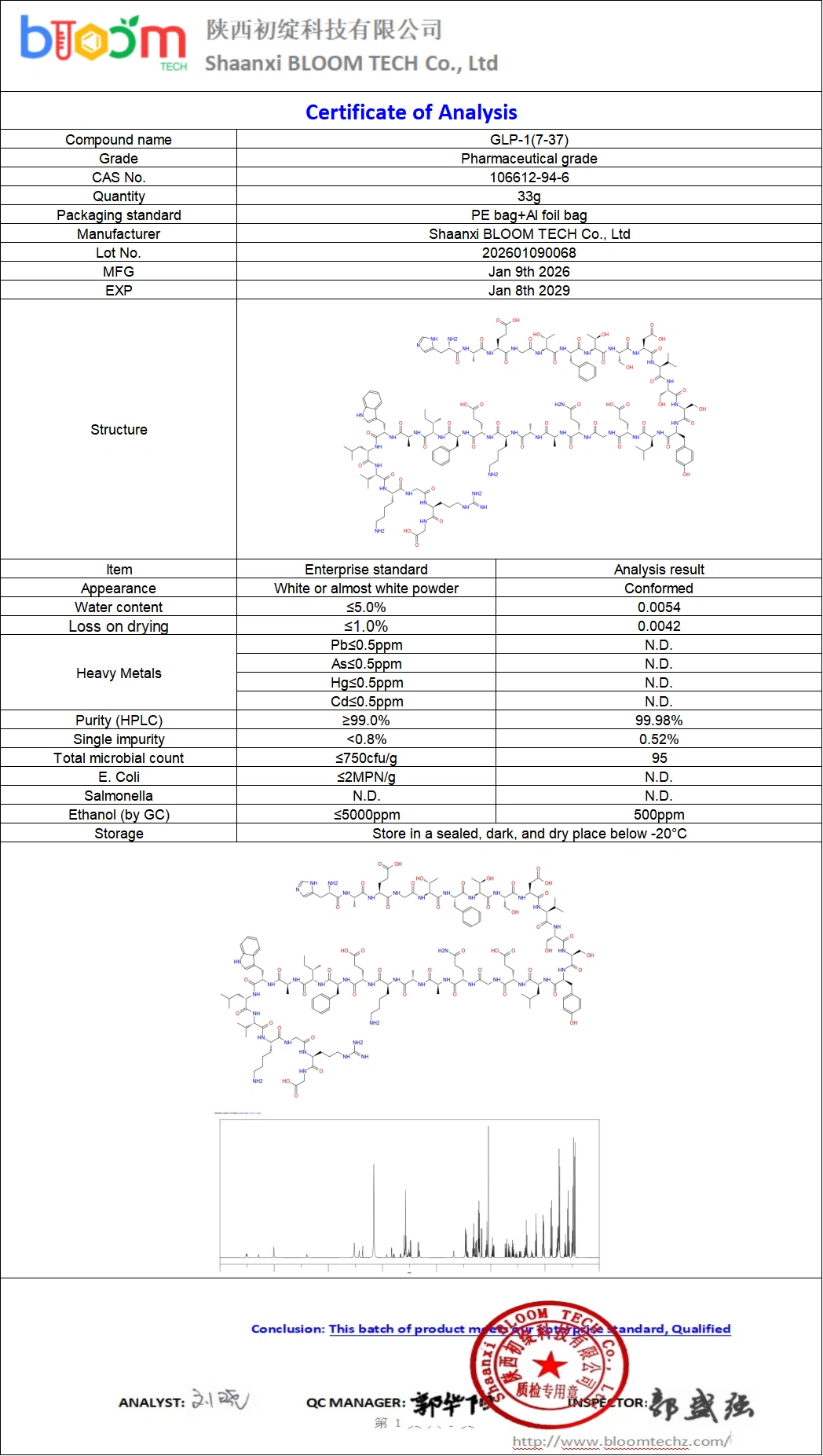
GLP-1 (7-37) COA


These three effects complement and support each other, jointly building the core system of postprandial metabolism regulation mediated by it, laying a solid foundation for the overall metabolic balance of the body. At the same time, each effect has its own unique regulatory logic, action pathway, and performance characteristics, and plays its own exclusive role in postprandial metabolism regulation, jointly promoting the orderly development of gastrointestinal metabolism process and demonstrating the core value of this peptide in gastrointestinal metabolism regulation.
Stable maintenance effect of postprandial blood dextrose at the gastrointestinal level
The core of the regulation of postprandial blood dextrose by GLP-1 (7-37) is the word "steady", which is different from the intense regulation of ups and downs. Its intervention process is mild and adaptable to different scenarios, which can be elaborated from the following dimensions:

Firstly, the scenario specificity of regulation is only activated when there is an upward trend in postprandial nutrient intake and blood dextrose levels, with almost no intervention effect in fasting state. This scenario dependence can avoid interference with baseline blood dextrose levels and reduce the potential risk of metabolic disorders;
Secondly, the mildness of the regulatory effect is not achieved by effectively suppressing blood sugar to achieve steady state, but by soothing and regulating the physiological processes related to the gastrointestinal tract, slowing down the rate of blood sugar rise, lowering the peak blood sugar, and avoiding fluctuations caused by rapid blood sugar drop, so that postprandial blood sugar remains within a reasonable range.
Thirdly, the sustainability of regulation, the regulatory effect of this peptide after meals can be maintained for a certain period of time, covering the entire nutrient absorption cycle, from the moment food enters the gastrointestinal tract to the moment when nutrients are basically absorbed, continuously playing a role in stabilizing blood sugar and ensuring the orderliness of postprandial metabolic processes;
Fourthly, the synergy of regulation forms a linkage with the metabolic regulation mechanism of the gastrointestinal tract itself, which does not play a separate role, but enhances the blood dextrose regulation potential of the gastrointestinal tract itself, achieving a stable regulatory effect of "internal and external synergy" and reducing the deviation that may occur in a single regulatory pathway.

Data source:
Tang-Christensen M, Madsbad S, Holst JJ. Glucagon-like peptide 1 (7-37) and dextrose-dependent insulinotropic polypeptide (1-42) in type 2 diabetes: responses to oral dextrose and arginine. European Journal of Endocrinology, 1996, 134(3): 304-310.
Larsen PJ, Vilsbøll T, Holst JJ. Glucagon-like peptide 1: a potential therapeutic agent for type 2 diabetes. Expert Opinion on Investigational Drugs, 2001, 10(11): 2039-2051.
Slowing down the absorption rhythm of carbohydrates and avoiding sudden increases in blood sugar
GLP-1 (7-37) can prevent a sudden increase in postprandial blood dextrose from the source by intervening in the absorption process of carbohydrates in a targeted manner. Its intervention mechanism has multi link characteristics, as shown below:

1. Targeted intervention of absorption pathways mainly acts on the absorption channels of carbohydrates in the gastrointestinal tract. By slightly changing the activity status of the absorption channels, it reduces the efficiency of carbohydrates penetrating the gastrointestinal mucosa into the bloodstream and slows down the absorption rhythm
2. Gradient regulation of absorption rate does not completely block the absorption of carbohydrates, but rather regulates the absorption rate within a reasonable gradient range, ensuring that the body obtains necessary energy supply and avoiding a large amount of carbohydrates from entering the bloodstream in a short period of time, leading to a sharp rise in blood sugar.


3. Blocking the association with sudden blood dextrose rise can effectively break the vicious cycle of "large amount of carbohydrates intake rapid absorption sudden blood dextrose rise" by slowing down carbohydrate absorption. Especially in high carbohydrate intake scenarios, this intervention effect is more significant, which can significantly lower postprandial blood dextrose peak values and shorten the duration of high blood dextrose levels.
4. Individual adaptability: The slowing effect on carbon and water absorption can be slightly adjusted according to the metabolic status of the body. When the metabolic rate is slow, the slowing effect is moderately enhanced, and when the metabolic rate is fast, the slowing effect is slightly weakened to ensure that it matches the overall metabolic rhythm of the body.


This peptide has clear targeted and multi link characteristics in regulating the process of carbohydrate absorption. The core is to slow down the rhythm of carbohydrate absorption through multidimensional intervention, and avoid the risk of postprandial blood glucose spikes from the source. It does not block the absorption of carbohydrates, but rather breaks the vicious cycle of rapid absorption of carbohydrates and sudden increase in blood sugar by targeting and intervening in absorption channels and gradient regulation of absorption rates.
At the same time, the intervention intensity can be dynamically adjusted according to the metabolic status of the body, achieving precise regulation that adapts to individuals. It not only ensures energy supply to the body, but also effectively lowers the peak postprandial blood sugar and shortens the duration of high blood sugar levels, providing important support for stable postprandial blood sugar.

Data source:
Holst JJ. The role of gut hormones in the regulation of food intake and energy homeostasis. Nature Reviews Endocrinology, 2009, 5(10): 569-579.
Baggio LL, Drucker DJ. Incretin hormones: their role in health and disease. Diabetes, Obesity and Metabolism, 2006, 8(4): 422-430.
Activation and regulation of satiety related signals
GLP-1 (7-37) can participate in the regulation of the body's feeding rhythm by activating satiety related signals. Its activation mechanism has specificity and conductivity, which can be analyzed from the following aspects:

- The specificity of signal activation can accurately target the activation of satiety related regulatory signals (POMC), without affecting other feeding related signal transduction, ensuring the accuracy of regulation and avoiding feeding abnormalities caused by signal disorders;
- The coherence of signal transmission, after activating the satiety signal, can transmit satiety information to the feeding regulatory center of the body through specific transmission pathways, causing the body to produce a clear sense of satiety and thereby inhibiting feeding desires.
- The persistence of the signal effect. After the satiety signal is activated, its effect can be maintained for a certain period of time to avoid the disappearance of satiety perception in a short period of time, leading to overeating. At the same time, the signal intensity can be dynamically adjusted according to the feeding situation. The more food is consumed, the stronger the signal activation effect, and the more obvious the satiety perception;
- Linkage with gastrointestinal status, the activation of satiety signals is linked to gastrointestinal filling status. When the food filling level in the gastrointestinal tract is high, the activation effect of this peptide on satiety signals will be further enhanced, enhancing satiety perception. Conversely, it will be moderately weakened, achieving a synergistic regulation of "gastrointestinal status satiety signal feeding behavior".

Data source:
Rayner CK, Jones KL, Horowitz M. The role of glucagon-like peptide 1 in the regulation of gastric emptying and appetite. Current Opinion in Endocrinology, Diabetes and Obesity, 2011, 18(1): 6-12.

In summary, the stable regulation of postprandial blood dextrose, the effective slowing down of carbohydrate absorption rhythm, and the precise activation of satiety signals at the gastrointestinal level constitute the three core physiological effects of this active peptide in regulating postprandial metabolism.

These three mechanisms are closely interrelated and synergistically enhance one another. Moderately delaying the digestion and absorption of carbohydrates provides a fundamental basis for maintaining smooth and stable postprandial blood dextrose fluctuations, avoiding sharp spikes. At the same time, activating gastrointestinal satiety signals helps reduce excessive food intake and suppress overeating, which further supports long-term blood dextrose stability. Collectively, these effects form an efficient, gentle, and physiologically coordinated postprandial metabolic regulatory system, effectively safeguarding the overall dynamic metabolic balance of the body.
References
Nauck MA, Meier J. Incretin-based therapies for type 2 diabetes mellitus. Nature Reviews Endocrinology, 2012, 8(12): 728-742.
Müller TD, Finan B, Yang J, et al. Glucagon-like peptide 1 receptor agonists: a new class of medications for the treatment of type 2 diabetes. Journal of Endocrinology, 2019, 242(3): R159-R183.
Deacon CF. The physiology of glucagon-like peptide 1. Diabetologia, 2017, 60(12): 2086-2095.
Højgaard B, Wettergren A, Holst JJ. Glucagon-like peptide 1 inhibits food intake by activating the hindbrain melanocortin system. American Journal of Physiology - Regulatory, Integrative and Comparative Physiology, 2005, 289(3): R834-R841.
Hot Tags: glp-1 (7-37), suppliers, manufacturers, factory, wholesale, buy, price, bulk, for sale