



Shaanxi BLOOM Tech Co., Ltd. is one of the most experienced manufacturers and suppliers of 2-benzothiazolamine cas 136-95-8 in China. Welcome to wholesale bulk high quality 2-benzothiazolamine cas 136-95-8 for sale here from our factory. Good service and reasonable price are available.
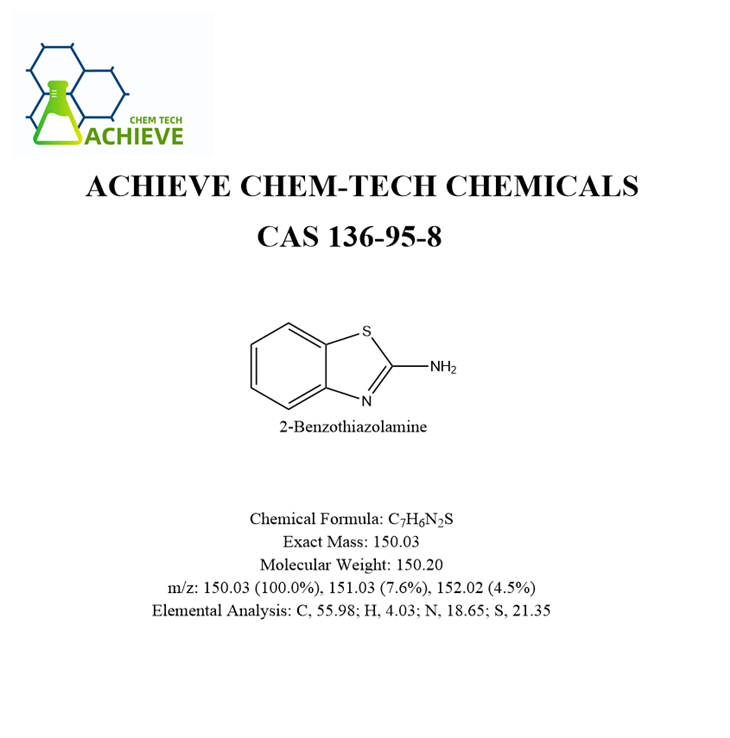
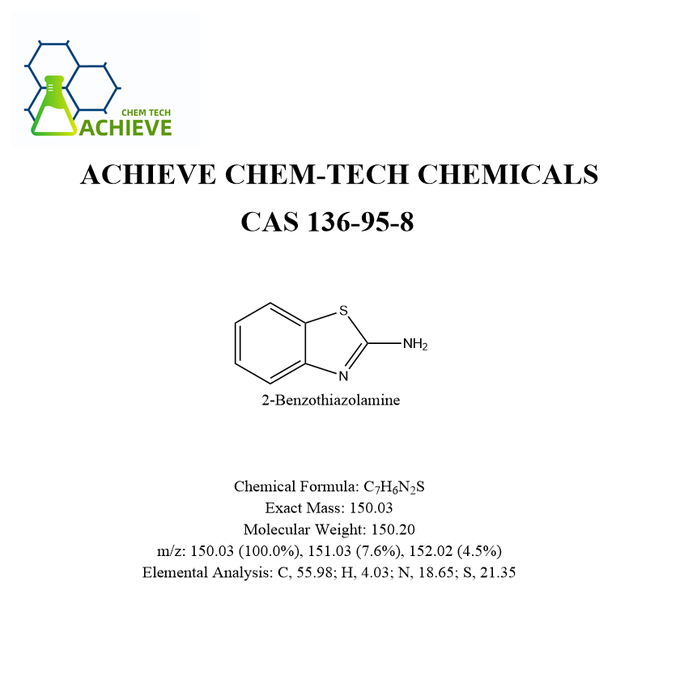
2-Benzothiazolamine, also known as 2-aminobenzothiazole, is a heterocyclic aromatic compound belonging to the benzothiazole family. It features a benzothiazole ring system where a nitrogen atom replaces one of the carbon atoms in the benzene ring, and an amino group (-NH2) is attached to the sulfur-adjacent carbon atom at the 2-position. This unique structure endows it with distinct chemical properties and a wide range of applications.
In the realm of organic synthesis, it serves as an important intermediate for the preparation of various derivatives, including pharmaceuticals, pesticides, and dyes. Its amino group can undergo a variety of reactions, such as acetylation, sulfonation, and alkylation, enabling the synthesis of a plethora of specialized compounds with tailored properties.
Pharmaceutically, certain derivatives exhibit antibacterial, antifungal, and antitumor activities. They are explored as potential candidates for the development of new therapeutic agents against infectious diseases and cancer.
Moreover, due to its ability to absorb light in the ultraviolet region, its derivatives find applications in the production of UV absorbers and stabilizers for polymers, protecting materials from degradation caused by sunlight.
In summary, with its versatile structure and properties, plays a pivotal role in various industrial fields, contributing to advancements in healthcare, materials science, and beyond.

|
|
|
|
Chemical Formula |
C7H6N2S |
|
Exact Mass |
150.03 |
|
Molecular Weight |
150.20 |
|
m/z |
150.03 (100.0%), 151.03 (7.6%), 152.02 (4.5%) |
|
Elemental Analysis |
C, 55.98; H, 4.03; N, 18.65; S, 21.35 |

Dye intermediate. Used in the production of Cationic Violet 3RL. Also used in the synthesis of 3-methylbenzothiazole hydrazone for the production of Cationic Violet 2RL, etc. It is also a raw material for other organic syntheses.
A neutral carrier (ion carrier) used to construct a polyvinyl chloride membrane electrode for the determination of Ce 3 + ions. 2-Aminobenzothiazole is chemically bonded to multi-walled carbon nanotubes to form an adsorbent for the separation of Pb (II) from aqueous samples.
What is Cationic Violet 3RL
Cationic Violet 3RL, also known as Basic Violet 3RL or C.I. Basic Violet 10, is a synthetic organic dye belonging to the cationic dye class. This particular dye is characterized by its intense violet color and positive ionic charge, which enables it to interact strongly with negatively charged surfaces, such as those found in anionic substrates like cotton, wool, and silk.
The chemical structure of Cationic Violet 3RL includes aromatic rings and nitrogen-containing heterocyclic groups, contributing to its stability and colorfastness properties. It is highly soluble in water and commonly used in the textile, paper, and leather industries for coloring purposes. Due to its cationic nature, it readily binds to the anionic sites on the fiber surfaces, resulting in vivid and durable hues.
Beyond its application in dyeing, Cationic Violet 3RL also finds use in biological staining, particularly in microbiology where it can stain bacterial cells due to their negatively charged outer membranes. This staining capability aids in the visualization and identification of microorganisms under a microscope.
Moreover, Cationic Violet 3RL complies with certain safety standards when used appropriately, but like any chemical dye, it requires careful handling and disposal to minimize environmental impact. Overall, Cationic Violet 3RL stands out as a versatile and effective dye with a wide range of industrial and scientific applications.
|
|
|


What is ion carrier
An ion carrier, also known as an ion exchanger or ion transporter, is a crucial component in various scientific and technological fields, particularly in chemistry, biology, and engineering. It refers to a substance or a molecule that facilitates the movement or transfer of ions across membranes or within solutions. These carriers can be natural or synthetic and play a vital role in maintaining electrochemical balance and enabling essential biological processes.
In the context of biology, ion carriers often refer to transmembrane proteins embedded in cellular membranes. These proteins have specific binding sites for ions, allowing them to selectively transport ions such as sodium, potassium, calcium, and chloride across the membrane. This selective permeability is crucial for generating electrical signals in neurons, maintaining osmotic balance in cells, and regulating muscle contraction.
In water treatment and industrial processes, synthetic ion carriers like ion exchange resins are widely used. These resins are designed to attract and hold ions of a particular charge, facilitating the purification of water and the separation of ions in chemical reactions. For instance, in water softening, ion exchange resins remove hardness ions like calcium and magnesium, improving the quality of water for various applications.
Overall, ion carriers are indispensable for maintaining physiological functions, enhancing industrial processes, and ensuring the purity and functionality of various systems. Their unique ability to selectively transport ions makes them fundamental to a wide range of scientific and technological advancements.

Synthesis Methods
Method 1
The primary method for synthesizing 2-Benzothiazolamine involves the reaction between phenylthiourea and sulfur chloride. The detailed steps are as follows:
- Preparation of Reactants: First, dry chloroform is added to a reaction vessel. Phenylthiourea is then introduced into the vessel under stirring.
- Reaction Conditions: The temperature is gradually increased to 60-63°C to evaporate any water-containing chloroform. The mixture is then cooled to 40°C before sulfur chloride is added. It is crucial to maintain a gas-phase temperature not exceeding 40°C to prevent material agglomeration.
- Reaction Process: After the addition of sulfur chloride, the temperature is gradually increased to 61°C over 4 hours and maintained at 61-64°C for a reflux reaction lasting 10 hours.
- Post-Processing: The reaction mixture is then transferred to a distillation vessel containing a certain amount of water and activated carbon. Chloroform is recovered by direct steam distillation until the liquid-phase temperature reaches 98°C and is maintained for 15 minutes. After recovery, the mixture is diluted with water, cooled with ice, neutralized with aqueous sodium hydroxide to a pH of 4.1, and stirred with activated carbon. The mixture is then cooled, filtered, and the filtrate is neutralized with 30% aqueous sodium hydroxide to a pH of 7.0-7.6. Finally, the mixture is cooled to 35-40°C, filtered under pressure, and dried (at a temperature not exceeding 80°C) to obtain the final product.
method 2
- Using Sulfur Chloride as a Ring-Closing Agent: Chloroform is added to a reactor, followed by dry 1-methyl-3-phenylthiourea. The mixture is stirred at a temperature of 50-60°C, and sulfuryl chloride is added for a reaction lasting 2 hours. After cooling, the mixture is added to water to separate layers, and the solvent is removed to obtain the product.
- Reaction of 2-Mercaptobenzothiazole: 2-Mercaptobenzothiazole can react with Na2S2O5 and CH3NH2, or with 2-aminobenzothiazole and CH3NH2 in the presence of NaHSO3, to produce 2-Methylaminobenzothiazole.
Chemical properties
2-Benzothiazolamine, also known as 2-aminobenzothiazole, is an organic compound belonging to the benzothiazole family. It features a benzothiazole ring structure where a nitrogen atom replaces one of the carbon atoms in the thiazole ring, and an amino group (-NH2) is attached at the 2-position of the benzothiazole skeleton.
Chemically, it exhibits several notable properties. It is a white or light-colored crystalline solid with a moderate melting point. The compound is relatively stable under normal conditions but can undergo various reactions due to its amino and benzothiazole functionalities. For instance, the amino group can participate in substitution reactions, allowing the introduction of different substituents. Additionally, the benzothiazole ring can undergo electrophilic aromatic substitution reactions at the benzene portion.
It is also known for its ability to form hydrogen bonds through its amino group, influencing its solubility and interaction with other molecules. In aqueous solutions, it may exhibit weak basic properties due to the amino group's capacity to accept protons.
Furthermore, this compound has been found to exhibit fluorescent properties, making it potentially useful in optical and sensing applications. However, its chemical reactivity and stability can be influenced by factors such as pH, temperature, and the presence of catalysts or other reactive species.
Overall, its unique chemical structure and properties make it a versatile building block for synthesizing various organic compounds with potential applications in materials science, pharmaceuticals, and other fields.

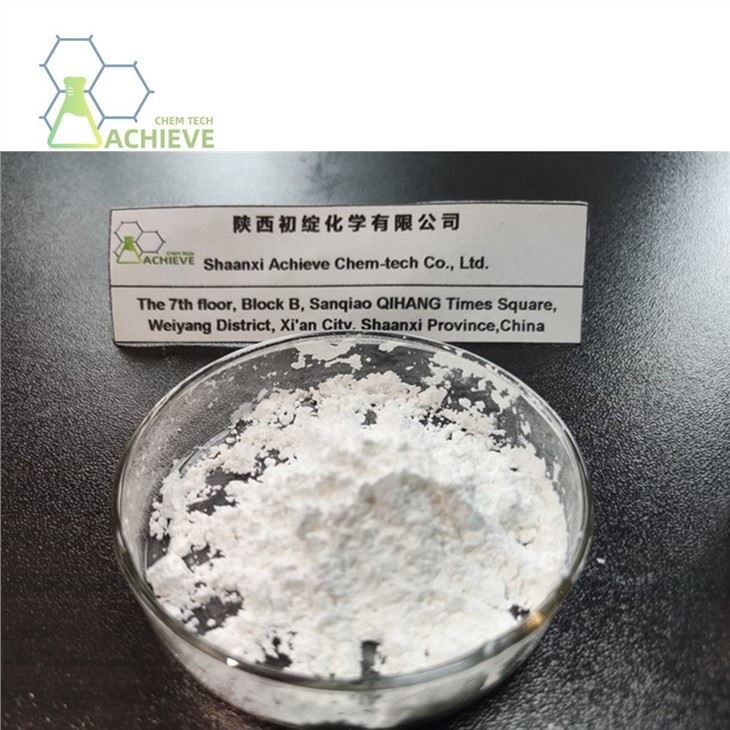
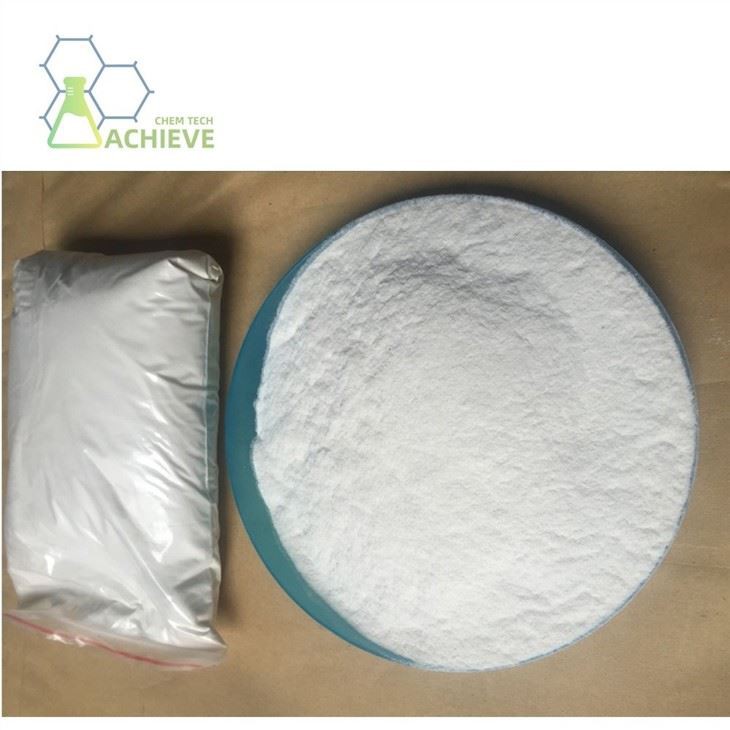
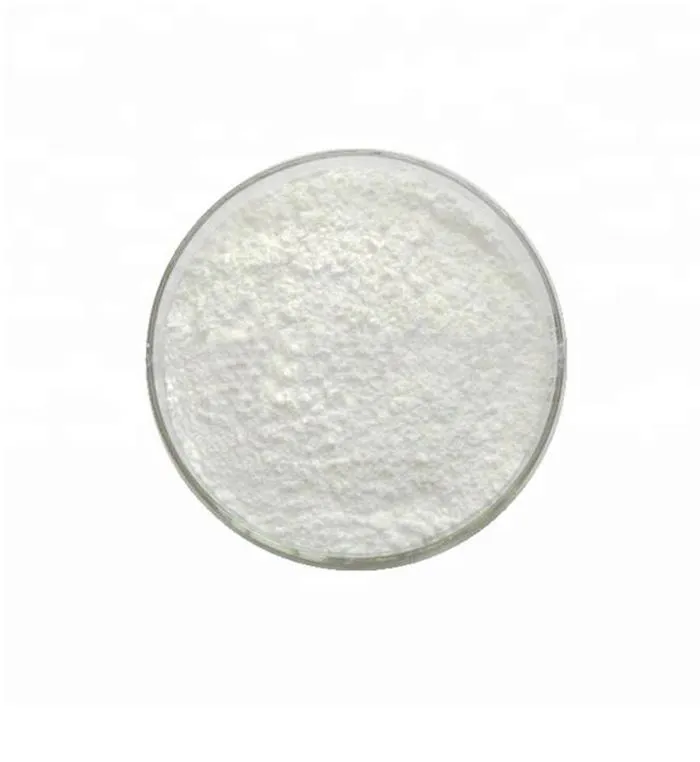
2-Benzothiazolamine is a nitrogen-containing heterocyclic compound with the molecular formula C₇H₆N₂S. At room temperature, it is an odorless grayish-white to white powder. Its safety and stability need to be particularly emphasized in industrial applications. The following analysis is conducted from four aspects: physical and chemical properties, operational safety, environmental risks, and stability.
Physical and Chemical Properties and Safety
Toxicity and Irritation Risk
2-Amino-benzothiazole is a hazardous substance (Xn, Xi category), which may cause health problems through inhalation, skin contact, or accidental ingestion. Experimental results show that its dust is irritating to the eyes and respiratory tract. After contact, it is necessary to immediately rinse with a large amount of water and remove contaminated clothing. Although there are no clear data on carcinogenicity or reproductive toxicity at present, long-term exposure may have potential effects on organs such as the liver and kidneys. It is recommended to wear protective gloves, goggles, and a gas mask during operation.
Environmental Risk
The acute toxicity of this compound to aquatic organisms (such as water fleas) is relatively low (EC₅₀ > 1 mg/L), but the persistence and bioaccumulation in the environment have not been clearly determined. Waste disposal should follow local regulations and avoid direct discharge into water bodies or soil.
Safety in Operation and Storage
Operation Specifications
2-Amino-benzothiazole should only be used in well-ventilated laboratories or industrial sites, away from fire sources, heat sources, and strong oxidants (such as potassium permanganate, concentrated nitric acid). During operation, dust dispersion should be prevented, and inhalation or skin contact should be avoided. In case of leakage, the area should be isolated immediately, protective equipment should be worn, the leakage material should be collected, and it should be disposed as hazardous waste.
Storage conditions
This compound is stable at normal temperature and pressure. However, it needs to be stored in a sealed container in a cool (<30℃), dry, and well-ventilated environment to avoid contact with strong acids, strong bases, or heavy metal salts. The storage container should be labeled with "hazardous substances" and kept away from food, beverages, and animal feed.
Stability Analysis

Thermal Stability
The melting point of 2-aminobenzothiazole is 129-134℃, and its boiling point is approximately 307.5℃ (760 mmHg). It is not prone to decomposition within the normal temperature range. However, it may release toxic gases (such as hydrogen sulfide, nitrogen oxides) at high temperatures, so heating operations should be carried out in a fume hood and equipped with a gas absorption device.

Chemical Stability
This compound is stable in neutral or weakly acidic conditions, but it may undergo hydrolysis in a strongly alkaline environment, generating benzothiazole ketone derivatives. Additionally, the amino group (-NH₂) in its molecule may participate in redox reactions, and it should avoid contact with strong oxidants.

Light Stability
Lorem ipsum dolor sit amet,consectetur a2-aminobenzothiazole is not sensitive to light, but long-term exposure to ultraviolet rays may cause color changes (such as yellowing). It is recommended to store it in a dark place to maintain its appearance stability.
Hot Tags: 2-benzothiazolamine cas 136-95-8, suppliers, manufacturers, factory, wholesale, buy, price, bulk, for sale, BENZENE D6, 3 Phenyltoluene, 2 4 Quinolinediol, squaric acid treatment, DIMETHYLPHOSPHINE OXIDE, gs 441524 remdesivir