



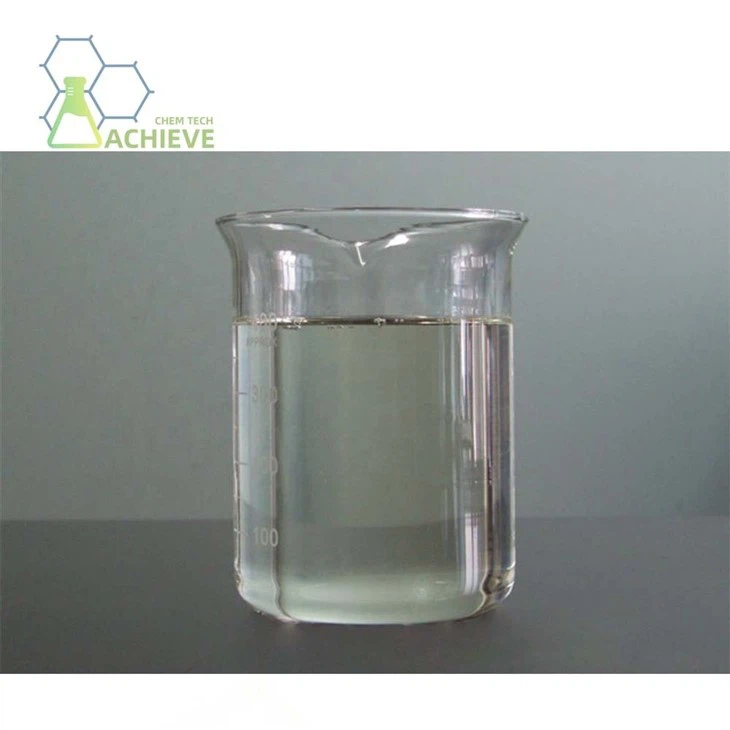
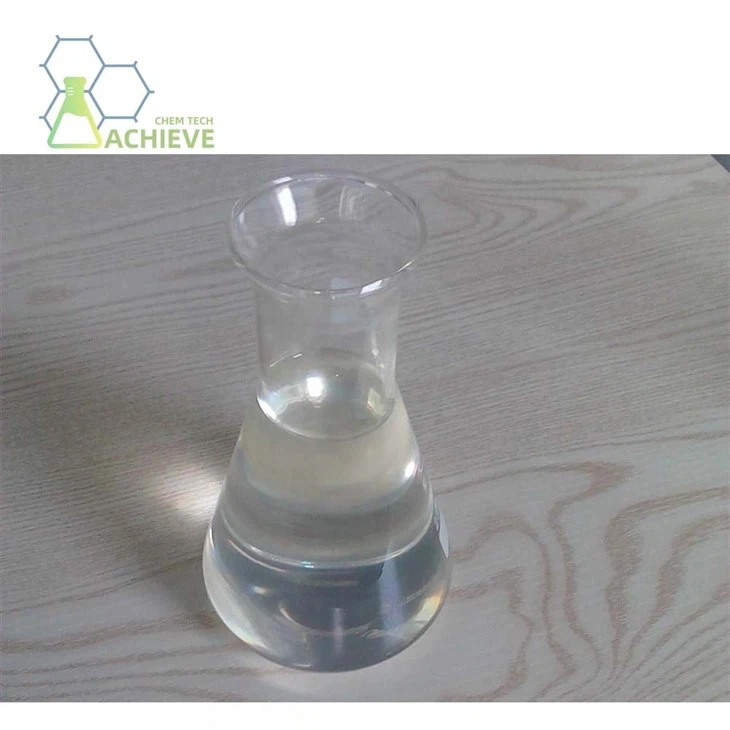
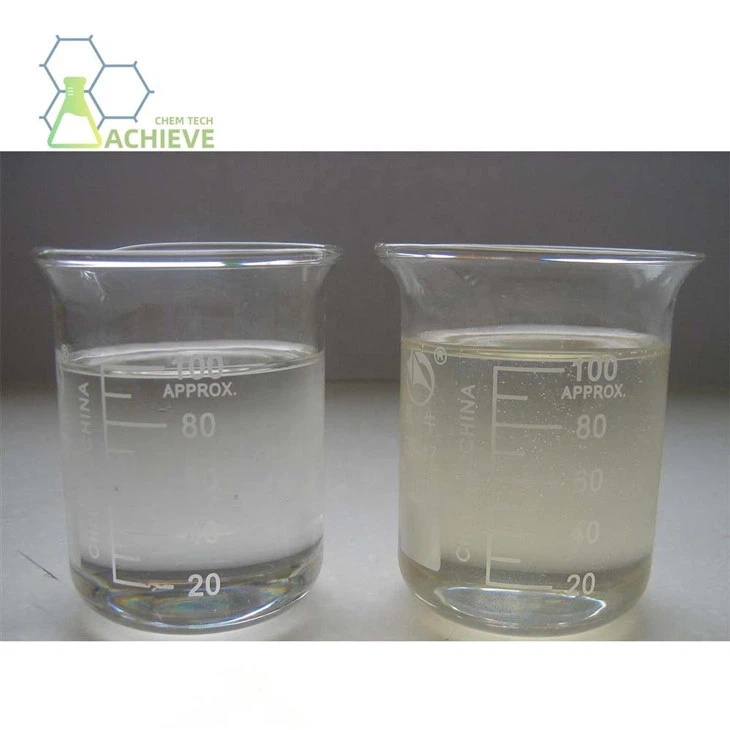

Shaanxi BLOOM Tech Co., Ltd. is one of the most experienced manufacturers and suppliers of 3-fluorophenol cas 372-20-3 in China. Welcome to wholesale bulk high quality 3-fluorophenol cas 372-20-3 for sale here from our factory. Good service and reasonable price are available.
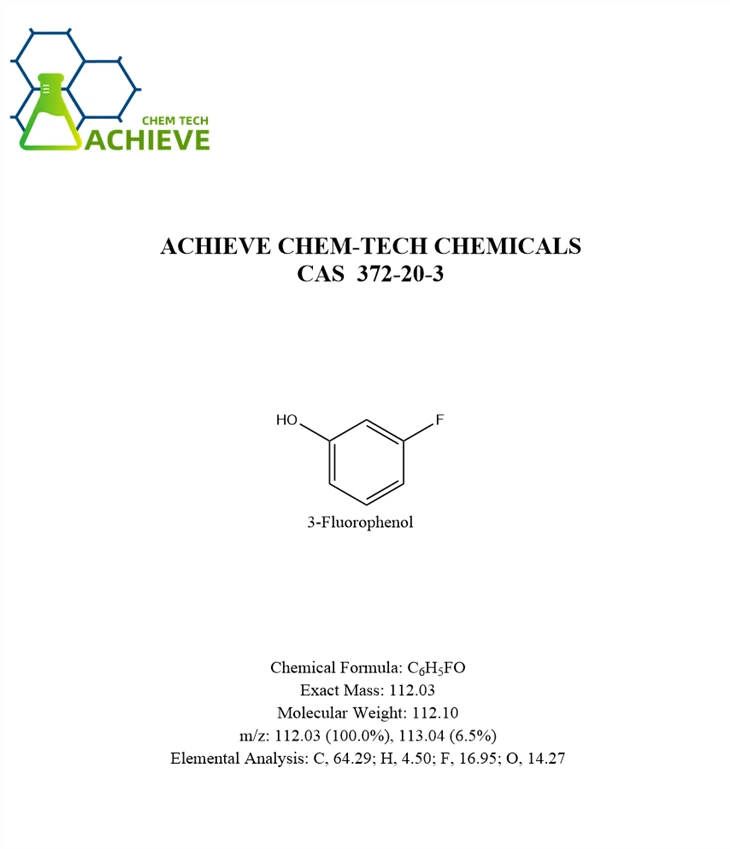
The molecular characteristics of 3-fluorophenol extend far beyond its traditional role as a synthetic intermediate. The essence lies in the fact that the fluorine atom at the meta position, through a strong electron-withdrawing induction effect, precisely regulates the acidity of the phenolic hydroxyl group and the distribution of electron clouds at various positions on the benzene ring, forming a multifunctional aromatic system with strong hydrogen bond donors, weak hydrogen bond acceptors, and specific dipole moments.
This property makes it a key building block in supramolecular assembly and advanced material design: it can not only form stable O-H⋯N/O hydrogen bond dimer chains through the orientation of the hydroxyl group, but its fluorine atom can also act as a structure-sensitive "spectral probe", monitoring the dynamic changes in the self-assembly process in real time through 19F nuclear magnetic resonance; at the same time, this molecule is also an ideal choice for constructing hydrogen bond organic framework materials with stimulus responsiveness (such as photochromism), and its unique electronic structure also shows great potential in the development of new liquid crystal materials and high-mobility organic semiconductors.
Additional information of chemical compound:
|
Chemical Formula |
C6H5FO |
|
Exact Mass |
112.03 |
|
Molecular Weight |
112.10 |
|
m/z |
112.03 (100.0%), 113.04 (6.5%) |
|
Elemental Analysis |
C, 64.29; H, 4.50; F, 16.95; O, 14.27 |
|
Melting point |
8-12℃(lit.) |
|
Boiling point |
178℃(lit.) |
|
Density |
1.238 g/mL at 25℃(lit.) |
|
|
|


3-Fluorophenol is an important organic compound with a wide range of applications in various fields. The following is a detailed explanation of its purpose:
This substance is mainly used as an intermediate for synthesizing drugs in the pharmaceutical field. Due to the special chemical properties of fluorine atoms and hydroxyl groups in its structure, it can participate in various organic reactions, thereby synthesizing compounds with specific pharmacological activities. These compounds have a wide range of applications in the pharmaceutical field, including but not limited to the following aspects:


It can serve as a starting material for the synthesis of certain anti-tumor drugs. By introducing specific functional groups and side chains, drugs with inhibitory effects on tumor cell proliferation and diffusion can be synthesized, providing a new option for tumor treatment. It can also be used to synthesize compounds with antibacterial activity.
These compounds can destroy bacterial cell walls or inhibit bacterial metabolic processes, thereby achieving the goal of killing or inhibiting bacterial growth. In the treatment of infections, these drugs have a wide range of application prospects. It can also be used as an intermediate for synthesizing neural drugs. By introducing specific functional groups, drugs with regulatory effects on the nervous system can be synthesized for the treatment of neurological disorders such as depression and anxiety.

Pesticide intermediates

In the field of pesticides, the fluorine atoms in its structure can enhance the stability and biological activity of compounds, making it a key raw material for synthesizing efficient and low toxicity pesticides. It can be used to synthesize various insecticides. These insecticides have the characteristics of high efficiency, low toxicity, and broad spectrum, which can effectively kill or inhibit the growth and reproduction of pests, protecting crops from pest damage.
For example, fipronil is an insecticide that uses this substance as an intermediate and has excellent insecticidal effects and low toxicity. In addition to insecticides, it can also be used for synthesizing herbicides. These herbicides can selectively kill or inhibit weed growth without affecting the normal growth of crops.


By using these herbicides, the yield and quality of crops can be improved, and agricultural production costs can be reduced. This substance can also be used for synthesizing fungicides. These fungicides can destroy the cellular structure of bacteria or inhibit their metabolic processes, thereby achieving the goal of killing or inhibiting bacterial growth. In agricultural production, the use of fungicides can effectively prevent and treat crop diseases, improve crop disease resistance and yield.
In the field of dyes, due to the special chemical properties of the hydroxyl and fluorine atoms in their structure, they can participate in various organic reactions, thus synthesizing dyes with special colors and properties. It can be used to synthesize various organic dyes. These dyes have excellent dyeing performance and stability, which can meet the dyeing needs of different textiles and leather products. By using these dyes, textiles and leather products can be endowed with rich colors and long-lasting color fastness. In addition to organic dyes, it can also be used for synthesizing fluorescent dyes.


These fluorescent dyes can emit bright light under ultraviolet irradiation and have a wide range of application prospects. For example, in biological research, fluorescent dyes can be used to label biomolecules such as cells and proteins, helping scientists better understand the structure and function of organisms. It can also be used to synthesize dyes with special functionality. These dyes not only have excellent dyeing performance, but also have special functions such as fire prevention, mold prevention, anti-static, etc. By using these functional dyes, the added value and market competitiveness of textiles and leather products can be improved.
This substance can be used as an important raw material for synthesizing various polymer materials. By introducing fluorine atoms and hydroxyl groups as key functional groups during polymerization, it can effectively regulate the molecular chain structure, intermolecular forces and surface properties of polymers, so as to improve the overall performance of materials and meet the application needs in different industrial fields.


For example, in the electronics industry, fluorinated polymer materials prepared with 3-fluorophenol can significantly enhance the insulation performance, high-temperature resistance and chemical stability of electronic components, reduce interference from external environments, and help improve the reliability and service life of electronic devices. In addition, this compound can also be used as an important intermediate in the synthesis of perfumes and essences. The flavor products synthesized from it have a unique and elegant aromatic characteristic, which can be used in food processing to enhance and enrich the taste and flavor of food, making the product more layered and acceptable to consumers.
Case Studies
► Agrochemical Application in Herbicide Formulation
The demand for effective and environmentally friendly herbicides is growing as agricultural practices evolve to meet the challenges of food security and sustainability. 3-Fluorophenol was investigated as a potential intermediate in the synthesis of a new class of herbicides targeting broadleaf weeds.

2) Synthetic Route and Challenges
The synthesis of the herbicide involved the condensation of 3-fluorophenol with a suitable aldehyde to form a chalcone intermediate, followed by cyclization to yield the final herbicide structure. The primary challenge was achieving high yields in the condensation reaction, as the phenol group was prone to oxidation under the reaction conditions.
3) Innovative Solution
To mitigate oxidation, the reaction was conducted under an inert atmosphere using a deoxygenated solvent. Additionally, a catalytic amount of a reducing agent was added to scavenge any traces of oxygen. These modifications significantly improved the yield of the chalcone intermediate to 85%. The subsequent cyclization step proceeded smoothly, yielding the herbicide with excellent purity.

4) Outcome
Field trials demonstrated that the herbicide formulated using 3-fluorophenol exhibited high efficacy against a broad spectrum of weeds while showing minimal toxicity to non-target crops. The fluorine substitution enhanced the herbicide's lipophilicity, improving its uptake by plant tissues. This case study highlights the potential of 3-fluorophenol in agrochemical synthesis and the importance of process optimization to ensure high yields and product quality.
► Materials Science Application in Fluorinated Polymers
Fluorinated polymers are valued for their thermal stability, chemical resistance, and low surface energy, making them suitable for applications in coatings, membranes, and advanced materials. 3-Fluorophenol was explored as a monomer in the synthesis of a novel fluorinated polymer with enhanced properties.

2) Synthetic Route and Challenges
The polymerization of 3-fluorophenol with a suitable diisocyanate was attempted to form a polyurethane. However, the phenol's reactivity posed challenges, as it could undergo side reactions with the isocyanate groups, leading to gelation or incomplete polymerization.
3) Innovative Solution
To control the reactivity, a two-step polymerization process was developed. In the first step, 3-fluorophenol was converted to a protected derivative using a silyl ether. This derivative was then polymerized with the diisocyanate under mild conditions. After polymerization, the silyl protecting group was removed, yielding the desired fluorinated polyurethane. This approach allowed for precise control over the molecular weight and architecture of the polymer.

4) Outcome
The resulting fluorinated polyurethane exhibited superior thermal stability and chemical resistance compared to its non-fluorinated counterparts. It was successfully applied as a coating material for high-temperature applications, demonstrating excellent adhesion and durability. This case study illustrates the potential of 3-fluorophenol in materials science and the value of protective group strategies in controlling polymerization reactions.
► Environmental Application in Wastewater Treatment
The removal of persistent organic pollutants (POPs) from wastewater is a significant environmental challenge. 3-Fluorophenol was investigated as a precursor for the synthesis of a novel adsorbent material capable of sequestering POPs from aqueous solutions.

2) Synthetic Route and Challenges
The adsorbent was synthesized by grafting 3-fluorophenol-derived functional groups onto a porous silica support. The primary challenge was achieving uniform grafting without blocking the pores of the silica, which would reduce the adsorbent's capacity.
3) Innovative Solution
A controlled grafting process was developed using a silane coupling agent bearing a reactive group that could react with 3-fluorophenol. The reaction conditions were optimized to ensure a low degree of grafting, preserving the silica's porosity. The resulting adsorbent was characterized by high surface area and a uniform distribution of fluorinated functional groups.

4) Outcome
Batch adsorption studies demonstrated that the fluorinated adsorbent exhibited high affinity for several POPs, including polycyclic aromatic hydrocarbons (PAHs) and phthalates. The adsorbent could be regenerated and reused multiple times without significant loss of capacity, making it a cost-effective solution for wastewater treatment. This case study highlights the potential of 3-fluorophenol in environmental applications and the importance of surface modification strategies in enhancing adsorbent performance.
Safety and Handling
Hazard Identification
3-Fluorophenol poses several hazards, including:
1) Toxicity: It is classified as harmful (Xn) due to its potential to cause skin and eye irritation, as well as systemic toxicity if ingested or inhaled.
2) Flammability: As a volatile liquid with a flash point of 71°C, it presents a fire hazard, especially in the presence of ignition sources.
3) Environmental Impact: Its persistence and potential to bioaccumulate necessitate careful handling to prevent environmental contamination.
Safety Measures
To mitigate risks, the following safety measures should be implemented:
1) Personal Protective Equipment (PPE): Operators should wear appropriate PPE, including gloves, goggles, and protective clothing, to minimize exposure.
2) Ventilation: Work areas should be well-ventilated to prevent the accumulation of vapors.
3) Storage: 3-Fluorophenol should be stored in cool, dry, and well-ventilated areas, away from incompatible materials such as strong oxidizing agents.
4) Emergency Preparedness: Facilities should have emergency response plans in place, including spill containment, fire suppression, and first aid procedures.
FAQ
What is 4-fluorophenol used for?
+
-
4-Fluorophenol is widely used intermediate in the industrial production of pharmaceuticals cisapride and Sabeluzole from Janssen, Sorbinil from Pfizer, Progabide from Synthelabo and more recently agrochemical specialities.
What is the density of 3-fluorophenol?
+
-
1.238 g/mL at 25 °C (lit.)
What is the CAS number of 3-fluorophenol?
+
-
F 1620 (OTTO) 3-Fluorophenol, 98% Cas 372-20-3 - used as reagent in chemical research.
Which is more acidic, fluorophenol or chlorophenol?
+
-
This happens because chlorine has extra vacant d-orbital for delocalisation of electrons which is not possible in fluorine atoms . Hence ,the conjugate base of p- chlorophenol is more stable and hence more acidic. -p-chlorophenol is more acidic than p-fluorophenol.
Hot Tags: 3-fluorophenol cas 372-20-3, suppliers, manufacturers, factory, wholesale, buy, price, bulk, for sale, Chemical Reagent, 10 bromobenzo d naphtho 1 2 b thiophene, CAS 2252237 87 7, 7 3 pyren 1 yl phenyl dibenzo c h acridine, CAS 606129 90 2, CAS 2244899 47 4