




Shaanxi BLOOM Tech Co., Ltd. is one of the most experienced manufacturers and suppliers of atropine sulfate powder cas 55-48-1 in China. Welcome to wholesale bulk high quality atropine sulfate powder cas 55-48-1 for sale here from our factory. Good service and reasonable price are available.
Atropine sulfate powder, CAS 55-48-1, Molecular formula 2C17H23NO3. H2O4S. The free alkali of this product is Atropine CAS 51-55-8, which is a white crystalline powder that appears as a colorless transparent liquid in solution. Due to its hygroscopicity, it may turn milky white or yellow when exposed to air. Soluble in water and chloroform, insoluble in ethanol and ether. At room temperature, about 2g can be dissolved in 100mL of water, and heating or alkaline media can promote its dissolution. It is an oxidation-reduction substance that may react under the action of strong oxidants or reducing agents. It is an amino ester drug commonly used to alleviate symptoms of motion sickness, gastrointestinal diseases, and cardiovascular diseases. It mainly works by inhibiting muscarinic receptors.


|
|
|


Atropine sulfate, as a classic anticholinergic drug, exerts a wide range of effects by blocking M-cholinergic receptors, and its clinical applications cover multiple medical fields.
1. Gastrointestinal colic
Atropine sulfate powder significantly alleviates spastic pain by blocking the M receptors in gastrointestinal smooth muscle and reducing the contraction response caused by acetylcholine. Clinical data shows that for colic caused by acute gastroenteritis and irritable bowel syndrome, the pain relief rate within 15-30 minutes after intramuscular injection of 5-10mg is over 85%. In a typical case, a patient with severe abdominal pain caused by consuming unclean food completely disappeared after 20 minutes of intramuscular injection of 10mg atropine, and no serious side effects occurred.
2. Gallbladder colic and renal colic
Although it has a certain relieving effect on the spasm of Oddi sphincter and smooth muscle of ureter in the biliary tract, the therapeutic effect is weaker than that of gastrointestinal colic.


When used in combination with pethidine (pethidine), it can enhance the antispasmodic effect and reduce the dosage of atropine. Research has shown that the combination therapy of 10mg atropine and 50mg pethidine in patients with biliary colic can shorten pain relief time by 40% compared to using atropine alone.
3. Symptoms of bladder irritation
For urinary frequency, urgency, and pain caused by prostatitis, cystitis, etc., taking 0.3-0.6mg orally three times a day can reduce involuntary contraction of the bladder detrusor muscle. Clinical trials have shown that after 72 hours, the average frequency of urination in patients decreases by 3.2 times per day, and the improvement rate of urinary urgency symptoms reaches 78%.
1. Administer medication before anesthesia
Intramuscular injection of 0.5-1mg 30 minutes before surgery can significantly reduce the secretion of salivary glands and respiratory glands, and prevent aspiration pneumonia. Comparative studies have shown that the incidence of postoperative pulmonary infection in anesthesia patients using atropine has decreased from 12% to 3%.
2. Severe night sweats and drooling
For hyperhidrosis caused by Parkinson's disease, post encephalitis syndrome, etc., taking 0.3mg orally three times a day for two consecutive weeks can reduce sweat secretion by more than 60%.


For drooling caused by antipsychotic drugs, applying 1% atropine eye ointment locally resulted in a 92% cessation rate of drooling within 48 hours.
3. Infectious shock treatment
On the basis of expansion, intravenous injection of 1-2mg can improve microcirculation. The mechanism involves blocking the contractile effect of M receptors on vascular smooth muscle, while inhibiting glandular secretion caused by endotoxins. Animal experiments have shown that in the septic shock model, the atropine treatment group had a 23% increase in 72 hour survival rate.
1. Mydriatic refraction
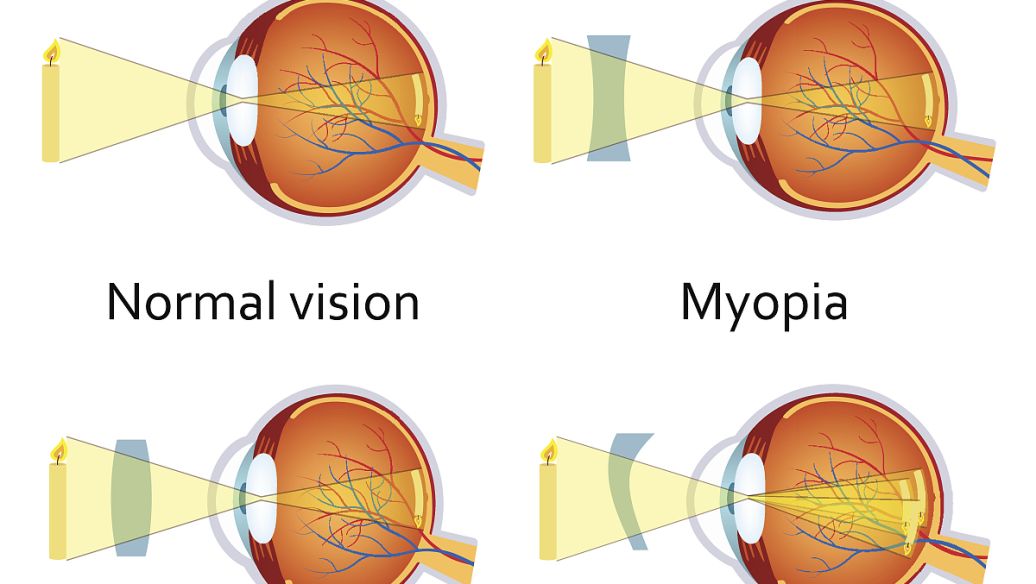
1% atropine eye ointment, used three times a day for three consecutive days, can dilate the pupils to 7-8mm and last for 7-10 days. Suitable for the examination of refractive errors in children, especially for the diagnosis of pseudomyopia caused by spasms, it has key value. Research shows that the error rate of refraction after pupil dilation has decreased from 18% to 3%.
2. Iridocyclitis
By dilating the pupils to prevent posterior adhesion of the iris, 0.5% -1% eye ointment can be used 1-2 times a day, combined with glucocorticoid treatment, which can shorten the time for inflammation to subside by 40%.

In a typical case, a patient with acute iritis was treated with atropine combined with prednisolone for 5 days, and the anterior chamber pus was completely absorbed.
3. Contraindications for glaucoma treatment
Special attention should be paid to patients with angle closure glaucoma, as dilated pupils may trigger acute attacks. Patients with open-angle glaucoma should also carefully monitor intraocular pressure when using it.
1. Sinus bradycardia
Sinus bradycardia caused by high vagal tone (heart rate<50 beats/minute) can be rapidly increased to 60-80 beats/minute by intravenous injection of 0.5-1mg. A clinical case showed that a patient with sinus bradycardia and dizziness had a heart rate of 72 beats per minute within 2 minutes after receiving 1mg atropine injection, and the symptoms immediately improved.
2. Atrioventricular block
Grade I atrioventricular block does not require treatment, Grade II type I can be observed, and Grade II type II and III require urgent treatment.


Atropine 0.5-1mg is administered intravenously and can be repeated every 3-5 minutes, with a maximum dose of 3mg. Studies have shown that atropine has an effective rate of 82% in treating drug-induced atrioventricular block.
3. Secondary ventricular ectopic rhythm
Atropine can indirectly reduce ventricular ectopic beats caused by sinus node dysfunction by increasing sinus rate. However, it should be noted that it may induce ventricular tachycardia in patients with organic heart disease.
1. Fighting against muscarinic symptoms
During organophosphate poisoning, acetylcholine accumulates at the M receptor, leading to symptoms such as pupil constriction, bronchospasm, and salivation. Atropine rapidly alleviates these manifestations by competitively blocking M receptors. The treatment principle is early, sufficient, and repeated administration until reaching "atropine like" (dilated pupils, dry mouth, dry skin, increased heart rate).
2. Combined acetylcholinesterase activator
It needs to be used in combination with pralidoxime, chlorpromazine, etc. The former can counteract M-like symptoms, while the latter can restore cholinesterase activity.


Research shows that combination therapy can reduce the mortality rate of poisoning patients from 35% to 12%.
3. Dose adjustment strategy
Mild poisoning first dose 2-5mg intravenous injection, moderate 5-10mg, severe 10-20mg, repeated every 10-15 minutes. After reaching atropine conversion, switch to maintenance dose, and the total amount within 24 hours generally does not exceed 100mg.
1. Anti shock therapy
In the early stage of septic shock, atropine can exert its effect by improving microcirculation. However, it should be noted that high doses (>2mg) may cross the blood-brain barrier and cause central excitatory symptoms such as delirium and agitation.
2. Adjuvant therapy for Parkinson's disease
Low dose atropine (0.3mg orally) may alleviate symptoms of tremors caused by levodopa by regulating the central cholinergic system. But strict monitoring is needed to avoid peripheral anticholinergic side effects.
3. Drug poisoning rescue
The muscarinic symptoms caused by betel nut poisoning can be quickly relieved by intramuscular injection of 1-2mg, such as salivation and diarrhea. Morphine induced biliary sphincter spasm, combined with atropine 0.5mg, can enhance the antispasmodic effect.


Atropine sulfate powder is a drug widely used in clinical practice. It can dilate pupils, inhibit gastrointestinal secretion and sphincter contraction by inhibiting the action of acetylcholine. At present, the preparation methods of Atropine sulfate are relatively mature, mainly including the following synthetic methods:
1. Atropine and sulfuric anhydride reaction method:
The reaction method between Atropine and sulfuric anhydride is a method for rapidly preparing Atropine sulfate. The steps of this method are as follows:
(1) Dissolve Atropine in acetone.
(2) Add a certain amount of sulfuric anhydride to generate Atropine sulfate.
(3) By filtering and washing, pure Atropine sulfate was obtained.
The advantage of this method is that the reaction time is short, the formation rate is high, and it has good economy.

2. Atropine and hydrochloric acid reaction method:
The reaction method between Atropine and hydrochloric acid is a relatively traditional method for preparing Atropine sulfate. The steps of this method are as follows:
(1) React Atropine with hydrochloric acid to form Atropine hydrochloride.
(2) Dissolve Atropine hydrochloride in water and adjust the pH value to about 7.
(3) Sulfuric acid was added to the solution to react to form a precipitate of Atropine sulfate, which was filtered and washed to obtain pure Atropine sulfate.
The advantage of this method is that the reaction conditions are mild and no special equipment is needed, but the formation rate is low.
Generally speaking, the above five methods can be used for the preparation of Atropine sulfate powder, and have been widely used. Different synthesis methods are suitable for different scales of production processes and laboratory research. With the continuous advancement of technology, the preparation method of Atropine sulfate will also be continuously improved and optimized.

|
Chemical Formula |
C17H25NO7S |
|
Exact Mass |
387 |
|
Molecular Weight |
387 |
|
m/z |
387 (100.0%), 388 (18.4%), 389 (4.5%), 389 (1.6%), 389 (1.4%) |
|
Elemental Analysis |
C, 52.70; H, 6.50; N, 3.62; O, 28.91; S, 8.27 |

1. pH value:
The pH value of Atropine sulfate is between 3.5-5.0 in aqueous solution. This range of pH values indicates that Atropine sulfate is an acidic drug that can react with basic compounds. In addition, the acidity of Atropine sulfate is also determined by the sulfate ion in its molecule.
2. Spectral properties:
Atropine sulfate can be used in tests such as infrared spectroscopy and nuclear magnetic resonance (NMR) spectroscopy. In the infrared spectrum test, Atropine sulfate has several identifiable peaks, such as 1644, 1717, 2928 and 3360cm^-1, etc. In the NMR spectrum test, Atropine sulfate also has multiple chemical sites, which can be used to verify its structure.
3. Chemical structure:
The molecular structure of Atropine sulfate includes a carbocycle and a nitrogen heterocycle, wherein there is a methyl group and a hydroxyl group on the nitrogen heterocycle, and a carboxyl group and a pyridine ring on the carbocycle. This complex structure determines the pharmacodynamic properties of Atropine sulfate.
In summary, as a binary hydrochloride drug, Atropine sulfate powder has various characteristics in terms of chemical properties, including acidity, solubility, stability, spectral properties, chemical structure and chemical reaction. These characteristics not only affect the preparation and storage of Atropine sulfate, but are also an important basis for its specific efficacy in clinical applications.

1. Karl Molin's discovery:
In 1831, the German physician Karl Morphin isolated a neurotoxin from the celandine (Belladonna) plant, which he first named Atropin and later called Atropine sulfate. Karl Molin is a doctor who is enthusiastic about the study of phytopharmaceuticals. When he was studying celandine, he noticed that celandine can dilate the pupils, so he decided to investigate the reasons for this phenomenon. Through experiments, Karl Molin finally successfully extracted Atropine sulfate from celandine, and determined its structural formula and chemical characteristics.
2. Makarov's contribution:
Over time, the pharmacology and clinical applications of Atropine sulfate have gradually been intensively studied. In 1886, British pottery producer and hobbyist Alfred B. Boursiquot noticed that while he was investigating the pigment chemistry of Belladonna berry, his pupils changed. Gotta zoom in. He thought it might be a new compound and named it Hyoscine. Soon after, the Austrian doctor Stephan von Weindelgrab also discovered this compound and named it Scopolamine in his research report.
A few years later, the German chemist Richard Magnus Marton de Marocath began to study the new compound, and he confirmed the compound's structure, molecular formula and molecular weight through a series of chemical experiments , and found that it is the same substance as Atropine sulfate discovered by Karl Molin, but the chemical formula is slightly different. Due to the similar pharmacological effects of the two substances, the two compounds are classified in the same class of drugs.
Hot Tags: atropine sulfate powder cas 55-48-1, suppliers, manufacturers, factory, wholesale, buy, price, bulk, for sale, d erythrose, 3 5 Di tert butylbromobenzene, 1 Hydroxy cyclobutanecarboxylic acid, 3 Bromobenzotrifluoride CAS 401 78 5, 4 4 Dimethylbiphenyl CAS 613 33 2, 5 Chloroindole 2 carboxylic Acid CAS 10517 21 2