




Shaanxi BLOOM Tech Co., Ltd. is one of the most experienced manufacturers and suppliers of 5-amino-1mq peptide in China. Welcome to wholesale bulk high quality 5-amino-1mq peptide for sale here from our factory. Good service and reasonable price are available.
5‑Amino‑1MQ Peptide (NNMTi), full name 5‑Amino‑1‑methylquinolinium chloride, is a highly selective small‑molecule peptide inhibitor targeting NNMT. With its unique mechanism of action and advantages in metabolic regulation, it has become a popular active molecule in the fields of metabolism and anti‑aging research. Featuring a quinoline ring as its core scaffold, it has a small molecular weight and excellent cell membrane permeability.
Our Products Form
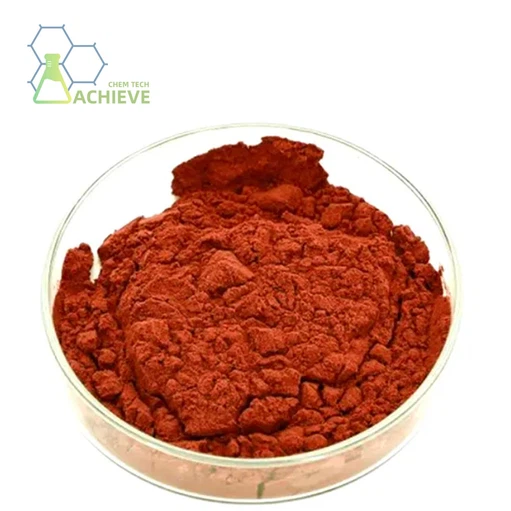
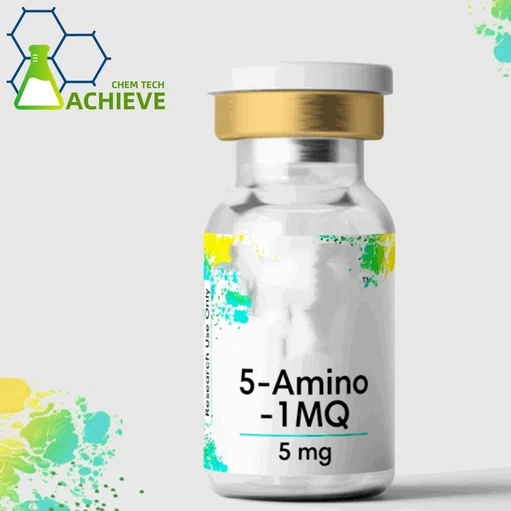
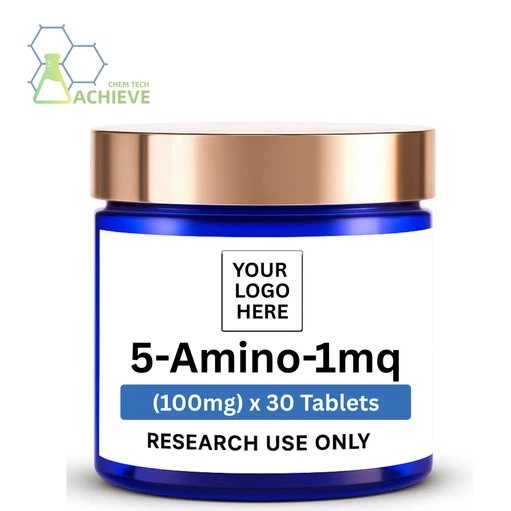
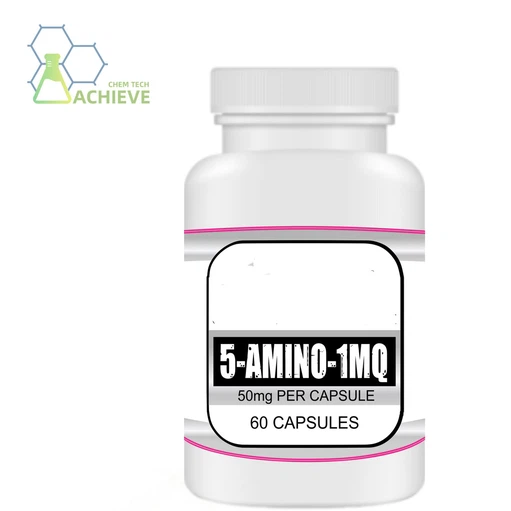
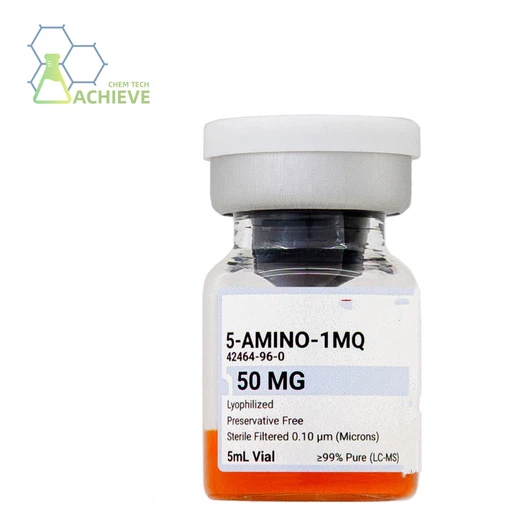
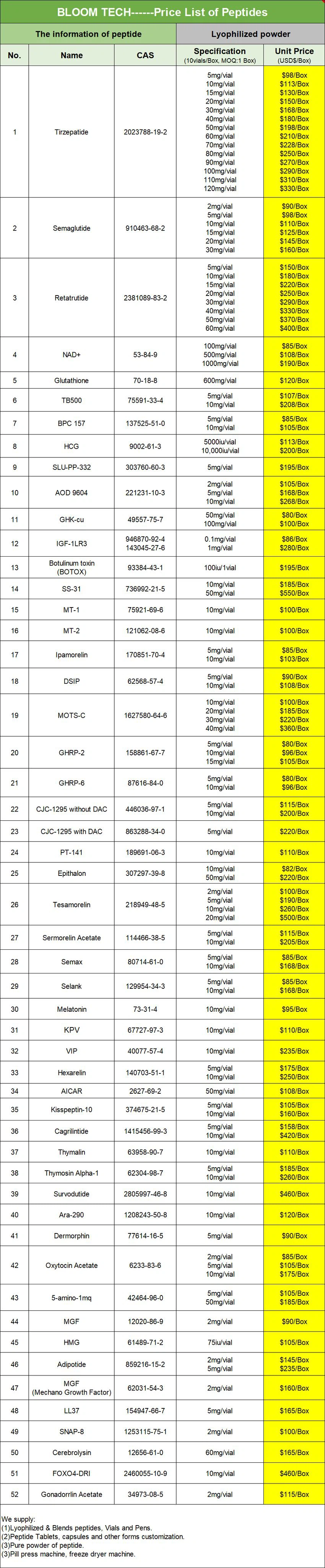

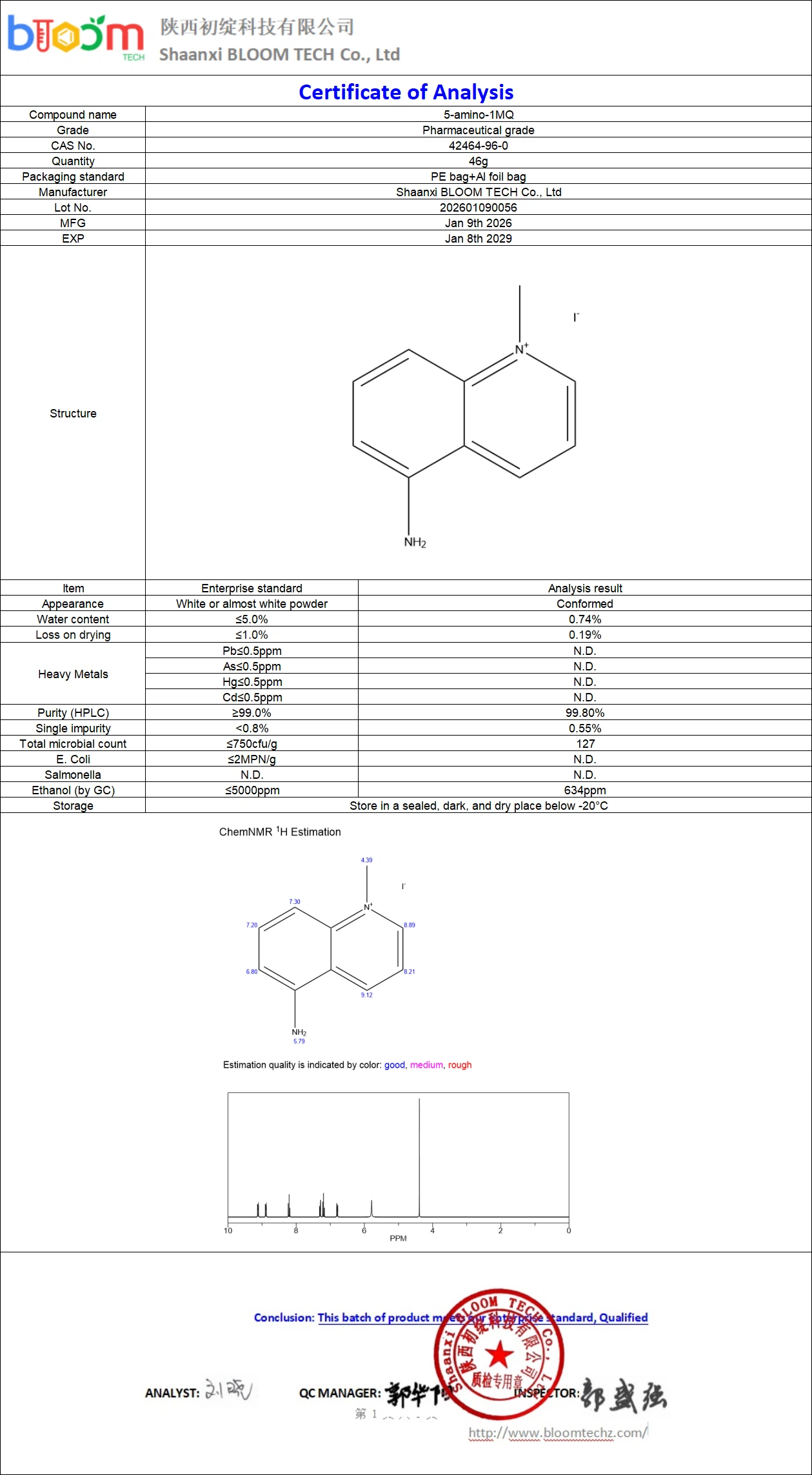
5-amino-1MQ COA


Obesity has become a major global public health challenge. Its core pathological feature is excessive accumulation of adipose tissue, accompanied by abnormal proliferation, differentiation, and metabolic dysfunction of adipocytes, which in turn induce a series of complications including insulin resistance, non‑alcoholic fatty liver disease, and cardiovascular diseases. Traditional obesity intervention strategies (e.g., dietary control, exercise, conventional weight‑loss drugs) are often limited by slow onset, obvious side effects, and high rebound rates, and can hardly fundamentally reverse the abnormal metabolic phenotype of adipose tissue.
In recent years, 5‑Amino‑1MQ Peptide (abbreviated as 5‑Amino‑1MQ), a highly selective small‑molecule peptide inhibitor targeting nicotinamide N‑methyltransferase (NNMT), has exhibited broad application prospects and become a research hotspot in obesity and adipose tissue research due to its unique mechanism, favorable targeting ability, and safety.
I. Applications in the Study of Adipose Tissue Physiological Function Regulation
Adipose tissue is not only an energy storage organ but also a critical endocrine organ. Its dysfunction is a central event in the development of obesity. By targeting and inhibiting NNMT, it regulates adipose tissue physiology from multiple dimensions and serves as an important tool for dissecting the molecular mechanisms of adipose metabolism. Related studies focus on three aspects: adipocyte differentiation, fat metabolic balance, and adipose tissue inflammation regulation.
(1) Regulating Adipocyte Differentiation and Inhibiting Adipocyte Proliferation
Abnormal adipocyte differentiation (adipogenesis) is one of the key causes of adipose tissue accumulation. Excessive differentiation of preadipocytes into mature adipocytes increases adipocyte number and size, ultimately leading to obesity. Studies have found that NNMT expression gradually rises during adipocyte differentiation, and its enhanced activity promotes the differentiation of preadipocytes into mature adipocytes by depleting NAD⁺ and inhibiting the SIRT1 longevity pathway. NNMTi can block this process by precisely inhibiting NNMT, thereby reducing the formation of mature adipocytes.


In in vitro cell experiments using 3T3‑L1 preadipocytes as a model, treatment with NNMTi significantly reduced preadipocyte differentiation efficiency and markedly downregulated the expression of adipocyte markers (such as PPARγ and C/EBPα) in a dose‑dependent manner. At a concentration of 30 μM, it inhibited more than 70% of adipogenesis and significantly reduced intracellular triglyceride accumulation. Further mechanistic studies showed that NNMTi increases intracellular NAD⁺ levels and activates the SIRT1 pathway by inhibiting NNMT, thereby suppressing the transcription of adipogenic genes and preventing the maturation of preadipocytes.This research provides a new perspective for understanding the molecular mechanism of adipocyte differentiation, confirms the key role of NNMTi in regulating adipogenesis, and lays a foundation for subsequent obesity intervention studies.
(2) Balancing Fat Metabolism and Promoting Lipolysis and Energy Expenditure
In obesity, the metabolic balance of adipose tissue is disrupted, characterized by enhanced lipogenesis and weakened lipolysis, leading to continuous fat accumulation. By inhibiting NNMT, 5‑Amino‑1MQ Peptide reshapes the metabolic phenotype of adipose tissue, promotes lipolysis, increases energy expenditure, and restores dynamic balance of fat metabolism - one of its core weight‑loss mechanisms.


In vivo animal experiments showed that daily administration of NNMTi for 28 days to diet‑induced obese (DIO) mice significantly upregulated the expression of lipolysis‑related genes (such as ATGL and HSL) and downregulated lipogenesis‑related genes (such as FAS and ACC), indicating that NNMTi effectively promotes fat breakdown and inhibits fat synthesis. Meanwhile, NNMTi treatment significantly increased energy expenditure in mice, an effect closely related to elevated NAD⁺ levels following NNMT inhibition.
As a key coenzyme in mitochondrial energy metabolism, increased NAD⁺ enhances mitochondrial oxidative phosphorylation, promotes triglyceride breakdown in adipocytes, and converts fat into energy for the body, thereby reducing adipose tissue accumulation. Notably, unlike conventional weight‑loss drugs, it promotes lipolysis without affecting normal appetite. No significant difference in food intake was observed between treated and control mice in related studies, indicating that its anti‑obesity effect mainly depends on regulating fat metabolism rather than suppressing appetite - a unique advantage in obesity research.

(3) Inhibiting Adipose Tissue Inflammation and Improving the Adipose Microenvironment

In obesity, adipose tissue develops chronic low‑grade inflammation with abundant release of pro‑inflammatory factors (such as TNF‑α and IL‑6), disrupting the adipose microenvironment, further worsening fat metabolic abnormalities and insulin resistance, and forming a vicious cycle. Studies have found that high NNMT expression promotes the release of inflammatory factors in adipose tissue, and NNMTi can effectively alleviate adipose inflammation and improve the microenvironment by inhibiting NNMT.
In mouse models of high‑fat diet‑induced obesity, it treatment significantly reduced mRNA and protein expression of TNF‑α, IL‑6, and other inflammatory factors in adipose tissue and decreased macrophage infiltration - a hallmark of adipose inflammation. By increasing NAD⁺ levels and activating the SIRT1 pathway, NNMTi inhibits the activation of inflammatory signaling pathways (such as the NF‑κB pathway), thereby reducing macrophage infiltration and inflammatory factor release. In addition, NNMTi promotes the secretion of anti‑inflammatory lipids (such as PAHSA) by adipocytes, further relieving adipose inflammation and improving metabolic function. These findings indicate that the product not only reduces fat accumulation but also breaks the vicious cycle between obesity and inflammation by regulating adipose tissue inflammation, providing new strategies for research on obesity‑related complications.

II. Applications in Obesity‑Related Pathological Mechanism Research
Advancing Research on the Pathogenesis of Non‑Alcoholic Fatty Liver Disease

Non‑alcoholic fatty liver disease is another major obesity‑related complication, marked by excessive hepatic fat accumulation, which can progress to cirrhosis and liver cancer in severe cases. A major source of hepatic fat is fat mobilization from adipose tissue. In obesity, abnormal adipose metabolism transports large amounts of free fatty acids to the liver, increasing hepatic fat synthesis, decreasing fat breakdown, and ultimately causing hepatic steatosis.
Studies show that NNMT is highly expressed in the liver of obese individuals. Its enhanced activity promotes hepatic lipogenesis, inhibits lipolysis, aggravates liver inflammation, and accelerates NAFLD progression. 5‑Amino‑1MQ Peptide effectively improves hepatic lipid metabolism and reduces liver fat accumulation and inflammation by inhibiting NNMT. In diet‑induced obese mice, NNMTi treatment significantly reduced liver weight, liver volume, and hepatic triglyceride levels, alleviated hepatic steatosis and inflammatory infiltration, downregulated inflammatory factors (such as TNF‑α and IL‑6) and lipogenic genes (such as FAS), and upregulated lipolytic genes (such as ATGL) in the liver.


Furthermore, it reduces hepatic gluconeogenesis by improving insulin resistance, further relieving liver fat accumulation. These studies demonstrate that the product mitigates the pathological progression of NAFLD by regulating adipose and hepatic metabolism, providing a valuable tool for understanding NAFLD pathogenesis and new strategies for intervention.
III. Applications in the Exploration of Obesity Intervention Strategies and Drug Development
Based on its unique mechanism of action and favorable physiological regulatory effects, NNMTi has become an important candidate molecule for the exploration of obesity intervention strategies and the development of anti‑obesity drugs. Related studies mainly focus on in vivo intervention efficacy validation, exploration of combined intervention strategies, and optimization of pharmaceutical dosage forms, providing important experimental evidence for clinical intervention of obesity.
(1) Studies on the Validation of In Vivo Obesity Intervention Effects
A large number of in vivo animal experiments have confirmed that it exerts significant weight‑loss and fat‑reducing effects with favorable safety profiles.In a mouse model of high‑fat diet‑induced obesity, administration of 20 mg/kg NNMTi daily for 11 days resulted in a significant reduction in body weight. Compared with the control group, the treated mice showed a 35% decrease in white adipose tissue mass and markedly reduced adipocyte size.

Meanwhile, plasma cholesterol levels were reduced by 30%, and the blood lipid profile recovered to nearly normal levels comparable to lean mice.Another 28‑day experiment demonstrated that 5‑Amino‑1MQ Peptide treatment dose‑dependently suppressed body weight gain and fat accumulation in obese mice, improved insulin sensitivity and hepatic lipid metabolism, without obvious side effects-no abnormalities were observed in food intake, physical activity, or liver and kidney function parameters.
Furthermore, the weight‑loss effect of the product was shown to be sustainable, with no significant body weight rebound in the short term after drug withdrawal, a feature superior to traditional anti‑obesity medications. Meanwhile, NNMTi preserves lean body mass: it reduces fat accumulation without causing muscle loss, which is crucial for maintaining basal metabolism and preventing weight regain after dieting.These in vivo findings fully validate the efficacy and safety of NNMTi in obesity intervention, laying a solid foundation for its subsequent clinical research and drug development.

(2) Studies on the Exploration of Combined Intervention Strategies
Single intervention modalities often fail to achieve ideal anti‑obesity outcomes. Therefore, exploring the combined application of NNMTi with other interventions has become a research hotspot in recent years. Current studies mainly focus on combinations with dietary control, exercise, and other weight‑loss agents, aiming to enhance efficacy and reduce side effects.
Studies have shown that when NNMTi is combined with a low‑calorie diet, the rate of body weight loss in obese mice is significantly faster than in either single‑intervention group, with more pronounced reduction of adipose tissue and greater improvement in insulin sensitivity and hepatic metabolism. This synergistic effect arises because a low‑calorie diet reduces fat intake, while it promotes lipolysis and energy expenditure, together achieving more efficient fat reduction and metabolic improvement.
In addition, combination of NNMTi with exercise further increases systemic energy expenditure, accelerates fat breakdown, and enhances muscle strength and endurance. Studies have shown that the product treatment increases grip strength by approximately 40% in aged mice, and combined with exercise, further improves muscle regenerative capacity and metabolic function.
In studies combining NNMTi with other weight‑loss drugs, co‑administration with GLP‑1 receptor agonists significantly enhances weight‑loss efficacy while reducing side effects such as nausea and vomiting commonly associated with GLP‑1 agonists. This is because NNMTi improves fat metabolism to assist weight loss, alleviates intestinal inflammation, and reduces gastrointestinal adverse reactions.These combined intervention studies provide novel strategies for clinical obesity management and expand the application scope of NNMTi.
FAQ
What are NNMT inhibitors?
+
-
NNMT inhibitors are emerging as a promising area of research with potential therapeutic applications across a range of diseases. Nicotinamide N-methyltransferase (NNMT) is an enzyme that plays a crucial role in cellular metabolism and energy homeostasis.
What is the function of the NNMT gene?
+
-
NNMT has a crucial role in cellular invasion via activating PI3K/Akt/SP1/MMP-2 pathway in clear cell renal cell carcinoma (ccRCC). NNMT is over-expressed in a large proportion in renal cell cancers. High NNMT expression is significantly associated with unfavorable prognosis.
Hot Tags: 5-amino-1mq peptide, suppliers, manufacturers, factory, wholesale, buy, price, bulk, for sale, Melanotan ii powder, CJC 1295 Peptide, Best Growth Hormone Releasing Peptide CAS 87616 84 0, Bremelanotide Powder CAS 189691 06 3, Epitalon Powder CAS 307297 39 8, Selank Peptide CAS 129954 34 3