





Shaanxi BLOOM Tech Co., Ltd. is one of the most experienced manufacturers and suppliers of cetrorelix acetate cas 120287-85-6 in China. Welcome to wholesale bulk high quality cetrorelix acetate cas 120287-85-6 for sale here from our factory. Good service and reasonable price are available.
Cetrorelix acetate(Ovurelix) is a GnRH receptor antagonist, with a chemical structure composed of multiple amino acids connected by peptide bonds. The molecular formula is C70H92ClN17O14 · C2H4O2, CAS 120287-85-6, and a molecular weight of approximately 1491.11. White to grayish white solid powder, odorless. It also has extensive applications in the field of scientific research. Due to its anti proliferative effect comparable to that of GnRH-I agonists, the binary method of GnRH-I agonists and antagonists may not be applicable to the GnRH-I system in cancer cells.
This makes it a powerful tool for studying the mechanism of action and potential therapeutic targets of the GnRH-I system in tumor cells. Through in-depth research on the mechanism of action and anti proliferative effects of the product, it helps to better understand the growth and proliferation mechanisms of tumor cells, providing theoretical support for the development of more effective tumor treatment methods.
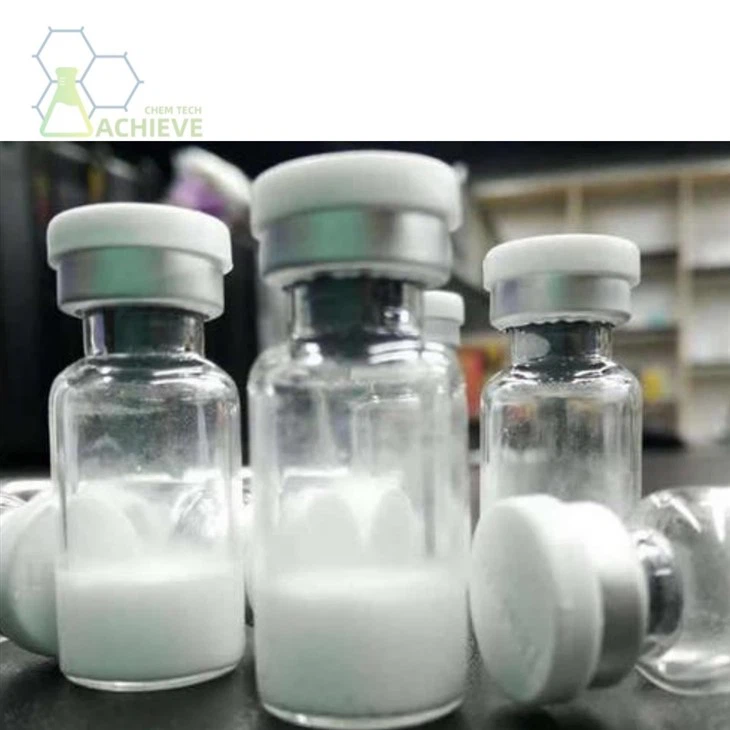
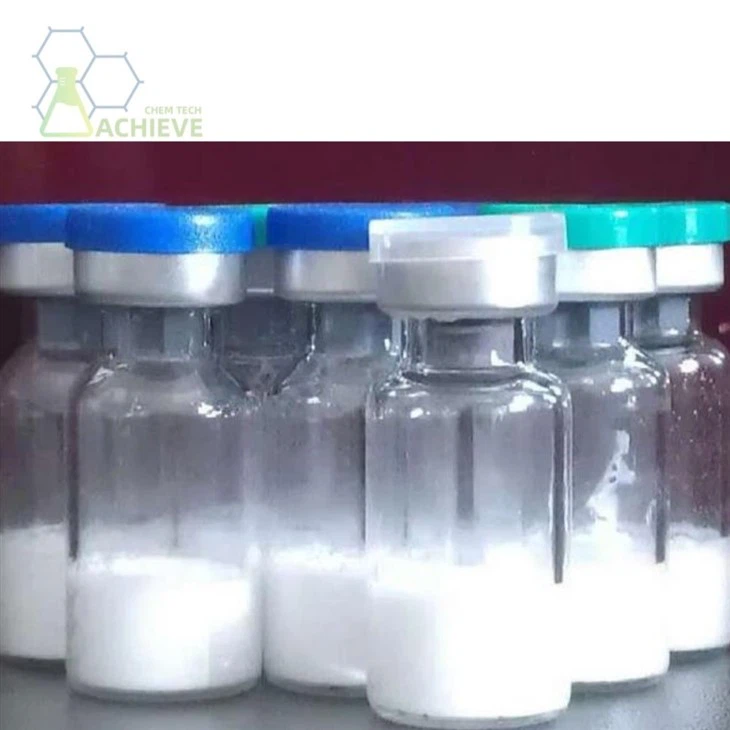
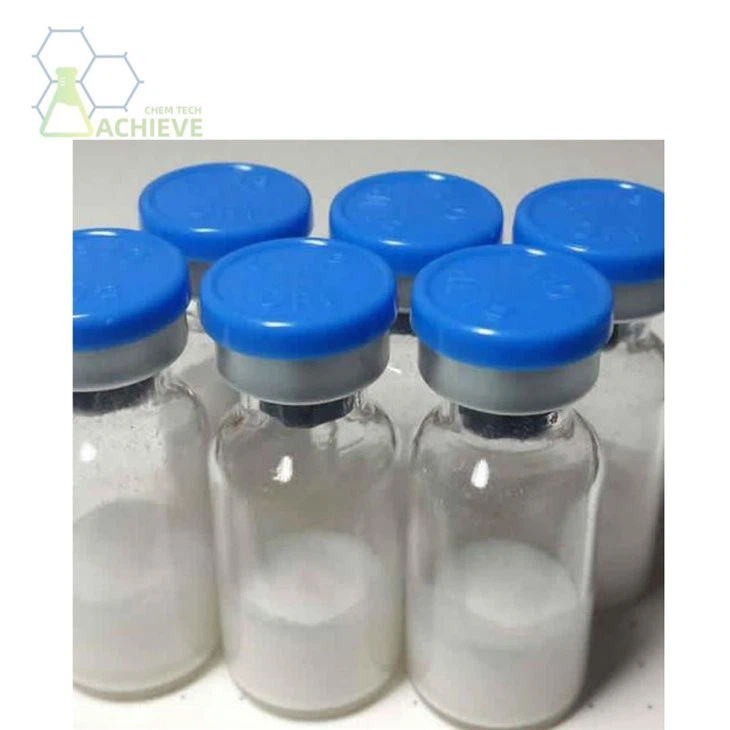
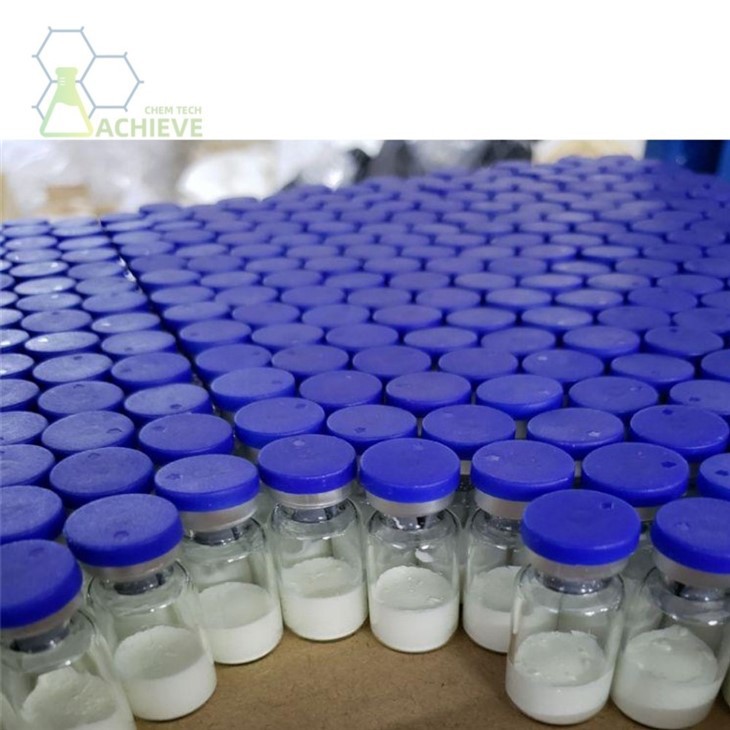
Our Products Form



Cetorelix COA
 |
||
| Certificate of Analysis | ||
| Compound name | Cetrorelix Acetate | |
| Grade | Pharmaceutical grade | |
| CAS No. | 145672-81-7 | |
| Quantity | 15g | |
| Packaging standard | PE bag+Al foil bag | |
| Manufacturer | Shaanxi BLOOM TECH Co., Ltd | |
| Lot No. | 202601090056 | |
| MFG | Jan 9th 2026 | |
| EXP | Jan 8th 2029 | |
| Structure |
|
|
| Item | Enterprise standard | Analysis result |
| Appearance | White or almost white powder | Conformed |
| Water content | ≤5.0% | 0.47% |
| Loss on drying | ≤1.0% | 0.29% |
| Heavy Metals | Pb≤0.5ppm | N.D. |
| As≤0.5ppm | N.D. | |
| Hg≤0.5ppm | N.D. | |
| Cd≤0.5ppm | N.D. | |
| Purity (HPLC) | ≥99.0% | 99.80% |
| Single impurity | <0.8% | 0.55% |
| Total microbial count | ≤750cfu/g | 127 |
| E. Coli | ≤2MPN/g | N.D. |
| Salmonella | N.D. | N.D. |
| Ethanol (by GC) | ≤5000ppm | 400ppm |
| Storage | Store in a sealed, dark, and dry place below -20°C | |
|
|
||
|
|
||


| Chemical Formula | C70H92ClN17O14 | |
| Exact Mass | 1429.67 | |
| Molecular Weight | 1431.06 | |
| m/z | 1429.67 (100.0%), 1430.67 (75.7%), 1431.67 (32.0%), 1431.68 (28.3%), 1432.67 (24.2%), 1433.67 (9.0%), 1430.67 (6.3%), 1432.68 (6.1%), 1431.67 (4.5%), 1431.67 (2.9%), 1434.68 (2.2%), 1432.68 (2.2%), 1432.66 (1.9%), 1432.67 (1.8%), 1433.67 (1.5%), 1433.68 (1.3%), 1430.68 (1.1%) | |
| Elemental Analysis | C, 58.75; H, 6.48; Cl, 2.48; N, 16.64; O, 15.65 | |

Cetrorelix acetate is a GnRH receptor antagonist with multiple uses. For the terminal clinical medical drugs of this product, it mainly involves the treatment of hormone dependent diseases, assisted reproductive therapy, scientific research and other fields. However, it should be noted that Shaanxi BLOOM Tech Co., Ltd. produces primary chemicals for laboratory research purposes, not terminal clinical drugs.

(1) Uterine fibroids: By antagonizing the GnRH receptor and inhibiting the secretion of gonadotropins, the goal is to reduce the size of uterine fibroids and alleviate symptoms. In clinical practice, it is commonly used to treat severe uterine fibroids, especially when surgery or medication is not suitable. During the use of this medication, patients should undergo close monitoring by doctors to ensure safe and effective treatment outcomes.
(2) Prostate cancer: also used to treat prostate cancer. Inhibiting the secretion of gonadotropins can help control the progression of prostate cancer.
In the treatment of prostate cancer, it is usually combined with other treatment methods such as surgery, radiotherapy, and chemotherapy to provide a more comprehensive treatment plan.
In the field of assisted reproductive therapy, ovurelix plays a crucial role as an important drug. It is mainly used to inhibit the secretion of gonadotropins such as follicle stimulating hormone and luteinizing hormone, thereby achieving precise control over the process of superovulation.


This mechanism has significant implications for improving the success rate of in vitro fertilization (IVF).
Specifically, ovurelix downregulates the sensitivity of the pituitary gland to GnRH by binding to the gonadotropin-releasing hormone (GnRH) receptor in the anterior pituitary gland, thereby reducing the release of gonadotropins. This inhibitory effect enables multiple follicles in the ovary to develop in a relatively synchronized state, avoiding asynchronous follicular development and thus improving the quantity and quality of mature eggs obtained.
In the practical operation of assisted reproductive therapy, the use of cetrorelix acetate is usually after gonadotropin-releasing hormone analogs (GnRHa). GnRHa, as a regulator, can initially reduce the sensitivity of the pituitary gland to GnRH, laying the foundation for subsequent treatment with ovurelix. By combining GnRHa with ovurelix, doctors can more accurately control the process of superovulation, ensuring that follicles develop and mature under ideal time and conditions.


(1) Cancer research: It has a wide range of applications in the field of cancer research. Due to its anti proliferative effect comparable to that of GnRH-I agonists, the binary method of GnRH-I agonists and antagonists may not be applicable to the GnRH-I system in cancer cells. Through in-depth research on the mechanism of action and anti proliferative effects of Cetrorelixacete, it is helpful to better understand the growth and proliferation mechanisms of tumor cells, and provide theoretical support for the development of more effective tumor treatment methods.
(2) Reproductive medicine research: It also has important applications in reproductive medicine research. It can be used to study the secretion and regulatory mechanisms of gonadotropins, as well as to explore the etiology and treatment methods of infertility. Studying the mechanism of action and therapeutic effect of this substance helps to gain a deeper understanding of the physiological and pathological status of the reproductive system, providing new ideas and methods for improving reproductive health and fertility.
(3) Pharmacological research: It is also used in pharmacological research to explore the pharmacological effects and mechanisms of GnRH receptor antagonists.


Through pharmacological research, we can further understand the characteristics of action and potential therapeutic targets of GnRH receptor antagonists in vivo, providing useful information and guidance for drug design and development.
In addition to the above purposes, there may also be some other applications. For example, it can be used for the establishment and research of animal models to understand the pharmacological and physiological mechanisms of GnRH receptor antagonists in animals. In addition, Cetrorelixacetate may also be used in some clinical trials and studies to evaluate its efficacy and safety in specific diseases or situations.
Application in Polycystic Ovary Syndrome (PCOS)
Polycystic ovary syndrome (PCOS) is a highly prevalent endocrine and metabolic disorder in women of reproductive age. It is typically characterized by hyperandrogenemia and dysfunction of the hypothalamic-pituitary-ovarian axis, commonly manifested as excessive follicle recruitment, uneven follicle size, and asynchronous follicular development. During ovulation induction, an early LH surge and premature luteinization of follicles are highly prone to occur, which not only reduces the conception rate but also greatly increases the risk of Ovarian Hyperstimulation Syndrome (OHSS).


Cetrorelix acetate is a third-generation GnRH antagonist. It binds competitively to pituitary GnRH receptors with high selectivity, rapidly inhibits the abnormal secretion of endogenous luteinizing hormone, and stably suppresses aberrant endocrine fluctuations. In assisted reproduction and ovulation induction cycles for PCOS patients, this drug can effectively regularize the rhythm of follicular development, improve asynchronous follicle growth, facilitate the preferential maturation of dominant follicles, and avoid spontaneous premature ovulation and Luteinized Unruptured Follicle Syndrome (LUFS).
Meanwhile, it can effectively control excessive ovarian response, reduce synchronous over-proliferation of multiple follicles, and significantly lower the risk of mild, moderate and severe OHSS. It is especially suitable for PCOS patients with high ovarian response constitution, obese phenotype and refractory conditions. Compared with the GnRH agonist protocol, the cetrorelix regimen features a shorter cycle, rapid onset of hormonal suppression, and no drug-induced flare-up effect. Endocrine and ovarian functions can recover quickly after drug discontinuation, offering better clinical tolerability and applicability.


Application in Benign Prostatic Hyperplasia (BPH) (Clinical Research Stage)
The onset and progression of Benign Prostatic Hyperplasia (BPH) are highly dependent on the persistent stimulation of testosterone and dihydrotestosterone. Long-term androgen action promotes hyperplasia of the prostatic glands and stroma, compresses the urethra, and induces lower urinary tract symptoms such as frequent urination, nocturia, straining to urinate, thin urinary stream, and increased residual urine volume.
Unlike GnRH agonists, it does not cause an initial testosterone flare effect, so it will not aggravate dysuria and prostate symptoms in the short term, with a stable and safe pharmacological profile. Although it has not been officially approved for the BPH indication and remains in the clinical research stage, multiple clinical trials have confirmed that it can significantly increase maximum urinary flow rate, reduce post-void residual urine volume, relieve nocturia and frequent urination, and delay the pathological progression of prostatic hyperplasia. For middle-aged and elderly BPH patients who are intolerant to α-blockers and 5α-reductase inhibitors, or unwilling to undergo surgical treatment, ovurelix possesses important value in clinical research and potential clinical application.


Application in Ovarian Cancer (Clinical Exploration Stage)
Most ovarian cancers are hormone-dependent malignant tumors. Gonadotropins and estrogen can regulate the proliferation, invasion, migration and angiogenesis of ovarian cancer cells. Advanced ovarian cancer is characterized by high chemotherapy drug resistance and high recurrence rate, with limited clinical treatment options.
Through endocrine regulation, ovurelix inhibits the secretion of LH, FSH and estrogen, blocks the hormone microenvironment required for tumor growth, directly suppresses the proliferative activity of ovarian cancer cells, and weakens their invasion and metastasis capabilities.
At present, it is mainly in the stage of clinical exploration and clinical trials, and is mostly combined with platinum-based, taxane-standard chemotherapy drugs and anti-angiogenic targeted agents. Combined medication exerts a synergistic effect, enhances the sensitivity of tumor cells to chemotherapy, reverses drug resistance, shrinks solid tumor lesions, controls malignant ascites formation, and prolongs progression-free survival in patients with advanced and recurrent ovarian cancer. In addition, it can regulate the body's inflammatory and immune microenvironment, inhibit tumor angiogenesis, and reduce the risk of distant metastasis, providing a novel adjuvant therapeutic strategy and research direction for the comprehensive treatment of drug-resistant and recurrent ovarian cancer.


It is an artificially synthesized peptide drug with a chemical structure of N- α- Tert butoxycarbonyl-3- [3- (2-naphthyl) - D-propylamino] -6,9,12,15,18,21-hexahydro-22-methyl-1H- β- Pyrrolo [2,1,5] hexatriamide-24-carboxylate ethyl ester hydrochloride. This drug is used to treat diseases such as prostate cancer and endometriosis.

Method 1:
The laboratory synthesis method of ovurelix is as follows:
Synthesize dimethylformamide N-tert butoxycarbonyl-3- (2-naphthyl) - D-alanine tert butyl ester.
Dimethylformamide N-tert butoxycarbonyl-3- (2-naphthyl) - D-alanine tert butyl ester is a precursor compound of Cetrorelixacetate, and its synthesis method is as follows:
(1) Firstly, 2-naphthyl-D-alanine was reacted with dimethylformamide under nitrogen protection in an ice water bath to obtain intermediate product 1;
(2) Then, add tert butoxycarbonyl chlorinating agent, add DMAP, and react for 24 hours to obtain intermediate product 2;
(3) Finally, the target product, dimethylformamide N-tert butoxycarbonyl-3- (2-naphthyl) - D-alanine tert butyl ester, was obtained through photochemical reaction.
Synthesize N- α- Tert butoxycarbonyl-3- [3- (2-naphthyl) - D-propylamino] -6,9,12,15,18,21-hexahydro-22-methyl-1H- β- Pyrrolo [2,1,5] hexanitramide.
N- α- Tert butoxycarbonyl-3- [3- (2-naphthyl) - D-propylamino] -6,9,12,15,18,21-hexahydro-22-methyl-1H- β- Pyrrolo [2,1,5] hexatriamide is an intermediate product, and its synthesis method is as follows:
(1) Firstly, the dimethylformamide N-tert butoxycarbonyl-3- (2-naphthyl) - D-alanine tert butyl ester obtained in the first step is reacted with 1-hydroxy-7-amino-6,9,20-trioxy-17-methyl-16-alkyl-2,5,8,11,14,19-hexahydro-1H-diazo [5,4-e] pyrimidin-3-one under nitrogen protection to obtain intermediate product 3;
(2) Then, add reagents such as copper nitrite and copper sulfate, and react under light conditions to obtain intermediate product 4;
(3) Finally, the target product, N, was obtained through purification and crystallization- α- Tert butoxycarbonyl-3- [3- (2-naphthyl) - D-propylamino] -6,9,12,15,18,21-hexahydro-22-methyl-1H- β- Pyrrolo [2,1,5] hexanitramide.
Cetrorelix acetate is the conversion of N- α- Tert butoxycarbonyl-3- [3- (2-naphthyl) - D-propylamino] -6,9,12,15,18,21-hexahydro-22-methyl-1H- β- The product obtained from the reaction of pyrrolo [2,1,5] hexanitramide with acetyl chloride is synthesized as follows:
(1) Firstly, add N- α- Tert butoxycarbonyl-3- [3- (2-naphthyl) - D-propylamino] -6,9,12,15,18,21-hexahydro-22-methyl-1H- β- Pyrrolo [2,1,5] hexanitramide reacts with acetyl chloride in dichloromethane to obtain acetylation products;
(2) Then, add hydrochloric acid to obtain product.
Method 2:
A method for purifying ovurelix, comprising the following steps:
Resin treatment: Soak the acetate anion resin in a 0.1mol/L acetic acid solution, filter and collect the resin;
Salt Conversion: Dissolve 1g of crude Xiquruike in 100ml of water, add 10g of acetate anion resin from step 1, stir at 25 ℃ for 0.5h, control the pH of the solution to 2.5, and filter and collect the filtrate.
Purification: A reverse phase C18 column with a particle size of 3 μ m and a pore size of 120A ° is equilibrated using a mobile phase. Mobile phase A is an aqueous solution, and mobile phase B is an acetonitrile solution.
Both mobile phase A and mobile phase B are added with a mass percentage of 0.5% acetic acid solution. The filtrate collected in step 2 is loaded and subjected to linear gradient elution.
The rate of change of mobile phase B% is 0.1%/min, and the detection wavelength is 220nm. The eluent is collected in sections and directly freeze-dried to obtain 20mg of pure powder of ovurelix, with a yield of 40% and a purity of 99.193%.
FAQ
What is cetrorelix acetate for?
+
-
Cetrorelix acetate (often sold under the brand name Cetrotide) is an injectable prescription medicine used during assisted reproduction (IVF) to prevent premature ovulation. By blocking the effects of natural GnRH, it stops the body from releasing eggs too early, ensuring they are mature for egg retrieval.
What is another name for cetrorelix acetate?
+
-
Cetrotide® (cetrorelix acetate for injection) is indicated for the inhibition of premature LH surges in women undergoing controlled ovarian stimulation.
Hot Tags: cetrorelix acetate cas 120287-85-6, suppliers, manufacturers, factory, wholesale, buy, price, bulk, for sale, dermorphin peptide, dermorphin in humans, DERMORPHIN, Melanotan ii powder, Cosmetic