





Shaanxi BLOOM Tech Co., Ltd. is one of the most experienced manufacturers and suppliers of sincalide cas 25126-32-3 in China. Welcome to wholesale bulk high quality sincalide cas 25126-32-3 for sale here from our factory. Good service and reasonable price are available.
Sincalide(sinkalite), molecular formula C49H62N10O16S3, molecular weight 1143.269, CAS 25126-32-3, precise mass 1142.350708. It is an artificially synthesized octapeptide molecule, a fragment of cholecystokinin (CCK), with all the biological activities of CCK. It is an artificially synthesized CCK octapeptide mainly used to promote gallbladder contraction and diagnostic reagents. It is also an amino acid peptide hormone analogue of fast acting cholecystokinin (CCK), which can promote gallbladder contraction through injection and assist in the diagnosis of gallbladder and pancreatic diseases.
It can increase the secretion of bile, cause gallbladder contraction, relax the Oddi's sphincter, and thus allow bile to be discharged into the duodenum. It is an artificially synthesized C-terminal octapeptide with the same sequence as endogenous cholecystokinin hormone. Imitate the action of cholecystokinin, directly induce smooth muscle contraction of the gallbladder, thereby reducing the size of the gallbladder, inducing bile excretion and pancreatic enzyme secretion. In addition, the drug also reduces esophageal sphincter tone and delays gastric emptying through cholinergic signaling.
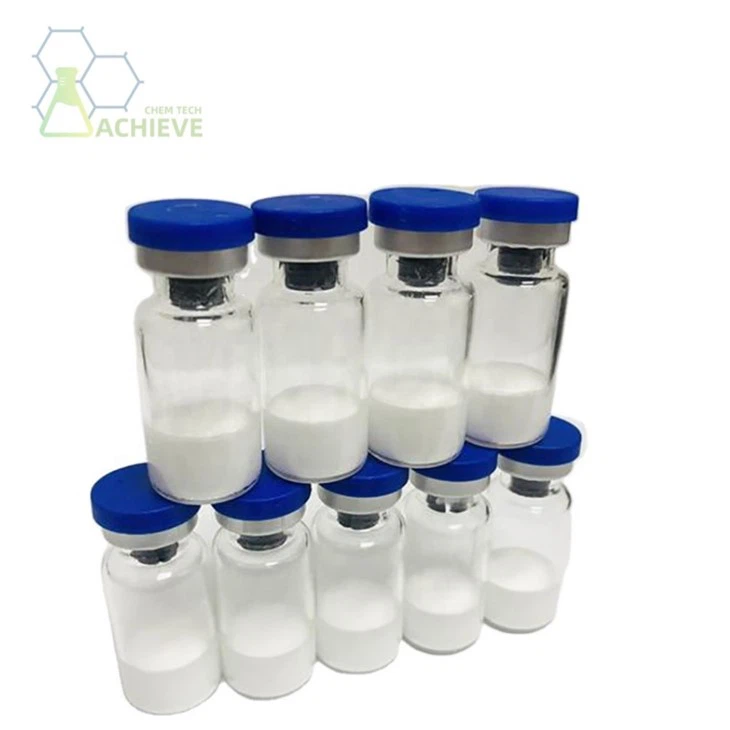
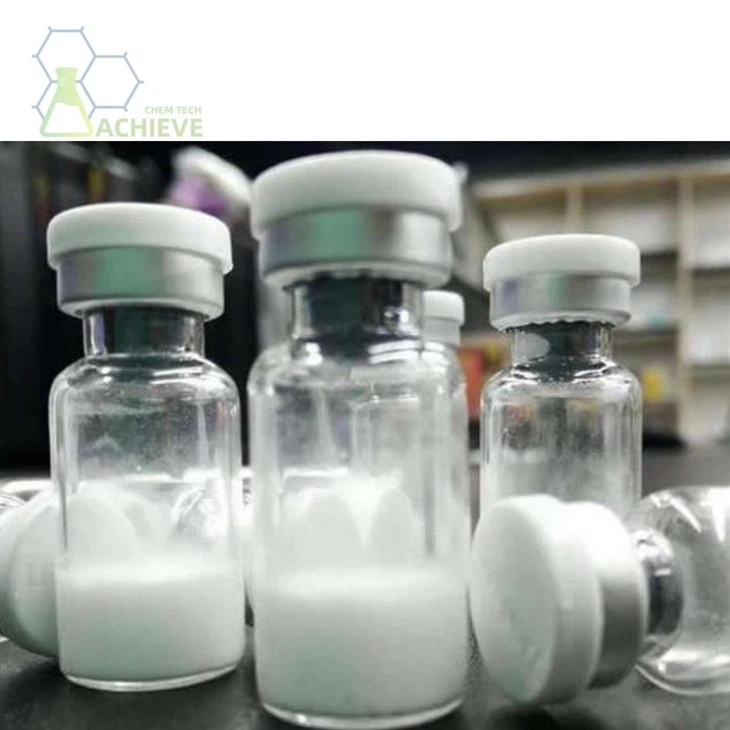
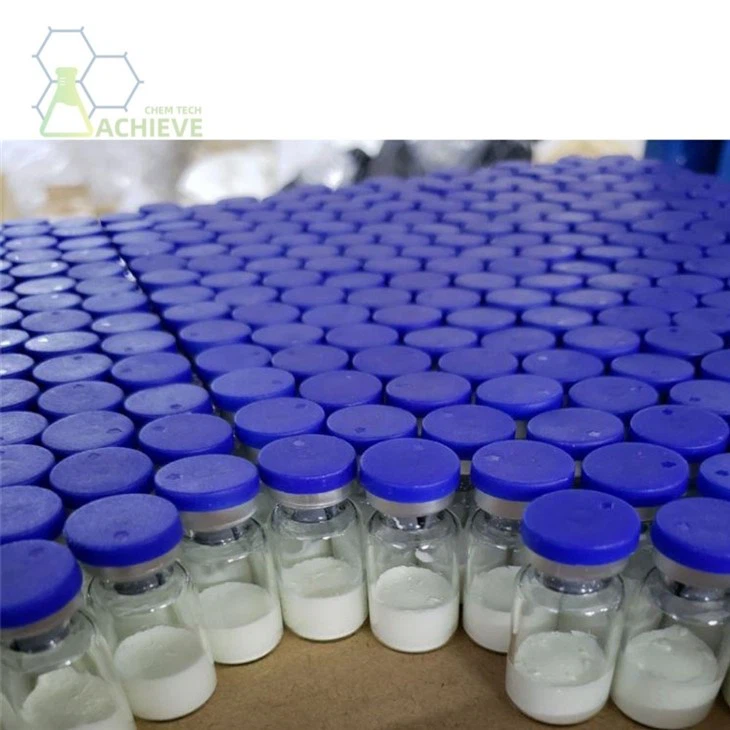
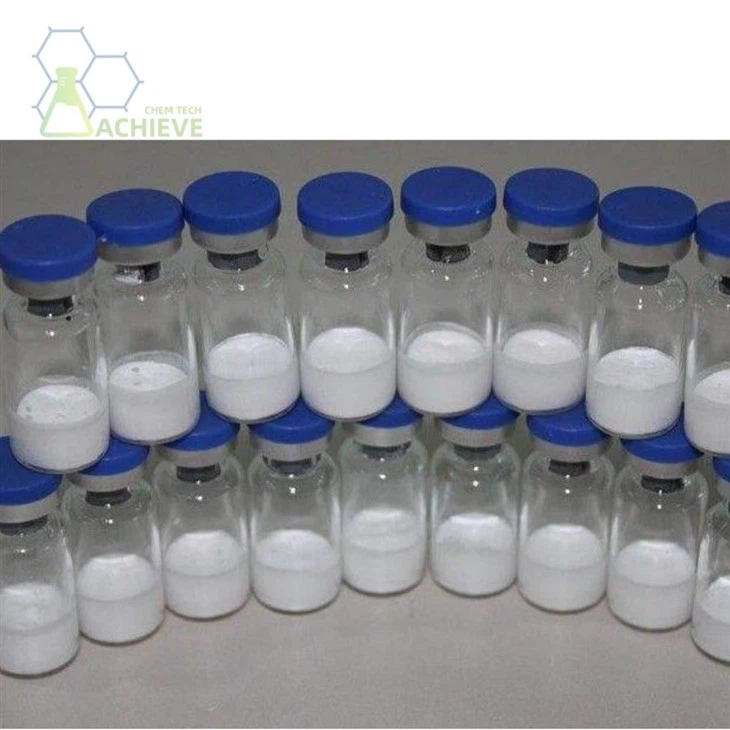
Our Products Form



Sincalide COA
 |
||
| Certificate of Analysis | ||
| Compound name | Sincalide | |
| Grade | Pharmaceutical grade | |
| CAS No. | 25126-32-3 | |
| Quantity | 39g | |
| Packaging standard | PE bag+Al foil bag | |
| Manufacturer | Shaanxi BLOOM TECH Co., Ltd | |
| Lot No. | 202601090056 | |
| MFG | Jan 9th 2026 | |
| EXP | Jan 8th 2029 | |
| Structure |
|
|
| Item | Enterprise standard | Analysis result |
| Appearance | White or almost white powder | Conformed |
| Water content | ≤5.0% | 0.54% |
| Loss on drying | ≤1.0% | 0.42% |
| Heavy Metals | Pb≤0.5ppm | N.D. |
| As≤0.5ppm | N.D. | |
| Hg≤0.5ppm | N.D. | |
| Cd≤0.5ppm | N.D. | |
| Purity (HPLC) | ≥99.0% | 99.98% |
| Single impurity | <0.8% | 0.52% |
| Total microbial count | ≤750cfu/g | 95 |
| E. Coli | ≤2MPN/g | N.D. |
| Salmonella | N.D. | N.D. |
| Ethanol (by GC) | ≤5000ppm | 500ppm |
| Storage | Store in a sealed, dark, and dry place below -20°C | |
|
|
||
|
|
||


| Chemical Formula | C49H62N10O16S3 | |
| Exact Mass | 1142.35 | |
| Molecular Weight | 1143.27 | |
| m/z | 1142.35(100.0%), 1143.35(53.0%), 1144.36(13.8%), 1144.35(13.6%), 1145.35(7.2%), 1143.35(3.7%), 1144.35(3.3%), 1143.35(2.4%), 1145.36(2.3%), 1144.35(2.0%), 1146.35(1.9%), 1145.36(1.7%), 1144.35(1.3%) | |
| Elemental Analysis | C,51.48; H,5.47; N,12.25; O,22.39; S,8.41 | |

Cholecystokinin (CCK) demonstrates the complexity and precision of biomolecule construction, and plays multiple key roles in vivo. As a typical brain gut peptide, it has become an important bridge connecting the functions of the nervous system and digestive system due to its unique dual distribution characteristics - existing in the central nervous system, widely distributed in peripheral tissues such as the gastrointestinal tract and pancreas. The diversity of its physiological functions plays an indispensable role in regulating digestive processes, energy balance, appetite control, and even emotions and memory.


Firstly
Sincalide has shown excellent performance in reducing interstitial edema in the lungs. Interstitial edema of the lungs is one of the pathological features of various lung diseases such as acute respiratory distress syndrome (ARDS), which seriously affects the gas exchange function of the lungs. Sinkalite, through its unique molecular mechanism, can regulate vascular permeability, reduce fluid accumulation in the pulmonary interstitium, effectively alleviate edema symptoms, and improve patients' respiratory function.
Secondly
The inhibitory effect of sinkalite on leukocyte infiltration is also significant. In inflammatory reactions, excessive infiltration of white blood cells often leads to aggravated tissue damage. Sinkalite effectively inhibits abnormal aggregation of white blood cells and reduces tissue damage caused by inflammatory reactions by regulating the release of inflammatory mediators and the expression of cytokines, providing a new strategy for the treatment of inflammatory diseases.


In addition
Sinkalite also exhibits a strong inhibitory effect on pro-inflammatory cytokines. Pro-inflammatory cytokines such as TNF - α and IL-6 play a crucial role in the inflammatory response, and their overexpression often leads to uncontrolled inflammation and disease progression. Sinkalite effectively suppressed the further development of inflammatory response by interfering with the signaling pathways of these cytokines, reducing their expression levels.
In terms of cardiovascular system
Sinkalite also performed well. It can restore heart rate and reduce pulmonary arterial hypertension, which is of great significance for the treatment of cardiovascular diseases such as heart failure and pulmonary arterial hypertension. By regulating the electrophysiological activity of the heart and the tension of vascular smooth muscle, sinkalite helps maintain a stable state of the cardiovascular system and improve the quality of life of patients.


In summary, as an active fragment of cholecystokinin CCK, sinkalite has a wide and profound pharmacological effect, involving multiple aspects such as inflammation control, edema reduction, and cardiovascular function regulation. With the continuous deepening of research on sinkalite and its mechanism of action, it is believed that more drugs based on sinkalite will be developed in the future, providing more effective and safe means for the treatment of related diseases. Meanwhile, this will also provide valuable clues and inspirations for us to further explore the mysteries of bioactive peptides and reveal the essence of life activities.
Biochemical properties


Molecular structure and composition
Sincalide is a synthetic octapeptide molecule with the chemical structure of C₄₉H₆₂N₁₀O₁₆S₃ and a molecular weight of 1143.27. It is composed of eight amino acids, with the sequence of Asp-Tyr(SO₃H)-Met-Gly-Trp-Met-Asp-Phe-NH₂, in which the Tyr residue is modified by sulfation. This structure enables it to specifically bind to the cholecystokinin receptor (CCK receptor) and exert biological effects.
Receptor excitation characteristics
It is an agonist of the CCK-A receptor and the CCK-B receptor. The CCK-A receptor is mainly distributed in the gastrointestinal tract, while the CCK-B receptor is distributed in both the gastrointestinal tract and the central nervous system. By binding to these receptors, it can simulate the physiological functions of endogenous cholecystokinin (CCK), activate downstream signaling pathways, and regulate the physiological activities of the digestive and nervous systems.
Effects on the digestive system
Gallbladder contraction: It can strongly contract the gallbladder, promoting the excretion of bile, which is helpful for diagnosing gallbladder dysfunction, such as cholelithiasis and cholecystitis.
Pancreatic juice secretion: It can stimulate the pancreas to secrete pancreatic juice rich in digestive enzymes, which is of great significance for the screening of pancreatic diseases.
Gastrointestinal motility regulation: It is involved in regulating gastrointestinal motility and may play a certain role in alleviating symptoms such as indigestion and gastroparesis. It can also reduce the tension of the esophageal sphincter and delay gastric emptying through cholinergic signal transduction.
Solubility and stability
The solubility of it in water is relatively low (<0.1 mg/mL), but its solubility in DMF can reach 50 mg/mL (43.73 mM). In terms of storage, it powder should be kept sealed, away from moisture and light. It can be stored at -80°C for 2 years and at -20°C for 1 year. In solvents, it can be stored for 6 months at -80°C and for 1 month at -20°C.
Purity and Quality control
The purity of sinkalite used for scientific research is usually required to be ≥95%, and can even reach 99%. Its quality control indicators include acetate content (5.0% - 12.0%), moisture content (≤8.0%), peptide content (≥80.0%) and endotoxin content (≤50 EU/mg). These indicators ensure the reliability and repeatability of sinkalite in the experiment.
Biological Activity and Clinical Application
Sincalide possesses all the biological activities of cholecystokinin. It is used in medical examinations to stimulate gallbladder contraction before cholecystography and improve the accuracy of cholecystography. It can also be used to diagnose the exocrine function of the pancreas. By detecting the secretion of pancreatic juice after medication, the function of the pancreas can be evaluated. In the field of scientific research, sinkalite, as a tool drug for studying the function of CCK receptors and related physiological processes, helps to understand the physiological mechanisms of the gastrointestinal tract and the central nervous system.

There are various laboratory synthesis methods for Xincalite, and the following is a commonly used solid-phase synthesis method:
1. Solid phase synthesis
Selection of carrier:
Choose a suitable solid-phase peptide synthesis carrier, such as Fmoc Phe resin. This carrier has high stability and can withstand the chemical reagents and reaction conditions required during the synthesis process.
Coupling amino acids:
According to the amino acid sequence of Xincalite, the required amino acids are coupled to the carrier one by one.
In each coupling step, it is necessary to ensure that the connecting bonds between amino acids and the carrier are stable and have high stereochemical selectivity. The commonly used coupling method is to form peptide bonds through the reaction of carboxyl groups and amino groups. The specific coupling reaction can be expressed as:
(1) Protection:
Protect carboxyl and amino groups separately to avoid unnecessary side reactions. Usually, Boc or Fmoc are used as protective groups.
(2) Activation:
Choose a suitable activator to connect carboxyl groups with amino groups, forming peptide bonds. Common activators include DCC, HBTU, etc.
(3) Cleaning and inspection:
After each reaction step is completed, it is necessary to clean and inspect whether the reaction is complete. Mass spectrometry, nuclear magnetic resonance, and other techniques can be used for detection.
Repeat the above steps until the coupling of all amino acids is completed.
2. Cracking
Cleaning:
Clean the synthesized peptide resin to remove excess reagents and impurities.
Cracking:
Use appropriate lysis solution to release peptides from the resin.
Common cracking liquids include a mixture of trifluoroacetic acid (TFA) and H2O. The specific cracking reaction can be expressed as:
(1) Soak the peptide resin in TFA/H2O (95:5) to fully dissolve it.
(2) Add water and anhydrous sodium sulfate to clarify the reaction solution.
3. Purification
Selection of purification method:
Choose an appropriate purification method based on the properties of the target peptide. Common purification methods include gel filtration, ion exchange, reverse phase high performance liquid chromatography, etc.
Perform purification operation:
According to the selected purification method, remove impurities and unreacted amino acids. During the purification process, attention should be paid to maintaining the biological activity of peptides.
Collect purified peptides and perform testing to ensure their purity and quality meet the requirements. Mass spectrometry, nuclear magnetic resonance, and other techniques can be used for detection.
4. Unprotection
Select deprotection reagents:
Select appropriate deprotection reagents, such as TFA or other acids, based on the protective groups.
Perform deprotection reaction:
Mix the deprotection reagent with the target peptide to remove the protective group. The specific deprotection reaction can be expressed as TFA/H2O (95:5).
Cleaning and drying:
After deprotection is completed, the peptides need to be cleaned and dried to remove excess reagents and impurities.
5. Renaturation
Dissolve Peptides:Dissolve the deprotected peptides in an appropriate solution, such as water and buffer.
Adjust pH value:Adjust the pH value of the solution to an appropriate range for refolding operations.
Refolding:By adjusting the temperature and pH value, the peptide is refolded to restore its biological activity. The specific refolding conditions can be adjusted based on the properties of the target peptide.
Cleaning and drying:After the refolding is completed, the peptides need to be cleaned and dried to remove excess reagents and impurities.
6. Freeze drying treatment
Freeze dry the reconstituted peptides to obtain the final product. During the freeze-drying process, attention should be paid to controlling temperature and vacuum to avoid denaturation or degradation of peptides.
After the above steps, the laboratory synthesis of Xincalite can be completed. It should be noted that during the synthesis process, relevant operating norms and technical standards must be strictly followed to ensure the accuracy and reliability of the experimental results.
Meanwhile, for different batches of peptide synthesis, corresponding quality control and stability checks may be required to ensure that the quality and safety of the Sincalide meet the requirements.


1. Discovery and Foundation of Natural Cholecystokinin (CCK)
The discovery of sinkalite originated from scientific research on cholecystokinin (CCK). In 1928, Ivy and Oldberg first discovered that injecting weak acid or fat into the duodenum of animals such as dogs and cats could induce gallbladder contraction via intestinal extracts. This confirmed the existence of a hormone regulating gallbladder function in the human body, which was named cholecystokinin (CCK).
Subsequent studies further clarified that CCK is a brain-gut peptide composed of 33 amino acids, functioning both as a hormone and a neurotransmitter. Besides contracting the gallbladder, it can stimulate pancreatic secretion and delay gastric emptying, laying a solid theoretical foundation for the subsequent synthesis of active fragments.

2. Identification of Active Fragments and Synthetic Breakthrough
From the 1960s to the 1970s, scholars including Jorpes and Mutt focused on the structural analysis of CCK. They found that its C-terminal octapeptide (CCK-8) is the core active fragment, retaining all biological activities of full-length CCK.
On this basis, the Squibb Institute for Medical Research launched artificial synthesis research. By adopting solid-phase peptide synthesis technology, researchers successfully synthesized the CCK-8 analog - sinkalite.
Its amino acid sequence is Asp-Tyr(SO₃H)-Met-Gly-Trp-Met-Asp-Phe-NH₂. It retains the key sulfated tyrosine residue to ensure efficient receptor binding, while improving stability and water solubility. It also solves the problems of easy degradation and difficulty in mass production of natural CCK.

3. Clinical Translation and Marketing Approval
In 1976, sinkalite was approved for marketing by the U.S. FDA under the brand name Kinevac, becoming the first synthetic CCK analog applied in clinical diagnosis.
It is mainly used as a diagnostic cholecystagogue. Administered intravenously, it can rapidly contract the gallbladder to assist imaging examinations such as cholecystography and ultrasonography.
It also accelerates the transit of barium meal through the small intestine and reduces patients' radiation exposure time.
As a synthetic octapeptide, the development of sinkalite marked a leap from natural hormones to synthetic drugs. It is not only a milestone in peptide drug synthesis technology, but also provides an efficient tool for the diagnosis of gastrointestinal diseases, promoting the standardized development of diagnostic technology in gastroenterology.

FAQ
What is the drug sincalide used for?
+
-
Sincalide (brand name Kinevac) is an injectable, synthetic hormone used as a diagnostic aid to stimulate gallbladder contraction, promote pancreatic secretion, and accelerate small bowel transit during imaging studies. It helps diagnose gallbladder disease (e.g., chronic acalculous cholecystitis) and sphincter of Oddi dysfunction.
Is sincalide the same as CCK?
+
-
Sincalide is a medication given by injection to assist in the diagnosis of gallbladder and pancreas disorders. It is identified as the 8-amino acid C-terminal segment of cholecystokinin and is also known as CCK-8.
Hot Tags: Sincalide CAS 25126-32-3, suppliers, manufacturers, factory, wholesale, buy, price, bulk, for sale, Melanotan 2 Powder, Best Growth Hormone Releasing Peptide CAS 87616 84 0, LONG R3 IGF I CAS 143045 27 6, DecaPeptide 12 CAS 137665 91 9, Tesamorelin CAS 218949 48 5, GLP 1 Peptide CAS 87805 34 3