




Antibacterial ll 37 Peptide is a multifunctional peptide produced by the human immune system, with a molecular weight of approximately 3700 Daltons, CAS 597562-32-8, and molecular formula CH28N6O5. It is a linear peptide composed of 37 amino acid residues, including a positively charged arginine (Arg) and a negatively charged glutamate (Glu). Its secondary structure is mainly composed of α- Composed of spirals and irregular curls. Has good stability in solution. Its antimicrobial activity remains stable at high temperatures and has a certain resistance to the degradation of various enzymes. In addition, antibacterial peptide LL-37 also has good chemical stability and is not easily precipitated by various organic solvents. It has a high absorbance for ultraviolet and visible light, and almost no absorption for infrared light. Under physiological conditions, it has a high solubility in aqueous solution and exhibits good water solubility. It has good stability at high temperatures. Under physiological conditions, its activity remains stable under boiling conditions and has a certain resistance to heat treatment within a certain range. Mainly used for preparing other lead compounds, such as lead oxide, lead carbonate, lead nitrate, etc. In organic synthesis, it can be used as a catalyst or a precursor for catalytic reactions. In addition, it is widely used in industries such as pigments, dyes, rubber, textiles, and cosmetics.


Customized Bottle Caps & Corks
|
|
|
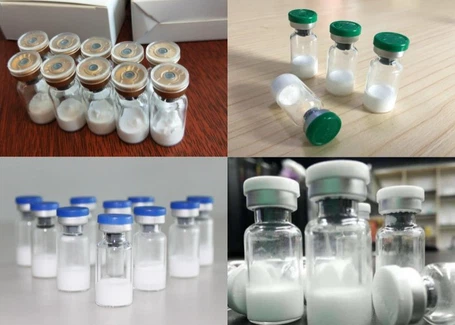

ll 37 Peptide is produced by the precursor protein hCAP-18 encoded by the CAMP gene, which is divided into a signal peptide portion, a Catherine domain, and an active peptide portion. The hCAP-18 gene is located on chromosome 3, with a length of 1963 bp and consists of four exons. Exon 1, exon 2, and exon 3 encode the signal peptide portion and the Catherine domain portion, while exon 4 encodes the active peptide portion; The N-terminus of LL-37 is a signal peptide portion composed of 30 amino acid residues, mainly guiding the release of the active peptide portion. The middle Cathelin domain portion is composed of 101 amino acid residues, while the C-terminus active peptide portion is composed of 37 amino acid residues, with the sequence LLGFFRKSKEKIGKEFKRIV QRIKDFLRNLVPRTES. After the precursor hCAP-18 removes the signal peptide, the remaining portion is mainly stored in the form of granular protein in neutrophils or epithelial cells. The release of the active ingredient LL-37 also requires serine protease 3 to partially remove the Catherine domain. Studies have found that a large amount of hCAP-18 enrichment can be detected on the activated neutrophil cell membrane, so the release of LL-37 mainly occurs on the surface of the cell membrane.

Antibacterial peptide LL-37 is a multifunctional peptide produced by the human immune system, with multiple biological activities such as antibacterial, antiviral, anti-inflammatory, anti-tumor, antioxidant, etc.
Antibacterial peptide LL-37 plays an important role in resisting pathogenic microorganisms. It has broad-spectrum antibacterial and antiviral activities and can resist infections from various bacteria and viruses. In the body, it can destroy the cell membrane of bacteria, inhibit their growth and reproduction. For certain resistant bacteria, such as methicillin-resistant Staphylococcus aureus (MRSA), antimicrobial peptide LL-37 can help overcome resistance. In addition, antimicrobial peptide LL-37 can also inhibit the replication process of the virus, thereby preventing virus infection. Therefore, antimicrobial peptide LL-37 has a wide range of applications in antibacterial and antiviral fields.

Anti-inflammatory effect

In addition to its antibacterial and antiviral effects, antimicrobial peptide LL-37 also has anti-inflammatory activity, which can alleviate inflammation, pain, and swelling symptoms. During the inflammatory process, antimicrobial peptide LL-37 can regulate the activity and function of immune cells, inhibit the release of inflammatory mediators, and thus alleviate the inflammatory response. Therefore, antimicrobial ll 37 Peptide also has extensive applications in anti-inflammatory fields.
In recent years, research has found that antimicrobial peptide LL-37 also has anti-tumor activity, which can inhibit the growth and diffusion of tumor cells. Specifically, it can regulate the metabolism and cell cycle of tumor cells, induce tumor cell apoptosis, and inhibit tumor angiogenesis, thereby inhibiting tumor growth and proliferation. Therefore, antimicrobial peptide LL-37 also has extensive applications in anti-tumor therapy.

Antioxidant effect

In addition, antimicrobial peptide LL-37 also has antioxidant activity, which can eliminate free radicals and oxidation products in the body, protecting cells from oxidative damage. It can directly react with free radicals or work in synergy with other antioxidants to eliminate oxidative products in the body and maintain normal cell function. Therefore, antimicrobial peptide LL-37 also has extensive applications in antioxidant properties.
In addition to the aforementioned biological activities, antimicrobial peptide LL-37 also has other biological activities. For example, it can promote wound healing, interact with immunoglobulins, and enhance immunity. In addition, antimicrobial peptide LL-37 can also inhibit the growth and reproduction of certain plant pathogenic fungi, and has potential application value for agricultural applications. Therefore, antimicrobial peptide LL-37 also has wide applications in other biological activities.


Antibacterial ll 37 Peptide is a multifunctional peptide produced by the human immune system, with multiple biological activities such as antibacterial, antiviral, anti-inflammatory, anti-tumor, antioxidant, etc. There are two commonly used methods for the synthesis of antimicrobial peptide LL-37:
Method 1: Chemical synthesis method
Chemical synthesis is a commonly used method for synthesizing antibacterial peptide LL-37. This method generally adopts two techniques: liquid phase synthesis and solid phase synthesis. The liquid phase synthesis method is the synthesis of peptide chains by adding starting materials, reaction reagents, and necessary solvents to the reaction solution, and undergoing a series of chemical reactions. The solid-phase synthesis method relies on a solid-phase carrier to fix the starting amino acid on the carrier and complete the peptide chain condensation reaction on the solid-phase carrier.
The advantage of chemical synthesis method is that it has a large amount of synthesis, can be used for industrial production, and the product purity is high. However, the reaction conditions of this method are relatively harsh, requiring the use of a large amount of organic solvents and harmful substances such as strong acids and bases, causing environmental pollution, and the reaction process is complex and difficult to control.
Method 2: Biosynthetic method
Biosynthesis is a method of synthesizing antimicrobial peptide LL-37 using biological systems such as microorganisms or cells. This method can be divided into two types: direct method and indirect method. The direct method is to directly produce antimicrobial peptide LL-37 in a biological system through microbial fermentation or cell culture. The indirect rule is to use microorganisms or cells as tools to produce the precursor or intermediate of antimicrobial peptide LL-37, and then undergo further chemical transformation to obtain antimicrobial peptide LL-37.
The advantage of biosynthesis is that it utilizes the metabolic pathways of biological systems and does not require the use of a large amount of organic solvents and harmful substances, resulting in less environmental pollution. At the same time, direct or indirect methods can be used to utilize the characteristics of biological systems such as microorganisms or cells for targeted production, improving the yield and purity of products. However, the reaction conditions of this method are relatively complex, there are many factors to control, and the production cycle is long, making it difficult to achieve industrial production.
Frequently Asked Questions
What does LL-37 peptide do?
+
-
Offering new strategies for treating chronic infections, LL-37 disrupts biofilms, particularly in antibiotic-resistant bacteria. Displaying both anti- and pro-cancerous effects, LL-37 plays a complex role, impacting immune responses and signalling pathways.
What is the difference between BPC 157 and LL-37?
+
-
LL‑37 handles immune modulation and microbial control, while BPC‑157 accelerates tissue repair at the cellular level. This stack is used when healing muscle tissue, tendons, or joints is the primary goal, and there's an inflammatory or infectious component (e.g., infected surgical site, post-injury inflammation).
What is the sequence of the LL-37 peptide?
+
-
The active form is LL-37, a 37 amino acid peptide having sequence LLGDFFRKSKEKIGKEFKRIVQRIKDFLRNLVPRTES. In humans, CAMP encodes the peptide precursor CAP-18 (18 kDa), which is processed by proteinase 3-mediated extracellular cleavage into the active form LL-37.
How does LL-37 compare to other peptides?
+
-
LL-37 is able to form aggregates in solution and lipid bilayers and thus, unlike other antimicrobial peptides, is protected from proteolytic degradation(5). Its positive charge allows it to preferentially associate with negatively charged phospholipid membranes(5).
Hot Tags: ll 37 Peptide CAS 597562-32-8, suppliers, manufacturers, factory, wholesale, buy, price, bulk, for sale, Best Growth Hormone Releasing Peptide CAS 87616 84 0, Epitalon Powder CAS 307297 39 8, Bremelanotide Powder CAS 189691 06 3, GLP 1 Peptide CAS 87805 34 3, Tesamorelin CAS 218949 48 5, Melanotan ii powder