

Indicator reagents play a crucial role in paper analysis across a wide range of industries. As a leading supplier of indicator reagents, we understand the significance of these substances in ensuring accurate and reliable results in paper testing and analysis. In this blog post, we will explore the various applications of indicator reagents in paper analysis, highlighting their importance and the specific ways they are used.
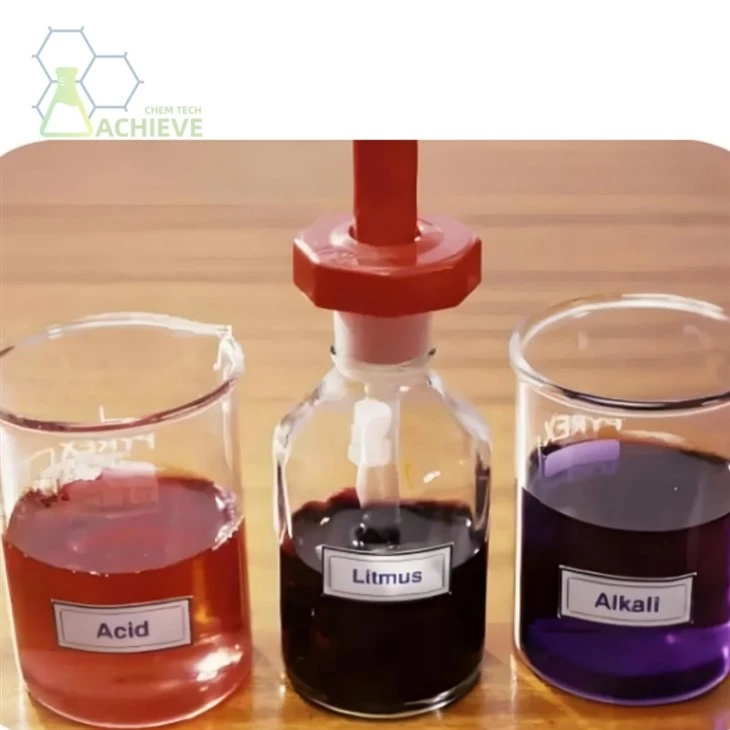


1. pH Determination

One of the most common applications of indicator reagents in paper analysis is the determination of pH. The pH of paper is a critical parameter that can affect its quality, durability, and performance. For example, acidic paper can be prone to yellowing, brittleness, and degradation over time. Indicator reagents can be used to measure the pH of paper quickly and accurately.
Litmus Indicator Solution is a well - known example of an indicator used for pH testing. It changes color depending on whether the paper is acidic or basic. However, for more precise pH measurements in paper analysis, other indicator reagents such as bromothymol blue or phenolphthalein may be used. These reagents can be applied to a small sample of the paper, and the resulting color change can be compared to a standard color chart to determine the pH value.
2. Detection of Chemical Contaminants
Indicator reagents are also used to detect the presence of chemical contaminants in paper. Paper can be contaminated with various substances during the manufacturing process or through environmental exposure. For instance, heavy metals such as lead, mercury, and cadmium can be present in paper, which can pose health risks.

Dithizone Test CAS 60 - 10 - 6 is an indicator reagent that can be used to detect the presence of heavy metals in paper. When dithizone reacts with heavy metal ions, it forms a colored complex. By adding a small amount of dithizone solution to a paper sample, the presence of heavy metals can be visually detected. If a color change occurs, it indicates the presence of the corresponding heavy metal.
3. Ink and Dye Analysis

In the paper industry, ink and dye analysis is important for quality control and product development. Indicator reagents can be used to analyze the properties of inks and dyes used on paper. For example, some indicator reagents can be used to determine the colorfastness of inks.
Dimidium Bromide CAS 518 - 67 - 2 can be used in certain ink analysis techniques. It can interact with the components of the ink, and changes in its color or fluorescence can provide information about the ink's composition and stability.
4. Detection of Oxidants and Reductants
Paper can be affected by oxidation and reduction processes, which can lead to changes in its physical and chemical properties. Indicator reagents can be used to detect the presence of oxidants and reductants in paper.

Indigo Carmine Powder CAS 860 - 22 - 0 is an indicator reagent that can be used to detect the presence of oxidants. When indigo carmine is oxidized, its color changes from blue to yellow. By applying a solution of indigo carmine to a paper sample, the presence of oxidants can be detected based on the color change.
5. Quality Control in Paper Manufacturing

In the paper manufacturing process, indicator reagents are used for quality control purposes. They can help ensure that the paper meets the required standards in terms of chemical composition, pH, and other properties.
During the pulping process, indicator reagents can be used to monitor the chemical reactions and the quality of the pulp. For example, indicator reagents can be used to determine the degree of delignification, which is an important step in paper production. By using indicator reagents, manufacturers can make adjustments to the process to ensure that the paper has the desired properties.
6. Environmental Monitoring of Paper Products
With the increasing concern for environmental protection, indicator reagents are also used in the environmental monitoring of paper products. Paper can release various chemicals into the environment during its production, use, and disposal.
Indicator reagents can be used to detect the presence of harmful chemicals such as dioxins and furans in paper. These chemicals can be released during the bleaching process of paper manufacturing. By using appropriate indicator reagents, the levels of these chemicals in paper can be monitored, and steps can be taken to reduce their environmental impact.

7. Preservation of Historical and Archival Papers
Historical and archival papers are often of great cultural and historical value. Indicator reagents can be used to assess the condition of these papers and to develop preservation strategies.
For example, indicator reagents can be used to detect the presence of acidic substances in historical papers. Acidic conditions can cause the paper to deteriorate over time. By using indicator reagents to measure the pH of the paper, conservationists can determine the appropriate treatment methods to preserve the paper.
Conclusion
Indicator reagents are essential tools in paper analysis, with a wide range of applications in various aspects of the paper industry. From pH determination to the detection of chemical contaminants, ink and dye analysis, and quality control, these reagents play a vital role in ensuring the quality, safety, and environmental friendliness of paper products.
As a supplier of high - quality indicator reagents, we are committed to providing our customers with the best products and services. If you are involved in paper analysis and are looking for reliable indicator reagents, we invite you to contact us for more information and to discuss your specific requirements. We look forward to working with you to meet your paper analysis needs.
References
- Smith, J. (2018). Paper Analysis: A Comprehensive Guide. Academic Press.
- Johnson, R. (2019). Indicator Reagents in Analytical Chemistry. Wiley - Blackwell.
- Brown, A. (2020). Environmental Monitoring of Paper Products. Springer.