

Isoflurane is a well - known volatile anesthetic agent widely used in clinical practice. As a supplier of isoflurane solution, I often receive inquiries about its suitability for pediatric patients. This blog aims to explore the question: Can isoflurane solution be used in pediatric patients?

Isoflurane Solution
Product Code: BM-2-5-031
English name: Isoflurane
CAS number: 26675-46-7
Molecular formula: C3H2ClF5O
Molecular weight: 184.49
EINECS No.: 247–897–7
Analysis items: HPLC>98.0%, GC-MS
Technology service: R&D Dept.-4
HS code: 2909191800
Main market: USA, Australia, Brazil, Japan, Germany, Indonesia, UK, New Zealand , Canada etc.
We provide Isoflurane Solution, please refer to the following website for detailed specifications and product information.
Pharmacological Properties of Isoflurane
Isoflurane is a halogenated ether anesthetic. It has a relatively rapid onset and offset of action, which is an important advantage in anesthesia. Its low solubility in blood allows for quick induction and emergence from anesthesia, facilitating a more controlled anesthetic process. In addition, isoflurane provides good muscle relaxation and cardiovascular stability to a certain extent. It does not cause significant changes in heart rate and blood pressure when used in appropriate concentrations, which is crucial for maintaining the physiological balance of patients during surgery.
Advantages of Using Isoflurane in Pediatric Patients
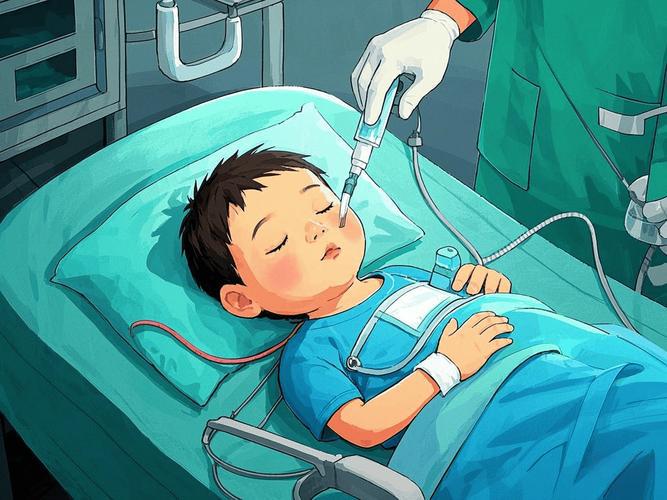
One of the main advantages of isoflurane in pediatric anesthesia is its rapid induction. Children are often more difficult to cooperate during anesthesia induction compared to adults. The fast - acting property of isoflurane allows for a smooth and relatively quick transition from the awake state to anesthesia, reducing the anxiety and discomfort of both the child and the parents.
Moreover, isoflurane has a pleasant smell compared to some other anesthetic agents. This can make the inhalation induction process more acceptable to pediatric patients. For example, in cases where mask induction is required, the relatively mild odor of isoflurane can prevent children from resisting the mask, which is beneficial for a successful induction.


Another advantage is its effect on cerebral blood flow. Isoflurane can maintain cerebral perfusion pressure while providing anesthesia. In pediatric neurosurgery or other surgeries where cerebral function needs to be protected, this property is of great significance. It helps to ensure an adequate supply of oxygen and nutrients to the brain, reducing the risk of neurological complications.
Challenges and Considerations in Using Isoflurane in Pediatric Patients
However, there are also several challenges and considerations when using isoflurane in pediatric patients. One of the main concerns is the potential for respiratory depression. Children have different respiratory physiology compared to adults. Their respiratory rate is higher, and their respiratory muscles are less developed. Isoflurane, like other anesthetic agents, can suppress the respiratory drive. Therefore, careful monitoring of respiratory parameters such as tidal volume, respiratory rate, and oxygen saturation is essential during isoflurane anesthesia in pediatric patients.

Another issue is the potential for arrhythmias. Although isoflurane generally has good cardiovascular stability, in some pediatric patients with pre - existing heart conditions, it may increase the risk of arrhythmias. Close monitoring of the electrocardiogram (ECG) is necessary to detect and manage any cardiac rhythm disturbances promptly.
In addition, the depth of anesthesia needs to be carefully controlled in pediatric patients. Children may have different responses to isoflurane compared to adults. Over - anesthetizing a child can lead to prolonged recovery time, increased risk of postoperative complications, and potential long - term effects on the developing nervous system. On the other hand, under - anesthetizing can result in intraoperative awareness, which is a very distressing experience for the child.

Comparison with Other Anesthetic Agents
When considering using isoflurane in pediatric patients, it is also important to compare it with other anesthetic agents. For example, sevoflurane is another commonly used volatile anesthetic in pediatric anesthesia. Sevoflurane has an even more pleasant smell and a faster induction and emergence compared to isoflurane. However, it is more expensive. Isoflurane, on the other hand, is more cost - effective and has a long - standing history of use in anesthesia.
Propofol is a popular intravenous anesthetic. It provides rapid induction and smooth emergence, and it is also commonly used in pediatric anesthesia. However, propofol requires intravenous access, which can be difficult to obtain in some pediatric patients, especially in infants. Isoflurane, which can be administered via inhalation, does not have this problem and can be a good alternative in such cases.
Safety Profile and Long - term Effects

The safety of isoflurane in pediatric patients has been widely studied. In general, when used appropriately with proper monitoring, isoflurane is considered a safe anesthetic agent. However, there have been some concerns about the potential long - term effects of anesthetic exposure on the developing brain. Some animal studies have suggested that repeated or prolonged exposure to anesthetic agents during the critical period of brain development may have adverse effects on cognitive function.
Although the results of human studies are still inconclusive, it is important to use isoflurane and other anesthetic agents in pediatric patients with caution, especially in young children. Minimizing the duration and concentration of isoflurane exposure, as well as ensuring proper postoperative care and follow - up, are important measures to reduce potential risks.
Our isoflurane solution Product
As a supplier of isoflurane solution, we are committed to providing high - quality products. Our isoflurane solution is produced under strict quality control standards. We ensure that the purity of the solution meets the highest industry requirements, which is crucial for the safety and efficacy of anesthesia.

We also offer comprehensive technical support to our customers. Whether you are a pediatric anesthesiologist, a hospital pharmacy, or a research institution, our team of experts can provide you with detailed information about the use, storage, and handling of isoflurane solution.
In addition to isoflurane solution, we also supply other related products such as Artesunate Sirop, GW0742, andUpadacitinib Powder CAS 1310726-60-3. These products are also of high quality and can be used in various research and clinical applications.
Conclusion and Call to Action
In conclusion, isoflurane solution can be used in pediatric patients, but it requires careful consideration of its advantages, challenges, and potential risks. With proper use and monitoring, it can be a valuable tool in pediatric anesthesia.
If you are interested in our isoflurane solution or other products, we welcome you to contact us for more information and to discuss your procurement needs. We are looking forward to establishing a long - term and mutually beneficial cooperation with you.
References
Eger EI II. Isoflurane: a review of its pharmacology and clinical use. Anesthesiology. 1985;62(6):752 - 763.
Coté CJ, Lerman J, Anderson BJ, eds. A Practice of Anesthesia for Infants and Children. 5th ed. Elsevier; 2013.
Sun LS, Li J, Miller TL, et al. Association of general anesthesia exposure before age 3 years with neurocognitive outcomes in later childhood. JAMA. 2016;315(21):2312 - 2320.