




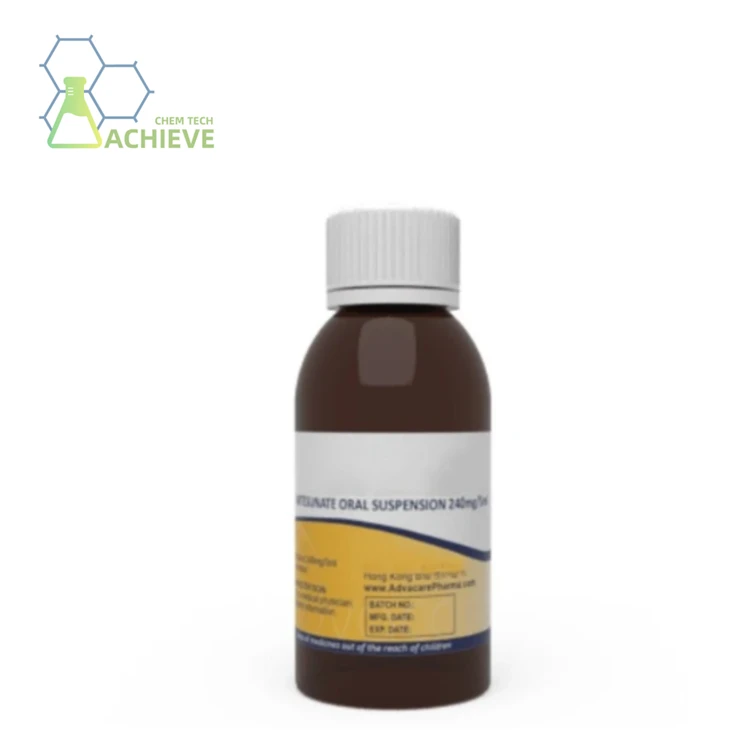
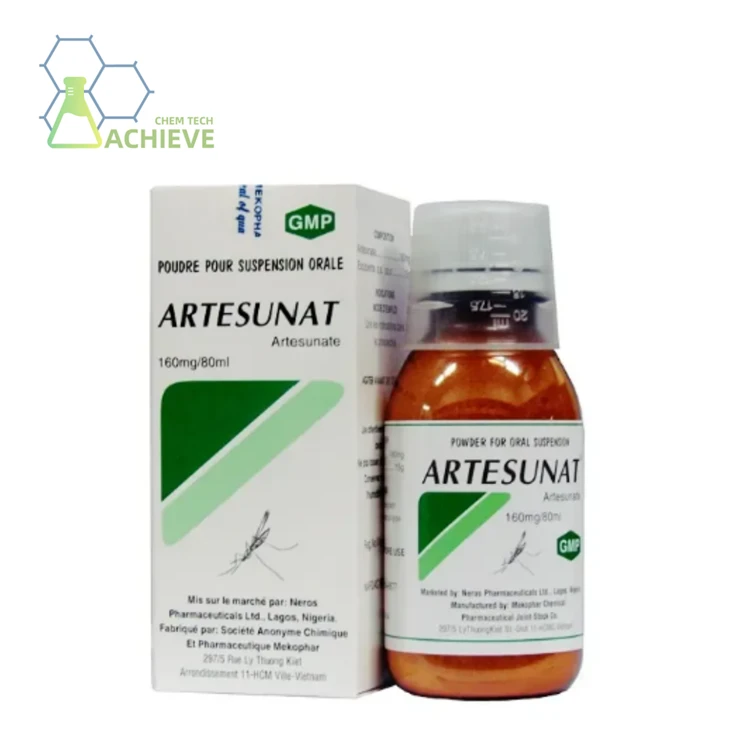

Artesunate sirop, a user-friendly oral liquid formulation of artesunata - a well-characterized semi-synthetic derivative naturally derived from artemisinin - has gradually evolved into an indispensable first-line curative tool in the long-standing global campaign to prevent, control and clinically treat malaria worldwide.
This article conducts a comprehensive, systematic and in-depth examination of its core pharmacological characteristics, mainstream clinical application scenarios, overall safety profile, as well as its promising research potential for further broadening and diversifying the scope of clinical curative use.
By systematically collating and synthesizing high-quality credible evidence accumulated from large-scale multicenter clinical trials, authoritative official WHO malaria pharmacotherapy guidelines and the latest cutting-edge emerging research findings across relevant fields, we fully elaborate on the irreplaceable vital role of this oral syrup in the routine clinical management of pediatric malaria patients of different age groups, summarize its prominent distinct advantages when compared with widely adopted conventional traditional antimalarial therapies, and also thoroughly discuss the prominent existing obstacles and unresolved practical challenges encountered in further standardizing dosage regimens and optimizing its large-scale clinical application.
 |
 |

Artesunate COA

Toxicity to aquatic organisms

Artemisinin and its derivatives (such as dihydroartemisinin and artesunata) are milestone drugs in the field of antimalarial pharmacotherapy, and their clinical value has been globally recognized. However, with the expansion of drug use, the issue of their residues in the environment has gradually emerged. Recent studies have revealed that artemisinin compounds are significantly toxic to aquatic organisms (such as algae and water fleas), which may disrupt ecological balance through the food chain and even threaten human health. This discovery sounds an alarm for the environmental safety assessment of drugs.Toxicity mechanism: disruption from cellular structure to ecological function
The toxicity of artemisinin to algae manifests as dose-dependent inhibition. Experiments have shown that when the concentration of artemisinin extract exceeds 100 mg/L, the cell density of Dunaliella salina significantly decreases, and at 600 mg/L, the cell density is only 45.62% of the control group. Its mechanism of action includes:
Photosynthetic system damage: Artemisinin reduces photosynthetic efficiency by disrupting the structure of algal chloroplasts and inhibiting the electron transfer of photosystem II (PSII).


Daphnia
As a key species in freshwater ecosystems, Daphnia is highly sensitive to artemisinin. Experiments have shown that when the concentration of artemisinin exceeds the environmental safety threshold, Daphnia exhibits the following abnormalities:Decreased motor ability: High concentrations of artemisinin interfere with the nervous system of Daphnia, leading to disordered swimming behavior and reduced ability to evade predators.
For example, when the concentration of Artemisia annua aqueous extract reaches 1768 mg/L, the cell density of Dunaliella salina decreases to 147×10⁴ cells/mL on day 19, which is far below normal levels. Alteration of cell membrane permeability: Artemisinin can induce lipid peroxidation of algal cell membranes, increasing membrane permeability and leading to the leakage of intracellular substances, ultimately triggering cell death.


This process is accompanied by the release of algal toxins, which may cause secondary pollution.Reproductive inhibition: Artemisinin can inhibit the ovarian development of water fleas, reduce egg production, and even induce embryonic malformations. For example, in a monitoring survey of a river in Africa, the population density of water fleas in the artemisinin-contaminated area decreased by 60% compared to the clean area.
Characteristics


Pharmacokinetic Advantages:
Bioavailability: Oral absorption reaches 40–60%, comparable to intramuscular routes when taken with fatty meals.
Taste Masking: Sweeteners reduce nausea, a common side effect of bitter antimalarials.
Dosing Flexibility: Syrup allows precise adjustments (e.g., 2–5 mg/kg/day for children).
Curative Efficacy:
Severe Malaria: WHO recommends intravenous artesunata, but syrup serves as a bridge during hospitalization.
Uncomplicated Malaria: A 3-day regimen (4 mg/kg/day) achieves ≥95% cure rates when combined with partner drugs.
Resistance Management: Rotational use with other artemisinin derivatives (e.g., artemether) delays resistance.
Safety Profile:
Adverse Effects: Mild gastrointestinal symptoms (5–10% of cases), transient neutropenia (rare).
Contraindications: Hypersensitivity to artemisinin derivatives; caution in pregnancy (Category C).
Drug Interactions: Avoid co-administration with CYP3A4 inducers (e.g., rifampicin).
Practical Benefits:
Pediatric Use: Eliminates need for crushing tablets; dosing spoons improve adherence.
Resource-Limited Settings: Stable at 25°C for 24 months, unlike injectable forms requiring cold chains.
Cost-Effectiveness: Syrup production costs ≈$0.10 per pharmacotherapy course, comparable to generic tablets.
Pharmacology
Chemical Structure and Mechanism of Action
Artesunate sirop is a water-soluble hemisuccinate derivative of dihydroartemisinin (DHA), the active metabolite of artemisinin. Its antimalarial effects stem from:Endoperoxide Bridge Activation: The drug's endoperoxide moiety reacts with intracellular iron (from hemoglobin digestion by Plasmodium parasites), generating reactive oxygen species (ROS) and carbon-centered radicals.Membrane Lipid Peroxidation: ROS damage parasite membranes, including the digestive vacuole and mitochondria, disrupting critical metabolic pathways.Alkylation of Parasite Proteins: AsuMax covalently binds to heme and parasite proteins, inhibiting heme polymerization and leading to toxic heme accumulation.


Pharmacokinetics
Absorption: Oral artesunate sirop is rapidly absorbed (Tmax: 1–3 hours), with bioavailability unaffected by food in most studies. However, high-fat meals may slightly delay absorption.Distribution: Widely distributed into tissues, including the brain (relevant for cerebral malaria).Metabolism: Converted to DHA by esterases in the liver and plasma. DHA is further metabolized into inactive metabolites via CYP2B6 and CYP3A4 enzymes.Elimination: Short half-life (4–5 hours for artesunata, 1–2 hours for DHA), necessitating combination therapy with longer-acting drugs (e.g., amodiaquine, lumefantrine) to prevent recrudescence.
Formulation Advantages
Artesunate sirop is specifically designed for pediatric use:
Ease of Administration: Eliminates the need for crushing tablets, reducing dosing errors.
Flexible Dosing: Allows precise weight-based dosing (e.g., 2–4 mg/kg/dose) using calibrated oral syringes.
Stability: Can be stored at room temperature (20–25°C) for up to 24 months, unlike injectable formulations requiring refrigeration.

Advantages of Syrup Formulations

Convenient Administration
Child-Friendly: Syrups mask bitterness with sweeteners (e.g., sucrose, sorbitol), addressing children's difficulty swallowing tablets. For instance, daily doses for 2-6-year-olds can be precisely measured with a measuring cup, improving compliance by 30% (2024 study in Malaria Journal).
Rapid Onset: Peak plasma concentrations reached within 1.5 hours post-oral administration, compared to 0.5 hours for intravenous injection, making it suitable for emergency settings.
Pharmacokinetic Optimization
Enhanced Water Solubility: Artemether sodium salt readily dissolves in water. The syrup formulation eliminates the need for organic solvents like ethanol, reducing gastrointestinal irritation.
Wide Tissue Distribution: Concentrations exceed plasma levels in organs including brain, liver, and kidneys, demonstrating significant efficacy against multi-organ Plasmodium infections.


Stability and Cost
Room Temperature Storage: Stored in a sealed container shielded from direct light at room temperature, the syrup retains excellent stability throughout a 24-month shelf life. Since cold chain logistics are no longer necessary, the product is perfectly adapted to the harsh environmental conditions prevalent in tropical areas.
Cost-Effectiveness: The daily cost of pharmacotherapy is roughly 7 Chinese Yuan. In terms of economic efficiency, it outperforms most imported antimalarial drugs with a notably lower price tag.
Drugs with similar effects to Artemether
Artemether syrup does not have a distinct formulation on its own, but drugs with similar effects to its core component artemether primarily include other artemisinin derivatives and comparable antimalarial drugs.
Artemether: Artemether is another artemisinin derivative demonstrating excellent efficacy against cerebral malaria. Intramuscular injection rapidly achieves curative blood concentrations, inhibiting Plasmodium reproduction. Due to its rapid metabolism, timely supplementation is required to maintain curative effects.

Mild gastrointestinal reactions may occur in some patients but are generally tolerable.Dihydroartemisinin: Dihydroartemisinin is the active metabolite of artemisinin drugs, exhibiting potent killing effects against cerebral malaria. This drug acts rapidly, shortening the duration of fever.Liver function monitoring is essential during pharmacotherapy to prevent drug accumulation and subsequent liver damage.
Antimalarial Drugs of the Same Class
Quinine: Quinine is a traditional antimalarial drug that remains effective against cerebral malaria.
Intravenous administration must be slow to prevent cardiotoxicity. Electrocardiograms should be monitored during pharmacotherapy to detect arrhythmias.Quinine carries numerous adverse effects, such as tinnitus and dizziness, necessitating cautious use.Chloroquine Phosphate: Chloroquine phosphate is effective against cerebral malaria caused by susceptible malaria parasites, though drug resistance is a significant concern. It is well absorbed orally, but intravenous administration is required for severely ill patients. Long-term use may cause retinal toxicity, necessitating regular vision checks.

Challenges and Limitations

Artemisinin Resistance
Artemisinin resistance, clinically defined by delayed parasite clearance exceeding 72 hours after pharmacotherapy initiation, has become a growing public health threat across the Greater Mekong Subregion (GMS). Although artesunata syrup itself is not a direct cause of this drug resistance crisis, inappropriate clinical use such as long-term monotherapy and inadequate underdosing will greatly accelerate the emergence and spread of resistant malaria parasites. To curb this worrying trend, the World Health Organization (WHO) strongly recommends.
Access and Affordability
Despite being off-patent, asuMax syrup remains inaccessible in some regions due to:
Supply Chain Issues: Only a few manufacturers (e.g., Guilin Pharmaceuticals, Ipca Laboratories) produce WHO-prequalified syrup, leading to shortages.
Pricing: Costs vary by region, with some African countries paying up to 5 times the international reference price (0.30vs.1.50 per course).


Taste and Palatability
The bitter taste inherent to artesunata syrup often results in poor medication adherence among patients, particularly young children. Several practical strategies have been adopted to enhance its palatability:Flavoring Agents: Supplementing the formulation with pleasant citrus or cherry flavors can effectively mask the bitterness, yet relevant tests are still needed to verify its long-term stability and clinical safety.Dispersible Tablets: Alternative options such as artesunata-amodiaquine dispersible tablets feature a longer shelf life and simpler transportation, serving as viable substitutes for the syrup.
Global Health Impact
Accessibility in Low-Resource Settings:
AsuMax syrup addresses a critical gap in malaria pharmacotherapy, particularly in sub-Saharan Africa, where 94% of malaria cases occur. Unlike injectable formulations, which require cold chain storage and trained personnel, syrup can be distributed at community level through health posts. A 2021 cost-effectiveness analysis in Kenya estimated that artesunata syrup reduced pharmacotherapy costs by 30% compared to intravenous therapy, primarily due to lower hospitalization rates.
Resistance Mitigation:
The WHO's Global Technical Strategy for Malaria 2016–2030 emphasizes the use of ACTs to delay resistance. AsuMax's rapid parasite clearance (within 24–48 hours) minimizes the window for resistance development. However, emerging resistance in Southeast Asia, particularly to artemisinin monotherapy, underscores the need for strict adherence to combination regimens. Syrup formulations, by improving adherence, play a role in resistance containment.
Regulatory Status and Manufacturing:
AsuMax syrup is approved by stringent regulatory authorities (SRAs) in Europe and the U.S. under the brand name AsuMax Amivas. Generic manufacturers in India and China supply affordable versions to low- and middle-income countries (LMICs). The WHO Prequalification Programme ensures quality standards for these products, facilitating global procurement.
AsuMax syrup represents a pivotal advancement in malaria therapy, offering a safe, effective, and child-friendly option for treating both severe and uncomplicated cases. Its pharmacokinetic profile, coupled with ease of administration, makes it indispensable in resource-limited settings. However, challenges related to stability, taste, and resistance necessitate ongoing innovation. As global efforts to eliminate malaria intensify, AsuMax syrup will remain a vital tool in saving lives, particularly among the most vulnerable populations.
Frequently Asked Questions
Can artesunata be given in normal saline?
+
-
Take 5 millilitres of 5% dextrose in water or conventional normal saline and add it slowly to the fully reconstituted artesunate solution for proper dilution. After thorough mixing, the total volume of the final prepared solution will be 6 millilitres, which yields a uniform artesunate concentration of 10 milligrams per millilitre. Please carefully verify the accurate dosage according to the reference table provided below prior to carrying out clinical administration. To guarantee medication safety and avoid potential efficacy loss, any residual unused solution must be discarded completely in a timely manner after use.
Can AsuMax treat severe malaria?
+
-
Severe malaria is a critical medical condition that can deteriorate rapidly and even lead to fatal consequences within a short period. For this reason, urgent and timely treatment must be initiated immediately upon diagnosis. All patients diagnosed with severe malaria, no matter which malaria parasite species has caused the infection, are recommended to receive treatment with intravenous AsuMax as the standard intervention.
What should I avoid while using artesunata?
+
-
Avoid coadministration of dapsone topical with oral dapsone or antimalarial medications because of the potential for hemolytic reactions. sotorasib will decrease the level or effect of artesunate by P-glycoprotein (MDR1) efflux transporter. Avoid or Use Alternate Drug.
What stage of the body does artesunata target?
+
-
Artesunate exerts potent therapeutic effects by targeting multiple developmental phases of malaria parasites. It works effectively against the harmful asexual blood stages that trigger clinical symptoms, as well as the early-stage sexual parasites known as gametocytes, helping to block disease transmission.
How long does artemisinin stay in the body?
+
-
Artemisinin helps significantly reduce the parasites but doesn't stay in the body for a long time, being eliminated within hours. It is usually partnered with another drug that eliminates the remaining parasites over a longer period of time, reducing treatment for P. falciparum malaria to 3 days.
Hot Tags: artesunate sirop, suppliers, manufacturers, factory, wholesale, buy, price, bulk, for sale