

As a supplier of Pure Tetracaine, one of the most frequently asked questions I encounter is whether it can be used on children. This topic not only concerns the safety and well-being of young patients but also has significant implications for medical professionals and parents alike. In this blog, I'll delve into the scientific aspects of Pure Tetracaine, its potential benefits and risks when used on children, and discuss the regulatory and ethical considerations.

Pure Tetracaine
Product Code: BM-2-5-001
CAS Number: 94-24-6
Molecular formula: C15H24N2O2
Molecular weight: 264.36
Enterprise standard: HPLC>99.5%, HNMR
Main market: USA, Australia, Brazil, Japan, Germany, Indonesia, UK, New Zealand , Canada etc.
Manufacturer: BLOOM TECH Yinchuan Factory
Technology service: R&D Dept.-1
Usage: Standard substance for analysis, Pharmacokinetic study
We provide pure tetracaine, please refer to the following website for detailed specifications and product information.
Product:https://www.bloomtechz.com/synthetic-chemical/api-researching-only/pure-tetracaine-cas-94-24-6.html
Understanding Pure Tetracaine
Pure Tetracaine is a local anesthetic that belongs to the ester group. It works by blocking the generation and conduction of nerve impulses, effectively numbing the area where it is applied. It has a relatively long-acting anesthetic effect, which makes it useful for procedures in various medical fields such as ophthalmology, dentistry, and surface anesthesia for minor skin procedures.
The mechanism of action of tetracaine involves binding to sodium channels in the nerve cell membranes. By doing so, it inhibits the influx of sodium ions, preventing the depolarization of the nerve membrane and thus blocking the transmission of pain signals to the brain.
Potential Uses of Pure Tetracaine in Pediatric Care
In some pediatric medical scenarios, the use of Pure Tetracaine can be considered. For example, in ophthalmology, when carrying out procedures like tonometry or the removal of foreign bodies from the eye, a small amount of tetracaine eye drops can be used to numb the eye surface, making the procedure more tolerable for the child.
In dentistry, for minor procedures such as the application of topical fluoride or the placement of dental sealants, a tetracaine-based topical anesthetic can reduce the discomfort associated with these treatments. When it comes to skin procedures, like the removal of warts or the insertion of a small skin biopsy, tetracaine cream can be applied to the affected area to minimize pain.
/assets/production/practices/f5fc7f2d8db672eba4a17daa93a50ed4134ebbd1/images/2623684.jpg?size=x0 "Pure Tetracaine Pediatric medicine | Shaanxi BLOOM Tech Co., Ltd")
Safety Concerns when Using Pure Tetracaine on Children
However, there are several safety concerns associated with the use of Pure Tetracaine in children. One of the primary risks is systemic toxicity. Children, especially infants and toddlers, have a relatively larger body surface area to weight ratio compared to adults.
This means that they can absorb a relatively larger amount of the anesthetic through the skin or mucous membranes, potentially leading to systemic effects.
Systemic toxicity of tetracaine can manifest as central nervous system (CNS) and cardiovascular effects. CNS symptoms may include initial signs of restlessness, tremors, and seizures, while cardiovascular effects can range from arrhythmias to cardiac arrest in severe cases.
Another concern is the potential for allergic reactions. Although allergic reactions to tetracaine are relatively rare, children may be at a higher risk of developing hypersensitivity reactions, especially if they have a history of allergies.
Regulatory and Ethical Considerations

The use of Pure Tetracaine on children is highly regulated. In many countries, specific guidelines and regulations govern the use of local anesthetics in pediatric patients. These regulations are in place to ensure the safety of children and to minimize the risks associated with anesthetic use.
Ethically, medical professionals must balance the benefits of using tetracaine in reducing pain and discomfort during a procedure against the potential risks. Informed consent from parents or guardians is also a crucial ethical requirement. Parents need to be fully informed about the nature of the procedure, the benefits and risks of using the anesthetic, and any alternative options available.
Alternatives to Pure Tetracaine in Pediatric Care
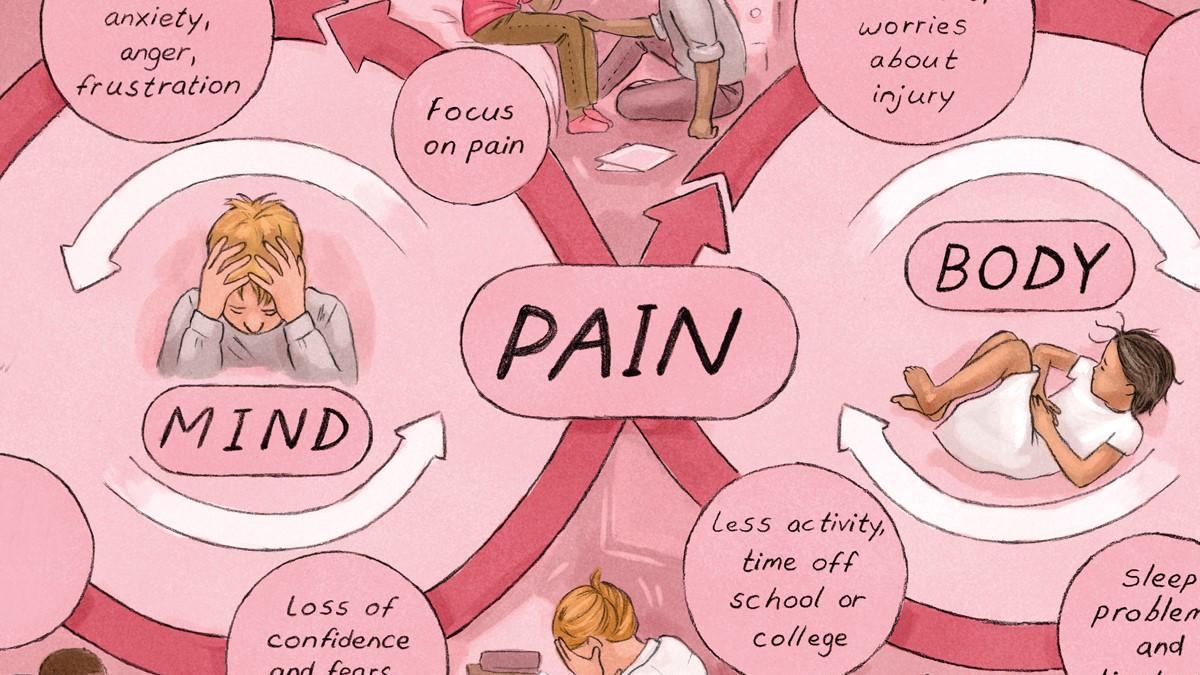
Given the potential risks associated with Pure Tetracaine, it's important to consider alternatives. For mild pain relief in children, non-pharmacological methods such as distraction techniques, topical cooling, or the use of sugar solutions (for infants) can be effective.

In terms of pharmacological alternatives, there are other local anesthetics available. For example, lidocaine is a commonly used local anesthetic that has a lower risk of systemic toxicity compared to tetracaine. It is available in various formulations such as creams, gels, and sprays, and can be used for a wide range of pediatric procedures.
If a more potent anesthetic is required, combinations of local anesthetics may be considered under the supervision of a trained medical professional. These combinations can provide effective pain relief while minimizing the risk of adverse effects.

Our Role as a Pure Tetracaine Supplier
As a supplier of Pure Tetracaine, we are committed to providing high-quality products that meet strict safety and quality standards. We work closely with medical professionals to ensure that they have access to the information they need regarding the proper use of our product, especially in pediatric cases.
We also understand the importance of continuous education. We provide resources such as product information sheets, safety guidelines, and research updates related to Pure Tetracaine. This helps medical professionals make informed decisions when considering the use of our product on children.
In addition to Pure Tetracaine, we also offer other products such as Huperzine A Powder, Naringin Powder, and Diclazuril Powder for various research and medical applications.
Our products


Conclusion
The question of whether Pure Tetracaine can be used on children is a complex one that requires careful consideration of the benefits, risks, regulatory requirements, and ethical implications. While it has potential uses in pediatric care, the safety concerns cannot be ignored. Medical professionals must make well-informed decisions based on the individual needs and circumstances of each child.
As a supplier, we are here to support the medical community by providing high-quality Pure Tetracaine and other related products, along with the necessary information and guidance. If you are interested in purchasing our products or have any questions regarding their use, please feel free to contact us to start a procurement discussion.
References
- American Academy of Pediatrics. Committee on Drugs. Local anesthetics in children. Pediatrics. 2006;118(1):393-404.
- Ozcan S, Sahin S, Guler U, et al. Systemic toxicity of local anesthetics in children. Paediatr Anaesth. 2010;20(7):617-623.
- Yagiela JA. Local anesthesia. In: Fehrenbach MJ, Herreid-Sattler J, eds. Illustrated Dental Embryology, Histology, and Anatomy. 5th ed. St. Louis, MO: Elsevier Saunders; 2016:524-534.