

In the medical field, the application of various drugs and anesthetic agents is a topic of great significance. As a supplier of tetracaine HCl powder, I often encounter inquiries about its potential use in spinal anesthesia. In this blog, we will delve into the scientific aspects of whether tetracaine HCl powder can be used in spinal anesthesia, exploring its properties, advantages, limitations, and relevant safety considerations.
Understanding Tetracaine HCl Powder
Tetracaine HCl, also known as amethocaine hydrochloride, is a local anesthetic belonging to the aminoester group. It is a white crystalline powder that is highly soluble in water. Tetracaine HCl works by blocking the nerve impulses at the site of application, thereby producing anesthesia and pain relief. It has a relatively long - lasting anesthetic effect compared to some other local anesthetics, which makes it an attractive option for certain procedures.
Potential for Use in Spinal Anesthesia
Mechanism of Action in Spinal Anesthesia
In spinal anesthesia, the anesthetic is injected into the subarachnoid space, where it can directly affect the nerve roots and the spinal cord. Tetracaine HCl's ability to block sodium channels in nerve fibers is crucial for its anesthetic action in the spinal canal. Once injected, it diffuses through the cerebrospinal fluid (CSF) and binds to the sodium channels, preventing the generation and conduction of nerve impulses. This leads to a loss of sensation and motor function in the areas innervated by the affected nerve roots.
Advantages
- Long - acting effect: One of the main advantages of using tetracaine HCl in spinal anesthesia is its long duration of action. This can be beneficial for longer surgical procedures, as it reduces the need for repeated dosing of the anesthetic. For example, in orthopedic surgeries that may take several hours, a single injection of tetracaine HCl for spinal anesthesia can provide continuous pain relief throughout the procedure.
- Potency: Tetracaine HCl is a potent local anesthetic. A relatively small amount of the drug can achieve a sufficient level of anesthesia, which is beneficial considering the limited space in the subarachnoid space.
Limitations and Safety Considerations
- Neurotoxicity: Although tetracaine HCl has been used in spinal anesthesia, one of the major concerns is its potential neurotoxicity. Prolonged exposure to high concentrations of tetracaine HCl in the subarachnoid space can cause damage to the nerve fibers and neurons. This can lead to complications such as post - operative neurological deficits, which may range from mild sensory disturbances to more severe motor impairments.
- Systemic toxicity: If not properly administered, tetracaine HCl can be absorbed into the systemic circulation, leading to systemic toxicity. Symptoms of systemic toxicity may include central nervous system excitation (such as tremors, seizures) followed by depression, and cardiovascular effects such as hypotension and arrhythmias. Therefore, strict control of the dose and careful monitoring of the patient's vital signs are essential when using tetracaine HCl in spinal anesthesia.
Comparison with Other Anesthetic Agents for Spinal Anesthesia
There are other anesthetic agents commonly used in spinal anesthesia, such as lidocaine and bupivacaine. Each of these agents has its own characteristics.
Lidocaine
Lidocaine is a widely used local anesthetic. It has a relatively rapid onset of action, which is usually within a few minutes. However, its duration of action is shorter compared to tetracaine HCl, typically lasting about 60 - 90 minutes. In procedures where a quick return of sensation is desired after the surgery, lidocaine may be a better choice. On the other hand, for longer surgeries, the need for repeated dosing of lidocaine may be a drawback.
Bupivacaine
Bupivacaine is another long - acting local anesthetic used in spinal anesthesia. It is known for its good sensory - motor dissociation, which means it can provide effective pain relief while allowing some preservation of motor function. Like tetracaine HCl, bupivacaine has a longer duration of action, but it also has potential risks of systemic toxicity, especially cardiotoxicity. In some cases, the choice between bupivacaine and tetracaine HCl may depend on the specific requirements of the surgery and the patient's overall health status.
The Role of Our Tetracaine HCl Powder
As a supplier of tetracaine HCl powder, we ensure that our product meets the highest quality standards. Our tetracaine HCl powder is carefully formulated and tested to ensure its purity, stability, and potency. We understand the critical role that this drug plays in the medical field, especially in spinal anesthesia, and we are committed to providing a reliable source of this important anesthetic agent.
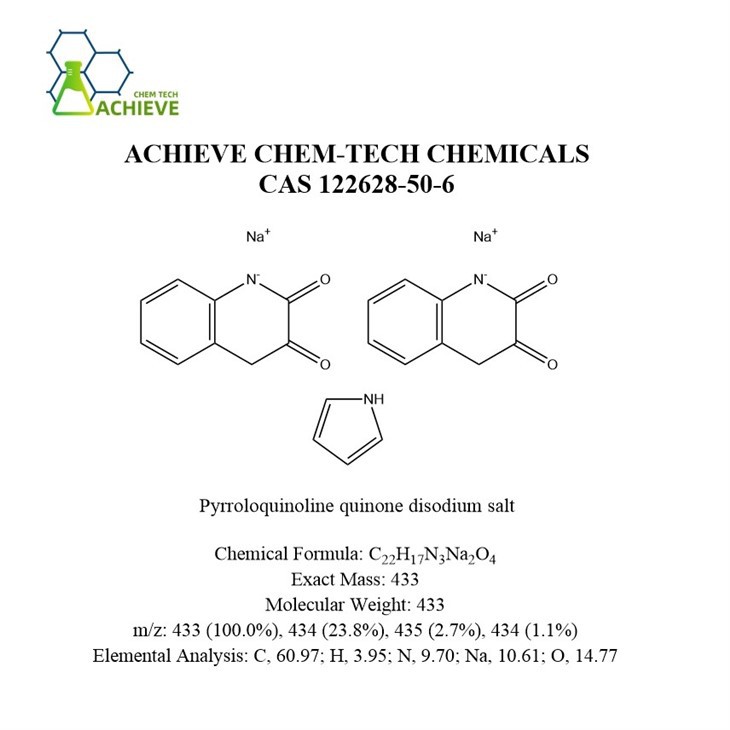
In addition to tetracaine HCl powder, we also offer other high - quality synthetic chemicals for research purposes. For example, Pyrroloquinoline Quinone Disodium Salt CAS 122628 - 50 - 6 is a compound with potential health benefits that is widely studied in the field of nutritional science. Iptg Powder CAS 367 - 93 - 1 is an important reagent in molecular biology research. And Ketone Ester Powder has attracted attention for its potential in sports nutrition and metabolic research.
Conclusion
In conclusion, tetracaine HCl powder can be used in spinal anesthesia, but it should be used with caution due to its potential risks of neurotoxicity and systemic toxicity. When used appropriately, its long - acting and potent properties can provide effective anesthesia for certain surgical procedures. As a supplier, we are dedicated to providing high - quality tetracaine HCl powder to support the medical and research communities.
If you are interested in purchasing tetracaine HCl powder or any of our other synthetic chemicals, we invite you to contact us for further discussion and negotiation. We look forward to working with you to meet your specific needs.
References
- Miller, R. D., & Pardo, M. C. (2020). Miller's Anesthesia. Elsevier.
- Stoelting, R. K., & Hillier, S. C. (2018). Pharmacology and Physiology in Anesthetic Practice. Lippincott Williams & Wilkins.
- Barash, P. G., Cullen, B. F., Stoelting, R. K., Cahalan, M. K., & Stock, M. C. (2017). Clinical Anesthesia. Lippincott Williams & Wilkins.