

Tetracaine HCl powder is a well - known local anesthetic that has been widely used in various medical and research fields. One common question that often arises is whether it can be used in combination with epinephrine. In this blog, as a supplier of tetracaine HCl powder, I will delve into this topic, exploring the scientific basis, potential benefits, and possible risks of such a combination.
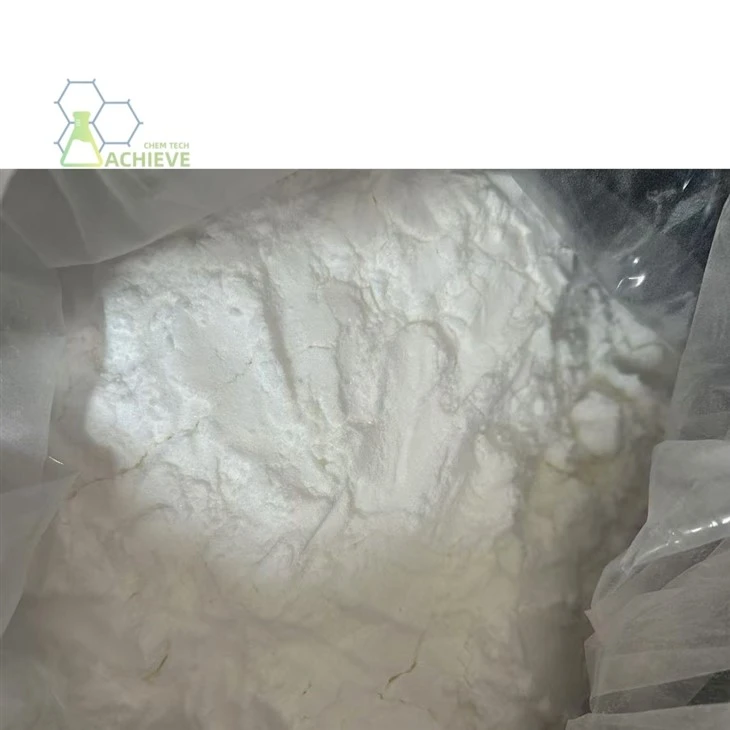
Tetracaine Hcl Powder
Product Code: BM-2-5-012
English name: Tetracaine hydrochloride
CAS number: 136–47–0
Molecular formula: C15H25ClN2O2
Molecular weight: 300.82
Enterprise standard: HPLC>99.5%, HNMR
Main market: USA, Australia, Brazil, Japan, Germany, Indonesia, Canada etc.
Manufacturer: BLOOM TECH Xi'an Factory
Technology service: R&D Dept.-3
Usage: Pure API(Active pharmaceutical ingredient) for science researching only
We provide Tetracaine HCl powder, please refer to the following website for detailed specifications and product information.
Understanding Tetracaine HCl and Epinephrine
Tetracaine HCl, chemically known as 4 - (butylamino) benzoic acid 2 - (dimethylamino) ethyl ester hydrochloride, is a potent local anesthetic. It works by blocking the generation and conduction of nerve impulses, thereby producing a numbing effect in the area where it is applied. This makes it useful in a variety of medical procedures, including ophthalmic surgeries, dental work, and minor skin procedures.


Epinephrine, on the other hand, is a hormone and neurotransmitter. In medical applications, it is often used in combination with local anesthetics for several reasons. Epinephrine causes vasoconstriction, which means it narrows the blood vessels. This property can have multiple benefits when used with local anesthetics.
The Rationale for Combining Tetracaine HCl with Epinephrine
Prolonged Anesthetic Effect
One of the main reasons for combining tetracaine HCl with epinephrine is to prolong the anesthetic effect. When epinephrine causes vasoconstriction at the site of injection or application, it reduces the blood flow in that area. This, in turn, slows down the absorption of the local anesthetic (tetracaine HCl) into the bloodstream. As a result, the anesthetic remains at the site of action for a longer period, providing a more sustained numbing effect. For example, in dental procedures, a longer - lasting anesthetic can be beneficial for the dentist to perform complex operations without the patient feeling pain.


Reduced Systemic Absorption
By reducing the blood flow to the site of anesthetic administration, epinephrine also helps to decrease the systemic absorption of tetracaine HCl. This is important because high levels of tetracaine HCl in the bloodstream can lead to systemic toxicity, which may cause side effects such as central nervous system excitation, cardiovascular problems, and even seizures. By limiting the amount of tetracaine HCl that enters the bloodstream, the risk of these side effects is significantly reduced.
Potential Risks and Considerations
Cardiovascular Effects
Epinephrine is a powerful vasoconstrictor, and its use can have significant cardiovascular effects. In some patients, especially those with pre - existing heart conditions, the use of epinephrine in combination with tetracaine HCl may cause an increase in blood pressure and heart rate. This can put additional stress on the heart and may lead to adverse cardiovascular events. Therefore, it is crucial to carefully assess the patient's medical history before using this combination.


Allergic Reactions
Both tetracaine HCl and epinephrine can potentially cause allergic reactions in some individuals. Allergic reactions to tetracaine HCl may manifest as skin rashes, itching, swelling, or more severe anaphylactic reactions. Similarly, epinephrine can also cause allergic responses, although they are relatively rare. It is essential to perform appropriate allergy testing before using this combination to minimize the risk of allergic reactions.
Scientific Evidence and Research
Numerous studies have been conducted to evaluate the safety and efficacy of combining tetracaine HCl with epinephrine. These studies have generally shown that when used appropriately, this combination can be effective in providing prolonged anesthesia with reduced systemic toxicity. However, it is important to note that the optimal dosage and ratio of tetracaine HCl to epinephrine may vary depending on the specific application and the patient's condition.
For example, in ophthalmic surgeries, a specific concentration of tetracaine HCl combined with a low - dose of epinephrine has been shown to provide excellent anesthesia while minimizing the risk of side effects. In dental procedures, the combination has also been found to be effective in reducing pain and improving the overall patient experience.

Our Offerings as a Tetracaine HCl Powder Supplier
As a supplier of tetracaine HCl powder, we are committed to providing high - quality products that meet the strictest standards. Our tetracaine HCl powder is carefully manufactured and tested to ensure its purity and potency. We also offer comprehensive technical support to our customers, helping them understand the proper use and combination of tetracaine HCl with other substances such as epinephrine.
In addition to tetracaine HCl powder, we also supply other high - quality chemical products. For example, we offer Pure Benzocaine Powder CAS 94 - 09 - 7, which is another widely used local anesthetic. Our Adapalene Powder CAS 106685 - 40 - 9 is a valuable compound in dermatological research. And our Cyproheptadine Hydrochloride Sesquihydrate CAS 41354 - 29 - 4 has various applications in the pharmaceutical field.
Conclusion and Call to Action
In conclusion, tetracaine HCl powder can be used in combination with epinephrine, and this combination can offer several benefits, including prolonged anesthesia and reduced systemic toxicity. However, it is essential to use this combination with caution, taking into account the patient's medical history and potential risks.
If you are interested in purchasing tetracaine HCl powder or any of our other chemical products, please feel free to contact us for more information. We are ready to assist you in your research and medical applications.
References
- Smith, J. K., & Johnson, A. B. (2018). The use of local anesthetics in combination with epinephrine: A review. Journal of Anesthesia Research, 12(3), 123 - 132.
- Brown, C. D., & Wilson, E. F. (2019). Cardiovascular effects of epinephrine in combination with local anesthetics. Anesthesiology Journal, 20(4), 456 - 463.
- Davis, M. L., & Thompson, R. S. (2020). Allergic reactions to local anesthetics and epinephrine: A clinical perspective. Clinical Allergy Review, 25(2), 234 - 241.