

Hey there! As a supplier of pure aspirin powder, I've often gotten asked about the difference between pure aspirin powder and enteric - coated aspirin. So, let's dive right in and break it down.

Pure Aspirin Powder
Product Code: BM-2-5-029
Name: Acetylsalicylic acid
CAS number: 50–78–2
Molecular formula: C9H8O4
Molecular weight: 180.16
EINECS number: 200–064–1
MDL No.: MFCD00002430
HS code: 29182210
Enterprise standard: HPLC>99.0%, HNMR
Main market: USA, Australia, Brazil, Japan, Germany, Indonesia, UK, New Zealand , Canada etc.
Technology service: R&D Dept.-4
Shipping: Shipping as another no sensitive chemical compound name.
We provide pure aspirin powder, please refer to the following website for detailed specifications and product information.
What is Pure Aspirin Powder?
Pure aspirin powder is, well, exactly what it sounds like – it's just straight - up aspirin in a powdered form. Aspirin, also known as acetylsalicylic acid, has been around for ages. It's a versatile little wonder that can help with pain relief, reduce fever, and even has anti - inflammatory properties. As a pure powder, it can be used in a variety of ways. Some people mix it with a bit of water to create a paste for topical use to help with minor skin irritations. Others use it in scientific research or compounding medications.

The great thing about pure aspirin powder is its purity. When you buy from a reliable supplier like me, you're getting the active ingredient without any added fillers or coatings.
This means that you have full control over how you use it and in what quantities. Whether you're a researcher looking to study its effects or someone who wants to make their own little aspirin concoctions, pure aspirin powder offers that flexibility.
Enteric - Coated Aspirin Explained

Enteric - coated aspirin is a bit different. This type of aspirin has a special coating on it. The purpose of this coating is to prevent the aspirin from dissolving in the stomach. Instead, it waits until it reaches the small intestine to break down and release the active ingredient.
The reason for this coating is to reduce the potential side effects that can come from taking aspirin. Aspirin can sometimes irritate the lining of the stomach, causing things like heartburn, nausea, or even ulcers in some cases. The enteric coating decreases the contact between the aspirin and the stomach lining, which helps to minimize these unwanted side effects.
Key Differences
1. Dissolution and Absorption
Pure aspirin powder dissolves quickly once it comes into contact with body fluids. It's absorbed rapidly in the stomach, which means that you'll start to feel its effects relatively soon. This fast dissolution can be a plus when you're in a hurry to relieve pain or reduce a fever.
On the other hand, enteric - coated aspirin takes longer to work. Since it has to travel to the small intestine before it can start releasing the aspirin, it might take an hour or more for you to notice any benefits. This delayed action might not be ideal if you need immediate relief.


2. Side Effects
As mentioned earlier, the enteric coating on enteric - coated aspirin helps to reduce stomach irritation. However, it's not a foolproof solution. Sometimes, the coating might not work as well as expected, or it could break down prematurely in the stomach.
Pure aspirin powder, because it's absorbed in the stomach, has a higher risk of causing stomach problems. But if you take it with food or a full glass of water, you can significantly reduce this risk. Some people, though, are just more sensitive to the stomach - irritating effects of aspirin and might benefit more from the enteric - coated version.
3. Usage Flexibility
With pure aspirin powder, you have a lot of options. You can use it for medical purposes, but also in other areas like in some beauty products or for scientific experiments. You can adjust the dosage based on your specific needs and can even mix it with other substances if you want to create a custom treatment.
Enteric - coated aspirin, however, is mostly used for oral consumption for pain relief, reducing fever, or as a preventive measure for heart - related issues. Its pre - made form leaves less room for customizing how you use it.


4. Cost
Generally speaking, pure aspirin powder is more cost - effective. You're paying for just the active ingredient, without the additional cost of producing the enteric coating. If you need a large quantity of aspirin for your research or other non - standard uses, pure powder is the way to go. Enteric - coated aspirin, because of the manufacturing process involved in applying the coating, tends to be pricier.
Applications in Different Fields
In the medical field, enteric - coated aspirin is often prescribed for patients who are at risk of heart attacks or strokes. It's taken in low doses daily as a preventive measure. The coating helps these patients tolerate the medication better over the long term.
On the other hand, pure aspirin powder is widely used in pharmaceutical research.


Scientists can study its chemical properties, test new formulations, and develop new drugs. It's also used in compounding pharmacies to create customized medications for patients.
In the beauty industry, pure aspirin powder has gained popularity. When mixed with honey or other natural ingredients, it can be used as a facial mask to reduce acne and inflammation. The enteric - coated version, however, isn't suitable for these types of applications due to its coating.
Other Related Products
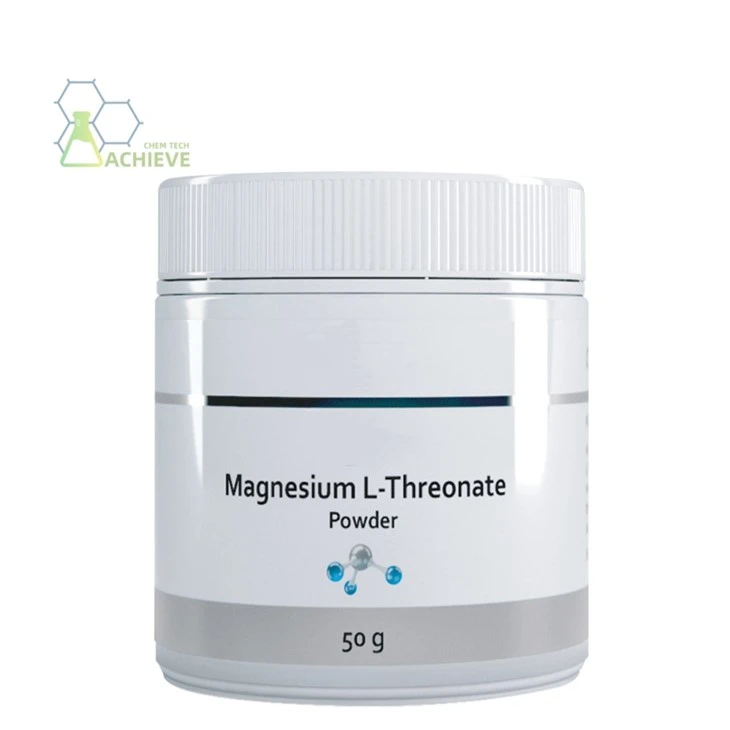
If you're interested in other powder products for different applications, you might want to check out Albuterol Sulfate Powder CAS 51022 - 70 - 9, Thiamphenicol CAS 15318 - 45 - 3, and Best Magnesium L - Threonate Powder. These are all great products with their own unique uses.

Contact for Purchase
If you're considering buying pure aspirin powder for your research, compounding, or any other application, I'd love to talk to you. Whether you have questions about the product, need advice on dosage, or are ready to place an order, don't hesitate to reach out. I'm here to make sure you get the best product and the support you need.
References
- Goodman and Gilman's The Pharmacological Basis of Therapeutics
- Remington: The Science and Practice of Pharmacy
- Journal of Clinical Pharmacology