

As a supplier of Pure Tetracaine, I've witnessed a growing interest in understanding the effects of this compound on blood pressure. Tetracaine is a well - known local anesthetic, and its impact on the cardiovascular system, particularly blood pressure, is a topic of significant scientific and medical concern.
Pure Tetracaine belongs to the ester - type local anesthetics. It exerts its anesthetic effect by blocking the voltage - gated sodium channels in nerve fibers, thereby preventing the generation and conduction of nerve impulses. However, its influence on blood pressure is not as straightforward and is influenced by multiple factors.

Product Code: BM-2-5-001
CAS Number: 94-24-6
Molecular formula: C15H24N2O2
Molecular weight: 264.36
Enterprise standard: HPLC>99.5%, HNMR
Main market: USA, Australia, Brazil, Japan, Germany, Indonesia, UK, New Zealand , Canada etc.
Manufacturer: BLOOM TECH Yinchuan Factory
Technology service: R&D Dept.-1
Usage: Standard substance for analysis, Pharmacokinetic study
We provide Pure Tetracaine, please refer to the following website for detailed specifications and product information.
Product: https://www.bloomtechz.com/synthetic-chemical/api-researching-only/pure-tetracaine-cas-94-24-6.html
When it comes to the physiological mechanisms, the effect of Pure Tetracaine on blood pressure is mainly related to its interaction with the cardiovascular system. At lower doses, Tetracaine may have a relatively mild impact on blood pressure. It can cause a slight vasodilation in the peripheral blood vessels. Vasodilation occurs because Tetracaine can interfere with the normal function of smooth muscle cells in the vessel walls. By blocking sodium channels in these cells, it reduces their ability to contract, leading to an increase in the diameter of blood vessels. As the blood vessels widen, the resistance to blood flow decreases, which in turn can cause a small drop in blood pressure.

In some clinical settings, such as local anesthesia during minor surgical procedures, the local application of Tetracaine usually results in only a local vasodilation effect. The anesthetic is applied directly to the target area, and the systemic absorption is limited. Therefore, the overall impact on blood pressure is often negligible. However, if the anesthetic is absorbed into the bloodstream in larger amounts, for example, due to accidental intravascular injection or excessive dosage, it can have more significant effects on blood pressure.

Higher doses of Pure Tetracaine can lead to more pronounced vasodilation and may also affect the heart's function. The heart is a highly excitable organ, and the sodium channels in cardiac muscle cells play a crucial role in the process of cardiac excitation and contraction. When Tetracaine reaches the heart through the bloodstream, it can block these sodium channels, which may lead to a decrease in the contractility of the heart muscle. A reduction in cardiac contractility means that the heart pumps blood less forcefully, resulting in a decrease in cardiac output. Since blood pressure is determined by cardiac output and peripheral vascular resistance, a decrease in cardiac output, along with the vasodilation effect, can cause a significant drop in blood pressure.
On the other hand, in some cases, there may be a paradoxical increase in blood pressure. This can occur as a result of the body's compensatory mechanisms. When the body senses a decrease in blood pressure, it activates the sympathetic nervous system. The sympathetic nervous system releases neurotransmitters such as norepinephrine, which can cause vasoconstriction in some blood vessels and increase the heart rate. This compensatory response is an attempt by the body to maintain normal blood pressure levels. However, if the dose of Tetracaine is too high or the individual is particularly sensitive to the drug, these compensatory mechanisms may not be sufficient to counteract the hypotensive effects.
It's also important to consider the interaction of Pure Tetracaine with other substances. For example, patients may be taking other medications that can affect blood pressure, such as antihypertensive drugs or vasodilators. The combination of Tetracaine with these medications can either enhance or counteract its effects on blood pressure. In addition, the presence of certain medical conditions, such as heart disease or hypertension, can also influence how an individual responds to Tetracaine in terms of blood pressure changes.

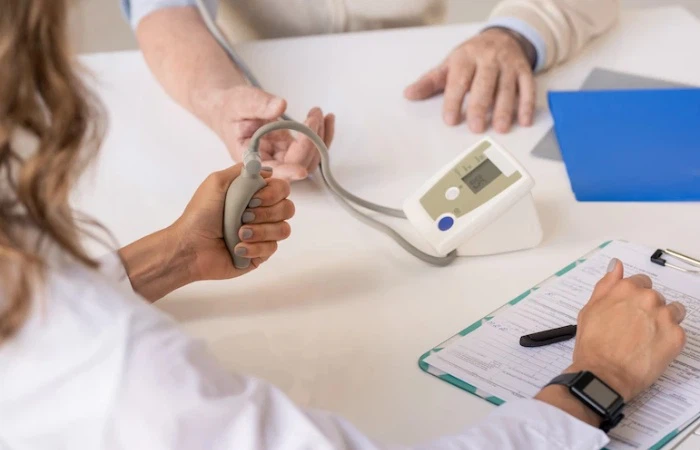
In research and clinical practice, understanding the relationship between Pure Tetracaine and blood pressure is essential for ensuring patient safety. Anesthesiologists and medical professionals need to carefully monitor blood pressure during the administration of Tetracaine. They need to calculate the appropriate dosage based on the patient's condition, body weight, and the type of procedure. By closely monitoring blood pressure, they can detect any abnormal changes early and take appropriate measures to maintain the patient's cardiovascular stability.
When it comes to our role as a Pure Tetracaine supplier, we are committed to providing high - quality products that meet strict quality standards. Our Pure Tetracaine is carefully synthesized and tested to ensure its purity and efficacy. We understand the importance of the proper use of this compound in medical and research fields, especially considering its potential effects on blood pressure.

In addition to Pure Tetracaine, we also offer other related products for research purposes. For example, we supply Scopolamine Hydrobromide Powder CAS 114-49-8, Trifluoperazine Dihydrochloride CAS 440 -17-5, and D(+)-Trehalose Dihydrate CAS 6138-23-4. These products are also used in various research areas, and our customers can rely on us for their high - quality and reliable supply.
If you are interested in our Pure Tetracaine or any of our other products, we encourage you to contact us for procurement and further discussion. Our team of experts is ready to provide you with detailed information and support to meet your specific needs. We believe that through close cooperation, we can contribute to the advancement of medical and scientific research.
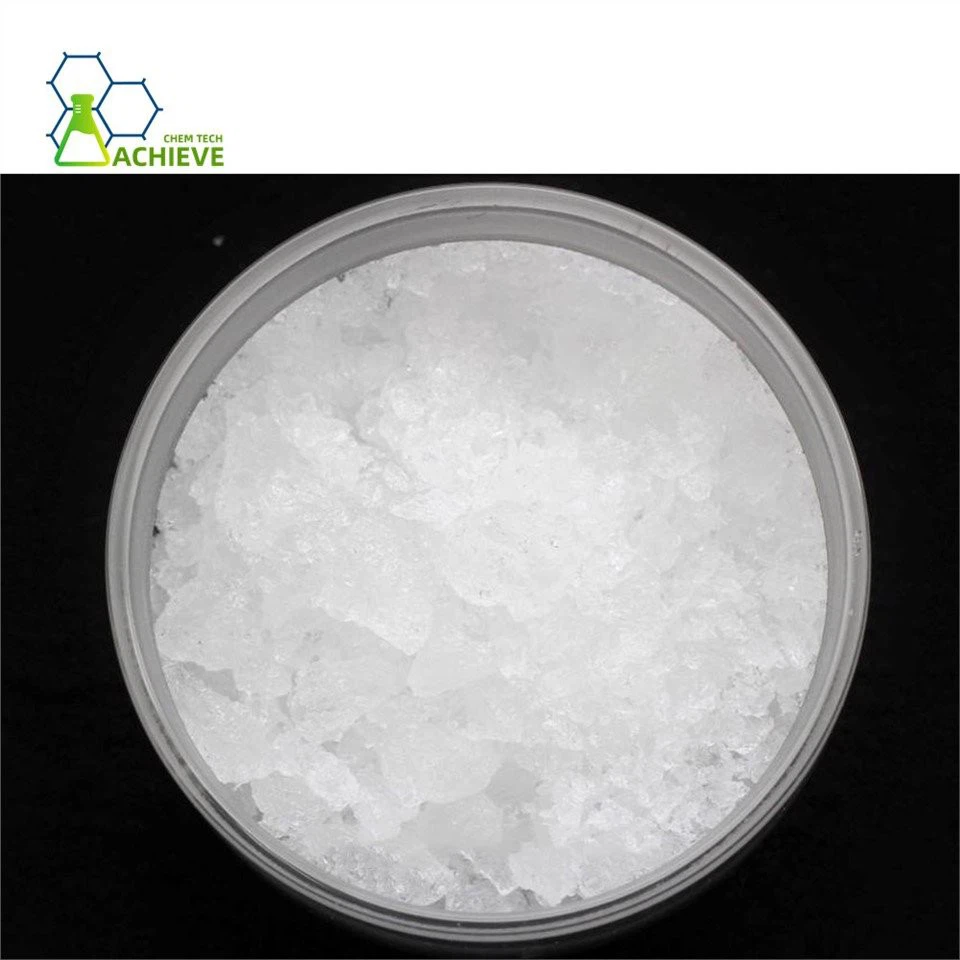
Our product form


References
- Stoelting RK, Hillier SC. Pharmacology and Physiology in Anesthetic Practice. Lippincott Williams & Wilkins; 2018.
- Miller RD, Eriksson LI, Fleisher LA, et al. Miller's Anesthesia. Elsevier; 2020.
- Butterworth JF, Mackey DC, Wasnick JD. Morgan & Mikhail's Clinical Anesthesiology. McGraw - Hill Education; 2020.