

What are the quality standards for pure aspirin powder?
As a supplier of pure aspirin powder, I understand the critical importance of adhering to stringent quality standards. Aspirin, also known as acetylsalicylic acid, is a widely used over - the - counter medication with analgesic, anti - inflammatory, and antipyretic properties. Ensuring the quality of pure aspirin powder is not only a matter of regulatory compliance but also a commitment to the health and safety of end - users.
Chemical Purity
One of the most fundamental quality standards for pure aspirin powder is its chemical purity. High - quality pure aspirin powder should have a purity level of at least 99%. Impurities in aspirin can arise from various sources during the manufacturing process, such as unreacted starting materials, by - products of the chemical reactions, or contaminants from the production environment.
To determine the chemical purity of aspirin powder, several analytical techniques are commonly employed. High - performance liquid chromatography (HPLC) is a powerful tool that can separate and quantify the different components in a sample. By comparing the peak areas of aspirin and other substances in the chromatogram, the purity of the aspirin can be accurately determined. Another technique is melting point determination. Pure aspirin has a well - defined melting point range (around 135 - 136 °C). Deviations from this range may indicate the presence of impurities.
Physical Properties
The physical properties of pure aspirin powder also play a crucial role in its quality assessment. The particle size distribution of the powder affects its dissolution rate and bioavailability. For pharmaceutical applications, a narrow and appropriate particle size distribution is often required to ensure consistent dosing and efficacy. A supplier should control the manufacturing process to produce aspirin powder with a uniform particle size.
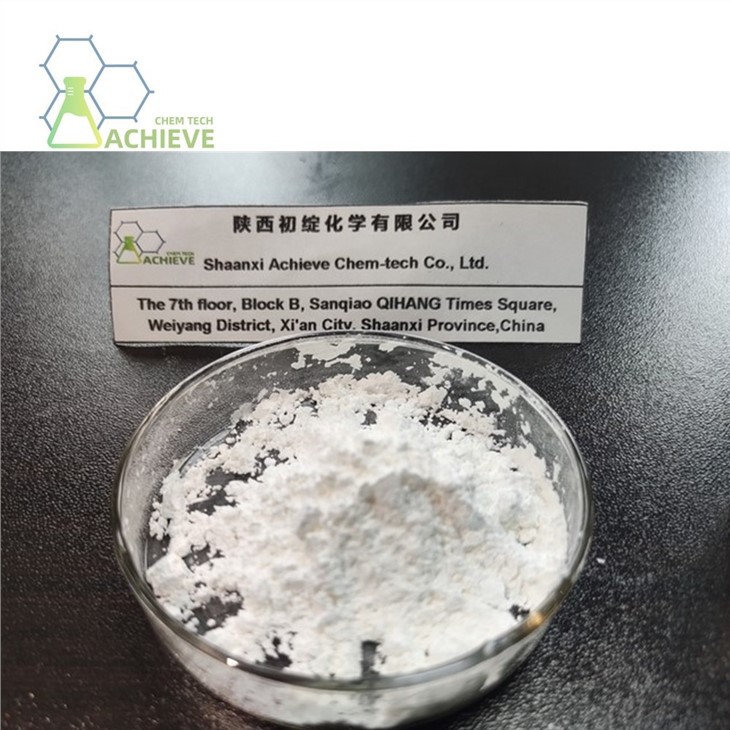
The appearance of the powder is also an important quality indicator. Pure aspirin powder should be a white, odorless, and fine crystalline powder. Any discoloration, such as yellowing or the presence of visible particles, may suggest degradation or contamination. Moisture content is another physical property that needs to be monitored. Excessive moisture can lead to hydrolysis of aspirin, resulting in the formation of salicylic acid, which can cause irritation and reduce the stability of the product.
Heavy Metal Content
Heavy metals, such as lead, mercury, and cadmium, are extremely toxic even at low concentrations. Therefore, strict limits are set for heavy metal content in pure aspirin powder. These metals can enter the product through raw materials, manufacturing equipment, or the environment.
Inductively coupled plasma - mass spectrometry (ICP - MS) is a sensitive technique used to detect and quantify heavy metals in aspirin powder. The World Health Organization (WHO) and other regulatory bodies have established maximum allowable limits for heavy metals in pharmaceutical products. For example, the limit for lead in aspirin is typically set at a very low level (e.g., less than 10 ppm), ensuring the safety of the product for human consumption.
Microbiological Quality
Microbial contamination can pose a significant risk to the quality and safety of pure aspirin powder. Microorganisms such as bacteria, fungi, and yeasts can grow in the product under suitable conditions, leading to spoilage and potential health hazards.
To assess the microbiological quality of aspirin powder, suppliers should conduct tests for total aerobic microbial count, total yeast and mold count, and the presence of specific pathogens. The product should comply with the microbiological limits set by regulatory agencies. For example, the total aerobic microbial count should not exceed a certain number of colony - forming units per gram (CFU/g), and the presence of pathogens such as Escherichia coli and Salmonella should be absent.
Stability
The stability of pure aspirin powder is essential to maintain its quality over time. Aspirin is prone to hydrolysis in the presence of water, which can lead to the formation of salicylic acid and acetic acid. This degradation process can be accelerated by factors such as temperature, humidity, and light.
Suppliers should conduct stability studies to determine the shelf - life of the product. These studies involve storing the aspirin powder under different conditions (e.g., different temperatures and relative humidities) for a specified period and then analyzing the samples for changes in chemical composition, physical properties, and microbiological quality. Based on the results of these studies, appropriate storage conditions and expiration dates can be established.
Regulatory Compliance
In addition to the above - mentioned quality standards, pure aspirin powder must comply with various regulatory requirements. In the United States, the Food and Drug Administration (FDA) regulates the manufacturing, labeling, and distribution of pharmaceutical products, including aspirin. In the European Union, the European Medicines Agency (EMA) sets similar standards.
Suppliers need to ensure that their manufacturing facilities meet Good Manufacturing Practice (GMP) guidelines. This includes having proper quality control systems in place, maintaining accurate records of production and testing, and ensuring the safety and hygiene of the manufacturing environment.
As a supplier of pure aspirin powder, we are also committed to providing other high - quality synthetic chemicals. For example, we offer Pure Creatine Powder CAS 57 - 00 - 1, Isorhamnetin CAS 480 - 19 - 3, and Methylergonovine Maleate Salt CAS 57432 - 61 - 8. These products also adhere to strict quality standards to meet the needs of our customers.
If you are interested in purchasing pure aspirin powder or any of our other products, we invite you to contact us for a detailed discussion. We are dedicated to providing high - quality products and excellent customer service. Our team of experts is ready to answer your questions and assist you in finding the most suitable solutions for your needs.
References
- British Pharmacopoeia Commission. British Pharmacopoeia. London: Stationery Office, annual edition.
- United States Pharmacopeial Convention. United States Pharmacopeia - National Formulary. Rockville, MD: USP, annual edition.
- European Pharmacopoeia Commission. European Pharmacopoeia. Strasbourg: Council of Europe, annual edition.
- World Health Organization. Quality Control Methods for Medicinal Plant Materials. Geneva: WHO, 1998.