




Shaanxi BLOOM Tech Co., Ltd. is one of the most experienced manufacturers and suppliers of dysprosium oxide cas 1308-87-8 in China. Welcome to wholesale bulk high quality dysprosium oxide cas 1308-87-8 for sale here from our factory. Good service and reasonable price are available.
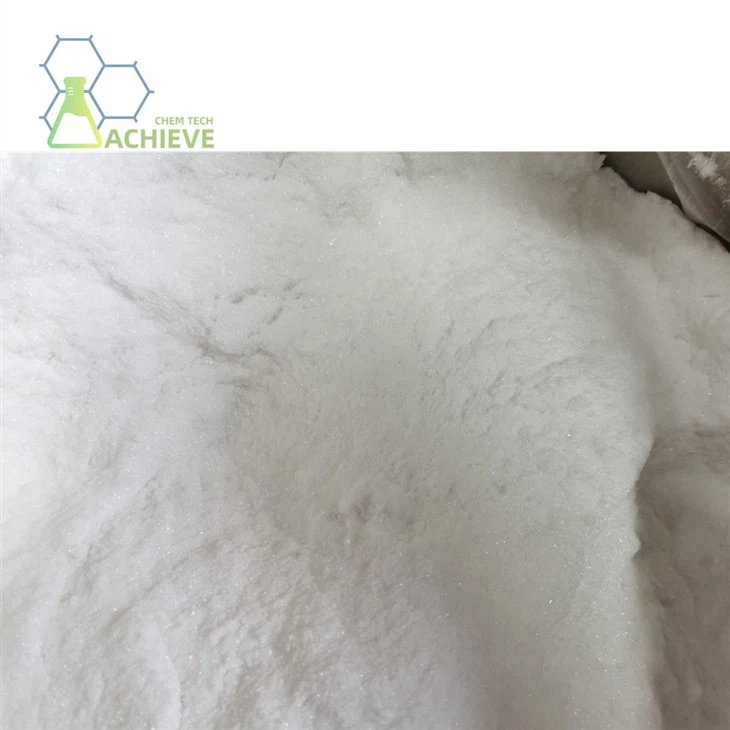
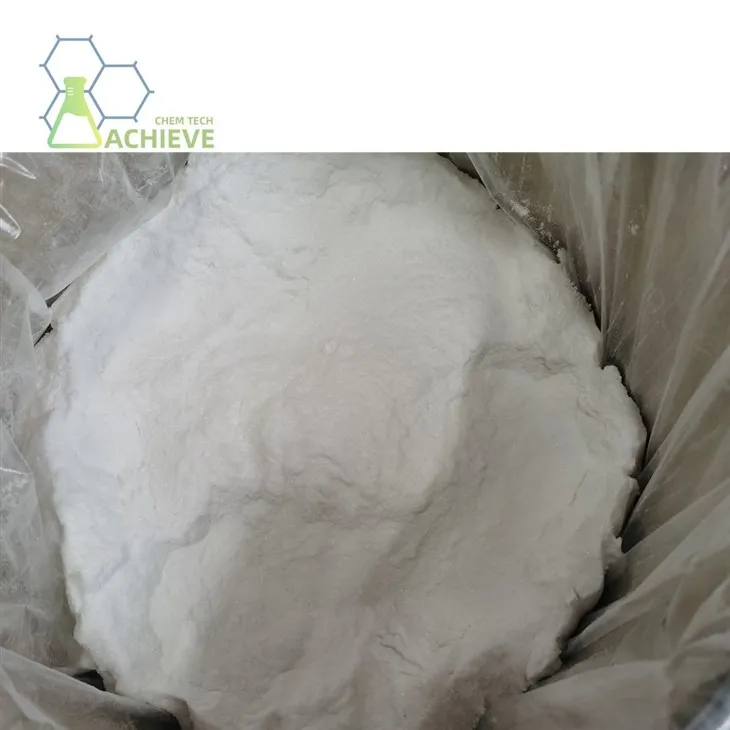
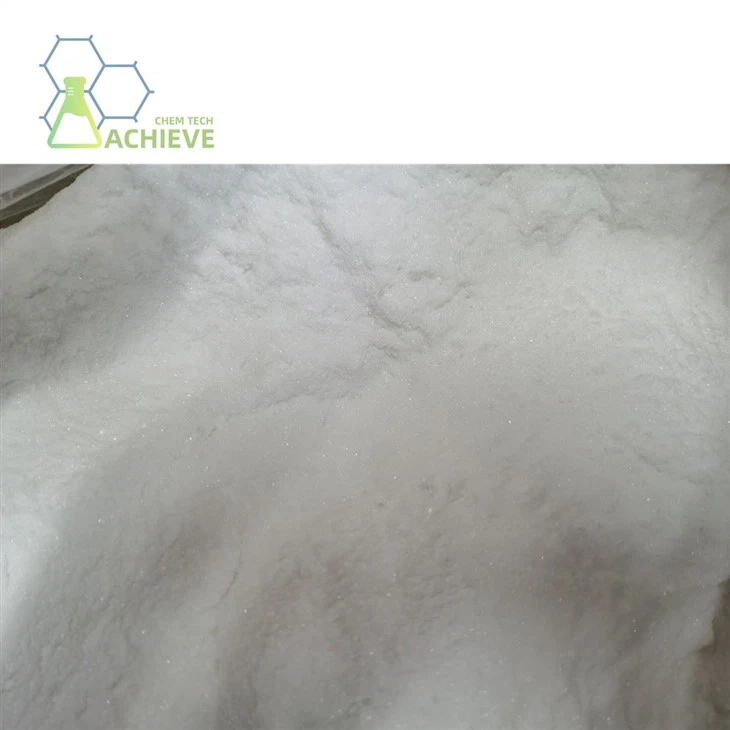
Dysprosium oxide, Also known as dysprosium trioxide, dysprosium (III) oxide, needle shaped dysprosium (III) oxide, etc. It is an inorganic compound that usually appears as a white or light yellow crystalline powder, with slight color differences depending on purity. It is insoluble in water but easily soluble in inorganic acids such as hydrochloric acid and sulfuric acid, as well as ethanol. It can absorb moisture and carbon dioxide in the air, so it should be sealed and stored dry. It can be prepared by burning dysprosium hydroxide or oxygen-containing acid salts (such as dysprosium nitrate, dysprosium carbonate, etc.). For example, dysprosium nitrate solution reacts with sodium hydroxide solution to produce dysprosium hydroxide, which can be separated and burned to obtain dysprosium trioxide.
This substance is an important additive for neodymium iron boron permanent magnets, and adding 2-3% dysprosium trioxide can significantly improve the coercivity of the permanent magnet. Due to its excellent optical properties such as high refractive index and low scattering loss, it is widely used in fields such as lasers and optical glass. Can be used to manufacture a new type of light source with high brightness and good light color - dysprosium lamp. It is also used as an additive element for metal halide lamps, magneto-optical memory materials, yttrium iron or yttrium aluminum garnet, and as a control material for nuclear reactors in the atomic energy industry.

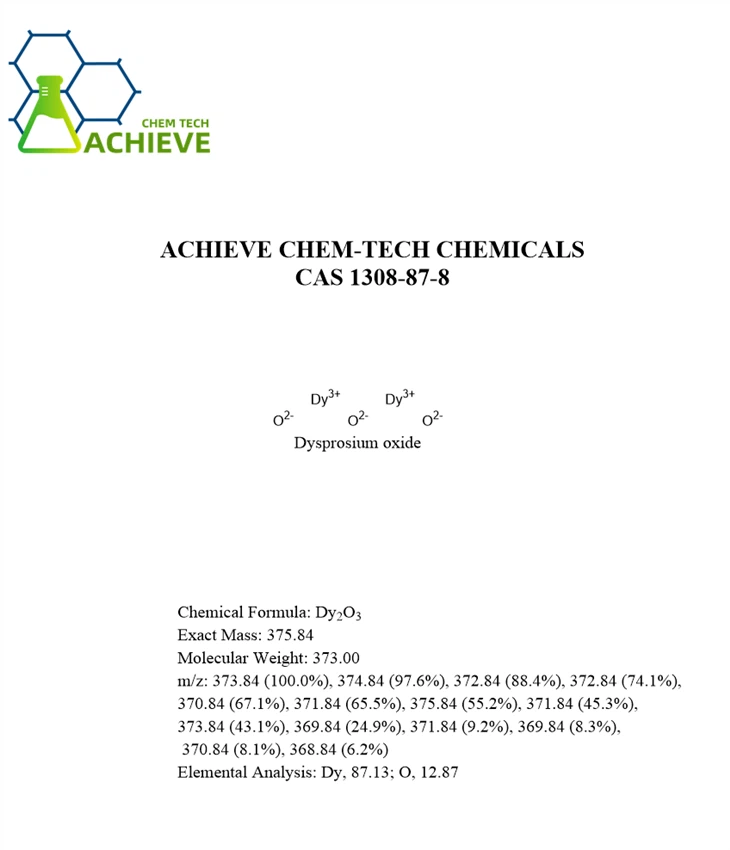
Additional information of chemical compound:
|
Chemical Formula |
Dy2O3 |
|
Exact Mass |
375.84 |
|
Molecular Weight |
373.00 |
|
m/z |
373.84(100.0%),374.84(97.6%),372.84(88.4%),372.84(74.1%), 370.84(67.1%),371.84(65.5%),375.84(55.2%),371.84(45.3%), 373.84(43.1%), 369.84 (24.9%), 371.84 (9.2%), 369.84 (8.3%), 370.84 (8.1%), 368.84 (6.2%) |
|
Elemental Analysis |
Dy, 87.13; O, 12.87 |
|
Melting point |
2330-2350℃ |
|
Density |
7.81 g/mL at 25℃(lit.) |
|
Boiling point |
3900℃ |
|
|
|

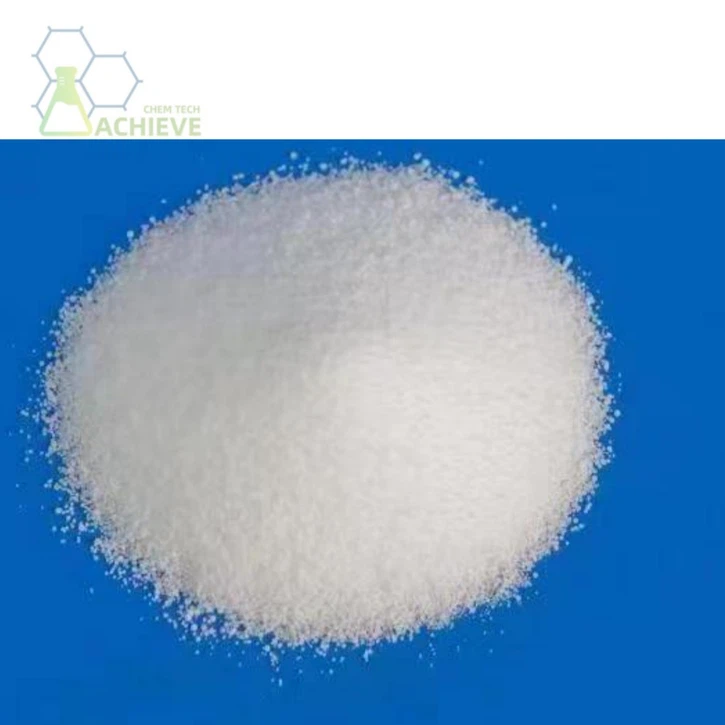

Dysprosium oxide is an important rare earth oxide. Due to the unique physical and chemical properties of dysprosium, Dysprosium (III) oxide has a wide range of applications in various fields. The following is a detailed explanation of its purpose:
The application of Dysprosium (III) oxide in the field of magnetic materials is one of its most well-known and important uses. Neodymium iron boron permanent magnet is currently one of the most widely used permanent magnet materials, with advantages such as high remanence, high coercivity, and high magnetic energy product. However, the magnetic properties of a single neodymium iron boron alloy may decrease in certain high-temperature or strong magnetic field environments.


To improve this situation, an appropriate amount of dysprosium (III) oxide is usually added to neodymium iron boron permanent magnets. The addition of Dysprosium (III) oxide can significantly improve the coercivity of neodymium iron boron permanent magnets, enabling them to maintain stable magnetic properties even in high temperature or strong magnetic field environments.
By adjusting the amount of Dysprosium (III) oxide added, the magnetic properties of neodymium iron boron permanent magnets can be further optimized to meet the needs of different application fields. Magnetostrictive materials are materials that undergo small changes in size or shape under the action of an external magnetic field. Dysprosium (III) oxide is one of the essential elements for preparing rare earth magnetostrictive materials, such as terbium dysprosium iron alloys.


The addition of Dysprosium (III) oxide can significantly improve the magnetostrictive properties of magnetostrictive materials, making them more widely applicable in fields such as sensors and actuators. Dysprosium (III) oxide can also enhance the thermal and chemical stability of magnetostrictive materials, improving their service life and reliability.
Dysprosium (III) oxide also has important applications in the field of optical materials. Dysprosium (III) oxide is an important component of laser crystals and can be used to manufacture high-performance solid-state lasers. Dysprosium (III) oxide has the characteristic of high refractive index, which can improve the optical performance of laser crystals, enabling lasers to have higher output power and better beam quality. The addition of Dysprosium (III) oxide can also reduce the scattering loss of laser crystals, improve the efficiency and stability of lasers.


Dysprosium (III) oxide can also be used to prepare optical glasses with high refractive index and low scattering loss, improving the performance of optical instruments. By adding an appropriate amount of Dysprosium (III) oxide, the optical properties such as refractive index and transmittance of optical glass can be improved, making it more suitable for the manufacturing of high-precision optical instruments and equipment. Optical glass with high refractive index and low scattering loss has broad application prospects in fields such as photography, medicine, and military.
The application of Dysprosium (III) oxide in the field of lighting sources is mainly reflected in dysprosium lamps. Dysprosium lamp is a new type of light source with high brightness and good light color, widely used in stage lighting, film projection, photography and other fields. Dysprosium oxide is one of the important raw materials for manufacturing dysprosium lamps. The addition of Dysprosium (III) oxide can improve the brightness of dysprosium lamps, making them more suitable for situations requiring high brightness lighting. By adjusting the amount of Dysprosium (III) oxide added, the color of dysprosium lamps can be improved to be closer to natural light or meet the needs of specific applications.


Dysprosium (III) oxide also has important applications in the electronics and radio industries.
Dysprosium (III) oxide can be used as a material for magnetic memory to improve storage density and read/write speed. The magnetic properties of Dysprosium (III) oxide enable it to be arranged more tightly in memory, thereby increasing storage density. The addition of Dysprosium (III) oxide can also accelerate the read and write speed of memory and improve the overall performance of electronic devices. Dysprosium (III) oxide can also be used to manufacture other electronic components such as capacitors, resistors, etc. Among these components, the magnetic and electrical properties of Dysprosium (III) oxide have been fully utilized.
Dysprosium (III) oxide also plays an important role in the atomic energy industry. Dysprosium (III) oxide is used as a control material for nuclear reactors to regulate the reaction rate of nuclear reactors. Dysprosium (III) oxide has a strong ability to absorb neutrons. By adjusting the content and distribution of dysprosium (III) oxide in nuclear reactors, the reaction rate of the reactor can be effectively controlled. The addition of Dysprosium (III) oxide can also improve the safety of nuclear reactors and prevent nuclear accidents from occurring. Dysprosium (III) oxide can also be used in the atomic energy industry to measure neutron spectra, providing important data support for the design and operation of nuclear reactors.

Dysprosium (III) oxide can be used as a catalyst to catalyze chemical reactions such as oxidation and dehydrogenation, improving reaction efficiency and product quality.
The catalytic effect of Dysprosium (III) oxide can reduce the activation energy of chemical reactions, improve reaction rate and efficiency. By adding an appropriate amount of Dysprosium (III) oxide, the purity and selectivity of the product can also be improved, and the quality of the product can be enhanced. Dysprosium (III) oxide is a promising activating ion for single emission center tricolor luminescent materials, and can be used as a fluorescent powder activator to prepare fluorescent powders with excellent luminescent properties.
Dysprosium doped luminescent materials mainly consist of two emission bands, one for yellow light emission and the other for blue light emission, which can be used to prepare tricolor phosphors. By optimizing the addition amount and preparation process of Dysprosium (III) oxide, the luminescence efficiency and stability of the fluorescent powder can be further improved. Dysprosium (III) oxide can also be used as a glass additive to improve the physical and chemical properties of glass. The addition of Dysprosium (III) oxide can improve the thermal stability of glass, enabling it to maintain stable performance even in high temperature environments.


By adding an appropriate amount of Dysprosium (III) oxide, the mechanical strength of the glass can be enhanced, and its ability to resist impact and scratches can be improved. Dysprosium (III) oxide is an important component of magneto-optical memory materials and can be used to manufacture high-density magneto-optical memory devices. Its magnetic properties enable it to be arranged more tightly in magneto-optical memory, thereby increasing storage density. Its addition can also accelerate the read and write speed of magneto-optical memory and improve the efficiency of data processing.

The discovery of oxidized cymbals is closely related to systematic research on rare earth elements.
In 1886, French chemist Paul E. Miller Lecoq de Beaubaudeland obtained the first sample of antimony (III) oxide while separating promethium. Through the emerging spectroscopic analysis methods at the time, he confirmed that this was a new rare earth oxide and named it dysprositos based on the Greek word "dysprositos" (meaning difficult to obtain).
In the late 19th and early 20th centuries, with the development of rare earth separation technology, scientists gradually deepened their understanding of oxidized diamond (III). Swiss chemist Jean Charles Galisal de Malignac improved the fractional crystallization method and successfully prepared higher purity neodymium (III) oxide.
In 1907, Austrian chemist Carl Orr von Welsbach invented a new rare earth separation technology, laying the foundation for industrial production of gadolinium (III) oxide. The research during this period also preliminarily revealed the basic properties of zirconia (III).
German chemists Wilhelm Klim and Heinz Bomer determined the crystal structure of oxidized diamond (III) through X-ray diffraction in the 1930s and found its typical structure to be carbon dioxide (C type). These early studies laid an important foundation for understanding the physicochemical properties of zirconia (III).
In the mid-20th century, there was a significant turning point in the research of zirconia (III).
In 1947, American chemist Frank Spalding invented ion exchange chromatography, which completely changed the separation efficiency of rare earth elements. This technology enables high-purity barium (III) oxide (>99.9%), greatly promoting its property research and application development.
In the 1950s, with the rise of solid-state chemistry, scientists gained a deeper understanding of the physical properties of zirconia (III). The research team at Bell Laboratories in the United States has measured the magnetic susceptibility of neodymium (III) oxide for the first time and found that it exhibits special antiferromagnetism at low temperatures. At the same time, Soviet scientists discovered that gadolinium (III) oxide undergoes a phase transition at high temperatures, providing important clues for understanding the structural stability of rare earth oxides.
In the 1960s, research on the application of gadolinium (III) oxide began to emerge. American scientists have discovered that adding plutonium (III) oxide to garnet (YIG) can significantly enhance its magneto-optical properties, opening up new hope for the application of oxidized diamond (III) in magneto-optical devices.
During the same period, French scientists reported the potential of oxidized boron (III) as a control rod material for nuclear reactors, demonstrating its significant value in the field of nuclear energy.
At the end of the 20th century, the preparation process of neodymium (III) oxide underwent significant innovation.
FAQ
What is dysprosium oxide used for?
Dysprosium oxide improves the emission spectrum of high-performance halogen lamps and is used for the production of dysprosium compounds (solutions and salts, such as dysprosium chloride, nitrate, fluoride or acetate) and the production of dysprosium metal.
Hot Tags: dysprosium oxide cas 1308-87-8, suppliers, manufacturers, factory, wholesale, buy, price, bulk, for sale, 9 9 dimethyl 7 4 4 5 5 tetramethyl 1 3 2 dioxaborolan 2 yl 9H fluorene 3 carbonitrile, 11 1 1 3 1 terphenyl 5 yl 11 12 dihydroindolo 2 3 a carbazole, 9 3 bromophenyl 9H carbazole 3 carbonitrile, Phenol red powder, CAS 2377545 66 7, CAS 2395048 90 3