




Shaanxi BLOOM Tech Co., Ltd. is one of the most experienced manufacturers and suppliers of n-boc-n'-nitro-l-arginine cas 2188-18-3 in China. Welcome to wholesale bulk high quality n-boc-n'-nitro-l-arginine cas 2188-18-3 for sale here from our factory. Good service and reasonable price are available.
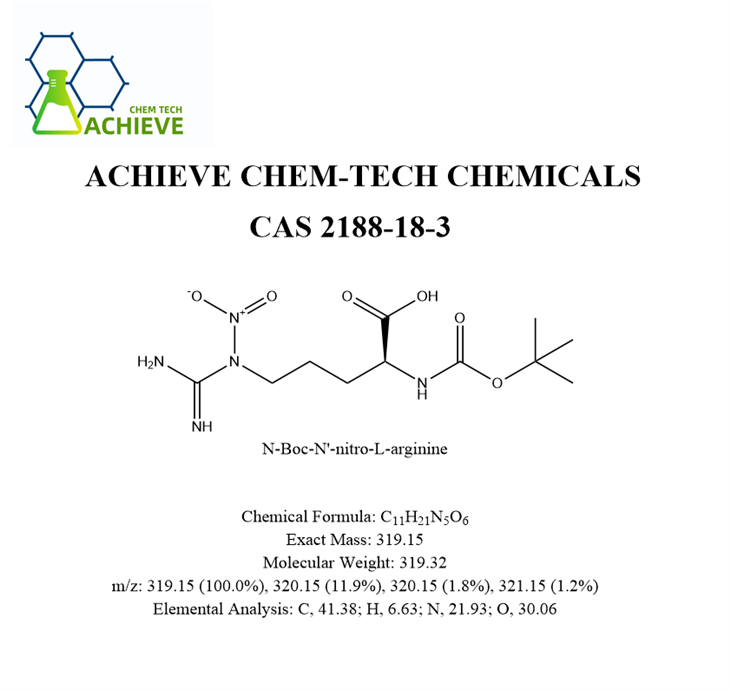
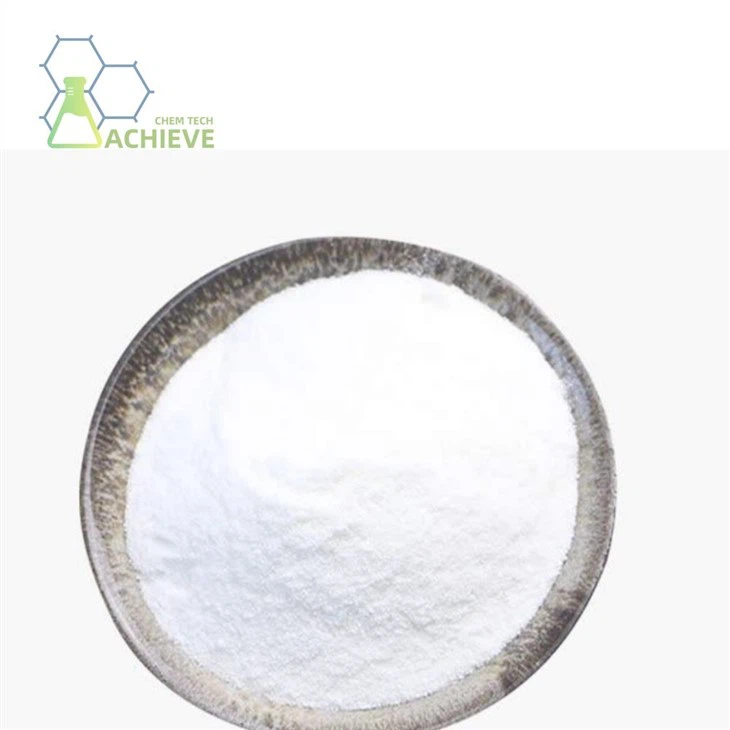
N-Boc-N'-nitro-L-arginine is a compound belonging to the category of arginine derivatives. The characteristic of this compound is its white to off white crystalline powder appearance, with a density of approximately 1.4 ± 0.1 g/cm ³. It has a melting point of 257 ° C and is soluble in DMSO (in small amounts) and methanol (slightly heated). It should be stored in a sealed and dry environment at low temperatures (2-8 ℃), preferably in an inert gas protected container. The compound is stable and not easily deteriorated, and should be avoided from contact with oxides. Structurally, it contains a Boc (tert butoxycarbonyl) protecting group at the N-terminus of arginine molecules and a nitro group (- NO2) attached to the side chain guanidine nitrogen (N '). This specific structural modification allows for specific chemical reactions and interactions.
In terms of its applications, it is utilized in various research settings due to its unique chemical properties. It has been found to influence metabolic hormone secretion, fuel supply during exercise, mental performance during stress-related tasks, and prevention of exercise-induced muscle damage. These amino acid derivatives are also commercialized as energy supplements, recognized for their benefits as ergogenic substances.

 |
 |
|
Chemical Formula |
C11H21N5O6 |
|
Exact Mass |
319.15 |
|
Molecular Weight |
319.32 |
|
m/z |
319.15 (100.0%), 320.15 (11.9%), 320.15 (1.8%), 321.15 (1.2%) |
|
Elemental Analysis |
C, 41.38; H, 6.63; N, 21.93; O, 30.06 |

- It serves as a chiral organic synthesis intermediate.
- It is primarily used as a molecular skeleton in the synthesis of chiral drug molecules and bioactive molecules.
- Due to its chiral nature, it finds applications in the development of new pharmaceuticals.
- Its Boc protecting group and nitro group provide specific reactivity sites for further modification and incorporation into drug candidates.
- In the production of specific compounds, it is used as a starting material.
- For instance, it is employed in the preparation of Agatroban intermediates, a process that involves a one-step reaction with improved yield and purity.
- Amino acids and their derivatives, including N-Boc-N'-nitro-L-arginine, are used in research to study their effects on metabolic hormones, fuel supply, mental performance, and muscle damage prevention.
- These compounds are commercialized as energy supplements, owing to their ergogenic benefits.
pharmacological effects
The pharmacological effects of N-Boc-N'-nitro-L-arginine are not directly documented in the references provided, as it is primarily a chemical compound used in research settings rather than a directly administered pharmacological agent. However, based on the general properties of arginine and its derivatives, we can extrapolate some potential pharmacological effects of it, although these should be considered speculative until further research is conducted.

Potential Cardiovascular Protection
Arginine, the parent compound of it, is known to increase nitric oxide production in the body. Nitric oxide is a vasodilator, meaning it helps expand blood vessels, improving blood flow and potentially reducing blood pressure. Therefore, as a derivative of arginine, may exhibit similar cardiovascular protective effects.
Antioxidant Activity
Arginine has been shown to improve antioxidant capacity in the blood, which can help prevent the development of chronic diseases like diabetes. While the specific antioxidant effects are unknown, it is possible that it may possess similar antioxidant properties due to its structural relationship with arginine.


Male Fertility Support
Arginine has been investigated for its potential to improve male fertility by increasing sperm count and motility. While the direct effects on male fertility are not known, its structural similarity to arginine suggests it may have similar benefits in this area.
Exercise Performance Enhancement
As an amino acid derivative, it may be used as an ergogenic aid to enhance exercise performance. However, the specific mechanisms and extent of this effect remain to be investigated.

It is important to note that these potential pharmacological effects are speculative and have not been experimentally verified for it. Further research is needed to determine the exact pharmacological actions of this compound. Additionally, it is not a drug approved for clinical use and should only be used in research settings under the supervision of qualified professionals.

synthesis Methods
The synthesis of N-Boc-N'-nitro-L-arginine typically involves protecting the amino group of N'-nitro-L-arginine with a Boc (tert-butoxycarbonyl) group. Here is a detailed overview of the synthetic route:
Starting Material: The synthesis starts from N'-nitro-L-arginine, which can be obtained through various methods, such as the nitration of L-arginine or the synthesis from L-arginine hydrochloride.
Reaction with Boc Anhydride: N'-nitro-L-arginine is then reacted with di-tert-butyl dicarbonate (Boc2O), also known as Boc anhydride, in the presence of a base to protect the amino group with a Boc group. The base, such as carbonate potassium (K2CO3), acts as a scavenger for the liberated hydrogen chloride (HCl) during the reaction.
Reaction Conditions: The reaction is typically carried out in an organic solvent such as dimethylformamide (DMF) or dichloromethane (DCM). The reaction mixture is stirred at a controlled temperature for a certain duration to ensure complete conversion.
Purification: After completion of the reaction, the product is isolated through techniques such as filtration, extraction, and crystallization. This removes any unreacted starting materials, side products, or solvents.
Characterization: The purity and identity of the final product, are confirmed through various analytical methods, including thin-layer chromatography (TLC), nuclear magnetic resonance (NMR) spectroscopy, and high-resolution mass spectrometry (HRMS).
Environmental hazards
Water environmental hazards
As a nitrifying amino acid substance, it poses a significant threat to the water environment. Do not allow undiluted or large quantities of products to come into contact with groundwater, waterways, or sewage systems
Storage conditions
In order to reduce its impact on the environment, it should be stored in a sealed and dry environment at low temperatures (usually requiring 2-8 degrees), preferably in an inert gas protected storage container.
Chemical stability
At present, the data shows that the compound has stable chemical properties, is not easily deteriorated, and avoids contact with oxides. There are no reports on its special reactivity, and it does not decompose under normal circumstances, with no dangerous reactions.
Waste disposal
In terms of waste disposal, the substance should be soluble or mixed with flammable solvents and burned in a chemical incinerator equipped with post combustion treatment and washing functions, or the remaining and unrecovered solutions should be handed over to the treatment company.
The impact on gut microbiota
1.Increased intestinal inflammation
In a hypertensive rat model induced by L-NAME (N ω - nitro-L-arginine methyl ester, a NO synthase inhibitor), an increase in intestinal inflammation was observed
2.Microcirculation and tight junction protein decrease
In the treated rat model, a decrease in microcirculation and tight junction proteins was also observed.
3.Microbial community changes
In the induced hypertensive rats, the microbial community underwent changes, which were significantly correlated with the types of triglycerides (TAG) and fatty acids (FA).
4.Potential mechanisms
Research has shown that the induction of liver damage in hypertensive rats by this substance is a combined effect of abnormal fatty acid metabolism and microcirculatory disorders in the liver. In addition, changes in gut microbiota and fatty acid beta oxidation (ACOX, CPT1 α), desaturation (SCD-1), and synthesis (FAS) may be potential mechanisms underlying abnormal fatty acid metabolism.
Dose in the experiment
|
|
|
|
|


Cytotoxicity study
In the study of the effect of this substance on DU145 human prostate cancer cell line, its IC50 for DU145 cells was 12.2 mM, which means that in the experiment, its half inhibitory concentration (i.e. the concentration that inhibits cell growth by 50%) was 12.2 mM.
Research on the Model of Pre eclampsia
In another study, it was used to induce a pre eclampsia like rat model, with doses set at low-dose L-NAME (40 mg/kg body weight/day) and high-dose L-NAME (75 mg/kg body weight/day or 125 mg/kg body weight/day) starting from day 9 of pregnancy.
Study on hypertensive rat model
In a long-term hypertensive rat model treated with it, a dose of 40 mg/kg body weight/day was used for 8 weeks.
Metabolomics research
In the serum metabolomics study of hypertensive mice induced by it, the mice were induced to develop hypertension by drinking sterile water containing 0.5 g · L ^ -1 of the substance. The blood pressure changes of the mice were monitored daily for 4 consecutive weeks.
Instructions for use: The working concentration of this substance is usually 10-100 µ M. In rare cases, a concentration of 500 µ M or even 5mM is required to observe significant effects. The optimal working concentration needs to be explored based on specific experiments, and three concentrations of 10, 30, and 100 µ M can be tried separately first.
Finally
N-Boc-N'-nitro-L-arginine, an intermediate in chiral organic synthesis, has garnered significant research interest due to its versatile applications in the synthesis of chiral drugs and biologically active molecules. Its unique molecular structure, characterized by the Boc group and nitro functionality, offers opportunities for further modifications and transformations.
Research on it primarily focuses on exploring novel synthetic methods for enhancing yield and purity. This includes optimizing reaction conditions such as solvent, temperature, and base selection to achieve maximum efficiency. Additionally, studies are being conducted to investigate the reactivity of the Boc and nitro groups, enabling the development of novel derivatives with enhanced properties.
Furthermore, the application in drug discovery and pharmaceutical research is an area of active investigation. Its potential as a molecular scaffold in the synthesis of chiral drug candidates is being explored, aiming to develop novel therapeutics with improved bioactivity and selectivity.
In summary, research encompasses synthetic method development, reactivity studies, and applications in drug discovery. These efforts aim to harness the unique properties of this chiral intermediate for the advancement of pharmaceutical sciences.
Controllable Energy Release Mechanism of N-Boc-N '- nitro-L-arginine Binding to Myosin
In the fields of biochemistry and bioenergy, research on the interactions between biomolecules and the mechanisms of energy release has always been a hot topic. Myosin, as a key protein for muscle contraction, plays a central role in the movement and energy conversion processes of organisms. And N-Boc-N '- nitro-L-arginine, as a compound with a specific chemical structure, its binding with myosin may bring about a new energy regulation mode.
The binding mechanism between N-Boc-N '- nitro-L-arginine and myosin
Combining process
The binding of N-Boc-N '- nitro-L-arginine to myosin may be a multi-step process. Firstly, due to the thermal motion of molecules in the solution, N-Boc-N '- nitro-L-arginine molecules will approach the surface of myosin. Subsequently, through non covalent interactions between molecules such as van der Waals forces, electrostatic interactions, and hydrogen bonds, N-Boc-N '- nitro-L-arginine undergoes preliminary adsorption on specific regions of the myosin surface. As the binding progresses, it may involve conformational adjustments to make the binding between the two more tight and stable, ultimately forming a stable complex.
Binding Sites
Identifying the binding site of N-Boc-N '- nitro-L-arginine on myosin is crucial for understanding the binding mechanism. Molecular docking simulations and nuclear magnetic resonance (NMR) techniques can be used to predict and verify binding sites. Possible binding sites include the ATP binding pocket near the myosin head, the actin binding site, and some surface hydrophobic regions. Binding near the ATP binding pocket may affect the hydrolysis process of ATP; Binding near the actin binding site may interfere with the interaction between myosin and actin; And binding in hydrophobic regions on the surface may affect the interaction and function of myosin with other molecules by altering its surface properties.
Analysis of binding force
The binding forces between N-Boc-N '- nitro-L-arginine and myosin mainly include van der Waals forces, electrostatic interactions, hydrogen bonding, and hydrophobic interactions. Van der Waals force is a weak intermolecular interaction that plays a role in stabilizing complexes during the binding process. The electrostatic interaction is caused by the mutual attraction or repulsion between N-Boc-N '- nitro-L-arginine and groups with different charges on the surface of myosin. The formation of hydrogen bonds has a significant impact on the specificity and stability of binding, for example, the amino or carbonyl groups in N-Boc-N '- nitro-L-arginine may form hydrogen bonds with the hydroxyl or carbonyl groups on myosin. Hydrophobic interactions mainly occur between hydrophobic groups. When the hydrophobic portion of N-Boc-N '- nitro-L-arginine comes into contact with the hydrophobic region of myosin, it promotes their binding to reduce the contact area between hydrophobic groups and water.
Frequently Asked Questions
What happens when you take L-arginine daily?
+
-
Taking L-arginine daily can improve blood flow, potentially lowering blood pressure and enhancing exercise performance, but it may cause gastrointestinal issues (bloating, diarrhea, nausea), worsen asthma/allergies, and trigger herpes outbreaks, requiring caution and medical consultation due to potential interactions with medications like blood pressure drugs and risk after heart attack.
What is the dark side of L-arginine?
+
-
Nonetheless, L-arginine also has a dark side; it potentiates neuroinflammation and nitric oxide (NO) production, leading to secondary damage. Therefore, modulating the L-arginine metabolism is challenging because both detrimental and beneficial effects are dependent on this semi-essential amino acid.
Who should avoid arginine?
+
-
People who should avoid arginine include those who recently had a heart attack, have active herpes infections, severe kidney or liver disease, low blood pressure, or are pregnant/breastfeeding; it also interacts with blood thinners, diabetes, and blood pressure medications, so consulting a doctor is crucial, especially before surgery.
Is coffee high in arginine?
+
-
Is coffee high in arginine? No, brewed coffee is not high in arginine. A 6-ounce serving of brewed coffee contains virtually no arginine. Arginine is an amino acid that the body needs to build proteins, and the recommended daily intake is about 2 to 3g for healthy adults.
Does arginine affect sleep?
+
-
On the other hand, administration of L-arginine or SIN-1 during the dark phase significantly increased slow wave sleep and reduced waking during the first 4 h of the recording period. The time spent in rapid-eye-movement sleep (REMS) was not significantly modified.
Hot Tags: n-boc-n'-nitro-l-arginine cas 2188-18-3, suppliers, manufacturers, factory, wholesale, buy, price, bulk, for sale, 1 AMINO 2 NAPHTHOL 4 SULFONIC ACID, N 3 bromophenyl N 4 tert butylphenyl biphenyl 2 amine, CAS 1447718 59 3, CAS 83834 10 0, CAS 1548470 92 3, Hinokitiol powder