




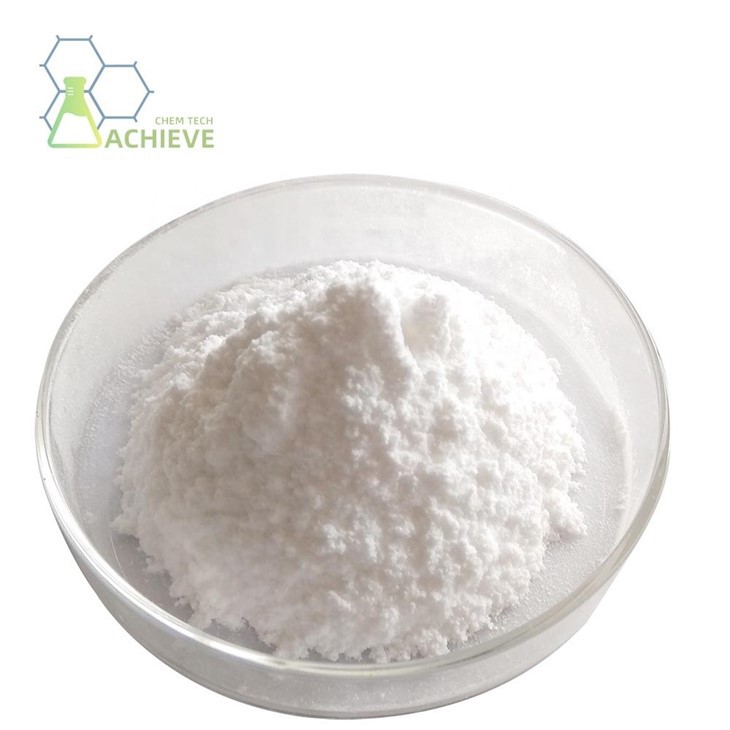
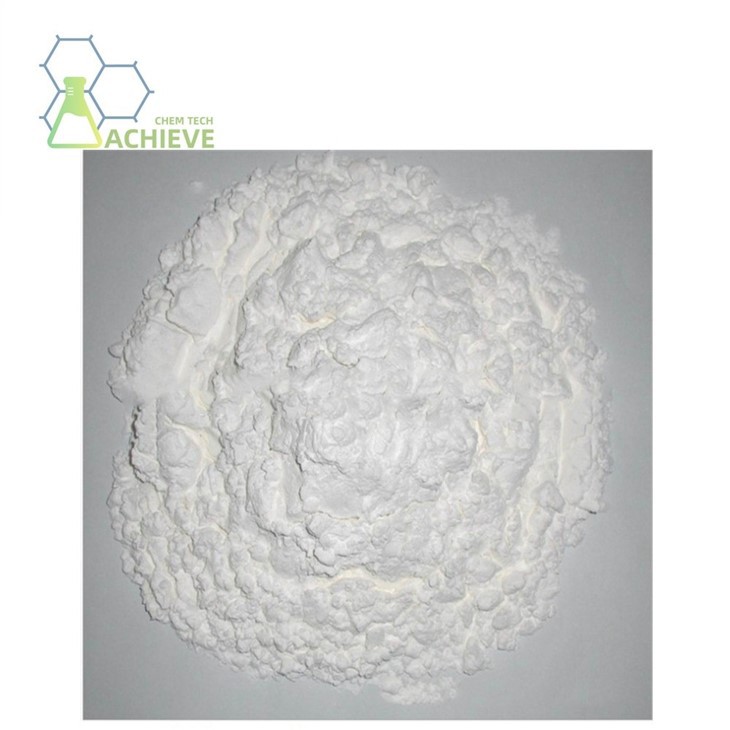
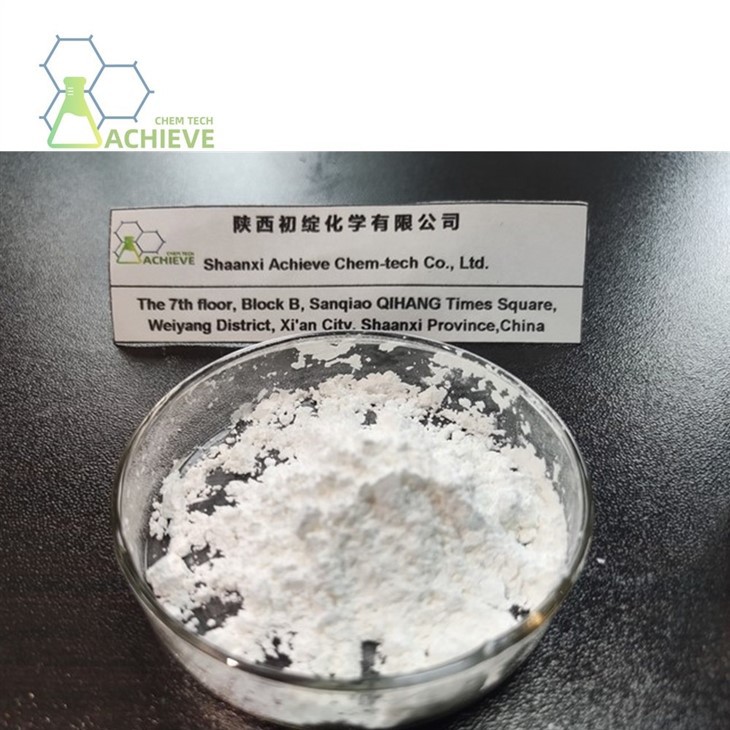
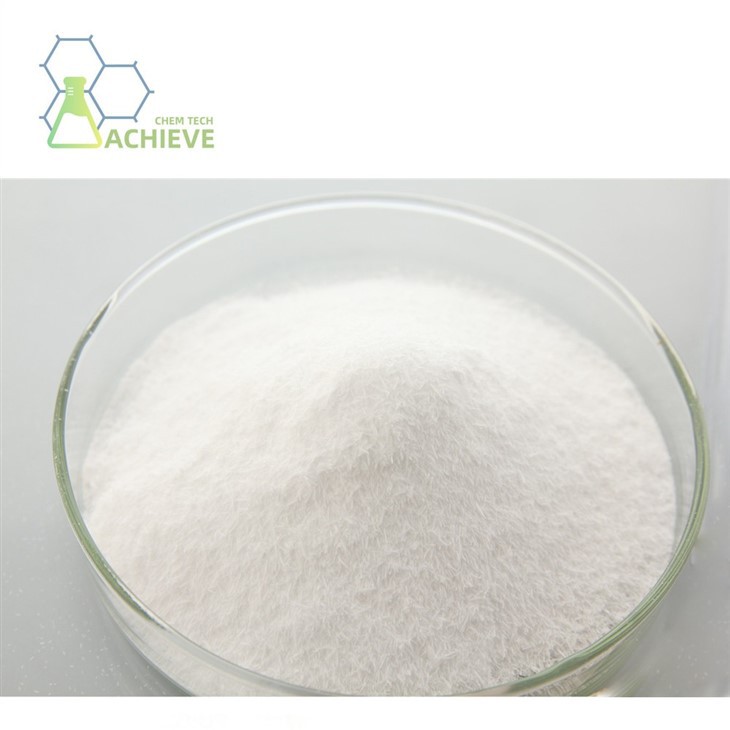
Pentadecafluorooctanoic acid, also known as pentafluorooctanoic acid, perfluorooctanoic acid, perfluorooctanoic acid, or PFOA, is an organic compound with CAS 335-67-1 and the chemical formula C8FO2 or C8HFO2. It is a white crystalline powder or a colorless, odorless, and non-volatile solid. Slightly soluble in water, which means it is not easily soluble in water, but can form tiny particles or emulsions under certain conditions. It can be dissolved in organic solvents such as ethanol, acetone, etc., indicating that it has good solubility in organic solvents.
It is commonly used in the preparation of acrylic esters, fluoropolymers, and fluoroelastomers, and is also used as an efficient surfactant, dispersant, additive, etc. It can be used to prepare materials such as acrylic esters, fluoropolymers, and fluoroelastomers, which have a wide range of applications in coatings, inks, plastics, rubber, and other fields.

|
|
|


|
Chemical Formula |
C8HF15O2 |
|
Exact Mass |
413.97 |
|
Molecular Weight |
414.07 |
|
m/z |
413.97 (100.0%), 414.98 (8.7%) |
|
Elemental Analysis |
C, 23.21; H, 0.24; F, 68.82; O, 7.73 |

Pentadecafluorooctanoic acid (PFOA) has a wide range of applications in the field of waterproofing and oil resistance, thanks to its unique chemical structure and properties. Perfluorooctanoic acid is an artificially synthesized organic compound with high stability and chemical inertness, which can maintain its properties unchanged in various environments.
Chemical properties and waterproof and oil resistant mechanisms of perfluorooctanoic acid
Perfluorooctanoic acid, with the chemical formula C8F17COOH, is a colorless and odorless solid with extremely high chemical and thermal stability. The fluorine atoms in its molecular structure replace the hydrogen atoms, forming a highly fluorinated structure that gives perfluorooctanoic acid extremely low surface tension and good wettability. At the same time, the strong electronegativity of fluorine atoms enables strong interaction forces between perfluorooctanoic acid molecules, thereby forming a tight and uniform waterproof and oil proof film on the surface of the material.
In the field of waterproofing and oil resistance, perfluorooctanoic acid mainly functions through the following mechanisms:
(1) Surface tension reduction:
Perfluorooctanoic acid can significantly reduce the surface tension of materials, making it difficult for water and oil droplets to spread and penetrate on the material surface.
(2) Wetting and spreading:
Perfluorooctanoic acid molecules can form a uniform thin film on the surface of the material, which has good wetting and spreading properties and can cover the small pores and cracks on the surface of the material, thereby preventing the invasion of moisture and oil stains.


(3) Chemical stability:
Perfluorooctanoic acid has a stable molecular structure and is not easily destroyed by chemicals such as acids, bases, and oxidants, thus maintaining its waterproof and oil resistant properties in various harsh environments.
Textiles are one of the important application areas for waterproof and oil resistant treatment. Perfluorooctanoic acid can be added to textiles in various ways to improve their waterproof and oil resistant properties.
1. The Process And Method Of Waterproof And Oil Resistant Finishing Of Textiles


(1) Immersion method: Soak textiles in a finishing solution containing perfluorooctanoic acid, and through processes such as immersion, extrusion, and drying, allow perfluorooctanoic acid molecules to penetrate into the fibers and surface of the textile, forming a waterproof and oil proof film. This method is applicable to textiles of various fiber types, such as cotton, linen, silk, wool, synthetic fibers, etc.
(2) Coating method: Apply a coating agent containing perfluorooctanoic acid evenly on the surface of textiles, and then through drying, curing and other processes, tightly bond the coating agent with the textiles to form a strong waterproof and oil proof layer. This method is suitable for textiles that require high waterproof and oil resistant performance, such as outdoor clothing, tents, raincoats, etc.


(3) Spraying method: Use spraying equipment to evenly spray the finishing solution containing perfluorooctanoic acid onto the surface of textiles, and then cure the finishing solution into a film through drying and other processes. This method is suitable for textiles that require local waterproof and oil resistant treatment, such as clothing cuffs, collars, and other easily dirty areas.
(4) Printing method: The printing paste containing perfluorooctanoic acid is printed on textiles through printing equipment, and then the printing paste is tightly combined with the textiles through drying, curing and other processes to form a printing pattern with waterproof and oil resistant properties. This method is suitable for textiles that require both decorative and waterproof properties, such as curtains, bedding, etc.
The processes for waterproof and oil resistant finishing of textiles mainly include immersion method, coating method, spraying method, and printing method. Among them, immersion method is one of the most commonly used methods.

The Effect And Performance Of Textile Waterproof And Oil Resistant Finishing

Textiles treated with pentadecafluorooctanoic acid have excellent waterproof and oil resistant properties, while maintaining good breathability and hand feel. Specifically, textiles treated with perfluorooctanoic acid have the following characteristics:
(1) Excellent waterproof performance: Textiles treated with perfluorooctanoic acid can effectively prevent moisture infiltration and maintain dryness even in rainy or humid environments.
(2) Good oil resistance: Textiles treated with perfluorooctanoic acid have excellent resistance to oil pollution, are not easily contaminated by oil, and are easy to clean.
(3) Good breathability: The membrane layer formed by perfluorooctanoic acid molecules on the surface of textiles is very thin and uniform, which will not block the pores of textiles, thus maintaining good breathability.
(4) Excellent hand feel: Textiles treated with perfluorooctanoic acid have a soft and comfortable hand feel, without causing any discomfort.

Application examples of waterproof and oil resistant finishing of textiles

(1) Outdoor clothing: Outdoor clothing needs to have good waterproof and oil resistant properties to cope with harsh outdoor environments. Outdoor clothing treated with perfluorooctanoic acid can effectively prevent the intrusion of rainwater and oil stains, keeping the wearer dry and comfortable.
(2) Furniture accessories: Furniture accessories such as sofa covers, tablecloths, etc. also need to have waterproof and oil resistant properties to maintain their cleanliness and beauty. Furniture and accessories treated with perfluorooctanoic acid can effectively prevent pollution from oil and water stains, extending their service life.
(3) Industrial textiles: Industrial textiles such as canvas, conveyor belts, etc. also need to have waterproof and oil resistant properties to adapt to various harsh working environments. Industrial textiles treated with perfluorooctanoic acid can effectively resist the erosion of oil and moisture, improving work efficiency and safety.

Application Of Perfluorooctanoic Acid In Waterproof And Oil Proof Treatment Of Leather Products

Leather products are another important application field for waterproof and oil resistant treatment. Pentadecafluorooctanoic acid can be added to leather products in various ways to improve their waterproof and oil resistant properties.
1. The process and method of waterproof and oil resistant finishing for leather products
The processes for waterproof and oil resistant finishing of leather products mainly include coating, impregnation, and spraying. Among them, the coating method is one of the most commonly used methods.
Coating method:
Apply a coating agent containing perfluorooctanoic acid evenly on the surface of leather, and then use drying, curing and other processes to tightly bond the coating agent with the leather, forming a strong waterproof and oil proof layer. This method is applicable to various leather products, such as leather shoes, leather bags, leather jackets, etc.


Immersion method:
Soak leather products in a finishing solution containing perfluorooctanoic acid, and through processes such as immersion, extrusion, and drying, allow perfluorooctanoic acid molecules to penetrate into the interior and surface of the leather, forming a waterproof and oil proof film.
This method is suitable for leather products that require high waterproof and oil resistant performance, such as outdoor leather shoes, waterproof leather bags, etc.
Spray method:
Use spray equipment to evenly spray the finishing solution containing perfluorooctanoic acid onto the leather surface, and then cure the finishing solution into a film through drying and other processes. This method is suitable for leather products that require local waterproof and oil resistant treatment, such as the upper and heel of leather shoes, which are prone to dirt.

The effect and performance of waterproof and oil resistant finishing on leather products
Leather products treated with perfluorooctanoic acid have excellent waterproof and oil resistant properties, while maintaining good softness and glossiness. Specifically, leather products treated with perfluorooctanoic acid have the following characteristics:

Excellent waterproof performance:
Leather products treated with perfluorooctanoic acid can effectively prevent moisture infiltration and maintain dryness even in rainy or humid environments.
Good oil resistance:
Leather products treated with perfluorooctanoic acid have excellent resistance to oil stains, are not easily contaminated by oil stains, and are easy to clean.
Good softness:
The film layer formed by perfluorooctanoic acid molecules on the surface of leather is very thin and uniform, which will not change the softness and feel of the leather.
Excellent glossiness:
Leather products treated with perfluorooctanoic acid have a good surface glossiness, which can maintain the original beauty and texture of the leather.


Application examples of waterproof and oil resistant finishing for leather products
(1) Leather Shoes:
Leather shoes need to have good waterproof and oil resistant properties to maintain their cleanliness and appearance. Perfluorooctanoic acid treated leather shoes can effectively prevent the invasion of rainwater and oil stains, extending their service life.
(2) Leather Bag:
Leather bags also need to have waterproof and oil resistant properties to keep their interior dry and tidy. The leather bag treated with perfluorooctanoic acid can effectively prevent pollution from oil and water stains, and protect the safety of internal items.
(3) Car Seats:
Car seats are one of the important application areas of leather products. The car seats treated with perfluorooctanoic acid can effectively prevent pollution from oil and sweat stains, improving the comfort and safety of passengers.


Electrochemical Fluorination (ECF, Industrial Mainstream)
ECF is the dominant industrial route, using octanoyl chloride and anhydrous HF as core feedstocks. Conducted in an electrolytic cell with alternating Ni anodes and Fe cathodes, the reaction operates at 20–25°C, 5–8 V, and high current (≈2500 A).
A thiol additive suppresses side reactions. The process fully fluorinates the alkyl chain, forming perfluorooctanoyl fluoride as the key intermediate, alongside perfluorinated cyclic ether byproducts.
The crude acyl fluoride is isolated, neutralized with NaOH to form sodium perfluorooctanoate, then acidified with H₂SO₄. Final purification via vacuum distillation (1.33 kPa, 91.5–93.5°C) yields PFOA with ≥95% purity. ECF features simple scaling but low linear isomer yield (≈78%) and waste generation.
2. Telomerization (High-Purity Alternative)
Telomerization produces linear PFOA via tetrafluoroethylene (TFE) telomerization. The process initiates with perfluoroalkyl iodide (telogen), which undergoes radical addition with TFE (taxogen) under heat or peroxide catalysis, forming linear perfluorooctyl iodide.
This intermediate is hydrolyzed (e.g., with fuming H₂SO₄) to replace iodide with a carboxyl group, yielding PFOA. Telomerization delivers high linearity (≥98%) and fewer byproducts but requires stringent reaction control and higher raw material costs.
FAQ
What is pentadecafluorooctanoic acid?
Pentadecafluorooctanoic acid is a perfluoroalkyl substance (PFAS). 1. Chronic administration of pentadecafluorooctanoic acid (5 and 20 mg/kg per day) leads to accumulation in the kidney, liver, lung, heart, testes, and brain in rats.
Is PFOA still used today?
Two of the most widely used and studied PFAS-perfluorooctanoic acid (PFOA) and perfluorooctane sulfonate (PFOS)-are no longer made in the United States. But these PFAS are still present in the United States through imported products, older products, and legacy contamination from firefighting foam.
Can you remove PFOA from your body?
There is no current treatment to remove PFAS from the body; this means that preventing and/or reducing future exposures is the most important step you can take to protect yourself and your family.
Hot Tags: pentadecafluorooctanoic acid cas 335-67-1, suppliers, manufacturers, factory, wholesale, buy, price, bulk, for sale, sulfosalicylic acid powder, Estradiol CAS 50 28 2, Tetramethylbenzidine CAS 54827 17 7, Cobalt II phthalocyanine, Chlorosulfonyl isocyanate, 1 10 Phenanthroline Powder CAS 66 71 7