


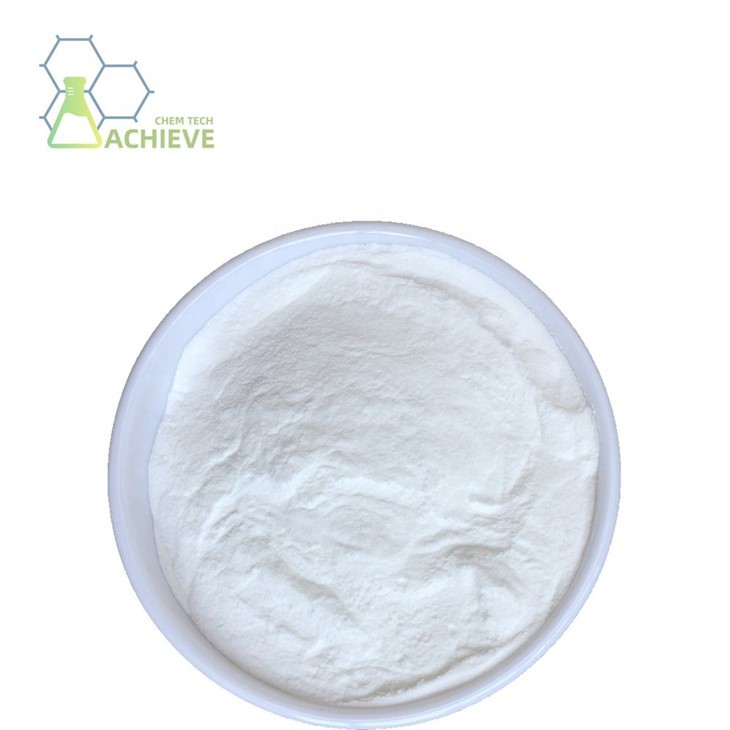


Shaanxi BLOOM Tech Co., Ltd. is one of the most experienced manufacturers and suppliers of sodium tetraphenyl boron cas 143-66-8 in China. Welcome to wholesale bulk high quality sodium tetraphenyl boron cas 143-66-8 for sale here from our factory. Good service and reasonable price are available.
Sodium tetraphenyl boron is an organic metal compound that appears as a white crystalline solid, soluble in water, and sensitive to light. Therefore, it is important to avoid light during storage and use. Stable under normal conditions, but avoid contact with strong acids and oxidants. When using, relevant safety operating procedures should be followed to avoid direct contact with skin and eyes. If accidentally touched, rinse immediately with plenty of water and seek medical assistance. During storage and transportation, it is important to ensure that the packaging is intact to prevent leakage and moisture. Can be used as a catalyst for the condensation of carbonates by ester exchange method. It is also a precipitation reagent for potassium, which can be used for the determination of potassium, sodium, and several chlorine containing organic compounds, such as analyzing potassium fertilizer and potassium in blood.

Additional information of chemical compound:
|
Chemical Formula |
C24H20B- |
|
Exact Mass |
319.17 |
|
Molecular Weight |
319.23 |
|
m/z |
319.17(100.0%),318.17(24.8%), 320.17(16.2%),320.17(9.7%),319.17(6.4%),321.17(1.7%),321.17(1.1%) |
|
Elemental Analysis |
C, 90.30; H, 6.32; B, 3.39 |
|
Melting point |
300℃ |
|
Storage conditions |
2-8℃ |
|
|
|


Sodium tetraphenyl boron has a wide range of applications in various fields, including the following aspects:
This compound is a specific precipitant for potassium ions, which can react with potassium ions to form a insoluble white precipitate - potassium tetraphenylborate. This characteristic makes it widely used in analytical chemistry for the determination of potassium ions. For example, when analyzing potassium fertilizer and potassium content in blood, sodium tetraphenylborate can be used as an important detection reagent. In addition to potassium ions, it can also react with ammonium, rubidium, cesium ions to generate corresponding precipitates, and therefore can also be used for the determination of these ions. However, in practical applications, it may be necessary to eliminate interference from other ions through appropriate preprocessing steps. It can also be used for the determination of certain nitrogen-containing organic compounds. These organic compounds typically have specific functional groups or structural features that can undergo specific chemical reactions or binding interactions with the compound, enabling quantitative analysis of it. In titration analysis, it can be used as an indicator. When the ions in the test solution react completely with the compound, a significant precipitate or color change will be generated, indicating the endpoint of titration. It can also be used to prepare ion selective electrodes with high selectivity for potassium ions. These electrodes can be used to monitor and determine the concentration of potassium ions in solutions, with advantages such as high sensitivity and good selectivity.

Organic synthesis

Under palladium catalysis, it can undergo cross coupling reaction with trifluoromethanesulfonic acid vinyl ester or aryl ester to produce aromatic alkenes or biphenyl derivatives in high yield. This reaction has wide application value in organic synthesis and can be used to prepare organic compounds with specific structures and functions. It can also be used as a catalyst for the condensation of carbonates by ester exchange method. Ester exchange reaction is an important type of organic synthesis reaction, which can achieve structural transformation and functional group modification of ester compounds, thereby preparing organic compounds with different properties and functions. Due to its high solubility in non-polar solvents and easy crystallization, this compound can be used to prepare and separate some organometallic complexes. These complexes have potential application value in fields such as catalysis and materials science. Although this application does not directly fall within the scope of organic synthesis, as an inexpensive and sensitive reagent for detecting potassium, it can be used to monitor and determine the concentration of potassium ions in the reaction system during organic synthesis, thereby helping researchers better control the reaction process and product quality.
It can be used as an additive or modifier to improve certain properties of materials. For example, it can be added to polymers to alter their structure through chemical or physical reactions, thereby endowing them with new properties such as improved heat resistance and enhanced mechanical strength. By utilizing its unique chemical properties, materials with specific functions can be prepared. For example, it can be used as a precursor or reactant to prepare materials with special properties such as conductivity, thermal conductivity, optics, or magnetism through a series of chemical reactions. It also has certain potential applications in the field of solid electrolytes. Due to its unique ion conductivity properties, it can be used to prepare solid electrolyte materials, which have potential application value in electrochemical devices such as batteries and capacitors. In certain catalytic reactions, this compound can serve as a carrier for the catalyst, enhancing its activity and stability. By loading the catalyst onto the substance, higher catalytic efficiency and longer service life can be achieved. It can also be combined with other materials to form new materials with excellent properties. For example, it can be combined with inorganic nanoparticles to form composite materials with advantages such as enhanced mechanical properties and improved thermal stability.

Other applications

In the field of medicine, this compound may serve as a synthetic raw material or intermediate for certain drugs, and participate in the preparation process of drugs. However, it should be noted that its specific application in medicine may vary depending on the type of drug and preparation process. In the field of environmental science, it may be used for the detection and analysis of certain pollutants. For example, due to its specific reaction with potassium ions, it can be used to monitor the concentration of potassium ions in water bodies, indirectly reflecting the pollution status of water bodies. In teaching and research activities, this substance is often used as an experimental reagent to demonstrate and verify the principles of chemical reactions, synthesize new organic compounds, and study the properties of compounds. In certain chemical reactions, it can serve as an important intermediate, participating in complex organic synthesis processes to prepare organic compounds with specific structures and functions.
adverse reaction
Sodium Tetraphenylborate Boron (chemical formula: C ₂₄ H ₂₀ BNa) is a white crystalline powder that is easily soluble in polar solvents such as water, ethanol, and methanol, slightly soluble in benzene and chloroform, and almost insoluble in petroleum ether. Its molecular structure is formed by covalent bonding between a benzene ring and a boron atom, forming a stable organic boron compound. Sodium tetraphenylborate is commonly used as a precipitant in chemical analysis for the determination of potassium, sodium, and nitrogen-containing organic compounds; As a catalyst or intermediate in organic synthesis; Used in the pharmaceutical field for the preparation or analysis of specific drugs. However, adverse reactions may occur during its use, and a systematic review of its toxicity mechanism, clinical manifestations, and safety precautions is needed.
Toxicity mechanism analysis
Acute toxicity mechanism
The acute toxicity of sodium tetraphenylborate is mainly manifested through oral administration. The benzene ring structure in its molecule may disrupt the integrity of the cell membrane, leading to leakage of cellular contents; Boron atoms may interfere with the activity of key enzymes in cellular metabolism and inhibit energy synthesis. Rat experiments have shown that oral intake of 288 mg/kg can cause half of the deaths, indicating that its toxic effects are rapid and severe.
Chronic toxicity mechanism
Long term exposure to sodium tetraphenylborate may cause chronic poisoning, manifested as liver and kidney function damage. The metabolites of benzene ring may accumulate in the liver, induce oxidative stress response, and lead to hepatocyte necrosis; Boron element may interfere with renal reabsorption function and cause electrolyte imbalance. In addition, its photosensitivity may increase the risk of skin cancer, but further research is needed to confirm.
Environmental toxicity mechanism
Sodium tetraphenylborate has potential hazards to aquatic organisms. Its recalcitrant nature may lead to its persistent presence in the environment, enrichment through the food chain, and threat to ecosystems. The benzene ring structure may interfere with the hormonal balance of aquatic organisms, affecting reproduction and survival ability.
Clinical adverse reaction manifestations
Skin contact adverse reactions
Stimulating response
Direct skin contact with sodium tetraphenylborate may cause erythema, edema, and pain. Its alkaline aqueous solution can damage the stratum corneum of the skin, leading to local inflammatory reactions. Symptoms usually appear within minutes to hours after contact, and severe cases may be accompanied by the formation of blisters.
Allergic reactions
Some individuals may develop allergic reactions to sodium tetraphenylborate, manifested as contact dermatitis. The mechanism involves the immune system recognizing the benzene ring structure as an antigen, triggering IgE mediated delayed type hypersensitivity reactions. Symptoms include itching, rash, and exudative lesions, which may last for several days to weeks.
Adverse reactions to eye contact
Mechanical damage
Sodium tetraphenylborate powder entering the eyes may cause corneal abrasions due to physical friction, manifested as eye pain, tearing, and photophobia. Immediately rinse with flowing water to avoid further damage.
Chemical damage
Its alkaline solution may corrode ocular surface tissue, causing conjunctivitis, keratitis, and even ulcers. Symptoms include redness, increased secretion, and blurred vision, and in severe cases, it may lead to permanent visual impairment.
Inhalation adverse reactions
Respiratory irritation
Inhaling sodium tetraphenylborate dust or vapor may irritate the respiratory mucosa, causing coughing, shortness of breath, and chest tightness. The mechanism involves the activation of TRPV1 receptors by the benzene ring structure, inducing neurogenic inflammatory responses.
Pulmonary toxicity
Long term exposure may lead to pulmonary fibrosis, manifested as progressive respiratory distress and decreased lung function. The mechanism involves dust deposition triggering macrophage activation and releasing pro fibrotic factors such as TGF - β 1.
Adverse swallowing reactions
Acute poisoning
Accidental ingestion of sodium tetraphenylborate may cause acute poisoning, manifested as nausea, vomiting, abdominal pain, and diarrhea. Its alkaline solution may corrode the gastrointestinal mucosa, leading to hemorrhagic gastritis. Severe cases may result in shock, coma, or even death.
Systemic toxicity
The absorbed sodium tetraphenylborate may interfere with central nervous system function, causing headaches, dizziness, and seizures. The mechanism involves the inhibition of GABA receptors by benzene ring metabolites, reducing neuronal inhibitory signaling.
Hot Tags: sodium tetraphenyl boron cas 143-66-8, suppliers, manufacturers, factory, wholesale, buy, price, bulk, for sale, 2 10 phenylanthracen 9 yl benzo d naphtho 2 3 b furan, Basic Chemicals, 4 benzo 4 5 imidazo 1 2 a benzo 4 5 thieno 2 3 c pyridin 6 yl phenyl trifluoromethanesulfonate, 1 Bromo 7 chlorodibenzo b d thiophene, CAS 2102042 41 9, CAS 29451 76 1