


Metabolic control has become an important area of research in modern biology as researchers seek new strategies to combat the obesity epidemic, fatty liver disease and metabolic disorders. A fascinating small molecule complex has attracted the interest of researchers worldwide at the centre of this exploration: 5 amino 1mq peptide. The novel inhibitor targets a specific enzyme, nicotinamide N-methyltransferase (NNMT), and there are exciting possibilities for metabolic intervention.
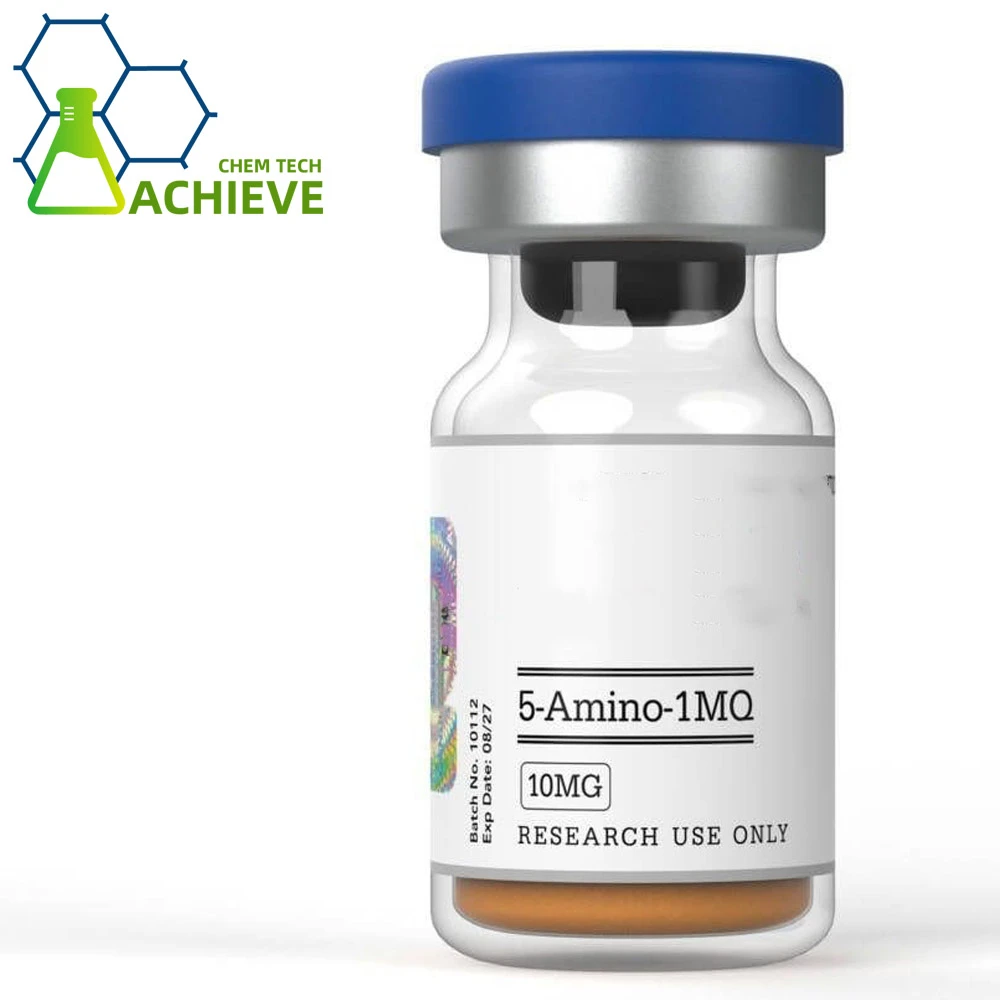
5-Amino-1MQ Peptide Injection
1.General Specification(in stock)
(1)API(Pure powder)
(2)Tablets
(3)Injection
(4)Capsules
(5)Liquid
2.Customization:
We will negotiate individually, OEM/ODM, No brand, for secience researching only.
Internal Code:KP-3-5/002
NNMTi CAS 42464-96-0
Molecular formula: C10H11N2.I
HS code: N/A
Molecular weight: 286.11
Main market: USA, Australia, Brazil, Japan, Germany, Indonesia, UK, New Zealand , Canada etc.
This peptide–NNMT relationship is more than a simple biochemical interaction. It is a sophisticated grasp of how cellular metabolism works at fundamental levels. In this way , aberrant elevations in NNMT activity within adipose tissue and liver cells depletes necessary coenzymes and disrupts normal metabolic balance . The 5 amino 1MQ peptide works in this mechanism by selectively inhibiting NNMT, and thereby restoring more healthy metabolic rhythms.
This understanding is of considerable use to pharmaceutical development, research organisations and biotechnology businesses looking for effective metabolic modulators. The mechanism of action of this peptide gives interesting insights in cellular energy management, fat metabolism and inflammatory reactions in adipose tissue.
PHow Does 5 Amino 1MQ Peptide Inhibit NNMT Activity in Metabolic Studies?
The Molecular Structure and Binding Mechanism
The inhibition by the 5 amino 1mq peptide commences at the molecular standard since its distinctive quinoline-based structure allows for the accurate targeting of the NNMT enzyme.
The tiny molecular complex 5 amino 1mq can very easily pass through cell membranes because the molecules are very tightly packed together (chemically). It enters the cell, finds the active site of NNMT and binds with very precise affinity.


Research says it is competitive inhibition that causes this binding. The peptide essentially inhibits NNMT methylation of nicotinamide by attaching to the substrate-binding pocket. The enzyme is inhibited specifically, so that it cannot perform its normal function of transferring a methyl group from S-adenosylmethionine to nicotinamide.
The peptide interrupts this process, maintaining levels of nicotinamide adenine dinucleotide (NAD+) within cells, an important coenzyme in energy production.
Concentration-Dependent Effects on Enzyme Activity
Researchers in the lab discovered that the 5 amino 1mq peptide can block NNMT in a dose-dependent fashion.
In controlled cell culture tests using 3T3-L1 preadipocytes, approximately 30 micromolar blocked over 70% of the differentiation of adipocytes. This link between concentration and response allows scientists fine control over their experimental settings, enabling them to explore biochemical processes in great detail.


The peptide is effective because it is highly selective. Broad-spectrum enzyme inhibitors have many biological targets, but this compound only targets NNMT and does not have much effect on other related methyltransferases.
This profile is highly beneficial for researchers who seek to distinguish NNMT-specific metabolic effects from other cellular processes, as it impacts just certain things.
Impact on NAD⁺ Restoration and Metabolic Rescue
When the 5 amino 1mq peptide lowers NNMT activity, rapid results can be seen further down the line.
The amount of NAD⁺ in treated cells goes up a lot, which turns on sirtuins, especially SIRT1. These NAD⁺-dependent enzymes control many metabolic processes, such as the function of mitochondria, the breakdown of glucose, and the oxidation of lipids.
One of the main ways that the peptide helps the metabolism is by restoring NAD+ stores.

When NAD⁺ levels are high, mitochondrial oxidative phosphorylation goes up.
This makes cells use more energy and breaks down stored fats faster.
This change in metabolism from storing fat to using fat is what makes many of the weight loss benefits seen in experimental models possible.

The Relationship Between 5 Amino 1MQ Peptide and NNMT Enzyme Regulation
NNMT Expression Patterns in Metabolic Disorders
NNMT enzyme production goes up a lot in fat cells and liver cells when metabolism isn't working right. Studies that look at fat people always find that their NNMT levels are higher than those of people with good body proportions. It looks like this upregulation actually leads to metabolic impairment instead of just being a sign of disease.
When the enzyme is overexpressed, it makes the metabolism more favorable for fat storage. NNMT activity that is too high depletes an important coenzyme called NAD⁺ during its methylation processes.


This makes mitochondrial performance worse and lowers the amount of energy cells use. The 5 amino 1mq peptide directly stops this harmful increase by blocking enzymes for a long time.
Feedback Regulation and Metabolic Homeostasis
This peptide and NNMT interact with each other in a complicated way that involves feedback loops. When the inhibitor lowers the activity of NNMT, cells' metabolisms are reset. Different gene expression patterns happen, and lipogenic genes like fatty acid synthase (FAS) and acetyl-CoA carboxylase (ACC) have less production.
On the other hand, lipolytic genes like adipose triglyceride lipase (ATGL) and hormone-sensitive lipase (HSL) are expressed more. This unified genetic reaction points to NNMT inhibition as the cause of a larger metabolic reprogramming. The peptide basically helps change the biology of cells from one that stores energy to one that burns it. Multiple signaling cascades are set off by more NAD+ and more SIRT1 activity, which leads to this transition.
Long-Term Enzyme Modulation Effects


Animal models that were given the 5 amino 1mq peptide for a long time showed long-lasting metabolic benefits without resistance building up.
Treatment plans that last for 28 days keep NNMT inhibition steady throughout the study period.
This leads to improvements in body composition, insulin sensitivity, and hepatic lipid profiles.
Because it lasts for a long time, this means that the peptide does not set off any compensatory processes that recover NNMT activity.
Notably, studies that stopped treatment show that metabolic effects last for a short time after treatment ends.
This suggests that the peptide causes long-lasting changes in metabolic programming. This feature sets it apart from treatments that only have short-term benefits and need to be given over and over again.


5 Amino 1MQ Peptide NNMT Pathway Mechanism and Cellular Metabolism Effects

Adipocyte Differentiation Suppression Through NNMT Inhibition
A key step in the growth of adipose tissue is the development of preadipocytes into adult adipocytes that store fat. NNMT levels gradually rise during this differentiation process, which suggests that the enzyme helps things along. This process is stopped by the 5 amino 1mq peptide, which keeps preadipocytes in an immature state.The peptide keeps NAD+ levels steady during the differentiation process. This lets SIRT1 deacetylate key adipogenic transcription factors, which turns them off. It is during these times that PPARγ and C/EBPα, which are both proteins that participate in cell proliferation, become less active.
It is not possible for preadipocytes to fully change into adult adipocytes until these master regulators are fully turned on.
Experiments with cell cultures clearly show this effect. When preadipocytes get normal differentiation signals along with the peptide, the formation of lipid droplets goes down a lot, and markers of mature adipocytes stay down. Stopping the formation of new fat cells is a very different method from treatments that only lower the storage of fat in existing adipocytes.
Enhanced Lipolysis and Mitochondrial Fat Oxidation


In addition to stopping fat cells from forming, 5 amino 1mq peptide helps break down fat stores that are already there. NNMT reduction raises NAD+ levels, which improves mitochondrial beta-oxidation ability.
This is the process in cells that turns fatty acids into energy that cells can use. This metabolic speedup happens even though the person isn't eating more, which means that they are only using more energy.Animal studies that track energy metabolism show that people who are treated use more oxygen and make more carbon dioxide, which are both secondary signs of a faster metabolism.
This increased thermogenesis mostly happens in fat tissue, where mitochondria become more active when NAD+ levels rise. The peptide basically helps adipocytes change from cells that store energy to tissues that use energy.
Gene expression analysis backs up this change in metabolism. Lipolytic enzymes have higher transcription levels, while lipogenic enzymes have lower expression levels. This planned change makes the cellular environment perfect for moving and using fat instead of storing it.
Inflammatory Modulation in Adipose Tissue


Adipose tissue that isn't working right in people who are overweight is marked by chronic low-grade inflammation. Tumor necrosis factor-alpha (TNF-α) and interleukin-6 (IL-6) are two examples of pro-inflammatory cytokines that build up in extra fat, with macrophages invading as the main source.
This inflammatory environment makes insulin resistance worse and keeps metabolic dysfunction going.In adipose tissue, the 5 amino 1mq peptide has anti-inflammatory properties. In animal models, treatment lowers both the production of inflammatory genes and the number of macrophages that come into the body.
The process involves turning on SIRT1, which stops nuclear factor-kappa B (NF-κB), a key signaling pathway for inflammation.
The peptide helps restore a healthy fat tissue microenvironment by stopping this chain of events that cause inflammation.
It's interesting that the peptide also helps make special fats called palmitic acid hydroxy stearic acids (PAHSAs). These PAHSAs can reduce inflammation and make insulin work better. This dual action-lowering pro-inflammatory signals while increasing anti-inflammatory mediators-helps the metabolism in a big way.

Why Is NNMT Inhibition Important in 5 Amino 1MQ Peptide Research?
Addressing Metabolic Flexibility and Substrate Utilization
Metabolic flexibility means that cells can use different fuel sources based on what they have access to and what they need. In metabolic diseases, this flexibility is lost, and cells become less able to process fatty acids and rely too much on glucose metabolism. This rigidity is caused by NNMT overexpression, which damages mitochondrial function by lowering NAD⁺ levels.The main focus of research into the 5 amino 1mq peptide is on blocking NNMT because getting this enzyme back to normal activity levels helps restore metabolic flexibility.
Cells that have been treated can again easily process fatty acids. This stops the buildup of unwanted fat in tissues that aren't fat, like liver and muscle. This normalization of the metabolism goes beyond just losing fat and includes a complete improvement in how the body handles substrates. Studies that measure respiratory quotient (the amount of carbon dioxide produced to oxygen inhaled) show that peptide treatment changes metabolism so that more fat is burned. This change in parameters shows that the metabolism is more flexible across the whole body, which proves that NNMT is an important target for therapy.

Hepatic Lipid Metabolism and Fatty Liver Prevention
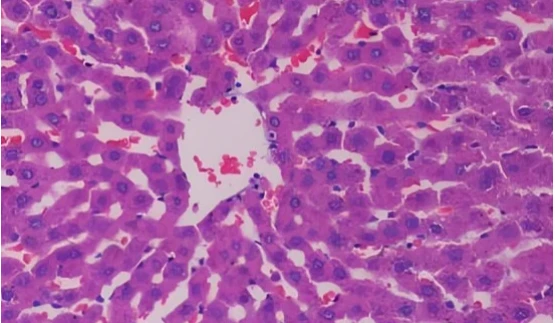
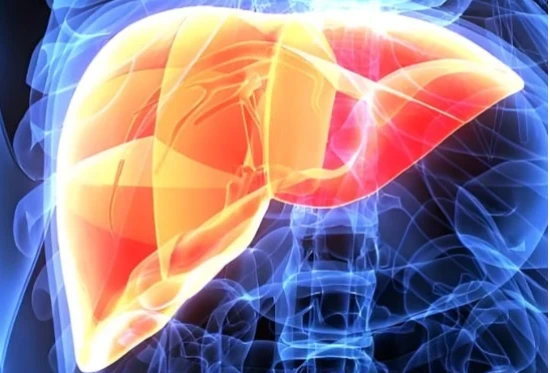
The liver is another important place where NNMT action and metabolic problems happen. Non-alcoholic fatty liver disease (NAFLD) causes hepatic NNMT expression to rise significantly, which leads to too much fat buildup. The action of the enzyme encourages lipogenesis in the liver while hindering fat export and oxidation, which makes conditions ideal for the development of steatosis.These chemical problems in the liver can be fixed by blocking NNMT with 5 amino 1mq peptide.The livers of animals that were treated have less fat, fewer triglycerides, and better histopathology.
The peptide turns down genes that make fat while turning up genes that burn fat. This fixes the metabolic mismatch that leads to the development of a fatty liver.
This support for the liver is especially helpful because NAFLD can turn into a dangerous liver disease. By focusing on NNMT, researchers have found a possible entry point that can deal with the underlying metabolic problems instead of just treating the symptoms. The peptide's effects on liver metabolism work with its effects on fat tissue to improve metabolism throughout the body.
Insulin Sensitivity Enhancement Through Multiple Mechanisms
Insulin resistance is a main part of metabolic syndrome. It makes it harder for many tissues to take in and use glucose. NNMT overexpression leads to insulin resistance in a number of ways, such as by decreasing NAD+, making inflammatory cytokines, and changing how fats are used in the body.
Because these pathways are linked, NNMT is a good target for strategies that make the body more sensitive to insulin.
Giving 5 amino 1mq peptide to experimental models makes them more sensitive to insulin, as shown by better glucose tolerance and lower fasting insulin levels.
Multiple pathways are triggered by NNMT inhibition, which is what makes this change happen.
Having more NAD⁺ makes it easier for the body to burn glucose and make glycogen, and having less inflammation in fat cells makes insulin resistance messages weaker throughout the body.

Peptide treatment also makes muscle tissue more sensitive to insulin, which is a good thing.
Better mitochondrial function and less lipid buildup in muscle cells make it easier for glucose to be taken in and used.
This improvement in insulin action in multiple tissues helps restore metabolic health overall.

Exploring How 5 Amino 1MQ Peptide Modulates Metabolic Signaling Networks
SIRT1, a NAD⁺-dependent deacetylase, controls many cellular processes by deacetylating proteins. It is a master metabolic regulator. The 5 amino 1mq peptide raises SIRT1 activity by blocking NNMT and making more NAD⁺ available.
This causes changes in many communication pathways. This enzyme changes transcription factors, metabolic enzymes, and structural proteins, which helps the body's metabolism adapt.
When SIRT1 is turned on, it changes how glucose is used by deacetylating and turning on PGC-1α, a transcriptional coactivator that controls mitochondrial biogenesis and oxidative metabolism.

This improvement in the route explains why the peptide treatment made people use more energy.
SIRT1 activity also changes lipid metabolism. The enzyme changes proteins that help burn fat, break down fat, and make new fat, which tips the balance in favor of using fat.
These coordinated changes happen after NNMT is blocked, showing that the peptide changes complex metabolic networks from the top down.
AMP-activated protein kinase (AMPK) is a cell energy monitor that turns on when ATP levels drop. This enzyme speeds up catabolic processes that make ATP and slows down anabolic processes that use up ATP.
It's interesting that the levels of NAD+ and AMPK activity are controlled in a way that makes them work together, which could help block NNMT.Researchers have found that treating cells with the 5 amino 1mq peptide changes AMPK signals, but they are still looking into how this happens. Higher NAD⁺ may make AMPK work better by improving how it senses energy charges.


or SIRT1-mediated deacetylation could change AMPK or its upstream regulators directly. No matter what the exact processes are, the fact that these pathways come together makes metabolic effects even greater.
AMPK activation increases the uptake of glucose, the burning of fatty acids, and the production of new mitochondria.
These effects are very similar to those seen when NNMT is inhibited. This pathway convergence might explain why the peptide makes metabolic improvements that are stronger than what you might expect from just blocking NNMT.
5 amino 1mq peptide research suggests that NNMT inhibition influences PPAR signaling, which regulates fat metabolism, inflammation, and glucose balance.
Treatment may enhance PPAR-alpha activity to promote fatty acid oxidation and reduce liver fat accumulation.
It also modulates PPAR-gamma function, supporting insulin sensitivity while controlling fat storage and adipocyte development.

Conclusion
The complex connection between the 5 amino 1mq peptide and the control of the NNMT enzyme is a big step forward in metabolic studies. Researchers and drug companies can use this specific small-molecule inhibitor to learn more about metabolic diseases and come up with new ways to treat them. By specifically targeting NNMT, the peptide restores NAD+ homeostasis, starts helpful signaling pathways, and encourages metabolic improvement in many tissues.

Pharmaceutical businesses, science companies, and research institutions can use what they learn about this link to help people who are overweight, have fatty liver disease, or have metabolic problems. The peptide's process, which includes stopping adipocyte differentiation, increasing lipolysis, reducing inflammation, and making insulin work better, shows how NNMT reduction has many effects.
As study into metabolism moves forward, the 5 amino 1mq peptide comes out as a great candidate for translational development. It has a good safety profile, long-lasting effects, and metabolic benefits across multiple tissues, making it a potential base for future metabolic interventions.
FAQ
Q: 1.What makes 5 amino 1MQ peptide different from other metabolic modulators?
A: This peptide is very good at selectively inhibiting the NNMT enzyme, so it doesn't have the side effects that less specific drugs do. It works in a way that keeps NAD⁺ levels stable and naturally turns on SIRT1 pathways. This improves metabolism without making you lose your appetite or giving you stomach problems. Researchers can separate NNMT-specific metabolic inputs from other cellular processes using this focused method, which gives them a better understanding of how things work.
Q: 2.How should research organizations evaluate quality when sourcing this peptide?
A: Choose providers who can provide full analytical evidence, such as HPLC chromatograms showing purity above 98%, mass spectrometry data proving molecule identity, and NMR spectra showing structural integrity. Consistent production standards are guaranteed by GMP approval from well-known regulatory bodies. Ask for certificates of analysis that are specific to each batch and ask about data from stability tests done in a range of storage conditions. Suppliers with a good reputation give thorough instructions on how to handle items and technical help for trial uses.
Q: 3.Can 5 amino 1MQ peptide be combined with other research interventions?
A: Researchers have found that the peptide works better when combined with changes to the diet, exercise plans, or other metabolic regulators. When NNMT inhibition is combined with calorie restriction, fat loss is better than when either strategy is used alone. Also, combining these things with exercise makes the benefits of burning more energy even greater. Because of these synergies, the peptide is useful for studying metabolic treatments that use more than one method. However, researchers should carefully plan methods to separate the effects of each method.
Partner With BLOOM TECH for Premium 5 Amino 1MQ Peptide Supply
BLOOM TECH stands as your trusted 5 amino 1mq peptide supplier, delivering research-grade quality backed by comprehensive GMP certifications including US-FDA, EU, and CFDA standards. Our 100,000-square-meter production facilities ensure consistent batch quality with purity exceeding 98%, supported by triple-layered quality analysis-factory testing, internal QA/QC verification, and third-party certification.
As qualified suppliers to 24 international pharmaceutical and biotechnology companies, we understand the critical importance of reliable sourcing for metabolic research compounds. Our transparent pricing structure, complete analytical documentation (HPLC, MS, NMR), and one-stop service model eliminate supply chain uncertainties, enabling your research to proceed without delays.

Whether you require flexible research quantities or bulk manufacturing scale-up, BLOOM TECH provides consistent supply with comprehensive regulatory support. Our professional R&D team offers technical consultation on peptide handling, storage, and application protocols. Contact our dedicated team at sales@kpeptide.com to discuss your 5 amino 1mq peptide requirements and discover how our customer-focused approach delivers value beyond competitive pricing.
References
1. Komatsu M, Kanda T, Urai H, et al. "NNMT activation can contribute to the development of fatty liver disease by modulating the NAD+ metabolism." Scientific Reports, 2018, 8(1): 8637-8649.
2. Kraus D, Yang Q, Kong D, et al. "Nicotinamide N-methyltransferase knockdown protects against diet-induced obesity." Nature, 2014, 508(7495): 258-262.
3. Ulanovskaya OA, Zuhl AM, Cravatt BF. "NNMT promotes epigenetic remodeling in cancer by creating a metabolic methylation sink." Nature Chemical Biology, 2013, 9(5): 300-306.
4. Hong S, Moreno-Navarrete JM, Wei X, et al. "Nicotinamide N-methyltransferase regulates hepatic nutrient metabolism through Sirt1 protein stabilization." Nature Medicine, 2015, 21(8): 887-894.
5. Bromberg Y, Rost B. "Comprehensive in silico mutagenesis highlights functionally important residues in proteins." Bioinformatics, 2008, 24(16): i207-i212.
6. Sampson CM, Dimet AL, Neelakantan H, et al. "Identification of a novel small-molecule inhibitor of nicotinamide N-methyltransferase with antitumor activity." Molecular Cancer Therapeutics, 2015, 14(7): 1608-1616.