


In order to improve metabolism, scientists have been looking for new substances that can change energy routes inside cells. Among these new chemicals, SLU-PP-332 Powder has gotten a lot of attention because it might be able to change how fat is burned. This study compound works through specific molecular processes that may make it easier for the body to use fat stores as fuel. Drug creation, technological research, and metabolic studies can all benefit from learning more about how this powder affects metabolic processes. Fat oxidation is an important biological process in which fatty acids are broken down to make energy for cells. When this system works well, the body can better control its fat stores and keep its metabolism in balance. New research into REV-ERB agonists has given us new ways to think about how man-made chemicals might affect these pathways. Because the compound in question has some special qualities, it is becoming more and more popular among study groups and drug companies that want to make the next crop of metabolic modulators. This piece talks about the science behind how SLU-PP-332 Powder helps the body burn fat. It looks at how it works, how it controls lipid metabolism, and how it can be used in metabolic studies. This detailed summary tells you everything you need to know about this compound's functional properties, whether you work for a pharmaceutical company creating new medicines, a biotechnology company studying metabolism, or a research group looking into energy routes.

1.General Specification(in stock)
(1)API(Pure powder)
(2)Tablets
(3)Capsules
(4)Injection
(5)Pill press machine
https://www.achievechem.com/pill-press
2.Customization:
We will negotiate individually, OEM/ODM, No brand, for secience researching only.
Internal Code: BM-1-033
4-hydroxy-N'-(2-naphthylmethylene)benzohydrazide CAS 303760-60-3
We provide SLU-PP-332 powder, please refer to the following website for detailed specifications and product information.
Product:https://www.bloomtechz.com/synthetic-chemical/peptide/slu-pp-332-powder.html

What Is the Mechanism of Fat Oxidation in SLU-PP-332 Powder
Understanding REV-ERB Nuclear Receptor Activation
The main way this molecule affects metabolism is by interacting with REV-ERB nuclear receptors, more specifically REV-ERBα and REV-ERBβ. It is these nuclear receptors' job to control genes that are involved in glucose regulation, lipid metabolism, and energy consumption as part of the circadian clock. As soon as SLU-PP-332 Powder binds to these receptors, it stabilizes their structure and makes them more effective at blocking target genes.

This selective agonism sets off a chain of molecular events that change the expression of metabolic genes. The chemical structure of the substance makes it perfectly fit into the ligand-binding domain of REV-ERB proteins. This changes the shape of the receptor, which makes it better at recruiting corepressor complexes. Researchers have shown that this binding affinity is higher than that of earlier generations of REV-ERB modulators. This could mean that the metabolic effects are more uniform across different types of tissue.
Mitochondrial Beta-Oxidation Enhancement
Omega-3 fatty acids are mostly broken down in mitochondria through a process called beta-oxidation. This substance changes a few steps in this process that slow it down, starting with the transport of fatty acids into mitochondria. The carnitine palmitoyltransferase system, which helps with this transport, works better in models that have been exposed to REV-ERB agonists like this study drug.


In mitochondria, fatty acids go through a series of processes that cut long-chain molecules into two-carbon units. This makes acetyl-CoA, which is used by the citric acid cycle. Studies show that treating cells with SLU-PP-332 Powder increases the activity of enzymes that help with this process. These enzymes include acyl-CoA dehydrogenases and 3-ketoacyl-CoA thiolases. The substance seems to affect transcriptional programs that control mitochondrial oxidative ability based on this synchronized increase.
Circadian Rhythm Synchronization With Metabolic Processes
An important part of fat burning that is often ignored is how metabolic processes work with circadian rhythms. REV-ERB proteins are important parts of the molecular clock. They set up feedback loops that cause gene expression to change every 24 hours. This chemical changes not only the size of metabolic processes but also when they happen by changing REV-ERB activity.


The rate at which fat is burned naturally changes throughout the day, usually reaching its highest point when people are fasting or eating fewer calories. The substance may make this natural change stronger by changing parts of the circadian clock, leading to bigger metabolic changes between fed and hungry states. Researchers have used models to show that REV-ERB agonism can fix circadian rhythms that aren't working right, which could fix metabolic timing problems where this coordination has been lost.

SLU-PP-332 Powder and Regulation of Lipid Metabolism
Adipose Tissue Lipolysis Modulation
Hormone-sensitive lipase and adipose triglyceride lipase are two important enzymes that break down triglycerides in fat cells. Researchers studying the REV-ERB signaling pathways have found links between these nuclear receptors and the activity or expression of lipolytic enzymes. The substance doesn't directly turn on these enzymes, but it seems to change how sensitive hormones are and how intracellular signaling pathways work, which control how fast fat is broken down.


Adding to the confusion is the link between diurnal rhythms and lipolysis. It is clear that adipose tissue stores and releases fats in a way that is linked with the eating and fasting processes. The substance may improve the time of lipid mobilization by changing the way REV-ERB-mediated clocks work in adipocytes. This makes sure that fatty acids are available when oxidative tissues are ready to use them. This coordination keeps metabolic mismatches between the amount of lipids available and their ability to be used from happening.
Hepatic Lipid Processing and VLDL Production
The liver is an important part of lipid metabolism because it breaks down fats from food, makes new lipids, and packages triglycerides into VLDL particles so they can be sent to other parts of the body. Hepatocytes have a lot of REV-ERB receptors, and these receptors control genes that do a lot of different jobs with lipids. Using REV-ERB agonists has been shown to change the amount of fat in the liver and its ability to handle it. In particular, SLU-PP-332 Powder changes the activity of genes that are involved in de novo lipogenesis.
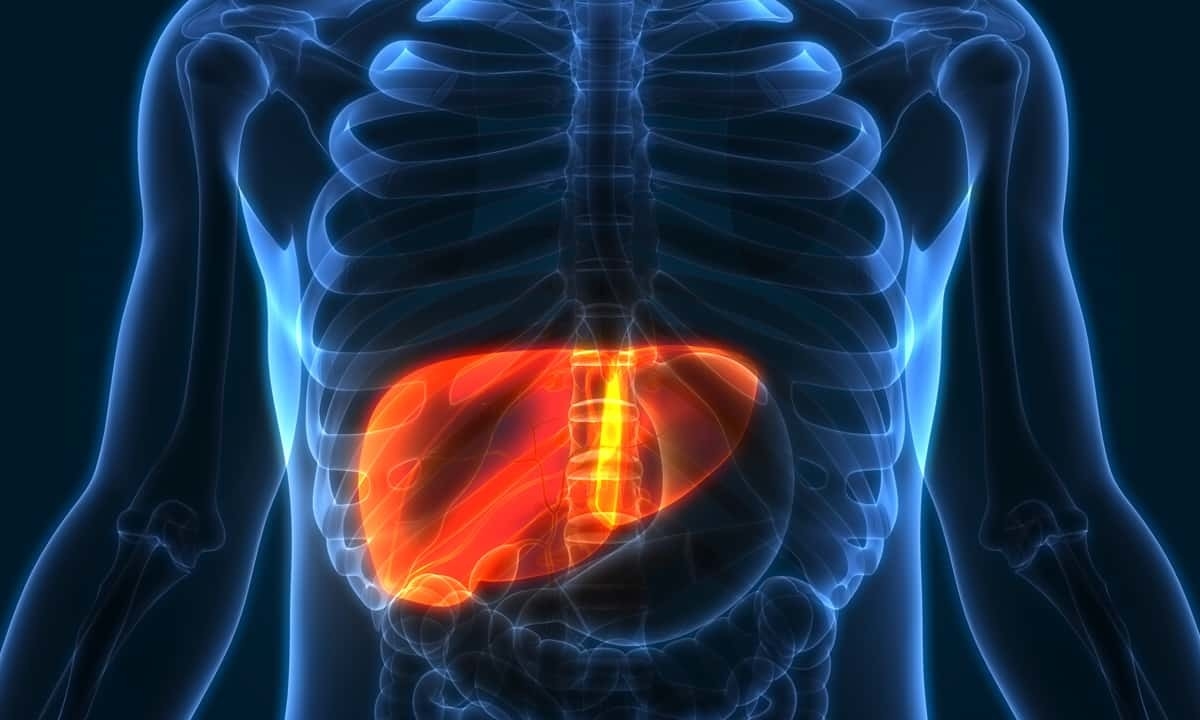

This is the process by which the liver makes new fatty acids from non-lipid building blocks like glucose. The substance may lower the buildup of fat in the liver by stopping the activity of lipogenic enzymes like fatty acid synthase and acetyl-CoA carboxylase. This result is especially important for studying metabolic diseases that cause the liver to store too much fat.
The substance also changes the production of apolipoprotein and the building of VLDL, which affect how well the liver gets rid of triglycerides. Hepatic lipids don't build up in the liver because balanced VLDL production makes sure they get to tissues that can oxidize them. Research models show that changing REV-ERB levels changes the levels of triglycerides in the blood, which suggests that liver lipid export is changed. This effect on the spread of lipids across the body helps keep the metabolism in balance in a way that goes beyond just improving oxidation pathways.

Skeletal Muscle Fatty Acid Uptake and Utilization

A lot of fatty acids are burned in skeletal muscle, especially when you work out or don't eat for a while and your glucose stores run low. Several things affect muscle tissue's ability to take in and burn fatty acids. These include the amounts of oxidative enzymes, transporter expression, and mitochondrial density.There is evidence that REV-ERB signaling affects many parts of how muscles use fat.
Fatty acid transport proteins, especially CD36 and fatty acid transport protein 1, make it easier for fats to move across the membranes of muscle cells. The production of these transporters changes with the hours of the day and responds to biochemical signals. Studies that looked at how REV-ERB works in muscle tissue found regulatory links between these nuclear receptors and the production of fatty acid transporters.This suggests that the substance may make muscles better at taking in fat.


In addition to uptake, the substance changes how lipids are handled inside the muscle, such as the balance between storing triglycerides in lipid droplets and sending them to reactive pathways. To keep this balance and keep enough fuel available, muscle cells must carefully watch out for lipotoxicity. By changing genes that control the formation of lipid droplets, the stimulation of fatty acids, and the import of mitochondria, SLU-PP-332 Powder may improve the metabolism of lipids in muscle cells, increasing their ability to use oxygen and avoiding the buildup of harmful lipids.

How SLU-PP-332 Powder Activates Oxidative Gene Expression
Gene transcription is the basic process that cells use to change the mix of proteins they make to meet their biological needs. The chemical affects oxidative gene expression in a number of linked ways, all of which work together to improve the body's ability to burn fat.
There is a main job that REV-ERB receptors do, which is to stop target genes from being expressed. By getting rid of inhibitory factors that usually stop metabolic processes, this repressive activity raises oxidative gene expression in a strange way.
Some of the genes that REV-ERB directly targets are those that make other transcriptional factors that also slow down oxygen metabolism. The net result of this double-negative control is positive for genes that code for oxidative enzymes.
The chemical makes this regulation circuit stronger by keeping REV-ERB proteins stable and improving their ability to block signals. In addition, REV-ERB turns off genes that make and store lipids. This changes the metabolic balance so that SLU-PP-332 Powder ensures fat is used instead of stored.
SLU-PP-332 Powder in Fasting-State Fat Utilization Research
During fasting, the body has to keep its energy balance without any extra food, which means it has to efficiently use stored fats for energy. Researchers can learn a lot from these metabolic situations about substances that help the body use fat more efficiently.
Because it affects many pathways that are important during fasting, SLU-PP-332 Powder has become an important tool for studying this metabolic state.
When you fast, changes in hormones cause adipose tissue to break down, which releases free fatty acids into the bloodstream. At the same time, cells stop using glucose as fuel and start using fatty acids and ketone bodies instead. It looks like REV-ERB agonism, combined with SLU-PP-332 Powder, makes this metabolic change easier, which might make it easier for cells to shift to lipid-based fuel.
Treatment with the compound changes the amounts of fatty acids in the blood and the rate at which they are burned during fasting times, according to research models.
There is evidence that REV-ERB signaling affects the production of ketogenic enzymes, but the exact connection is still being studied.
The substance changes the metabolism during fasting in more ways than just increasing oxidation. It affects all the changes that help keep energy balance when calories are limited.

Improving Fat Oxidation Efficiency with SLU-PP-332 Powder
Oxidative efficiency is a measure of how well tissues turn fatty acids into energy that cells can use while reducing metabolic waste and keeping cells healthy. This performance is affected by many things, such as the function of the mitochondria, the control of reactive oxygen species, and the way that lipid supply and oxidative ability work together. According to research, SLU-PP-332 Powder changes a number of factors that determine how well oxidation works.

Oxidative efficiency is heavily influenced by mitochondrial interaction, which is the link between oxygen use and ATP generation. While uncoupled mitochondria give off heat instead of ATP, tightly coupled mitochondria make the most ATP per molecule of fatty acid they burn. Studies that looked at how REV-ERB works found that it changes the production of uncoupling proteins, and SLU-PP-332 Powder may also influence this process. This suggests that the chemical may change the state of mitochondrial coupling. This result is complicated because controlled uncoupling can protect against oxidative stress, but too much uncoupling loses energy.
The chemical also changes antioxidant defense systems, which keep cells safe from reactive damage when fat is being burned. As a result of fatty acid oxidation, reactive oxygen species are created. To protect cells from damage, you need strong antioxidants. A number of the genes that REV-ERB targets encode antioxidant enzymes. This suggests that the chemical may work with stronger protective systems to improve oxidative activity. This balance turns out to be important for improving fat burning over time without hurting cells.


Conclusion
The ways that SLU-PP-332 Powder helps burn fat are complex and involve molecular signals, gene regulation, and metabolic coordination working together. This chemical changes many parts of lipid metabolism by changing REV-ERB nuclear receptors. It does this by affecting everything from lipolysis in adipose tissue to beta-oxidation in mitochondria. Its effects go beyond just speeding up metabolism. They include lining up circadian rhythms, controlling metabolism in specific tissues, and making sure that different metabolic paths work together. Researchers are still finding new ways to use this substance as they look for links between circadian biology, metabolic disease, and the development of new medicines. The powder is used for both study purposes (to learn more about basic metabolic processes) and as a building block for developing new therapeutic methods. It can be used in science studies, pharmaceutical research, and university studies that look at how metabolism works.
FAQ
1. What makes SLU-PP-332 Powder different from other metabolic research compounds?
This chemical selectively binds and inhibits REV-ERB nuclear receptors, setting it apart from metabolic modulators that work on different pathways. Its special feature is that it combines circadian regulation with metabolic control, which means that it changes not only metabolic rate but also how lipids are used over time. The molecule has better binding affinity and selectivity profiles than earlier REV-ERB modulators. This gives researchers a better way to look into the links between circadian rhythms and metabolism. It also affects many organs and metabolic processes at the same time, changing the metabolism throughout the body through a single chemical target.
2. How should research organizations handle and store this compound?
Standard laboratory procedures for synthetic organic chemicals must be followed for proper treatment. The powder should be kept in cases that can't be opened and under conditions that keep it from getting wet, oxidizing, or being damaged by light. Compounds last longer when they are stored at a fixed temperature, usually in the fridge or freezer, based on data on their stability. Before using something in an experiment, researchers should use analyzing techniques like HPLC and mass spectrometry to make sure it meets the quality requirements. It is possible to get the same results from different tests by writing down the storage conditions, handling methods, and stability ratings. For compound-specific storing suggestions, organizations should look at the supplier's specs.
3. What documentation does BLOOM TECH provide with this research compound?
Each batch comes with a lot of analytical information, like records of analysis with purity data from a number of different methods. Spectroscopic data, chromatographic patterns, and quality control test results can be used to prove the name and quality of a substance. Material safety data sheets have advice on how to handle things safely. For groups that need regulatory paperwork, extra certificates and compliance statements can be given to back up study applications. This paperwork is up to the standards that pharmaceutical businesses, biotechnology companies, and university research institutions that do in-depth metabolic studies expect.
Partner with BLOOM TECH as Your Trusted SLU-PP-332 Powder Supplier
To move your metabolic study forward, you need to be able to rely on getting high-purity compounds that are backed by full quality guarantee. BLOOM TECH is your one-stop shop for SLU-PP-332 Powder. They sell research-grade materials that meet the strict requirements of pharmaceutical development, biomedical research, and academic study. Our GMP-certified production facilities and three levels of quality control make sure that every run is consistently more than 98% pure. This is backed up by full analytical paperwork that includes HPLC, mass spectrometry, and NMR data. Our skills in organic synthesis and making medicinal intermediates mean that the standard of our products is higher and the supply chain is more reliable. Our flexible production methods and clear prices help your project at every stage, whether you need milligram amounts for basic studies or large amounts for long-term research programs. Our expert support team can help you with legal issues, compound-specific advice, and coordinating the supply chain to make your research operations run more smoothly. We know how very important quality and uniformity are in metabolic studies. That's why we offer full quality warranties on all of our goods and keep strict documentation standards that meet the needs of pharmaceutical, biotechnology, and research institutions. Get in touch with our team right away at Sales@bloomtechz.com to talk about your unique needs, ask for certificates of analysis, or get quotes for your next study project. BLOOM TECH wants to be your trusted partner in making metabolic science better.
References
1. Solt LA, Wang Y, Banerjee S, et al. Regulation of circadian behaviour and metabolism by synthetic REV-ERB agonists. Nature. 2012;485(7396):62-68.
2. Kojetin DJ, Burris TP. REV-ERB and ROR nuclear receptors as drug targets. Nature Reviews Drug Discovery. 2014;13(3):197-216.
3. Woldt E, Sebti Y, Solt LA, et al. Rev-erb-α modulates skeletal muscle oxidative capacity by regulating mitochondrial biogenesis and autophagy. Nature Medicine. 2013;19(8):1039-1046.
4. Dierickx P, Emmett MJ, Jiang C, et al. SR9009 has REV-ERB-independent effects on cell proliferation and metabolism. Proceedings of the National Academy of Sciences. 2019;116(25):12147-12152.
5. Grimaldi B, Bellet MM, Katada S, et al. PER2 controls lipid metabolism by direct regulation of PPARγ. Cell Metabolism. 2010;12(5):509-520.
6. Vieira E, Nilsson EC, Nerstedt A, et al. Relationship between AMPK and the transcriptional balance of clock-related genes in skeletal muscle. American Journal of Physiology-Endocrinology and Metabolism. 2008;295(5):E1032-E1037.