


How can one little pill protect dogs and cats against heartworm larvae and intestinal worms? Pet owners and veterinary professionals regularly ask. The solution is a sophisticated chemical narrative, from microbes in the soil to the brain circuitry of parasites. This artical walks you through the science behind milbemycin oxime tablets, and how this macro cyclic lactone chemical kills parasites, yet is harmless for companion animals. Knowledge of the process may be useful to veterinarians, buyers, distributors or researchers that get raw material in making sensible judgements on formulation, dosing and procurement.
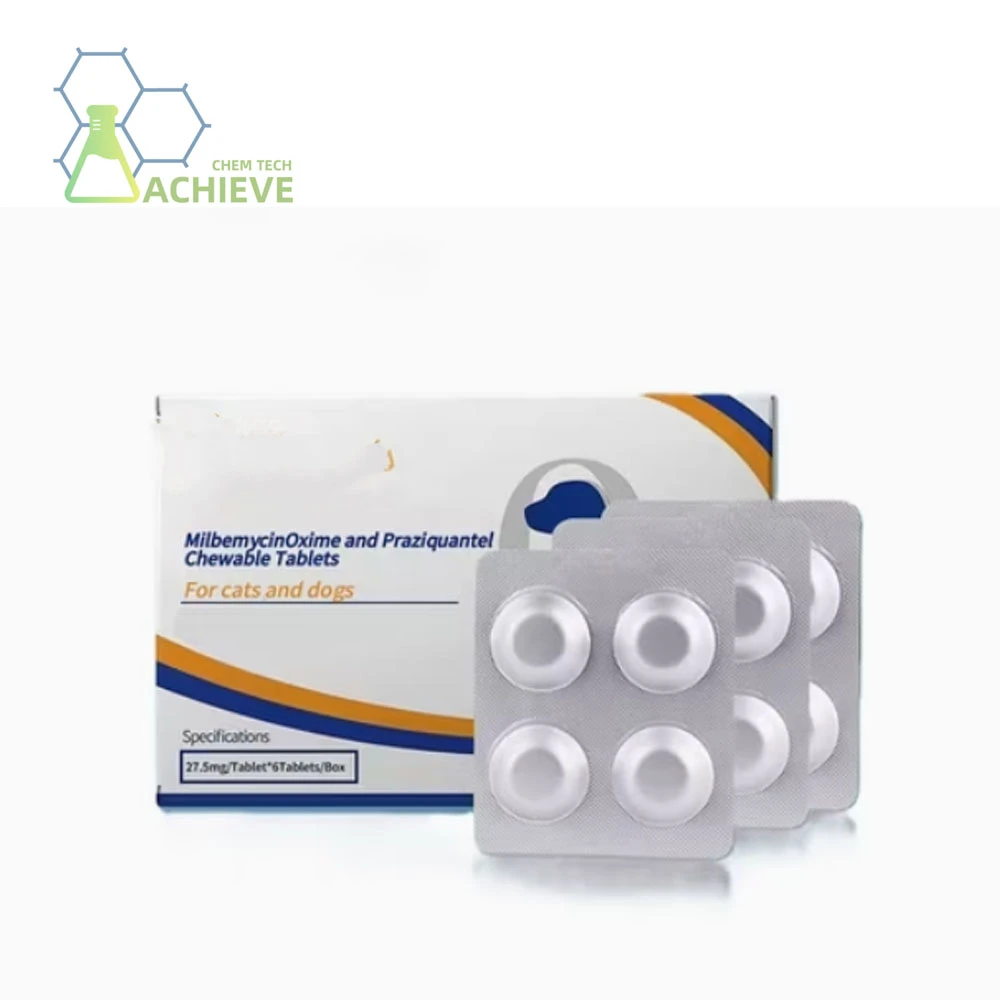
Milbemycin Oxime Tablets
1.General Specification(in stock)
(1)API(Pure powder)
(2)Tablets
For dogs:2.3mg/5.75mg/11.5mg/23.0mg
For cats: 5.75mg/11.5mg/23.0mg
(3)Pill press machine
https://www.achievechem.com/pill-press
2.Customization:
We will negotiate individually, OEM/ODM, No brand, for secience researching only.
Internal Code: BM-2-067
Milbemycin oxime CAS 129496-10-2
Main market: USA, Australia, Brazil, Japan, Germany, Indonesia, UK, New Zealand , Canada etc.
Manufacturer: BLOOM TECH Xi'an Factory
Analysis: HPLC, LC-MS, HNMR
Technology support: R&D Dept.-4
What Is the Mode of Action of Milbemycin Oxime Tablets?
Milbemycin oxime belongs to the category of macrocyclic lactone compounds and is initially derived from the fermentation of Streptomyces bacteria. After absorption from the gastrointestinal tract into the systemic circulation the active material is distributed to the tissues where parasites live .
The chemical does not operate in the typical method of poisoning the parasites. It accomplishes so by preventing the transmission of nerve impulses inside the parasite, creating a chain of physiological malfunctions that results in the parasite's death.
A Brief Look at the Chemical Origin
The source material of this chemical is obtained by extraction from the fermentation broth of Milbemycin A3 and A4. Chemists alter these natural products by means of oxymethylation and oximation reactions to provide a derivative with higher antiparasitic effectiveness and a better absorption in the host animal.
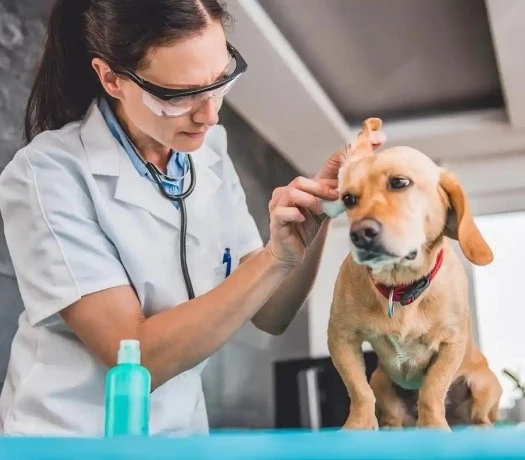
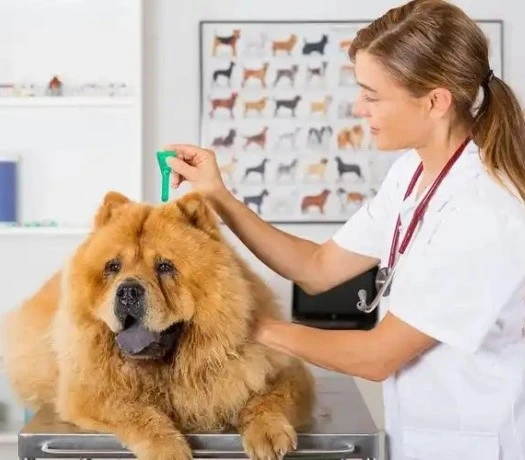
This synthetic alteration results in a pharmacokinetic profile of milbemycin oxime tablets suitable for monthly oral dosing,which could not be achieved by the original natural molecule alone.
Targeting the Parasite Nervous System
A nervous system based on special receptor proteins is the basis of several external parasites and nematode parasites. Milbemycin oxime binds to glutamate-gated chloride channels which are found almost exclusively in invertebrate nerve and muscle cells. Dogs and cats don't have these particular channels in great numbers, hence the drug is quite safe when given in the right amount to these animals. This targeting is the foundation of the entire therapeutic process.
Milbemycin Oxime Tablets and Parasite Chloride Ion Channels
Chloride ion channels are important in the control of electrical activity in the membranes of nerve and muscle cells. In parasites these channels are responsible for controlling the passage of chloride ions into cells and maintaining nerve cells in a resting, not firing condition.
The active component in milbemycin oxime tablets binds to glutamate-gated chloride channels in motor neurones and pharyngeal muscle cells when the pill is metabolised and the drug reaches the parasite tissue.
Binding to Glutamate-Gated Channels
The binding event causes the channel to become much more permeable to chloride ions . This results in a much larger than normal influx of chloride ions . This shift makes the neurone more hyperpolarised, and the cell is less likely to generate the electrical impulses necessary for regulated movement. This preference for the glutamate-gated channel has been demonstrated in other species of nematodes as detailed in the veterinary pharmacology literature.
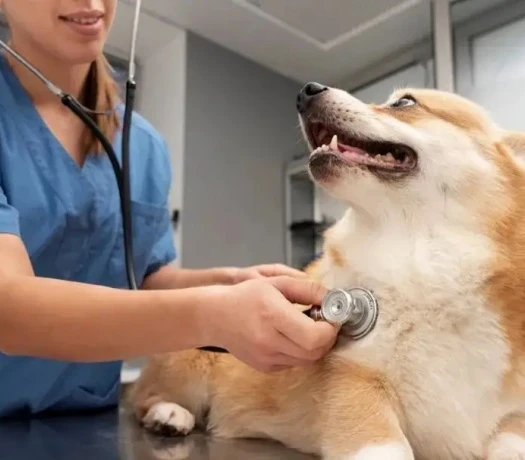
This also supports the broad range label commonly assigned to milbemycin-based medicines.
The Role of GABA Receptors
Milbemycin oxime also interacts with another kind of receptor in the brain tissue of parasites, the gamma-aminobutyric acid receptors, or GABA receptors, in addition to glutamate-gated channels. GABA receptors are involved in the normal control of inhibitory impulses, and by enhancing their activity, milbemycin oxime puts the parasite's nervous system into a state of inhibition. This dual receptor activity combined with the glutamate-gated channel impact generates a strong multilayer disruption of brain transmission that most parasites can not overcome.
How Does Milbemycin Oxime Tablets Cause Parasite Paralysis?
Long-term opening of chloride channels disrupts the coordinated contraction and relaxation cycle of the parasite's muscle cells. "Without proper muscle function, the parasite cannot feed, move through host tissue or hold its position in the intestinal wall or bloodstream." This lack of motion is commonly called flaccid paralysis, as opposed to the stiff paralysis induced by some of the earlier anti-parasitic drugs.
Disruption of Neuromuscular Signaling
This constant flow of chloride ions inhibits the motor neurones that cause muscles to contract. Nematodes stop pumping their pharynx, a process necessary for feeding, after hours of exposure.

The parasite can't acquire energy without being able to absorb nutrition, thus it dies faster.
Immobilization and Elimination from the Host
Paralyzed parasites cannot attach to the intestinal walls or follow normal migratory patterns in the host tissue. The immobilized organisms are cleared out of the body by the natural peristalsis and immunological clearance systems. When the larvae are affected by heartworm, they are paralyzed and cannot molt to the subsequent stages of development, which stops the infection from reaching the adult stage in the heart and pulmonary arteries.
Milbemycin Oxime Tablets and Their Macrocyclic Lactone Activity
The macrocyclic lactone structure is not only a chemical class but also directly controls the interaction of the molecule with lipid membranes and receptor binding sites. The big ring shape means the molecule is very soluble in fatty tissues and this means it has good distribution qualities after it has been absorbed by the host animal.
Structural Features That Drive Potency
Macrocyclic lactone ring of Milbemycin oxime has 16 members and forms a strong yet flexible frame fitting well to the binding pocket of the glutamate-gated chloride channels. Minor alterations in synthesis (e.g. addition of oxime and methoxime groups) modify this fit.

That is why pharma firms spend a lot of money controlling the temperature and pH of the reaction when they create medications. Changes in synthesis may lead to diminished binding efficiency and lowered overall potency of the product.
Comparing Macrocyclic Lactones Across Products
Milbemycin oxime has the same macrocyclic lactone core structure as related chemicals ivermectin and moxidectin, yet slight structural variations give each molecule a distinct range of activity and a different safety margin. Milbemycin oxime tablets are often used for preparations targeting internal nematodes and some external parasites due to their excellent balance of efficacy and tolerance in sensitive dog breeds.
Why Does the Mechanism of Milbemycin Oxime Tablets Matter in Parasite Control?
The way each anti-parasitic drug works is crucial as it will tell us about the dosing regime,
ways to reduce resistance and the range of formulations accessible to the manufacturer and veterinary surgeon client. A medication that acts on particular chloride channels, rather than being poisonous to all cells in a widespread manner, would have a better safety profile and more reliable therapeutic advantages.
Supporting Resistance Management Strategies
If you do not rotate and use the same mode of action over and over again you may get the parasite population to grow less vulnerable to the antiparasitic medications over time. A more comprehensive understanding of the interactions of milbemycin oxime with glutamate-gated and GABA receptors may enable investigators to look for markers of resistance,

and develop combination therapies such as milbemycin oxime and praziquantel to broaden the deworming spectrum and reduce the chances of resistant parasite strains emerging.
Informing Dosage and Formulation Decisions
The mechanism data may then be used by the manufacturers to compute the appropriate pill strengths to utilise for particular animal weights and species. Milbemycin oxime is metabolised somewhat differently in dogs and cats, which is why there are dosing regimens, including a canine and a feline variation. This mechanical knowledge also has implications for the choice of excipient. The stability of the molecule must be maintained by certain binders and coatings,
but without interfering with its absorption or receptor binding activity within the host.
Conclusion
The milbemycin oxime tablets work on a particular, well defined biological pathway. Glutamate-gated chloride channels and GABA receptors are found almost exclusively in the parasite nervous systems. This selective binding leads to paralysis, stoppage of feeding and eventual eradication of parasites from the host animal, all with a large margin of safety for dogs and cats. For the firms producing veterinary anti-parasitic medications, the knowledge of this process helps improve quality control, create smart dose and prepare for more robust resistance management throughout the supply chain.
Frequently Asked Questions
1. Does milbemycin oxime affect mammalian nervous systems the same way it affects parasites?
+
-
In fact mammals have a very limited number of glutamate gated chloride channels compared to invertebrates and in healthy animals the chemical is kept out of the central nervous system by the blood brain barrier. This difference contributes to a high margin of safety of the medicine in dogs and cats.
2. How quickly does milbemycin oxime begin affecting parasites after administration?
+
-
Oral absorption generally occurs within hours after dosage and noticeable effects on parasite movement and feeding behavior may be seen in a short time thereafter, however total elimination of parasites is dependent on the life stage and the localization inside the host.
3. Can milbemycin oxime tablets be combined with other antiparasitic ingredients?
+
-
Yes, formulators frequently combine milbemycin oxime with compounds like praziquantel to extend coverage against tapeworms alongside heartworm larvae and intestinal nematodes, creating a broader-spectrum product for veterinary use.
Partner with Bloomtechz for Reliable Milbemycin Oxime Supply
Bloomtechz brings twelve years of organic synthesis experience and GMP-certified manufacturing across US, EU, JP, and CFDA standards, making us a trusted milbemycin oxime tablets supplier for pharmaceutical buyers, R&D teams, and veterinary formulators worldwide. Our triple-layer quality verification and transparent ERP-based pricing mean every order arrives backed by accurate documentation and dependable lead times. Reach out to our team at Sales@bloomtechz.com to discuss API specifications, tablet customization, or bulk manufacturing needs tailored to your project.
References
1. Plumb, Donald C. Plumb's Veterinary Drug Handbook, 9th Edition. Wiley-Blackwell.
2. Merck Veterinary Manual, Pharmacology Section, Macrocyclic Lactone Endectocides Monograph.
3. United States Pharmacopeia, Milbemycin Oxime Monograph, USP-NF Reference Standards.
4. American Heartworm Society, Current Canine Guidelines for the Prevention, Diagnosis, and Management of Heartworm Infection.
5. Journal of Veterinary Pharmacology and Therapeutics, studies on macrocyclic lactone binding affinity in nematode glutamate-gated chloride channels.
6. European Medicines Agency, Committee for Medicinal Products for Veterinary Use, Assessment Report on Milbemycin Oxime Containing Products.