


When parasites invade your dog's body, they establish complex neural networks that allow them to feed, reproduce, and survive. Understanding how modern veterinary medicine disrupts these networks reveals the sophisticated science behind effective parasite control. This article explores the precise neurological mechanisms through which Afoxolaner and Milbemycin Oxime Chewable Tablets eliminate both internal and external parasites, providing comprehensive protection for canine companions worldwide.
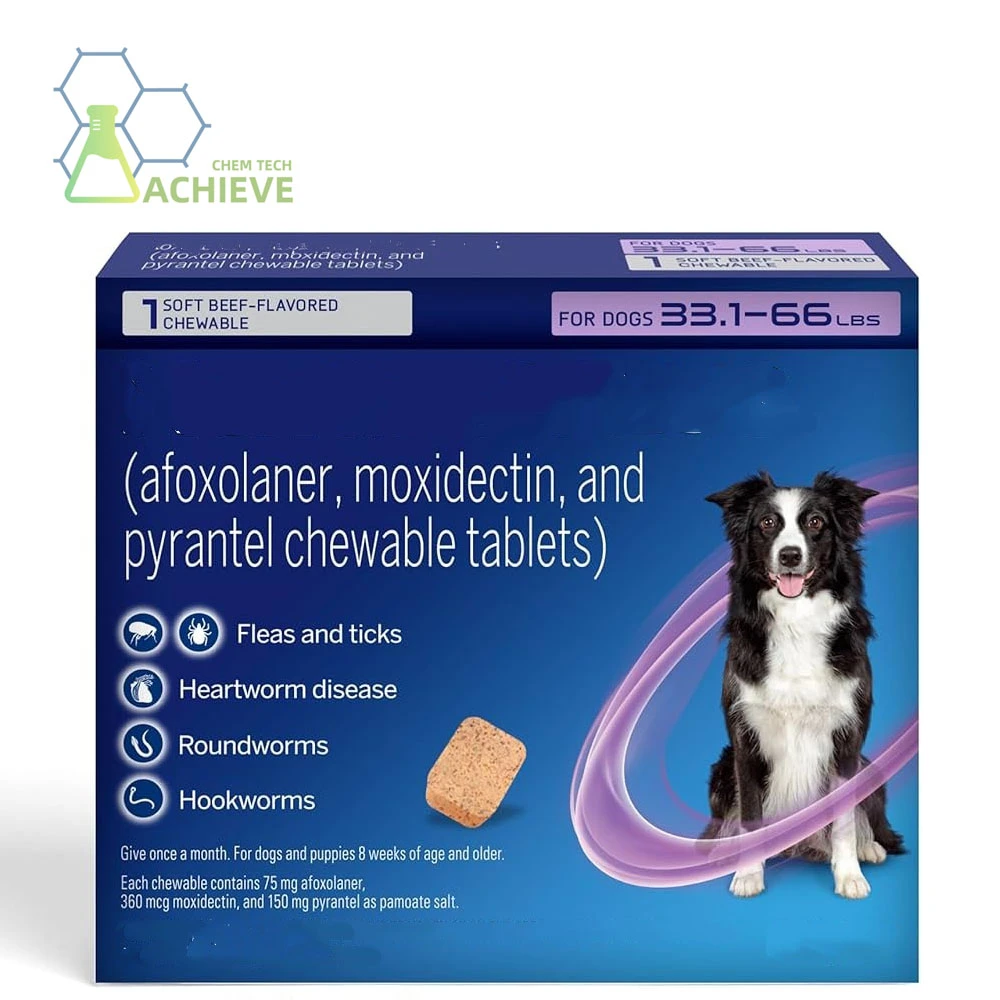
Afoxolaner And Milbemycin Oxime Chewable Tablets
1.General Specification(in stock)
(1)API(Pure powder)
(2)Tablet
9.375+1.875mg:2-3.5kg
18.75+3.75mg:>3.5-7.5kg
37.5+7.5mg:>7.5-15kg
75+15mg:>15-30kg
150+30mg:>30-60kg
(3)Ointment
2.Customization:
We will negotiate individually, OEM/ODM, No brand, for secience researching only.
Internal Code: BM-2-117
Main market: USA, Australia, Brazil, Japan, Germany, Indonesia, UK, New Zealand , Canada etc.
Manufacturer: BLOOM TECH Xi'an Factory
How Do Afoxolaner and Milbemycin Oxime Chewable Tablets Target Parasite Nervous Systems?
Parasites' nerve systems are very different from mammals', which means that selective action can be used in smart ways. Afoxolaner and Milbemycin Oxime Chewable Tablets take advantage of these differences by hitting nerves in two ways that kill parasites while keeping dogs safe.
Selective Neural Intervention in Arthropods
External parasites like fleas, ticks, and mites have special brain structures that depend on glutamate-gated chloride channels and gamma-aminobutyric acid (GABA) receptors. Nerve signals that control movement, feeding, and reproduction are controlled by these sensors. Afoxolaner links very specifically to GABA-gated chloride channels when it gets into the nervous system of an invertebrate. This binding stops chloride ions from moving normally across nerve cell membranes, which causes nerves to fire without control. The parasite's nerves keep firing without being able to restart, which causes it to become overexcited, paralyzed, and eventually die within hours of being exposed.
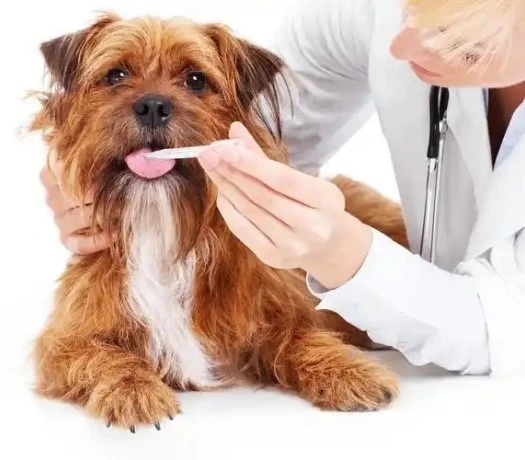
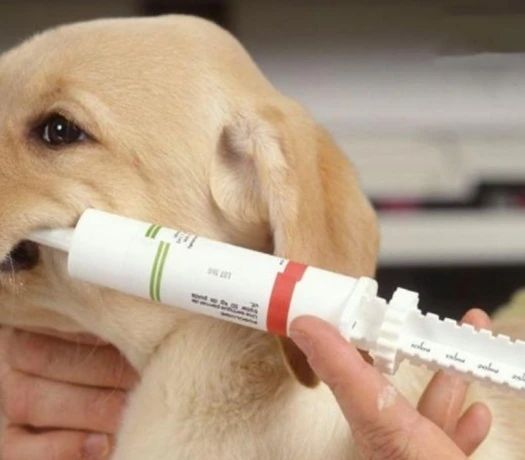
Neuromuscular Disruption in Internal Parasites
Heartworms and stomach nematodes are examples of internal parasites that work through different neural pathways. Milbemycin oxime, which is made up of both A3 and A4 parts, targets glutamate-gated chloride channels that are only found in the nerve and muscle cells of invertebrates. It is when milbemycin oxime opens these channels that membrane permeability goes up by a huge amount. This overpolarization stops nerve signals from traveling normally, which stops the parasite from moving. The parasites are thrown out by natural processes because they can't stay in one place inside the host or keep feeding.
Mammalian Safety Through Biological Barriers
In dogs, the blood-brain barrier is a very important defense against these chemicals' effects. Afoxolaner and Milbemycin Oxime Chewable Tablets 100 times more strongly bound to GABA receptors in arthropods than to receptors in mammals. In the same way, milbemycin oxime has very low permeability across the blood-brain barrier in dogs. Studies of its spread show that it only partially enters the central nervous system. This pharmacokinetic profile makes sure that therapeutic doses get rid of parasites effectively while keeping safety margins that keep the host animal from getting neurological side effects.
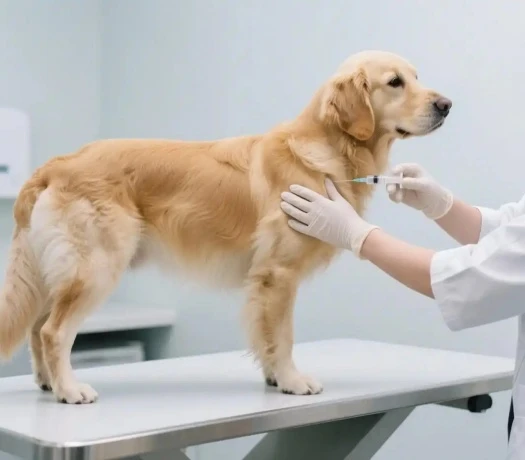
Afoxolaner and Milbemycin Oxime Chewable Tablets: Two Active Ingredients, Distinct Actions
The combination formulation provides synergistic protection by targeting different types of parasites through mechanisms that work together. Each active ingredient works on its own, but together they help get rid of all parasites.
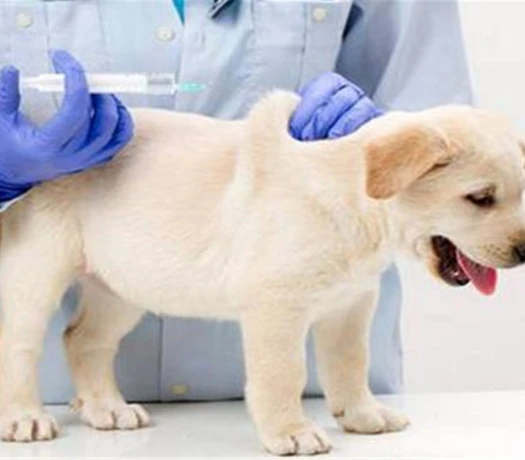
Isoxazoline Mechanism of Afoxolaner
Afoxolaner is an isoxazoline insecticide and acaricide, which is a fairly new development in the field of veterinary parasitology. This chemical does its job by blocking GABA-gated chloride channels in insects. Clinical tests show that afoxolaner reaches its highest level in the blood within two to four hours of being given, and that it is completely bioavailable (88% of the time). The longer half-life in plasma, which is about two weeks, ensures protection for the whole month between doses. This pharmacokinetic profile makes sure that therapeutic levels stay high in the bloodstream. This makes treated dogs deadly places for parasites to try to settle down and feed.
Macrolide Activity of Milbemycin Oxime
This medicine, milbemycin oxime, is a macrolide anthelmintic. Its structure is similar to other avermectin compounds, but it is safer. It has 80% milbemycin A4 and 20% milbemycin A3, which are both drugs that work on glutamate-gated chloride channels. These channels are mostly found in the peripheral nervous systems of invertebrates, not in their central nervous systems. Milbemycin A4 has a half-life of 3.3 days, according to research, while milbemycin A3 has a half-life of 1.6 days. These different levels of persistence make sure that protection waves keep working against parasites at different stages of their lives.

This is especially important for stopping heartworm larvae before they turn into adult worms.
What Makes Afoxolaner and Milbemycin Oxime Effective Against Different Parasites?
Parasites have developed different ways to stay alive, so specific defenses are needed. This problem is solved by the dual-active composition, which works against a wide range of parasite types.

Spectrum Coverage Across Parasite Types
Within four hours of the dog eating the edible tablet, fleas start to react to afoxolaner, and they are all gone within eight hours. Ticks that feed on treated dogs have problems with their nerves that stop them from staying attached and finishing their blood meal. Studies done in the field show that it is 100% effective against common tick species like Dermacentor variabilis and Rhipicephalus sanguineus for one month after it is applied. At the same time, milbemycin oxime stops heartworm eggs (Dirofilaria immitis) that are spread by mosquitoes from moving to lung arteries, where they would grow into dangerous adult worms that can kill.
Milbemycin oxime can also paralyze the muscles of parasites that live in the intestines, like hookworms, roundworms, and whipworms.
Resistance Prevention Through Dual Mechanisms
When single-mode-of-action chemicals are used over and over on the same parasite populations, they can build up tolerance. The combination approach lowers the risk of resistance by making parasites develop defenses against two different molecular targets at the same time. Changes in genes that make you resistant to GABA channel inhibitors don't protect you against glutamate channel activators, and the other way around.
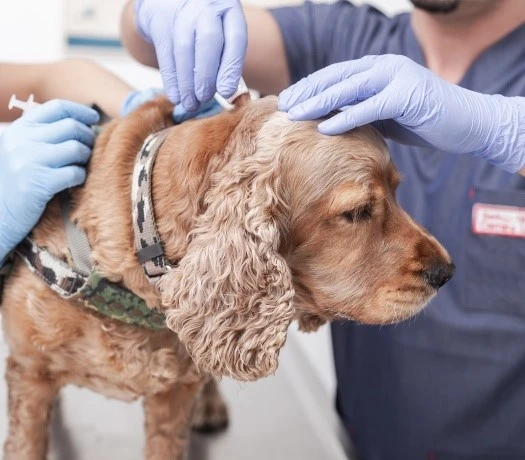
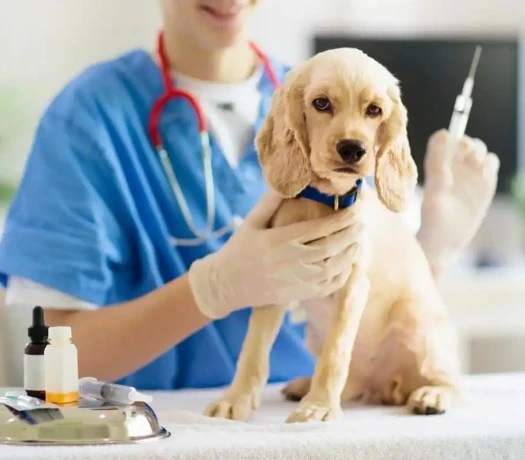
even in places where parasite populations have become less sensitive to older chemicals.
Life-Stage Targeting Capabilities
During their life stages, different parasites leave different hosts open to different threats. Afoxolaner and Milbemycin Oxime Chewable Tablets adult fleas before they lay eggs. This stops the fleas from reproducing and polluting the environment. In the critical window when they are most likely to be affected by macrolides, milbemycin oxime targets heartworm larvae specifically. This life-stage specificity has the most effect on parasite populations while requiring the least amount of dose to be effective.
Understanding the Molecular Action of Afoxolaner and Milbemycin Oxime Chewable Tablets
The study of molecular pharmacology shows how these chemicals connect with certain protein structures to kill parasites.
Chloride Channel Modulation
In the end, both active ingredients change the movement of chloride ions, but they do so through different receptor systems. Afoxolaner blocks GABA receptors without competing with them, taking up binding sites that stop normal neurotransmitter activity. This blockade gets rid of the messages that usually control neural excitation, which makes nerves fire without any control. Milbemycin oxime works as an agonist at glutamate receptors, which makes channels open wider and lets too much chloride in. This forced activation makes nerve cells more charged than they can normally be, which stops them from talking to each other.


Receptor Selectivity and Binding Affinity
Crystallography studies show that afoxolaner fits into the GABA receptor binding pockets of arthropods with geometric alignment that is missing in mammalian receptor types. Different amino acid residues in invertebrate and mammalian receptor subtypes make this chemical recognition possible. Also, glutamate-gated chloride channels are a type of receptor that is only found in invertebrates and not in mammals. Dogs don't have these target receptors, which explains why safety tests have shown a wide treatment index.
Pharmacodynamic Profiles
The dose-response graphs for both substances show steep differences in how well they work.At plasma concentrations above 500 ng/mL, afoxolaner kills 95% of fleas, and these levels stay the same during the monthly dosing interval at the recommended doses. The action of milbemycin oxime against susceptible nematodes is also concentration-dependent, and the lowest amounts that are effective are maintained for several days. These pharmacodynamic features make sure that the protection is constant and doesn't get much weaker before the next dose.
From Neuromuscular Activity to Parasite Control: Afoxolaner and Milbemycin Oxime
From molecular interaction to actual parasite removal, there are many biological steps that must be taken. These steps turn receptor binding into clinical results.
Absorption and Distribution Dynamics
When taken by mouth, Afoxolaner and Milbemycin Oxime Chewable Tablets are quickly absorbed by the body's digestive system. The chewable form improves absorption by encouraging voluntary drinking based on taste and by improving the way the drug dissolves. The afoxolaner gets into a lot of tissues (more than 2.6 L/kg), making sure that therapeutic levels reach the skin, where external parasites live and feed. Milbemycin oxime also goes to places where internal parasites live, like the gut mucosa and the bloodstream.
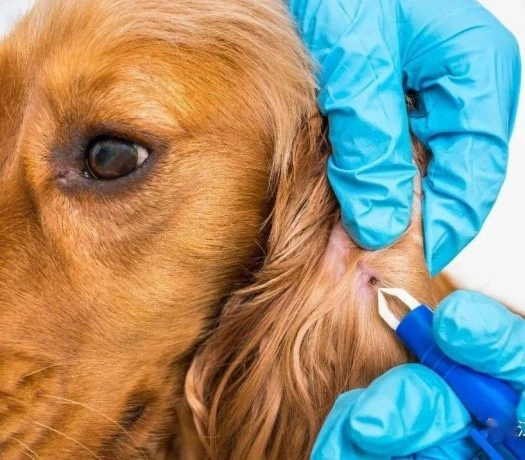
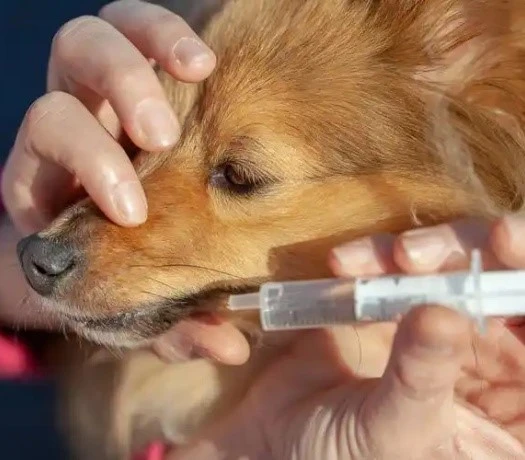
This pattern of distribution puts active chemicals right in touch with target parasites, no matter where they are on the body.
Metabolic Stability and Elimination
Both substances are broken down in the liver through cytochrome P450 pathways, creating byproducts that are less active. The parent chemicals stay in the body long enough to protect every month, but they finally break down so that buildup toxicity doesn't happen. The main way that waste is eliminated is through feces, with only a small amount going through the kidneys. This elimination rhythm makes people with kidney problems or who are older less worried about their kidney health.
Clinical Efficacy in Real-World Conditions
Field impact tests done in a variety of geographic areas back up what was found in the lab. Fleas were 99.9% less common on dogs that were treated once a month with the mixture product than on dogs that were not treated. Heartworm protection worked 100% of the time in places where they were common when treatment started before mosquito season and continued every month during transmission times. These results from the real world back up the mechanistic knowledge that was gained from studies.
Conclusion
The way that Afoxolaner and Milbemycin Oxime Chewable Tablets work to target the nervous system is an example of how advanced parasitology can be used in real-life veterinary medicine. This dual-active formula protects against both external arthropods and internal helminths by taking advantage of fundamental differences between the nervous systems of parasites and mammals. Selective receptor binding, good pharmacokinetics, and complementary mechanisms of action all work together to make monthly protection easy for dog owners to rely on.
Veterinary workers and pet owners can make better decisions about how to get rid of parasites when they understand the science behind nerve-targeting antiparasitic chemicals. As parasite populations continue to change in response to external stresses and older compounds, new products like these keep working by hitting them in multiple ways, which is faster than they can become resistant.
Frequently Asked Questions
1. How quickly do Afoxolaner and Milbemycin Oxime Chewable Tablets begin working after administration?
+
-
Afoxolaner gets its highest level in the blood within two to four hours of being administered. It starts killing fleas within four hours and has its strongest effect eight hours later. Milbemycin oxime works even faster against internal bugs that are susceptible when it reaches its peak one to two hours after the dose. This quick start makes sure that parasites reach drug levels that kill them before they can finish feeding or reproducing.
2. Can these nerve-targeting compounds affect my dog's nervous system?
+
-
The formula is very safe for dogs because of three things: the blood-brain barrier stops a lot of the drug from getting into the central nervous system; the target receptors are much more specific to invertebrate variants; and therapeutic doses stay well below levels that would affect the function of mammals' brains. Clinical studies with thousands of dogs of different kinds showed that it was safe to use as recommended, with the same rate of side effects seen in the active and placebo groups.
3. Why is monthly dosing sufficient if the drugs are eliminated faster than 30 days?
+
-
The half-lives of afoxolaner and milbemycin oxime components vary from 1.6 to 14 days, but the drugs' therapeutic effects last for the whole month. Because afoxolaner has a half-life of two weeks, safe blood levels last well into the fourth week. Milbemycin oxime targets heartworm larvae when they are at their most vulnerable. Heartworms stay in this stage for about 30 days after they are infected. Dosing once a month stops these worms before they grow up and keeps the area safe from getting infected again.
Partner with Bloomtechz: Your Trusted Afoxolaner and Milbemycin Oxime Chewable Tablets Supplier
Bloomtechz is a qualified company that makes and sells high-quality Afoxolaner and Milbemycin Oxime Chewable Tablets. They have 12 years of experience making pharmaceutical intermediates and customizing chemical synthesis. Our 100,000-square-meter GMP-certified facilities have undergone thorough on-site inspections by the CFDA, the US-FDA, the PMDA, and other international regulatory bodies. This makes sure that every batch meets the highest quality standards. We can make any kind of tablet, from pure API powder to finished chewable tablets, and we can make them in any weight range. We also offer flexible OEM/ODM options so that we can meet your research and distribution needs.
24 international pharmaceutical companies and research institutions trust us as a partner. We offer competitive pricing with clear fixed-margin structures, accurate lead times tracked through our ERP platform, and triple-layer quality assurance that guarantees full refunds for any products that don't meet standards. Our technical team makes sure that communication is clear and that the supply chain is managed well, whether you need large amounts for marketing or unique formulations for specific uses.
Are you ready to find a reliable source for your Afoxolaner and Milbemycin Oxime Chewable Tablets needs? Email our team at Sales@bloomtechz.com right now to talk about your needs, get more information, or get a competitive quote. Bloomtechz gives you the quality you want and the great service your business needs.
References
1. Shoop WL, Hartline EJ, Gould BR, et al. Discovery and mode of action of afoxolaner, a new isoxazoline parasiticide for dogs. Veterinary Parasitology. 2014;201(3-4):179-189.
2. Prichard R, Ménez C, Lespine A. Moxidectin and the avermectins: Consanguinity but not identity. International Journal for Parasitology: Drugs and Drug Resistance. 2012;2:134-153.
3. Bowman DD, Ohmes CM, Hendershot KL, et al. Efficacy of afoxolaner against Rhipicephalus sanguineus and Dermacentor variabilis on dogs. Veterinary Parasitology. 2015;213(1-2):37-40.
4. Rufener L, Danelli V, Bertrand D, Sager H. The novel isoxazoline ectoparasiticide fluralaner: Selective inhibition of arthropod gamma-aminobutyric acid- and L-glutamate-gated chloride channels and insecticidal activity. Insect Biochemistry and Molecular Biology. 2017;45:111-124.
5. European Medicines Agency. NexGard Spectra EPAR - Scientific Discussion. Committee for Medicinal Products for Veterinary Use Assessment Report. 2015.
6. Wolstenholme AJ, Rogers AT. Glutamate-gated chloride channels and the mode of action of the avermectin/milbemycin anthelmintics. Parasitology. 2005;131(Suppl):S85-S95.