


In the vast world of organic chemistry, bromopentene isomers play a significant role in various chemical processes and applications. Among these isomers, 5-Bromo-1-pentene CAS 1119-51-3 stands out due to its unique properties and uses. This article delves into the differences between 5-Bromo-1-pentene and its fellow bromopentene isomers, exploring their structural characteristics, reactivity, and practical applications.
We provide 5-Bromo-1-pentene, please refer to the following website for detailed specifications and product information.
Product:https://www.bloomtechz.com/synthetic-chemical/organic-intermediates/5-bromo-1-pentene-cas-1119-51-3.html
Knowing the Structure of 5-Bromo-1-pentene
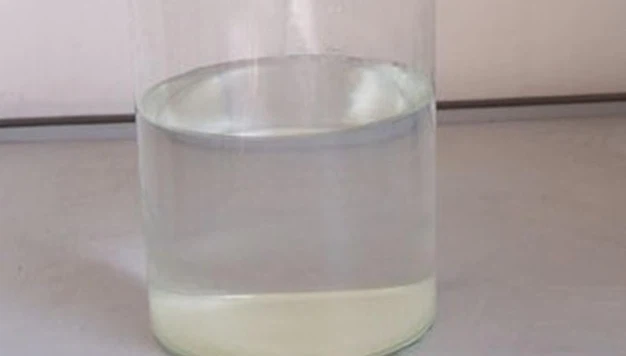
5-Bromo-1-pentene, with the molecular formula C5H9Br, is an unsaturated halogenated hydrocarbon. Its structure features a five-carbon chain, where a bromine atom is attached to the fifth carbon and a double bond exists between the first and second carbons. This specific arrangement not only imparts unique chemical properties but also influences its reactivity in various organic reactions. The presence of the double bond allows for additional reactions, such as nucleophilic substitutions and additions, making 5-Bromo-1-pentene a valuable compound in synthetic organic chemistry, where it can serve as an important building block for more complex molecules.
The bromine atom positioned at one end of the carbon chain, combined with the double bond at the opposite end, renders 5-Bromo-1-pentene a versatile compound in organic synthesis. This structural arrangement facilitates a range of reactions, including nucleophilic substitution, elimination, and additions across the double bond, making it useful for diverse synthetic pathways. Its unique properties enable chemists to explore multiple reaction routes, enhancing its application in various organic transformations.
Compared to other bromopentene isomers, such as 1-Bromo-2-pentene or 2-Bromo-1-pentene, the location of the functional groups in 5-Bromo-1-pentene CAS 1119-51-3 offers unique reactivity patterns. The distance between the bromine atom and the double bond in 5-Bromo-1-pentene can lead to intramolecular reactions that are less likely or impossible in other isomers.
Reactivity Profiles of Bromopentene Isomers
The reactivity of bromopentene isomers is largely determined by the relative positions of the bromine atom and the double bond within the molecule. 5-Bromo-1-pentene exhibits a reactivity profile that sets it apart from its isomeric counterparts.
In 5-Bromo-1-pentene, the bromine atom is located at a primary carbon, making it more susceptible to nucleophilic substitution reactions compared to isomers where the bromine is attached to a secondary or tertiary carbon. This characteristic makes 5-Bromo-1-pentene an excellent substrate for synthesizing various pentene derivatives.
The terminal double bond in 5-Bromo-1-pentene exhibits greater reactivity toward addition reactions compared to internal double bonds found in other bromopentene isomers. This increased reactivity stems from reduced steric hindrance around the terminal double bond, which allows reagents to access the bond more easily. As a result, 5-Bromo-1-pentene can participate in various addition reactions more efficiently, making it a valuable substrate in organic synthesis. Its structural features contribute significantly to its reactivity profile, facilitating a range of chemical transformations.
Another unique aspect of 5-Bromo-1-pentene CAS 1119-51-3's reactivity is its potential for cyclization reactions. The presence of both a leaving group (bromine) and a nucleophilic site (double bond) within the same molecule can lead to intramolecular reactions under certain conditions, forming cyclic compounds. This property is less pronounced or absent in other bromopentene isomers where the functional groups are closer together or in different arrangements.
Applications and Significance in Organic Synthesis
The unique structure and reactivity of 5-Bromo-1-pentene (CAS 1119-51-3) position it as a valuable building block in organic synthesis. Its applications extend across multiple fields, including the development of pharmaceutical intermediates, polymer chemistry, and the synthesis of fine chemicals. This versatility makes it an important compound for researchers and industries looking to create diverse organic molecules, highlighting its significance in modern chemical processes.
In pharmaceutical synthesis, 5-Bromo-1-pentene serves as a precursor for creating more complex molecules. Its ability to undergo both nucleophilic substitution and addition reactions allows for the introduction of diverse functional groups, which is crucial in drug development processes. The compound's potential for cyclization reactions also makes it useful in synthesizing cyclic compounds, which are common motifs in many bioactive molecules.
Polymer chemists utilize 5-Bromo-1-pentene in the production of specialized polymers. The presence of both the bromine atom and the double bond allows for the creation of polymers with unique properties, such as enhanced flame retardancy or specific cross-linking capabilities. These polymers find applications in industries ranging from electronics to aerospace.
In the realm of fine chemicals, 5-Bromo-1-pentene CAS 1119-51-3 serves as a starting material for synthesizing various pentene derivatives. These derivatives are used in the production of fragrances, flavors, and other specialty chemicals. The compound's reactivity allows for efficient transformations, making it a preferred choice in many synthetic routes.
Compared to other bromopentene isomers, 5-Bromo-1-pentene frequently provides advantages in reaction selectivity and yield. Its specific structural features facilitate more controlled and predictable reactions, making it particularly beneficial for large-scale industrial processes where efficiency and purity are crucial. The enhanced reactivity of its terminal double bond allows for targeted transformations, minimizing byproducts and maximizing desired outcomes. This characteristic is essential in various applications, including pharmaceuticals and fine chemical production, where achieving high yields and maintaining product quality are top priorities in synthetic strategies.
The significance of 5-Bromo-1-pentene extends beyond its direct applications. As a model compound, it helps chemists understand the behavior of similar molecules and develop new synthetic methodologies. Its unique reactivity pattern serves as a basis for exploring novel reactions and pushing the boundaries of organic synthesis.
Conclusion
5-Bromo-1-pentene CAS 1119-51-3 stands out among bromopentene isomers due to its distinctive structure and reactivity profile. Its ability to undergo a wide range of transformations, coupled with its potential for intramolecular reactions, makes it a versatile tool in the hands of organic chemists. As research in organic synthesis continues to evolve, compounds like 5-Bromo-1-pentene will undoubtedly play crucial roles in developing new materials, pharmaceuticals, and chemical processes, further cementing their importance in the field of chemistry.
References
1. Clayden, J., Greeves, N., & Warren, S. (2012). Organic Chemistry. Oxford University Press.
2. Smith, M. B., & March, J. (2007). March's Advanced Organic Chemistry: Reactions, Mechanisms, and Structure. Wiley.
3. Carey, F. A., & Sundberg, R. J. (2007). Advanced Organic Chemistry: Part A: Structure and Mechanisms. Springer.
4. Kurti, L., & Czako, B. (2005). Strategic Applications of Named Reactions in Organic Synthesis. Elsevier Academic Press.
5. Bruice, P. Y. (2016). Organic Chemistry. Pearson.