


Silybin(link:https://www.bloomtechz.com/synthetic-chemical/api-researching-only/silibinin-powder-cas-22888-70-6.html) is a kind of flavonoid lignan compound isolated from the seeds of milk thistle, a plant of Compositae. The main active ingredients are silybin, isosilibin, silybin and silybin Jining and other four isomers can prevent damage to the liver caused by chemical toxins, food toxins and drugs, and promote the regeneration and repair of liver cells. They are called "natural liver protection drugs". It is off-white crystalline powder at normal temperature, odorless, slightly bitter taste, hygroscopic, easily soluble in acetone, ethyl acetate, methanol, ethanol, slightly soluble in chloroform, almost insoluble in water. Silybin is also known as heparin, milk thistle, total flavonoids of milk thistle, silimarin, yiganling, silymarin, ligalon. As early as 2000 years ago, the ancient Chinese used milk thistle to treat liver and gallbladder diseases. It has been clinically shown that it has the obvious effect of protecting and stabilizing the liver cell membrane; it has different effects on liver damage caused by various types of liver poisons such as carbon tetrachloride, thioacetamide, muscarine, phalloidin, hyosostigmine, etc. To a certain extent, it has protective and therapeutic effects, and has a certain inhibitory effect on the increase of alanine aminotransferase caused by carbon tetrachloride. It is suitable for the treatment of chronic persistent hepatitis, chronic active hepatitis, early liver cirrhosis, liver poisoning and other diseases. In addition, this product also has strong antioxidant properties, can remove free radicals in the human body, and delay aging. It has been widely used in the fields of medicine, health care products, food and cosmetics.
|
|
|
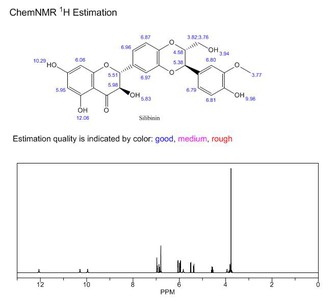

Silibinin is a natural flavonoid found primarily in the seeds of milk thistle (Silybum marianum). It has a variety of pharmacological activities and is widely used in the fields of medicine and health care.
1. Liver protection:
 Silibinin is a potent hepatoprotective agent that is widely used in the prevention and treatment of various liver diseases. It protects liver cells from chemical damage and toxins through multiple mechanisms. Specifically, silibinin can increase the production of antioxidant substances in liver cells, reduce the production of free radicals, alleviate oxidative stress and inflammation, promote liver cell regeneration, and inhibit the process of fibrosis.
2. Antitumor activity:
Silibinin has inhibitory effects on a variety of tumor cells, including liver cancer, breast cancer, prostate cancer, and colorectal cancer. It can interfere with tumor cell proliferation, metastasis and invasion, induce tumor cell apoptosis, and inhibit tumor cell angiogenesis and drug resistance.
3. Antiviral activity:
Silibinin has inhibitory effects on various viral infections, such as hepatitis B virus (HBV), hepatitis C virus (HCV), human immunodeficiency virus (HIV), etc. It can inhibit virus entry into host cells, replication and release, and enhance the body's immune response. Therefore, silibinin is widely used in the treatment of chronic hepatitis, liver cirrhosis and other diseases related to viral infection.
4. Anti-inflammatory activity:
Silibinin has a significant anti-inflammatory effect, which can inhibit the production of various inflammatory mediators and reduce the inflammatory response. This makes it a potential application in the treatment of inflammatory diseases, such as rheumatoid arthritis, inflammatory bowel disease, etc.

5. Antioxidant activity:
Silibinin is a powerful free radical scavenger with antioxidant properties. It neutralizes free radicals, stabilizes cell membranes, and protects organelles and DNA from oxidative damage. Therefore, silibinin is used in the prevention and treatment of diseases related to oxidative stress, such as cardiovascular diseases, nervous system diseases, cancer and so on.
6. Gallstone prevention:

Silibinin can also help prevent the formation of gallstones. It reduces the risk of gallstones by inhibiting cholesterol synthesis and cholesterol supersaturation in bile, reducing crystal formation and increasing solubility.
7. Skin care:
Silibinin also has certain application potential in skin care. It can inhibit skin damage caused by ultraviolet rays, anti-inflammation, reduce melanin production, and help improve skin problems such as skin inflammation, pigmentation, etc.
It should be noted that although silibinin has many potential pharmacological activities and clinical application prospects, it still needs to be used with caution. Proper dosing, administration, and monitoring are key to ensuring safety and efficacy. Therefore, when using Silibinin, please consult a professional doctor or pharmacist for the specific dosage and usage.