


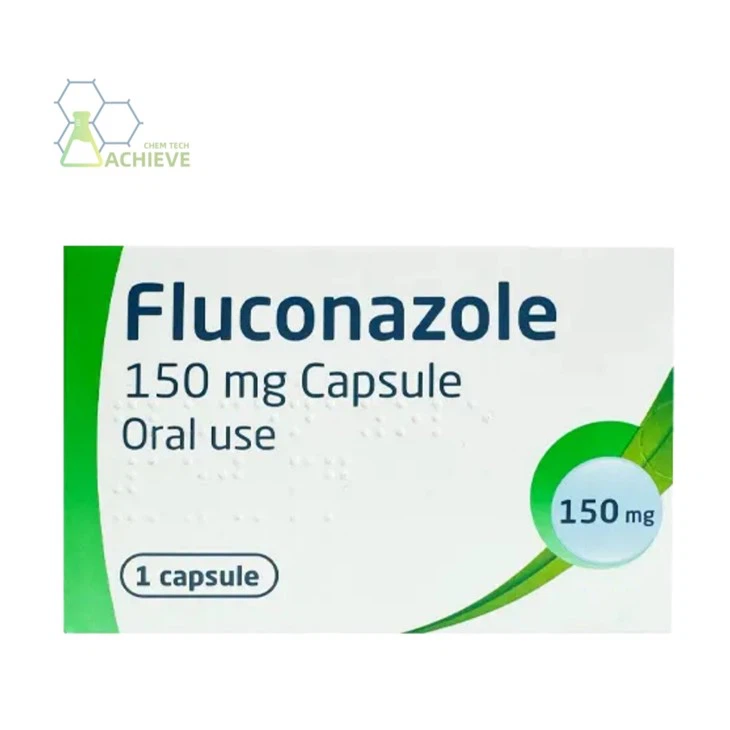


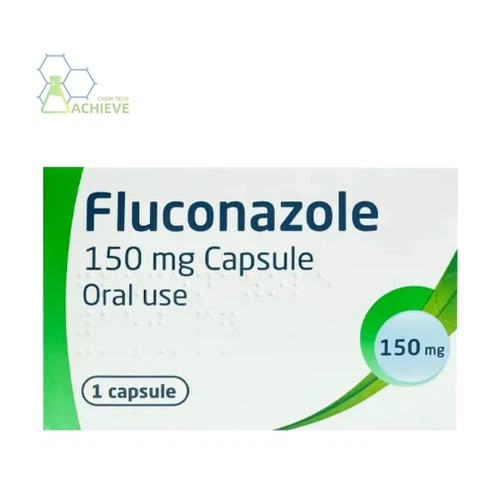
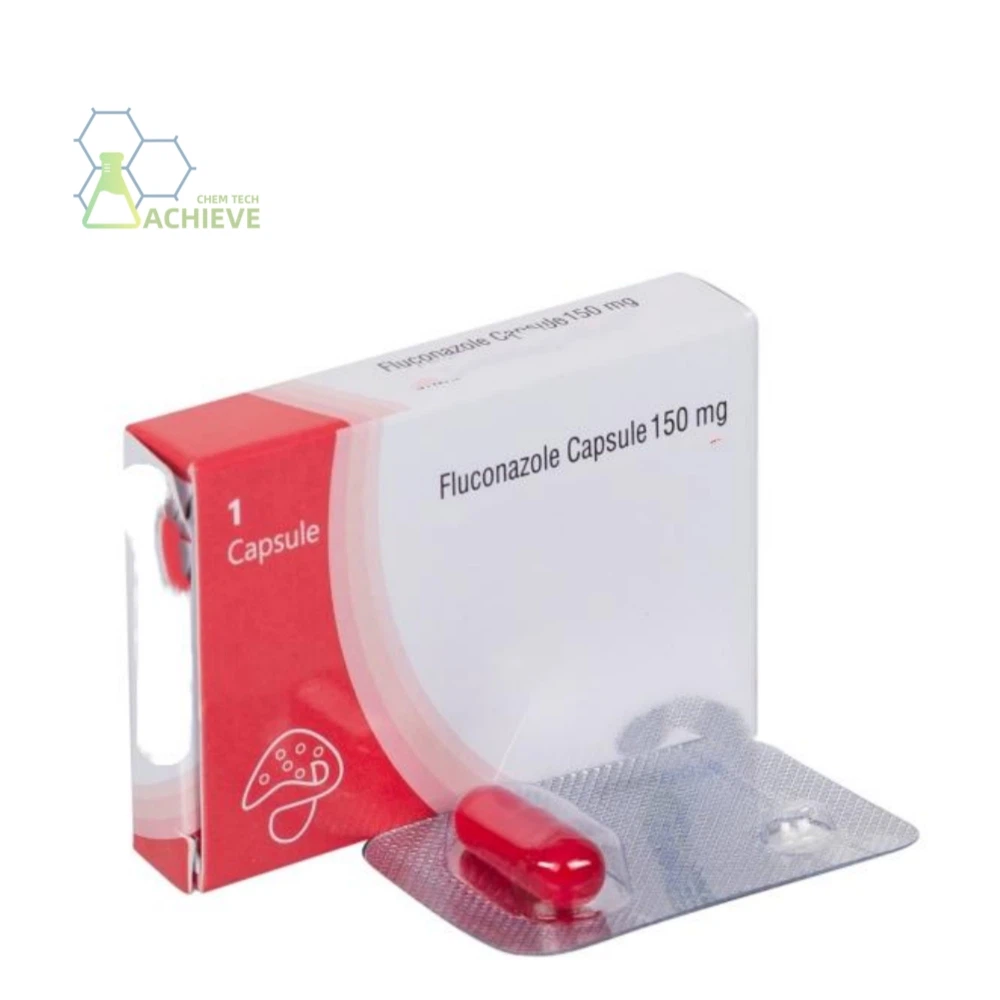
Shaanxi BLOOM Tech Co., Ltd. is one of the most experienced manufacturers and suppliers of fluconazole capsule in China. Welcome to wholesale bulk high quality fluconazole capsule for sale here from our factory. Good service and reasonable price are available.
Fluconazole capsule is a widely used systemic antifungal drug, belonging to the third generation representative of triazole compounds. Its core mechanism of action involves highly selective inhibition of 14 α - lanosterol demethylase (ERG11 gene encoding) in the fungal cytochrome P450 enzyme family, blocking the biosynthesis of ergosterol, a key component of fungal cell membrane. This process leads to an imbalance in the proportion of unsaturated fatty acids in the fungal cell membrane structure, an increase in membrane fluidity, which in turn triggers intracellular potassium ion efflux, cytoplasmic acidification, and leakage of large molecular substances, ultimately inducing fungal cell apoptosis or autolysis. Compared with first generation imidazole drugs such as ketoconazole, fluconazole has a higher affinity for fungal enzymes and significantly reduces its impact on mammalian cytochrome P450 enzymes, thereby reducing drug interactions and liver toxicity risks.



Additional information of chemical compound:

Our product form


Fluconazole +. COA

The drug is filled with white or off white crystalline powder in hard or soft capsules, and the micronization process is used to ensure uniform particle size (D90<50 μ m), significantly improving the drug dissolution rate. The trifluoromethyl (- CF3) group in its chemical structure enhances molecular lipophilicity, while the hydroxyl (- OH) group promotes drug penetration in the gastrointestinal tract through hydrogen bonding. Although fluconal itself is slightly soluble in water (with a solubility of about 0.5-1mg/mL), through excipient optimization (such as adding lactose, cross-linked carboxymethyl cellulose sodium and other disintegrants), the capsule can quickly disintegrate in gastric acid environment (disintegration time<15 minutes), releasing drug particles. After oral administration, fluconal is rapidly and completely absorbed in the gastrointestinal tract, with a bioavailability of over 90%. Food has no significant effect on its absorption, and patients can take it on an empty stomach or with meals, greatly improving the convenience of medication.
In terms of formulation technology, fluconazole capsules adopt moisture-proof coating technology, effectively avoiding the degradation of drugs in humid and hot environments (accelerated testing at 40 ℃/75% RH for 6 months with a content decrease of less than 2%), ensuring the long-term stability of the product. Its specifications cover multiple doses such as 50mg, 100mg, 150mg, and 200mg, which can flexibly meet the medication needs of different types of infections (such as 50-150mg/day for superficial fungal diseases and 200-400mg/day for deep fungal diseases) and special populations (such as children with a body weight of 3-12mg/kg/day). Clinical studies have shown that fluonazole are as effective as intravenous preparations in treating oral and pharyngeal candidiasis, and have a lower incidence of adverse reactions (mainly mild gastrointestinal discomfort and headache), making them the preferred dosage form for outpatient patients and long-term treatment.

Endemic fungal diseases are infections caused by fungi present in a specific geographic area, which reproduce in specific environments such as soil, vegetation, or animal hosts. Humans become infected through exposure to contaminated environments or inhalation of fungal spores. Fluconal, as a broad-spectrum and potent triazole antifungal drug, has become an important choice for the treatment and prevention of endemic fungal diseases due to its unique pharmacokinetic properties (such as high oral absorption rate, strong blood-brain barrier penetration, and wide tissue distribution) and low toxicity. Below, from the perspectives of treatment and prevention, combined with specific types of diseases, we will elaborate on their uses in detail.
Therapeutic use

1. Coccidiomycosis
Sphingosporosis is caused by Colletotrichum crus or Aspergillus nidulans, and is mainly prevalent in arid and semi-arid regions of the southwestern United States, Mexico, and Central and South America. Patients can be infected by inhaling spores from the air, and the lesions can affect the lungs, skin, bones, and central nervous system.
(1) Mild to moderate pulmonary coccidiosis
Fluconal is one of the preferred therapeutic drugs for mild to moderate pulmonary coccidiosis. It inhibits fungal growth by suppressing the synthesis of ergosterol on the cell membrane, disrupting membrane integrity. The recommended dosage is 400-800 mg orally per day, and the course of treatment is usually 3-6 months.
For patients with normal immune function, this course of treatment can effectively clear lung lesions; For those with impaired immune function (such as AIDS patients and organ transplant recipients), the course of treatment should be extended to 12 months or longer to prevent recurrence.
(2) Pneumocystis jirovecii
Skin lesions: Fluconal can treat cutaneous coccidiomycosis by inhibiting fungal proliferation in skin tissue, alleviating symptoms such as erythema, nodules, or ulcers. The dosage is the same as that of Pneumocystis aeruginosa, and the treatment course needs to be adjusted according to the severity and healing of the skin lesions.


Skeletal infection: For osteococcosis, fluconal can penetrate bone tissue to achieve effective therapeutic concentrations. Usually, combined surgical debridement or fixation surgery is required, with a daily dose of 400-800 mg and a course of treatment of 6-12 months.
(3) Pneumocystis aeruginosa meningitis
Fluconazole capsule is the preferred medication for maintenance treatment of Pneumocystis aeruginosa meningitis. Due to the long-term maintenance of treatment after induction therapy with amphotericin B to prevent recurrence, fluconal is an ideal choice as it can penetrate the blood-brain barrier well (cerebrospinal fluid concentration reaches 60% -80% of blood drug concentration). The recommended dosage is 400-800 mg orally per day, and the course of treatment is usually 12-24 months, adjusted according to cerebrospinal fluid examination and imaging results.
2. Budding bacterial disease
Botrytis is caused by dermatitis caused by bacteria and is mainly prevalent in eastern North America, some parts of Africa, and India. Human infection through inhalation of spores can affect the lungs, skin, bones, and central nervous system.
(1) Mild to moderate pulmonary blastomycosis
Fluconal is an alternative treatment for mild to moderate pulmonary aspergillosis (itraconazole is preferred). It exerts antibacterial effects by inhibiting fungal cell membrane synthesis. The recommended dosage is 400-800 mg orally per day for a course of 6-12 months. During the treatment period, regular follow-up chest X-rays or CT scans are required to evaluate the absorption of lung lesions.


(2) Blastomycosis cutis
Fluconal can treat cutaneous blastomycosis by inhibiting fungal proliferation in skin tissue, alleviating ulcers, nodules, or wart lesions. The dosage is the same as that of pulmonary aspergillosis, and the course of treatment needs to be adjusted according to the severity and healing of the skin lesions, usually ranging from 6 to 12 months.
(3) Severe budding bacterial disease
Disseminated blastomycosis: For disseminated blastomycosis involving multiple organs, fluconal needs to be used in combination with amphotericin B. Amphotericin B is used for induction therapy (rapid control of the condition), followed by sequential use of fluconal for long-term maintenance therapy (prevention of recurrence). Combination therapy can improve efficacy and reduce drug resistance.
Central nervous system blastomycosis: Fluconal is the preferred medication for maintenance treatment of central nervous system blastomycosis. After induction therapy with amphotericin B, the recommended dosage is 400-800 mg orally per day for a course of 12-24 months, adjusted according to cerebrospinal fluid examination and imaging results.
3. Organic cytoplasmic bacterial disease
Histoplasmosis is caused by Clostridium perfringens and is mainly prevalent in parts of North America, South America, Africa, and Asia. Human beings can be infected by inhaling spores, and the lesions can affect multiple organs such as lungs, lymph nodes, liver, and spleen.
(1) Acute pulmonary histoplasmosis
Fluconal is an alternative treatment for mild to moderate acute pulmonary interstitial bacterial disease (itraconazole is preferred).


The recommended dosage is 400-800 mg orally per day for a course of 6-12 weeks. During the treatment period, it is necessary to monitor the improvement of symptoms such as fever, cough, and chest pain.
(2) Chronic pulmonary histoplasmosis
Simple chronic pulmonary tissue cytoplasmic bacterial disease: Fluconal can be used to treat uncomplicated chronic pulmonary tissue cytoplasmic bacterial disease, with a dose of 400-800 mg orally per day for a course of 12-18 months. Regular follow-up chest X-rays or CT scans are required during treatment to assess the progression of pulmonary fibrosis or cavities.
Complex chronic pulmonary histiocytosis: Fluconal should be used in combination with amphotericin B for patients with concomitant pulmonary fibrosis, pulmonary arterial hypertension, or respiratory failure. Amphotericin B is used for induction therapy, followed by sequential use of fluconal for long-term maintenance therapy.
(3) Histoplasmosis
Patients with normal immune function: Fluconal is an alternative treatment for mild to moderate disseminated histiocytosis (itraconazole is preferred). The recommended dosage is 400-800 mg orally per day for a course of 12-18 months. During the treatment period, it is necessary to monitor liver and kidney function and blood routine, and adjust the dosage in a timely manner.
Patients with impaired immune function: For patients with AIDS, organ transplantation or long-term use of immunosuppressants, fluconal should be used in combination with amphotericin B. Amphotericin B is used for induction therapy, followed by sequential use of fluconal for long-term maintenance therapy (which may require lifelong medication).

Pneumocystis aeruginosa disease
Paracoccidiosis is caused by Brazilian paracoccidiomycosis and is mainly prevalent in tropical and subtropical regions of South America. Human infection through inhalation of spores can affect the lungs, skin, mucous membranes, and lymph nodes.Mild to moderate Pneumocystis aeruginosa infection
Fluconal is an alternative treatment for mild to moderate Pneumocystis aeruginosa disease (itraconazole is preferred). The recommended dosage is 400-800 mg orally per day for a course of 6-12 months. During the treatment period, it is necessary to monitor the improvement of symptoms such as fever, cough, and skin ulcers.
Severe Pneumocystis aeruginosa infection
Disseminated paracoccidiosis: For disseminated paracoccidiosis involving multiple organs, Fluconazole capsule needs to be used in combination with amphotericin B. Amphotericin B is used for induction therapy, followed by sequential use of fluconal for long-term maintenance therapy.
Fluconal is the preferred medication for maintenance treatment of central nervous system paracoccidiosis. After induction therapy with amphotericin B, the recommended dosage is 400-800 mg orally per day for a course of 12-24 months, adjusted according to cerebrospinal fluid examination and imaging results.


Preventive use
In areas with endemic fungal infections, Fluconal can be used to prevent infections in high-risk populations, including:
Impaired immune function: such as AIDS patients, organ transplant recipients, patients who have used immunosuppressants (such as glucocorticoids, chemotherapy drugs) for a long time. These populations are susceptible to local fungal infections due to their weakened immune system. The recommended preventive dose is 200-400 mg orally per day, which can significantly reduce the risk of infection.
Residents living in endemic areas: Fluconal can be used to prevent infections, especially during the rainy season or peak periods of spore transmission, for residents who have been living in areas where coccidiomycosis, blastomycosis, or histiocytosis are prevalent for a long time. The recommended preventive dose is 200-400 mg orally per day.
Fluconalcan be used to prevent infection in populations engaged in specific occupations in epidemic areas, such as construction workers, farmers, and cave explorers, as they have more opportunities to come into contact with spores in the environment. The recommended preventive dose is 200-400 mg orally per day, starting before entering a potentially contaminated environment and continuing for a period of time after leaving the environment.
Bone marrow transplant patients: During the period of receiving cytotoxic drugs or radiation therapy, bone marrow transplant patients are prone to Candida infection. Fluconal can be used to prevent infections, with a recommended dose of 400 mg orally per day, starting 3-5 days before chemotherapy or radiotherapy, and continuing until neutrophil count returns to normal.
Pediatric patients: Fluconazole capsule can be used to prevent recurrence of cryptococcal meningitis in children at high risk of recurrence, such as those with chronic granulomatous disease or high IgE syndrome. The recommended dosage is adjusted according to body weight, usually 3-6 mg/kg orally per day.

Main Raw Materials and Excipients
The core raw material is fluconazole with a purity complying with pharmacopoeial standards to ensure stable pharmaceutical efficacy. Pharmaceutical excipients include diluents (dextrin, microcrystalline cellulose, etc.), binders (povidone alcoholic solution, etc.) and sustained-release materials (ethyl cellulose, etc.). The selection of excipients shall meet pharmaceutical specifications with no harmful impurities, and the excipients must ensure the drug release performance and stability, meeting the requirements for capsule preparations.
Core Preparation Process
A large-scale preparation process with a concise and controllable flow is adopted: first, prepare blank pill cores, mix the diluents for granulation and drying for subsequent use; then mix fluconazole with stearic acid and sieve the mixture, spray the pill cores with the binder to moisten them, apply powder and dry to obtain plain pellets; subsequently, coat the pellets with sustained-release materials and dry to produce fluconazole pellets; finally, fill the pellets into enteric-soluble empty capsules and precisely control the filling amount to obtain the finished products. Key parameters such as temperature and humidity are strictly controlled throughout the process, making it suitable for industrial production.
Quality Control Standards
Strictly in accordance with pharmacopoeial specifications, the core control indicators are as follows: the content shall be 90.0%~110.0% of the labeled amount; the total content of related substances shall not exceed 1.0%; the dissolution rate shall reach more than 80% of the labeled amount within 45 minutes. Identification and content determination are carried out via thin-layer chromatography (TLC), high performance liquid chromatography (HPLC) and other methods to ensure the uniform quality and reliable pharmaceutical efficacy of the finished products.
Specifications and Storage Requirements
The common specifications are 50mg, 100mg and 150mg, which can meet the medication needs for different diseases. The finished products shall be hermetically packaged and stored in a dry place, protected from moisture and light to prevent drug degradation and inactivation and ensure quality stability during storage. The shelf life is usually 24 months, and all requirements under the capsule preparation monograph shall be complied with throughout the storage period.
FAQ
Can I take fluconazole 150 mg daily?
+
-
The usual doses for adults are: oral (mouth) thrush – 50mg a day, taken for 7 to 14 days. vaginal thrush or balanitis – 150mg, taken as a single dose. vaginal thrush that keeps coming back – 150mg, taken once every 72 hours for the first 3 doses, then 150mg once a week for 6 months.
What should I avoid when taking fluconazole?
+
-
Do not take this medication with any of the following:
Adagrasib.
Flibanserin.
Lomitapide.
Lonafarnib.
Other medications that cause heart rhythm changes.
Triazolam.
Hot Tags: fluconazole capsule, suppliers, manufacturers, factory, wholesale, buy, price, bulk, for sale