


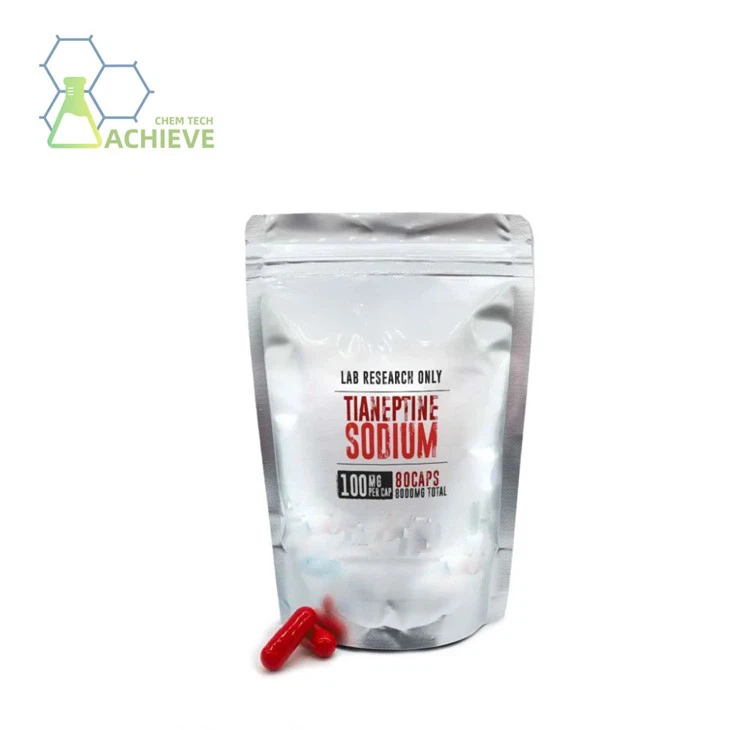

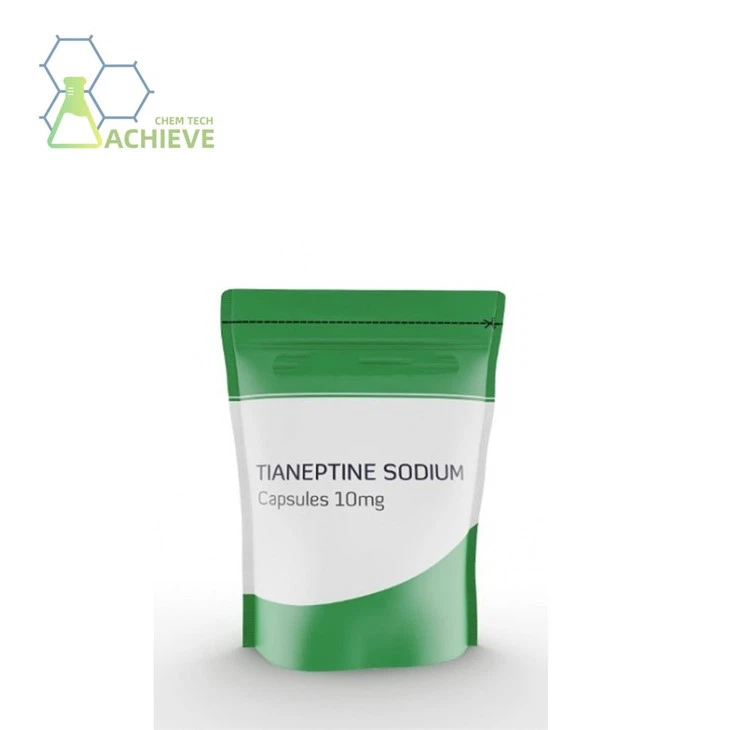

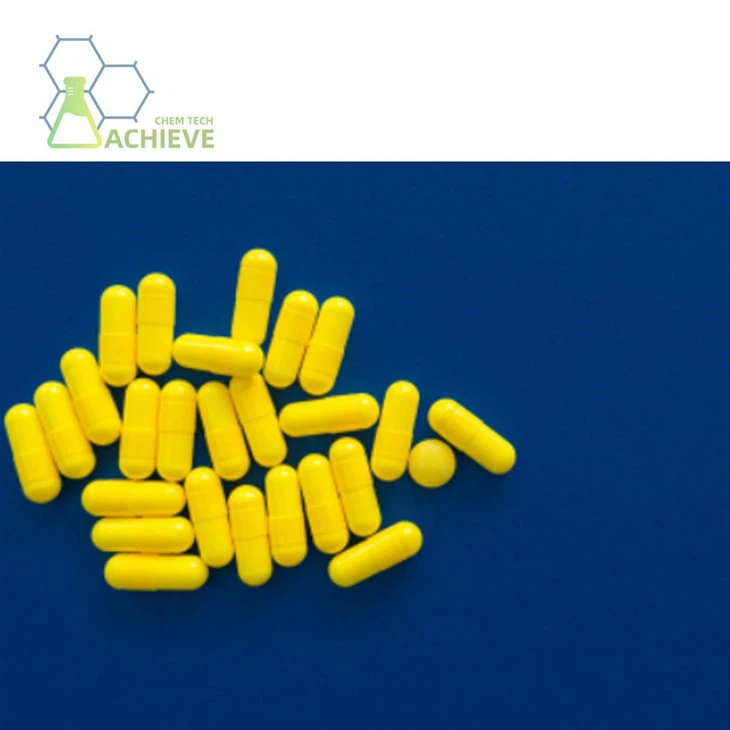


Shaanxi BLOOM Tech Co., Ltd. is one of the most experienced manufacturers and suppliers of tianeptine sodium capsules in China. Welcome to wholesale bulk high quality tianeptine sodium capsules for sale here from our factory. Good service and reasonable price are available.
Tianeptine Sodium Capsules are a pharmaceutical formulation containing sodium thioacetamide (Tianeptine Sodium) as the active ingredient, mainly used for the treatment of depression and related emotional disorders. It is a tricyclic antidepressant, but its mechanism of action is different from traditional tricyclic drugs such as amitriptyline. Improving mood by regulating the glutamate system in the brain (rather than just affecting serotonin or norepinephrine) may involve enhancing neural plasticity and reducing neuroinflammation. In addition, it also has the effects of anti anxiety and improving cognitive function. Its combination with monoamine oxidase inhibitors (MAOIs) may trigger a hypertensive crisis; Co administration with alcohol or other central nervous system inhibitors may exacerbate drowsiness.
At the same time, our company not only provides pure powders, but also tablets and injections. If needed, please feel free to contact us at any time.
Our Product


Additional information of chemical compound:

|
|
|


Tianeptine Sodium COA


The mechanism of action of canine neurobiology and Tianeptine Sodium Capsules
Dogs, as the closest companion animals to humans, have abnormal emotional behavior (such as anxiety and depression) and cognitive functions (such as learning and memory) that not only affect animal welfare, but may also lead to zoonotic problems. The application of traditional antidepressants (such as tricyclic and SSRIs) in dogs has limitations such as uncertain efficacy and significant side effects, while Tianeptine Sodium Capsules have gradually become a research hotspot due to their unique mechanism of action and good safety.
Fundamentals of Canine Neurobiology
The neural circuit for emotion regulation: The regulation of emotional behavior in dogs, such as fear, anxiety, and pleasure, relies on the coordinated action of multiple brain regions. The core structure includes the amygdala, which processes emotional stimuli (especially threatening signals) and activates the hypothalamic pituitary adrenal axis (HPA axis) to trigger stress responses. Canine specificity: The canine almond nucleus is highly sensitive to human facial expressions, speech tone, and is the foundation of its social cognition.


The function of the prefrontal cortex (PFC) is to regulate the intensity and duration of emotional responses, achieving "emotional braking" by inhibiting excessive activation of the amygdala. Evidence from canine studies: fMRI shows that well-trained dogs exhibit significantly enhanced PFC activity during task execution, indicating their involvement in advanced cognitive control. Hippocampus function: Participate in the formation and decay of emotional memory, regulate negative feedback inhibition of the HPA axis. Stress related changes: Chronic stress can lead to a reduction in hippocampal volume and neurogenesis in dogs, which is associated with anxious behavior.
5-hydroxytryptamine (5-HT): The 5-HT system in dogs is involved in regulating emotions, sleep, and appetite, and its synthesis depends on tryptophan hydroxylase (TPH). Clinical significance: 5-HT deficiency is associated with separation anxiety and aggressive behavior in dogs.
Norepinephrine (NE): locus coeruleus is the main source of NE, involved in alertness response and stress adaptation. Chronic stress leads to apoptosis of NE neurons in the locus coeruleus, triggering depressive like behavior.
Glutamate system function: Glutamate is the main excitatory neurotransmitter in the central nervous system, regulating synaptic plasticity through NMDA receptors and AMPA receptors.


Research progress in dogs: Elevated levels of glutamate in the hippocampus of anxious dogs may induce neurotoxicity by activating NMDA receptors. Abnormal function of glutamate transporters (such as EAAT2) is associated with cognitive impairment in dogs.
The neuroendocrine mechanism of stress response, the core of canine stress response is HPA axis activation:
Trigger phase: The amygdala perceives threat signals and projects them to the hypothalamus through CRH neurons.
Hormone release: The hypothalamus secretes corticotropin releasing hormone (CRH), which stimulates the pituitary gland to release ACTH, thereby promoting the secretion of cortisol in the adrenal cortex (cortisol analogs in dogs).
Negative feedback regulation: The hippocampus and PFC inhibit HPA axis overactivation through glucocorticoid receptors (GR).
The hazards of chronic stress: Long term exposure to cortisol can lead to neuronal death in the hippocampus, inhibition of PFC function, and trigger anxiety, depression, and cognitive decline.

Pharmacological properties of Tianeptine Sodium
Chemical Structure and Pharmacokinetics

Chemical structure: Tianeptine Sodium Capsules is a derivative of tricyclic antidepressants, with the chemical name 7- [(3-chloro-6,11-dihydro-6-methyldibenzo [b, e] thiazin-11-yl) amino] heptanoate sodium salt.
Pharmacokinetic characteristics: The oral bioavailability is about 99%, and the peak time (Tmax) is 1-2 hours. The half-life (T1/2) is about 2-3 hours and needs to be administered in divided doses daily. Mainly metabolized by the liver (CYP3A4 and CYP2D6), producing the active metabolite MC5 (demethylated Tianeptine).
Traditional medication issues: SSRIs (such as fluoxetine) have slow onset (2-4 weeks) and may cause sexual dysfunction and gastrointestinal reactions. Tricyclic antibiotics (such as amitriptyline) have significant anticholinergic side effects (such as dry mouth and constipation), which can easily lead to poisoning in dogs.
The advantages of Tianeptine: rapid onset (improving mood within one week), low incidence of side effects (only 5% -10% of patients experience mild nausea). No anticholinergic or cardiovascular toxicity, suitable for elderly or coexisting dogs.

The mechanism of action of Tianeptine Sodium in canine neurobiology

Regulating the Glutamic Acid System: Breaking Through Traditional Monoamines
Tianeptine indirectly inhibits glutamatergic neuron excitability and reduces synaptic glutamate concentration by activating the μ - opioid receptor (MOR) to inhibit excessive release of glutamate. Canine evidence: Microdialysis of the hippocampus in anxious dogs showed a 30% -40% decrease in glutamate levels after Tianeptine administration. Enhanced activity of glutamate synthase (GS) promotes glutamate glutamine cycle and maintains glutamate homeostasis in neurons. The target of enhancing glutamate reuptake is upregulation of glutamate transporter EAAT2 expression in astrocytes by Tianeptine, accelerating synaptic clearance of glutamate. EAAT2 dysfunction is associated with canine epilepsy and cognitive impairment, and Tianeptine may improve symptoms by restoring glutamate transport.
Promoting Neuroplasticity: Repairing Stress Damage
Hippocampal neurogenesis is promoted by Tianeptine, which activates the BDNF/TrkB signaling pathway to promote the proliferation and differentiation of neural stem cells in the dentate gyrus of the hippocampus. The expression of BDNF in the hippocampus of dogs under chronic stress decreased by 50%, but returned to normal levels after 4 weeks of Tianeptine treatment. The number of positive cells for the neurogenic marker DCX (dual cortical hormone) increases and is negatively correlated with anxiety behavior scores. The target of synaptic remodeling is Tianeptine, which enhances the phosphorylation of AMPA receptor GluR1 subunit, promotes its membrane surface expression, and enhances synaptic transmission efficiency. After Tianeptine treatment for separation anxiety in dogs, PFC amygdala functional connectivity was enhanced (confirmed by fMRI). In spatial memory tasks, the Tianeptine group showed a 25% decrease in error rate in dogs, which was associated with improvement in long-term potentiation (LTP) of the hippocampus.


Inhibiting neuroinflammation: alleviating chronic stress injury
The mechanism of regulating the activity of microglia is that Tianeptine inhibits microglia polarization towards M1 type (pro-inflammatory phenotype) and reduces the release of inflammatory factors such as IL-1 β and TNF - α. The density of microglia in the prefrontal cortex of dogs under chronic stress increased by 40%, and returned to baseline levels after 2 weeks of Tianeptine treatment. The level of inflammatory cytokine IL-6 is positively correlated with anxiety behavior score, and Tianeptine can significantly reduce IL-6 concentration. Tianeptine protects the integrity of the blood-brain barrier (BBB) by inhibiting matrix metalloproteinase (MMP-9) activity, reducing BBB permeability, and preventing peripheral inflammatory factors from infiltrating brain tissue. BBB damage is an important mechanism of cognitive impairment in dogs, and Tianeptine may improve cognitive symptoms by maintaining BBB function.
Regulating HPA axis: restoring stress homeostasis
The mechanism of reducing cortisol levels is that Tianeptine enhances GR expression in the hippocampus, strengthens HPA axis negative feedback inhibition, and reduces cortisol secretion. The morning cortisol levels in dogs with separation anxiety doubled, but returned to normal after one week of Tianeptine treatment. Cortisol rhythm disorders (such as elevated nighttime levels) are associated with depressive behavior in dogs, and Tianeptine can restore normal rhythms.
The target of regulating the CRH system is Tianeptine, which inhibits the expression of CRH mRNA in the hypothalamus and reduces ACTH release. The number of CRH positive neurons in the hypothalamus of dogs under chronic stress increased by 60%, and decreased by 30% after 4 weeks of Tianeptine treatment. CRH receptor antagonists can mimic the anti anxiety effect of Tianeptine, suggesting that the CRH system is one of its key targets.

Potential application in canine clinical practice
The mechanism of separation anxiety is that Tianeptine reduces canine overreaction to separation by reducing amygdala overactivation and restoring PFC amygdala functional connectivity. Efficacy: A double-blind randomized controlled trial (RCT) showed that Tianeptine (1 mg/kg bid) treatment reduced the frequency of destructive behavior in dogs by 70% after 4 weeks, which was better than the fluoxetine group (50%). Tianeptine inhibits the release of glutamate in the auditory pathway and reduces sensitivity to noise.
Canine depression is characterized by loss of interest, decreased appetite, and reduced activity, often secondary to chronic pain or environmental changes. Tianeptine Sodium Capsules improves mood by promoting hippocampal neurogenesis and restoring 5-HT system function. An open label study included 20 depressed dogs. After 8 weeks of treatment with Tianeptine (1-2 mg/kg bid), 75% of the cases showed a decrease of ≥ 50% in HAMD score and no sexual dysfunction or weight gain side effects.
Cognitive impairment (CCD) in elderly dogs is caused by Tianeptine, which delays cognitive decline by inhibiting neuroinflammation and enhancing synaptic plasticity. After 6 months of treatment with Tianeptine (0.5 mg/kg bid), the CCD model dogs performed better in spatial memory tasks than the control group (with a 40% reduction in error rate).
Frequently Asked Questions
Is the capsule shell a "protector" or a "destroyer"?
+
-
Shell is a catalyst for photolysis reaction. The forced degradation experiment confirmed that Timothy sodium is extremely sensitive to UV light, and the photolysis products of the capsule formulation are more than those of the active pharmaceutical ingredient (detected by fluorescence method). Cold truth: Transparent capsule shells may accelerate degradation rather than simply isolating air.
Where is its' first degradation site 'located in the molecule?
+
-
Seven membered ring center sulfur nitrogen bond. The pharmacopoeia impurity spectrum shows that under forced oxidation/light irradiation, the first attack site is the thiazepine ring, generating ring opening compounds and N-oxides. It's not side chain heptanoic acid, it's the first ring to break.
Why is it necessary to monitor metabolites in finished products even though they cannot be present?
+
-
Metabolite (MC5) is the "ghost" of process impurities. The liver metabolite MC5 itself does not appear in the capsule, but its structural analog demethylation/dealkylation impurities may be introduced by synthesis. Cold logic: Controlling impurities is not about fear of metabolism, but about fear of chemical analogues of metabolites mixing into the raw materials.
Will its sodium salt form "commit suicide" under humidity?
+
-
meeting. Deliquescence is not melting, it is chemical collapse. Sodium salts are highly hygroscopic, and the surface liquid film triggers ester bond hydrolysis - the Timothy sodium structure contains methyl esters, which slowly break into free acids (β - acid impurities) when exposed to water. Dry weight loss qualification does not equal chemical stability.
Hot Tags: tianeptine sodium capsules, suppliers, manufacturers, factory, wholesale, buy, price, bulk, for sale