




Fluralaner Drops, with its core ingredient Fluralaner, typically exists in the form of oral chewable tablets or topical drops, used for parasitic control of pets (dogs and cats). It belongs to the class of isoxazoline compounds and is a systemic insecticide and acaricide that kills parasites by inhibiting gamma aminobutyric acid (GABA) receptors and glutamate receptors in the nervous system of arthropods, blocking chloride ion channels, and causing excessive release of neurotransmitters. Mainly used for treating and preventing flea and tick infections in pets (dogs and cats). This substance is absorbed through the skin and enters the bloodstream, providing long-lasting protection similar to oral preparations. Drop the drops directly onto the pet's skin, and the medication is absorbed through the skin and distributed throughout the body.
Our products


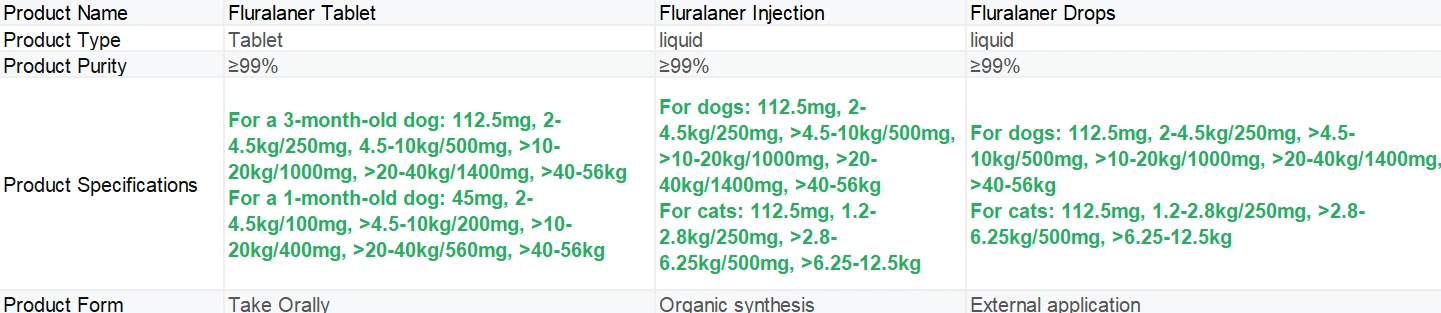
 |
 |
Fluralaner COA


Environmental fate and ecotoxicology of Fluralaner: a microscopic journey beyond the host and potential ripple effects
Fluralaner drops, as a new generation of isoxazoline insecticides, have been sold under the Bravecto brand since 2014. Since entering the pet deworming market, the brand has quickly become a benchmark product in the global pet medicine field with its 12 week shelf life and broad-spectrum insecticidal activity. However, with the expansion of its agricultural applications, its environmental fate and ecological toxicology issues have gradually become the focus of people's attention. The following is a detailed explanation of its content:
Molecular properties and mechanism of action of Frellana
Chemical Structure and Physical and Chemical Properties
The molecular formula of Frellana (CAS number: 864731-61-3) is C ₂ ₂ H ₁₇ Cl ₂ F ₆ N ∝ O ∝, with a molecular weight of 556.285 g/mol. Its core structure consists of one imidazole ring and two trifluoromethyl substituents. This unique structure endows it with the following characteristics:
High lipid solubility: LogP value of 5.959, easy to penetrate through biological membranes;
Strong protein binding rate: binding rate with plasma proteins>99%, widely distributed in animal bodies;
Environmental stability: The half-life (DT ₅₀) in sandy loam soil is 989 days, but only 3-4 days in aerobic water bodies.
Neurotoxic mechanism
Frellana selectively blocks insect gamma aminobutyric acid (GABA) receptors and glutamate gated chloride ion channels, interfering with neural signal transduction and leading to parasite overexcitation and death. Its target of action differs structurally from mammalian GABA receptors, making it safer for humans and pets. However, its NOEC for reproduction of aquatic invertebrates (such as Daphnia) is as low as 0.047 μ g/L, indicating significant interspecies sensitivity differences.
The environmental fate of Frellana: a microscopic journey from application to residue

Ways to enter the environment
Pet medication emissions: single oral dose of Bravecto ® After chewing the tablets, 90% of Frellana is excreted in its original form through feces and continuously released into the environment for up to 3 months;
Agricultural application migration: In the arid agricultural areas of northwest China, root application of microcapsule formulations enters the soil through drip irrigation systems, reducing the risk of surface runoff pollution by 60% compared to foliar spraying;
Production and waste: Unreacted intermediates during the production process of active pharmaceutical ingredients (such as fluoxetine) may enter water bodies through wastewater discharge.
Migration and transformation in environmental media
Soil System
Adsorption behavior: In sandy loam soil, the organic carbon adsorption coefficient (Koc) of Frellana is 10000-50000 mL/g, exhibiting strong adsorption properties. However, the microcapsule formulation (particle size 10-50 μ m) can delay its migration to deeper soil layers;


Degradation pathway: Photolysis is the main degradation method. Under ultraviolet light irradiation, the half-life of Frellana is shortened to 24 hours, generating hydroxylated metabolites (such as M1 and M2), which reduce its toxicity by 50% -70% compared to the original drug;
Bioaccumulation: The concentration factor (BCF) in earthworms is 10-50 L/kg, indicating a low risk of bioaccumulation, but long-term exposure may lead to changes in soil microbial community structure.
Water system
Dissolution and distribution: The solubility in pure water is only 0.0016 mg/L (25 ℃), but it is easily adsorbed onto suspended particles, resulting in the actual free state concentration in the water being lower than the detection limit;
Degradation kinetics: Under aerobic conditions, the DT ₅₀ of Frellana is 3-4 days, but it extends to 30 days in anaerobic sediments. Its metabolite M1 can be further converted into the persistent compound M3 in anaerobic environments;
Ecological exposure: Through the food chain transmission, the concentration of Frellana in fish can reach 100-1000 times the water concentration, and its chronic toxic effects on benthic organisms such as dragonfly larvae have not been fully evaluated.

Ecotoxicological effects of Frellana: ripples from individuals to ecosystems
Acute toxicity to non target organisms
| Biological Group | Acute toxicity index (LC ₅₀/LD ₅₀) | Risk level |
| Bees (Oral) | >100 μ g/bee | low risk |
| Bees (contact) | 150 μ g/bee | Medium Risk |
| Large Daphnia (breeding) | NOEC=0.047 μg/L | High Risk |
| Silkworm (edible) | LC ₅₀=1.2 mg/kg (mulberry leaves) | Medium Risk |
| Zebrafish (96h) | LC₅₀=0.8 mg/L | High Risk |
Chronic toxic effects and sublethal effects

Bee behavior and physiological changes
Learning and memory impairment: Bees exposed to 0.1 μ g/L Fluralaner Drops showed a 30% increase in error rate in olfactory conditioned reflex tests;
Decreased navigation ability: Through harmonic radar tracking, it was found that the homing time of bees in the processing group was doubled, and the homing rate was reduced by 40%;
Immunosuppression: Phenol oxidase activity in the hemolymph decreases by 50%, significantly reducing resistance to pathogens.
Population dynamics of aquatic organisms
Inhibition of Large Daphnia Reproduction: At a concentration of 0.01 μ g/L, the egg production of female Daphnia decreased by 50%, and the survival rate of larvae decreased by 30%;
Abnormal fish behavior: Zebrafish exhibit loss of phototaxis and reduced social behavior at a concentration of 0.5 μ g/L, which may affect their population dispersal ability;
Changes in benthic community structure: Long term exposure leads to an increase in the biomass of oligochaetes (such as water worms) and a decrease in the density of chironomid larvae, which may alter the material cycling at the sediment water interface.

Impact on soil ecosystem
Microbial functional disturbance: Fluremina inhibits soil ammonia oxidizing bacteria (AOB) activity, leading to a 20% -30% decrease in nitrification rate;
Reproductive toxicity of earthworms: At a soil concentration of 1 mg/kg, the cocoon production of earthworms decreased by 40%, and the survival rate of young earthworms decreased by 25%;
Plant microbe interaction disruption: Frellana interferes with the rhizosphere microbial community, reduces nitrogen fixation efficiency of legume rhizobia, and affects crop yield.
Environmental Risk Assessment and Management Strategy
Limitations of the existing evaluation system
Chronic toxicity data gap: Currently, only acute toxicity tests have been completed for bees, silkworms, and water fleas, lacking chronic toxicity data for earthworms and dragonfly larvae;
Neglecting the effects of mixed exposure: Fluremina is often compounded with insecticides such as chlorpyrifos and methomyl in agricultural settings, and its combined toxicity effects have not been systematically studied;
Regional specific risk underestimation: The soil residual concentration of root application forms in the northwest dryland agricultural area can reach 0.5 mg/L (safety threshold of 0.3 mg/L), but existing models do not consider the impact of climate factors on degradation rate.
Risk mitigation and management recommendations
Source control: Promote microcapsule formulations (with a shelf life of 45 days) to reduce medication frequency and surface runoff pollution;
Ecological compensation measures: Planting honey plants around agricultural areas to provide shelter for bees;
Monitoring and early warning: Establish a real-time monitoring network for Fluralaner Drops environmental concentration, combined with machine learning models to predict its migration and transformation patterns;
Policy driven: Starting from 2025, the Ministry of Agriculture and Rural Affairs will require pesticide labels to indicate the "risk level for bees/silkworms" and promote enterprises to optimize their formulations.
Clinical Efficacy and Applications
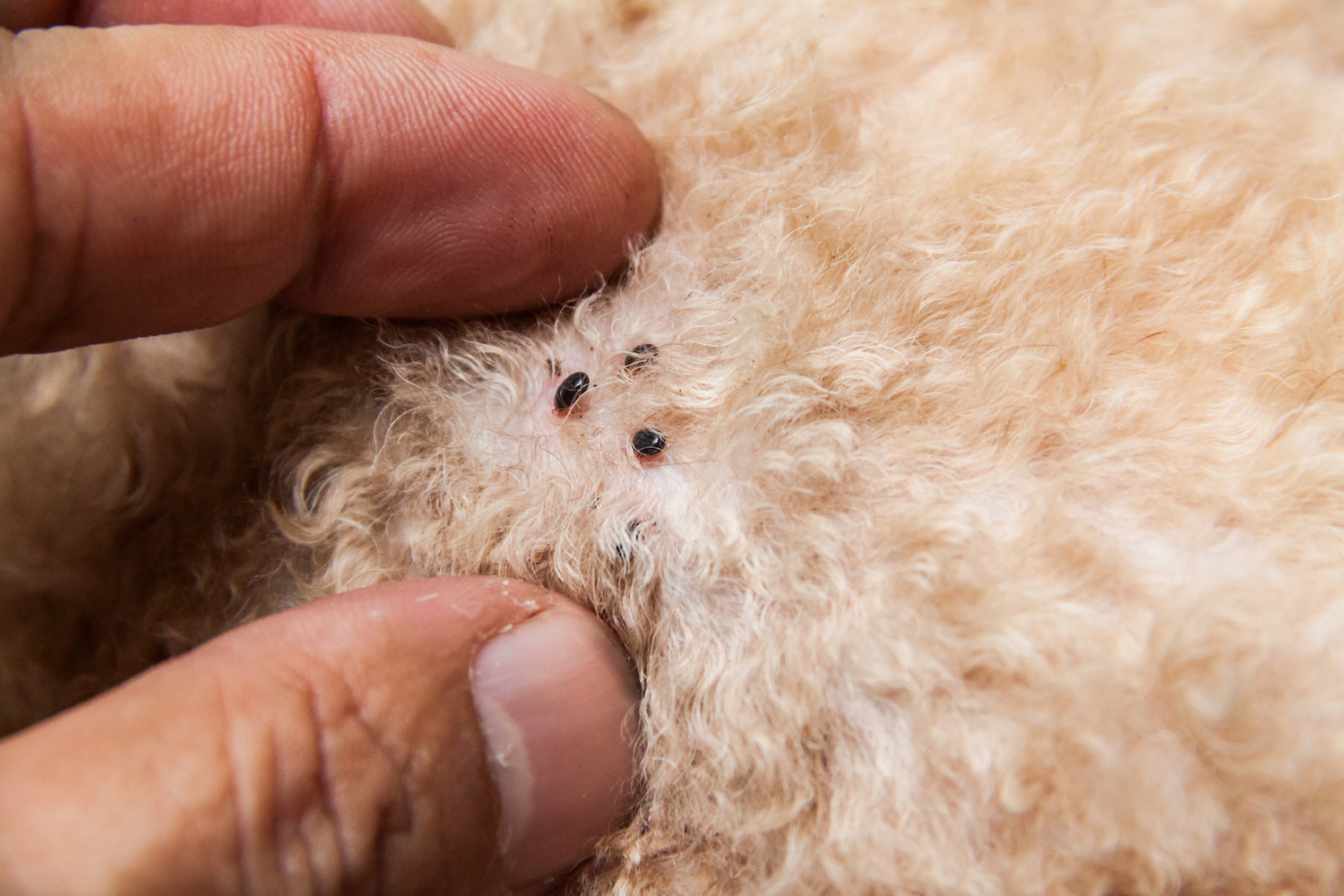
Treatment of Flea and Tick Infestations
Fluralaner drops are highly effective against fleas (Ctenocephalides felis) and ticks (Ixodes ricinus, Dermacentor reticulatus, Rhipicephalus sanguineus), providing rapid and sustained control. In a pivotal European field trial, a single topical application eliminated 100% of fleas within 12 hours and maintained efficacy for 12 weeks. Similarly, tick efficacy exceeded 95% throughout the dosing interval, with dead ticks detaching from hosts within 48 hours of attachment. This rapid action reduces the risk of tick-borne diseases such as Lyme borreliosis, ehrlichiosis, and anaplasmosis by minimizing the duration of parasite feeding.
Off-Label Uses in Mite Infestations
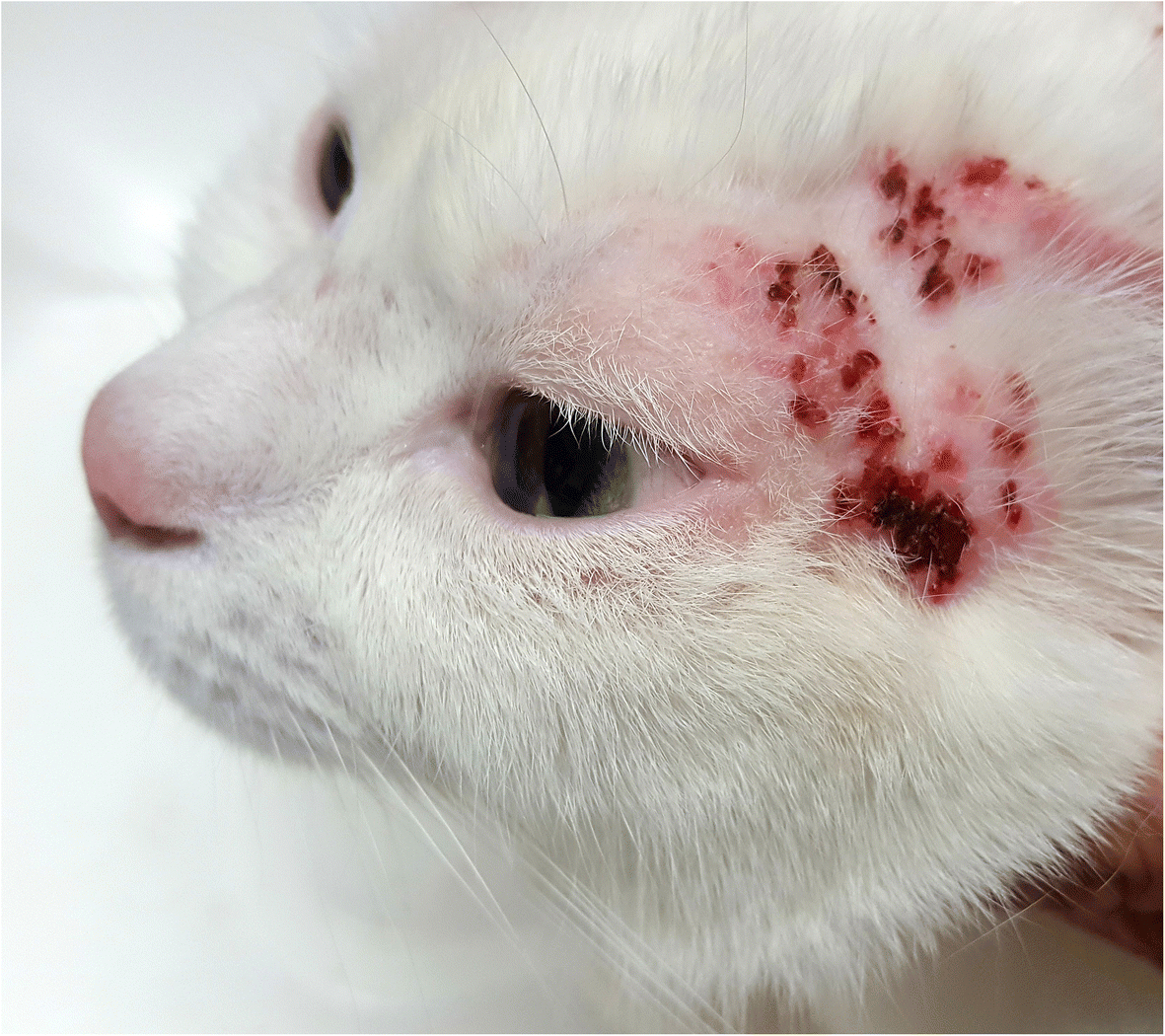
Beyond fleas and ticks, fluralaner drops are increasingly used off-label to treat mite infestations in dogs, cats, and exotic pets. Clinical studies demonstrate efficacy against Sarcoptes scabiei (sarcoptic mange), Demodex canis (generalized demodicosis), and Otodectes cynotis (ear mites). In a South African trial, dogs with generalized demodicosis treated with fluralaner drops achieved 100% mite elimination within 8 weeks, with clinical improvement in skin lesions and pruritus. Similarly, feline ear mite infestations resolved after a single topical application, with no recurrences observed during follow-up. These findings support fluralaner's role as a first-line therapy for mite-related dermatoses, particularly in cases refractory to traditional treatments.
Comparative Efficacy with Other Parasiticides
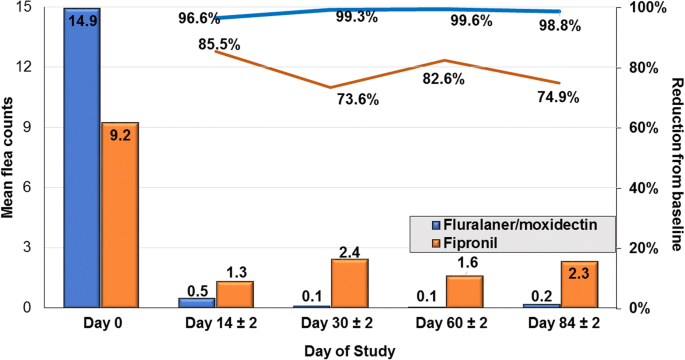
Fluralaner drops outperform many conventional acaricides in terms of duration of action and spectrum of activity. Compared to monthly topical products containing fipronil or imidacloprid, fluralaner's 12-week efficacy reduces the frequency of applications and owner compliance errors. In head-to-head trials, fluralaner demonstrated superior tick control against species resistant to older-generation drugs, such as the brown dog tick (R. sanguineus). Additionally, its dual action on GABA and glutamate receptors makes it effective against parasites with reduced susceptibility to single-target agents, enhancing treatment success in endemic regions.
Future research directions and challenges
Nanocarrier technology: using mesoporous silica nanoparticles to encapsulate Frellana, improving its targeting and reducing environmental release;
Biodegradable materials: Developing polylactic acid (PLA) microsphere formulations to achieve controlled release and self degradation of Frellana in soil.
Integrate the soil water atmosphere interface migration process and establish a Frellana lifecycle environmental fate model;
Combining machine learning algorithms to predict its degradation kinetics in different climate zones and soil types.
Using CRISPR/Cas9 technology to knock out key genes of GABA receptors in non target organisms, revealing the molecular basis of inter species sensitivity differences;
Conduct metagenomic research to elucidate the long-term effects of fluoroquinolones on soil microbial community function.
Frequently Asked Questions
Is fluralaner the same as ivermectin?
+
-
Fluralaner is a novel systemic ectoparasiticide for dogs providing immediate and persistent flea, tick and mite control after a single oral dose. Ivermectin has been used in dogs for heartworm prevention and at off label doses for mite and worm infestations
What is fluralaner used for?
+
-
Fluralaner is an active systemic parasiticide primarily used in veterinary medicine to treat and prevent infestations of fleas, ticks, and mites in companion animals and poultry. It paralyzes and kills target parasites by disrupting their nervous system
Is fluralaner toxic to dogs?
+
-
Conclusions. Oral administration of fluralaner at the highest recommended treatment dose (56 mg/kg) at 8-week intervals is well tolerated and has a safety margin of more than five in healthy dogs eight weeks of age or older and weighing at least 2 kg.
Hot Tags: fluralaner drops, suppliers, manufacturers, factory, wholesale, buy, price, bulk, for sale