


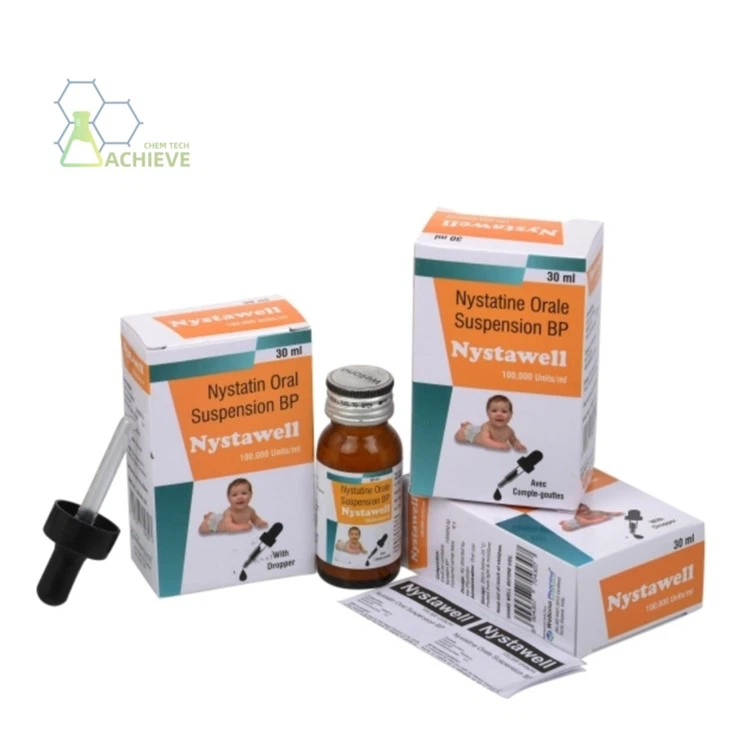

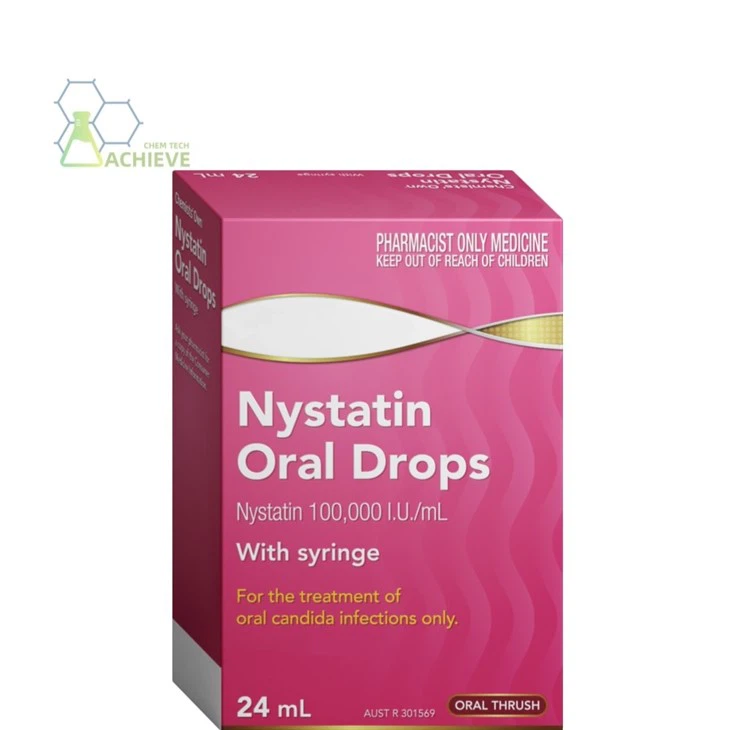
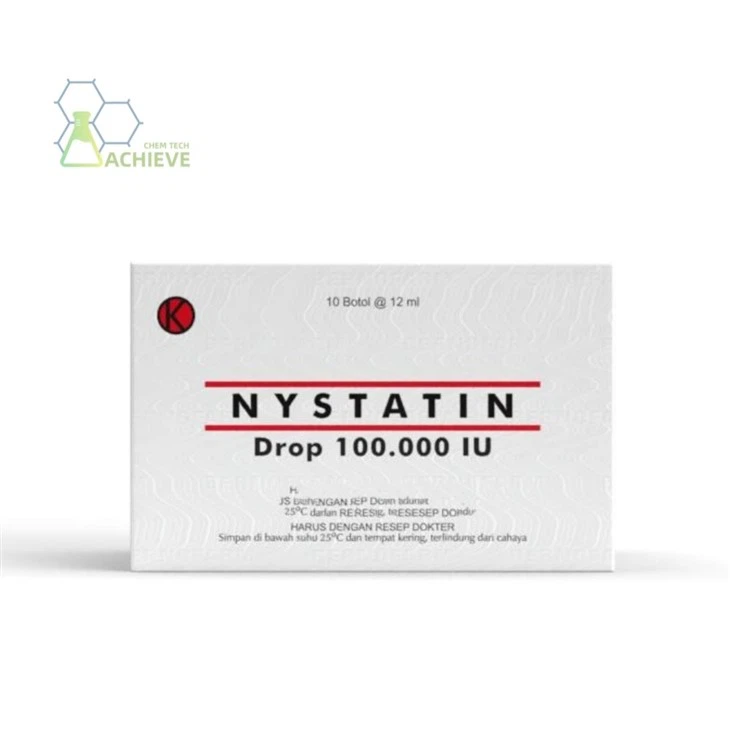
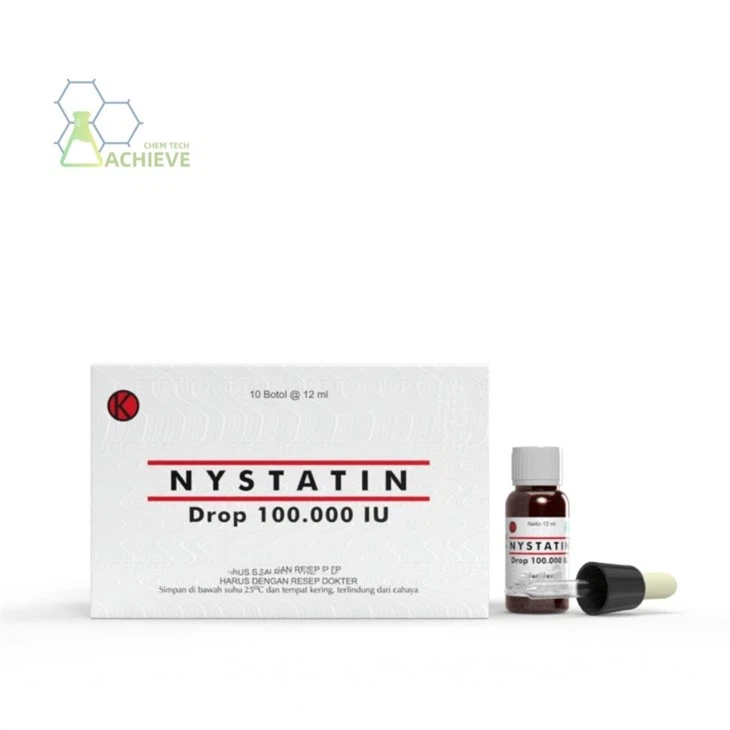



Shaanxi BLOOM Tech Co., Ltd. is one of the most experienced manufacturers and suppliers of nystatin drops in China. Welcome to wholesale bulk high quality nystatin drops for sale here from our factory. Good service and reasonable price are available.
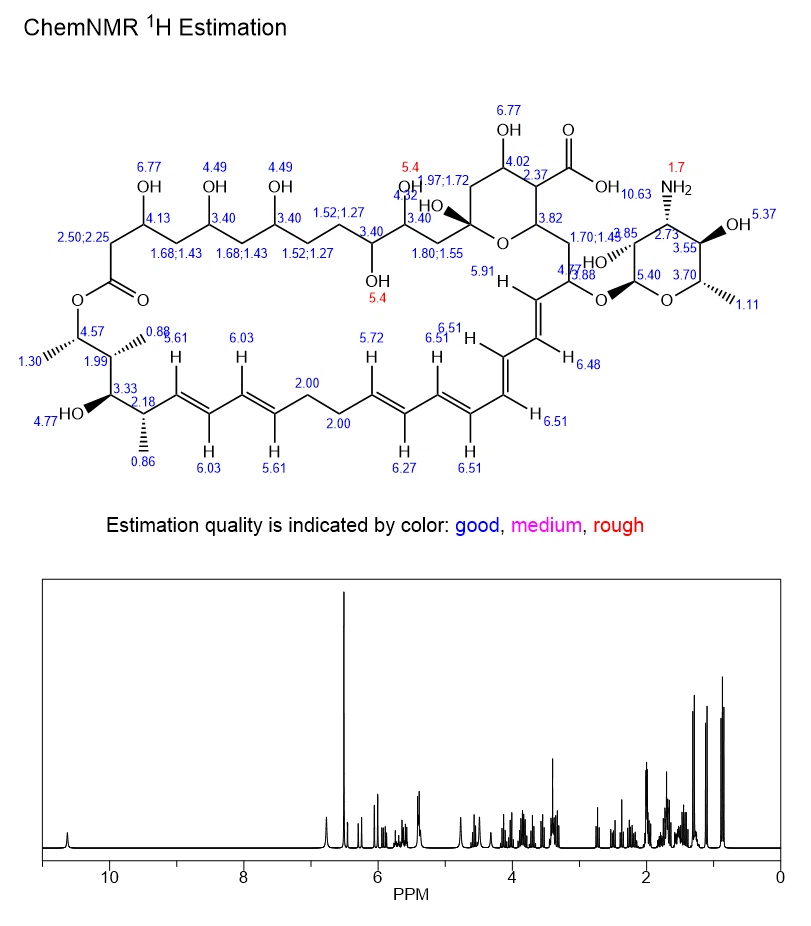
Nystatin Drops can be divided into two dosage forms: eye drops and oral drops, depending on the route of administration and indications. The former is mainly used for fungal infections on the ocular surface, while the latter targets mucosal candidiasis in the oral cavity, digestive tract, and other areas. It is a polyene antifungal antibiotic that has become a classic drug for treating fungal infections since its isolation and discovery from Streptomyces noursei in 1950. Its chemical structure is conjugated polyene macrolide, which binds to ergosterol in the fungal cell membrane, changes the permeability of the cell membrane, causes the efflux of important substances such as potassium ions from the cell, and ultimately triggers fungal cell death. This drug has a strong inhibitory effect on common pathogenic fungi such as Candida and Cryptococcus, but is inactive against bacteria, viruses, and human cells, making it relatively safe.
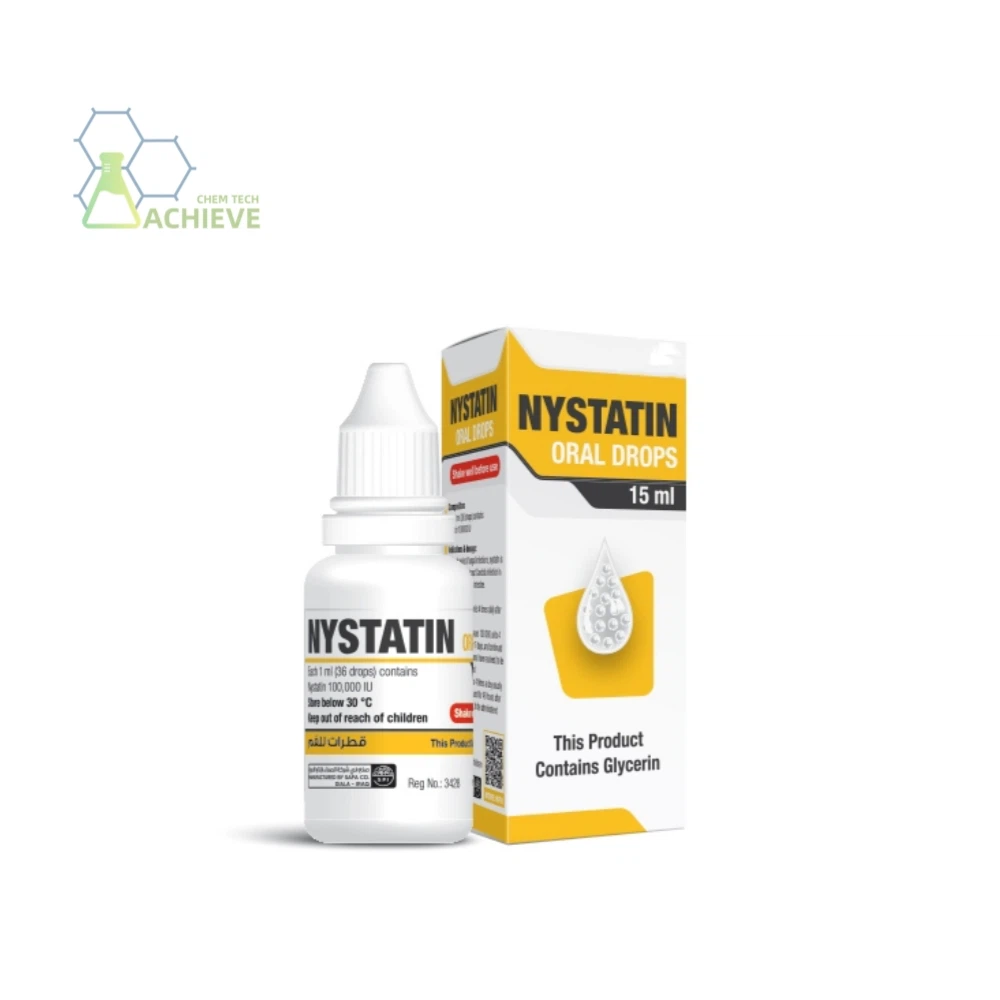
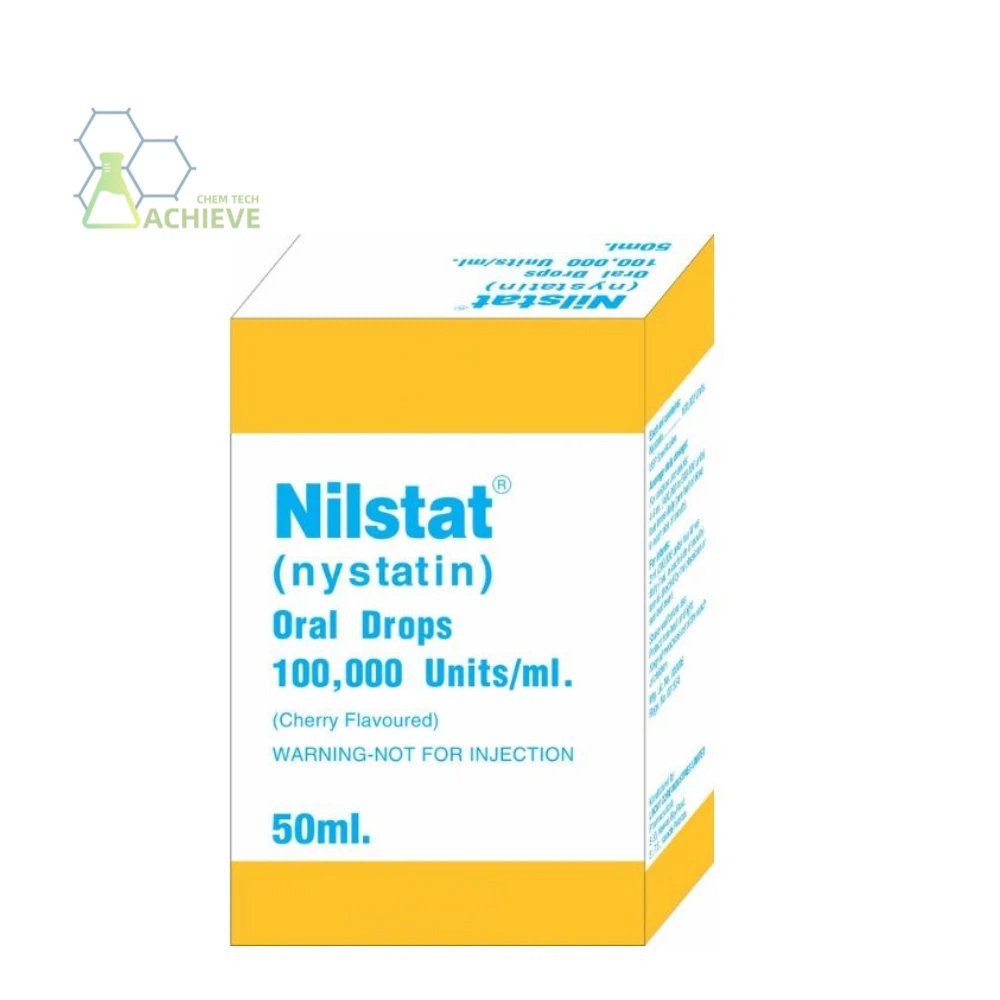
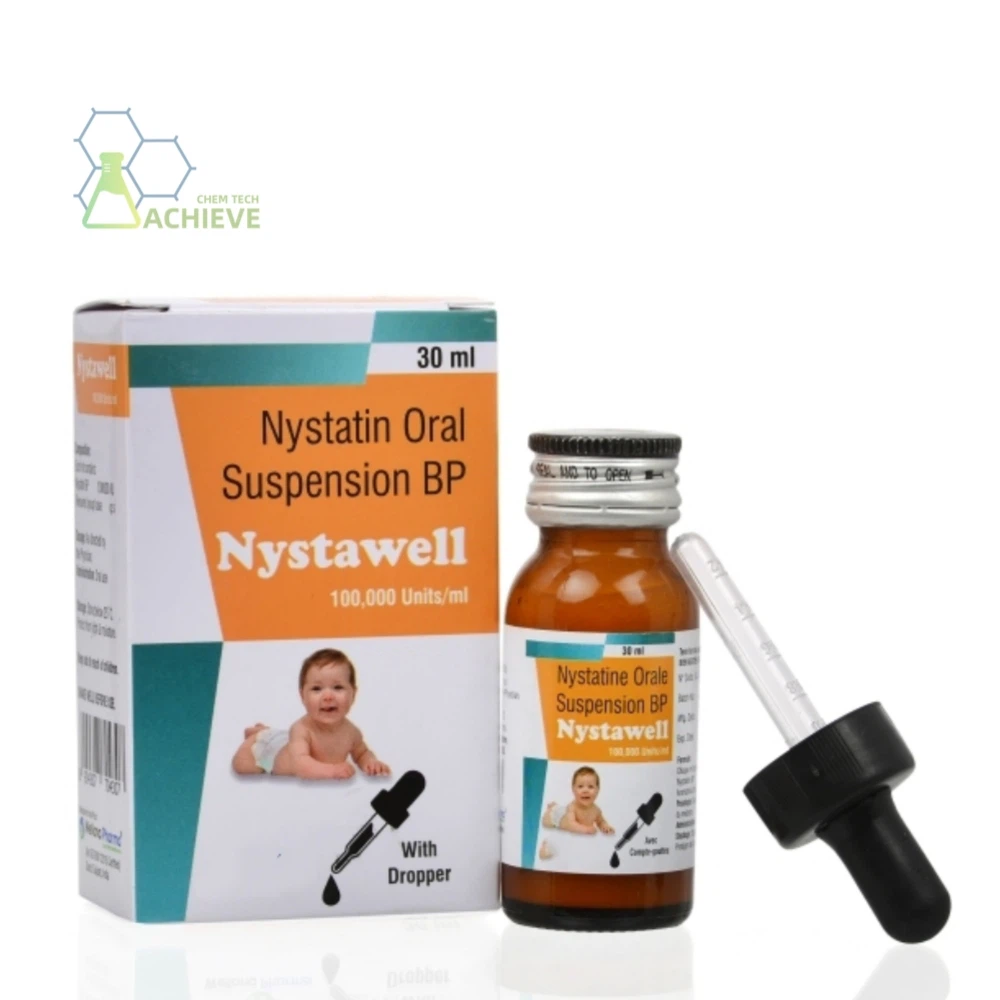

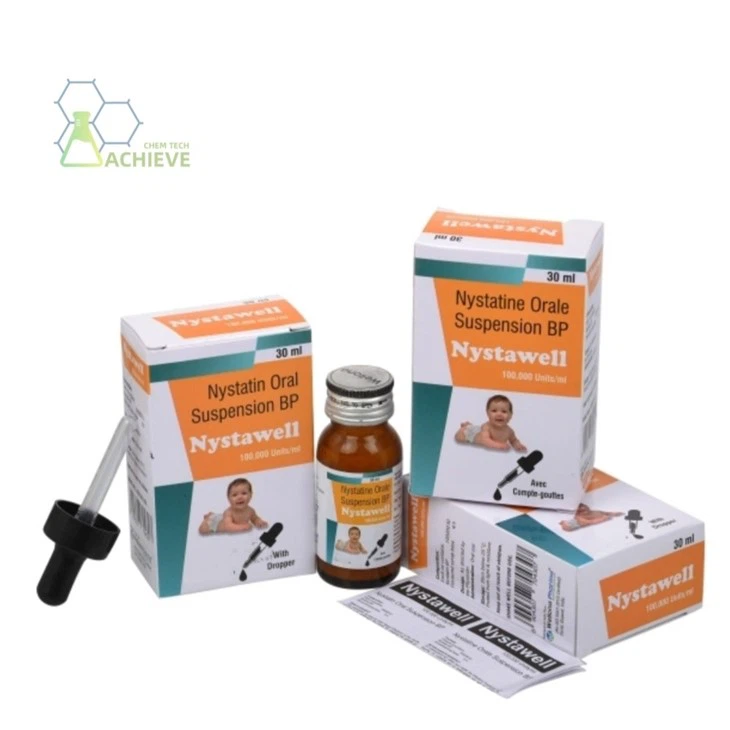
Additional information of chemical compound:
| Product Name | Nystatin Powder | Nystatin Drops | Nystatin Cream | Nystatin Tablets |
| Product Type | Powder | Drops | Cream | Tablet |
| Product Purity | ≥99% | ≥99% | ≥99% | ≥99% |
| Product Specifications | Customizable | Customizable | Customizable | Customizable |
| Product Package | Customizable | Customizable | Customizable | Customizable |
Our product form

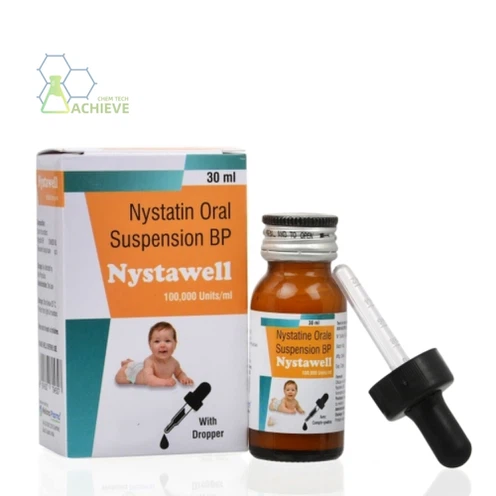
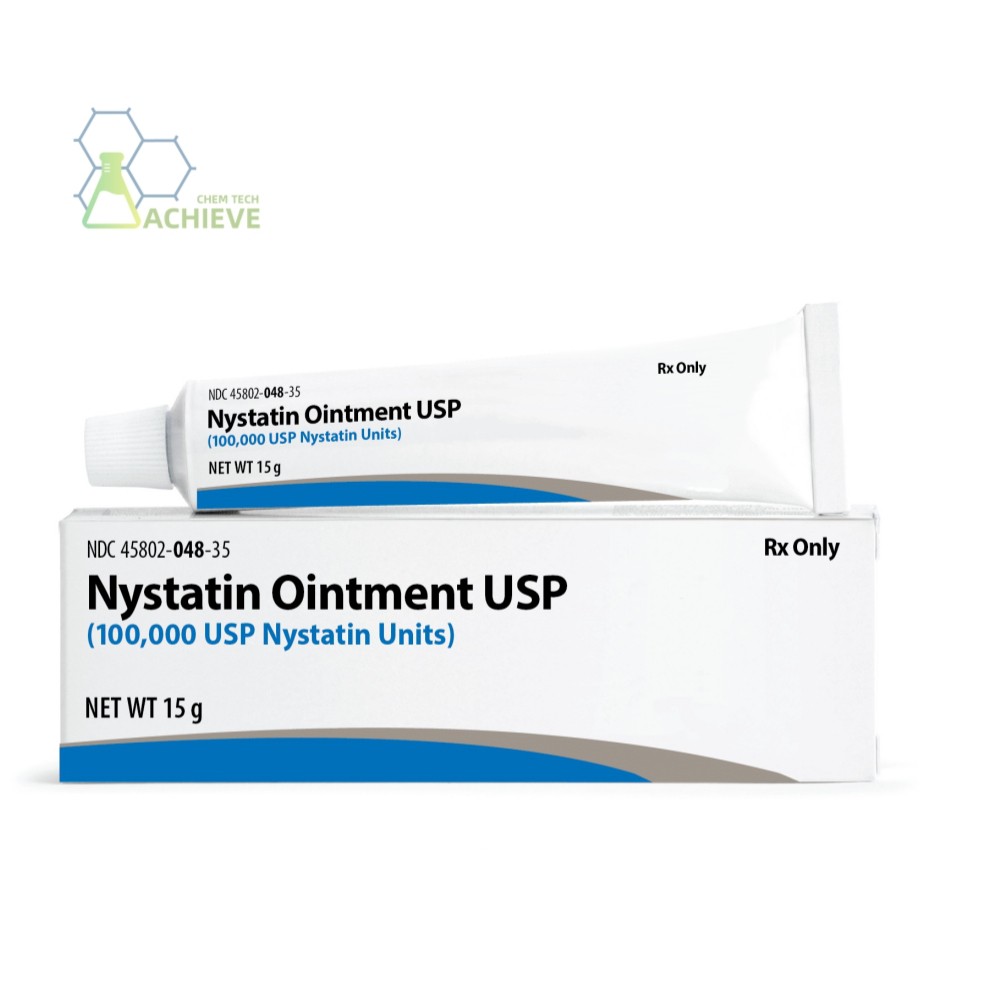
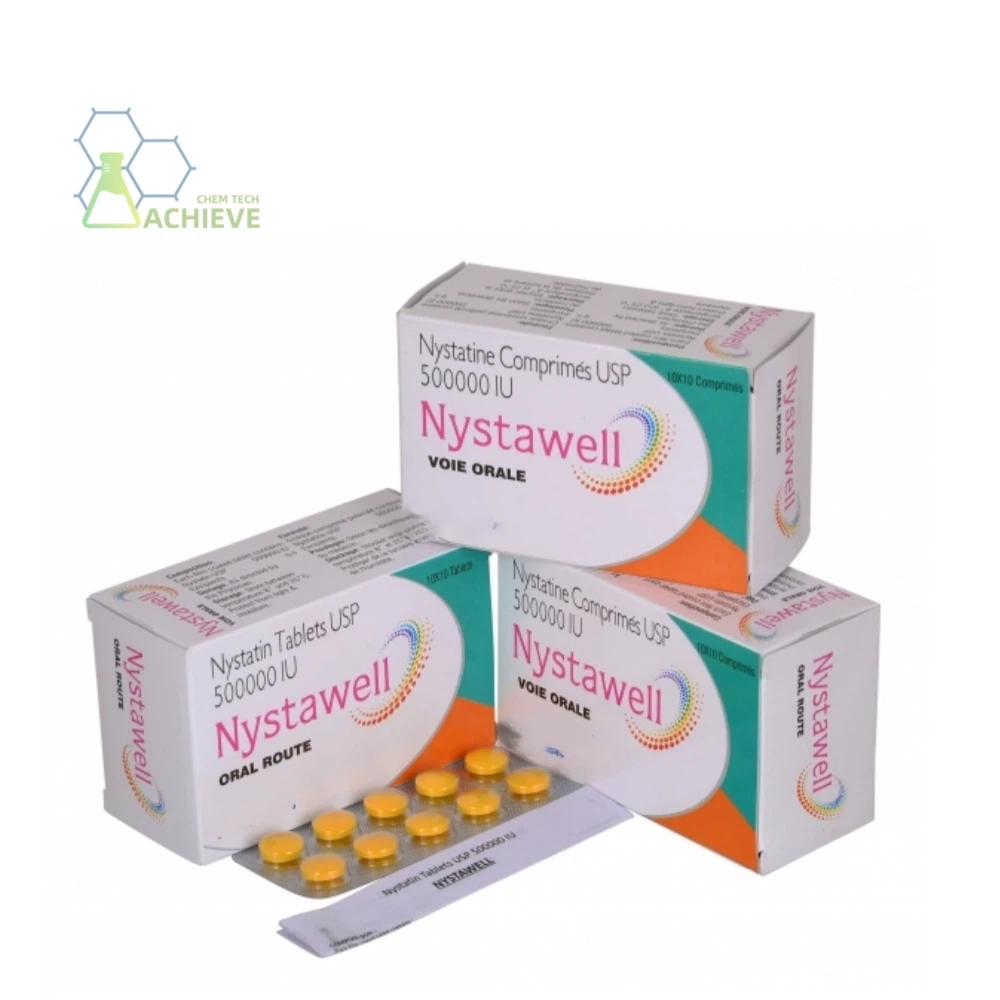
Nystatin +. COA
 |
||
Certificate of Analysis |
||
|
Compound name |
Nystatin | |
|
CAS No. |
1400-61-9 | |
|
Grade |
Pharmaceutical grade | |
|
Quantity |
Customized | |
|
Packaging standard |
Customized | |
| Manufacturer | Shaanxi BLOOM TECH Co., Ltd | |
|
Lot No. |
20250109001 |
|
|
MFG |
Jan 12th 2025 |
|
|
EXP |
Jan 8th 2029 |
|
|
Structure |
|
|
| TEST STANDARD | GB/T24768-2009 Industry. Stnndard | |
|
Item |
Enterprise standard |
Analysis result |
|
Appearance |
White or almost white powder |
Conformed |
|
Water content |
≤4.5% |
0.30% |
| Loss on drying |
≤1.0% |
0.15% |
|
Heavy Metals |
Pb≤0.5ppm |
N.D. |
|
As≤0.5ppm |
N.D. | |
|
Hg≤0.5ppm |
N.D. | |
|
Cd≤0.5ppm |
N.D. | |
|
Purity (HPLC) |
≥99.0% |
99.5% |
|
Single impurity |
<0.8% |
0.48% |
|
Residue on ignition |
<0.20% |
0.064% |
|
Total microbial count |
≤750cfu/g |
80 |
|
E. Coli |
≤2MPN/g |
N.D. |
|
Salmonella |
N.D. | N.D. |
|
Ethanol (by GC) |
≤5000ppm |
400ppm |
|
Storage |
Store in a sealed, dark and dry place at-20 degrees |
|
|
|
||



Nystatin Drops, as a classic antifungal drug, has become one of the preferred drugs for treating mucocutaneous candidiasis since its first approval in Canada in 1971. Its core mechanism of action is to bind with ergosterol in the fungal cell membrane, disrupt membrane permeability, and cause leakage of cellular contents leading to cell death. According to dosage form differences, Drops can be divided into two categories: eye drops and oral drops, targeting fungal infections on the ocular surface and mucosal candidiasis in the digestive tract, oral cavity, and other areas. From a clinical application perspective, the following systematically summarizes its indications and treatment points.
1. Fungal keratitis
Pathogenic characteristics: Caused by filamentous fungi such as Fusarium and Aspergillus, commonly found in agricultural trauma or corneal contact lens wearers.
Clinical manifestations: Corneal ulcer with satellite lesions, anterior chamber abscess, and mild pain and irritation symptoms compared to bacterial keratitis.
Therapeutic mechanism: Nystatin eye drops exert antibacterial effects by altering fungal cell membrane permeability, but due to poor corneal barrier penetration, high-frequency administration (once per hour) is required to maintain effective concentration on the ocular surface.


Clinical evidence: The Canadian NILSTAT Oral Drops (100000 U/mL) instructions clearly state that the preparation can be used for ocular surface fungal infections, but it needs to be combined with fluconazole eye drops (twice daily) to improve efficacy.
Attention: Subcnjunctival injection of Nystatin exceeding 200U/time may cause conjunctival necrosis, so local eye drops are preferred in clinical practice.
2. Fungal conjunctivitis
High risk factors: Long term use of corticosteroid eye drops, immunosuppression status (such as HIV infection, after organ transplantation).
Diagnostic key points: Conjunctival congestion accompanied by cheesy discharge, and corneal scraping microscopy reveals hyphae.
Treatment plan: Nystatin eye drops (100000 U/mL) 4 times a day for 2-4 weeks. After symptom relief, the treatment needs to be maintained until 48 hours after the culture turns negative.
Combination therapy: For critically ill patients, miconazole eye ointment (3 times a day) can be used in combination to enhance drug penetration through its lipophilicity.
3. Preventive medication
Applicable scenarios:
After corneal transplantation (especially penetrating keratoplasty)
Long term use of broad-spectrum antibiotic eye drops
After implantation of artificial eye socket
Medication plan: Nystatin eye drops twice a day, lasting until the end of the high-risk period (usually 4-6 weeks).

Indications for oral drops: cornerstone treatment for gastrointestinal and oral candidiasis

1. Oral candidiasis (thrush)
Epidemiology: High incidence in infants and young children (due to immature immune system), elderly people (due to reduced saliva secretion), and HIV infected individuals (CD4+T cells<200/μ L).
clinical manifestation:
Infants and young children: white patches on the cheek mucosa and tongue surface, with erythema observed after forcibly erasing
Adults: cracked mouth corners, loss of taste, swallowing pain
Treatment principle:
Infants and young children: 1mL (100000 U) each time, 4 times a day, drip into the mouth and keep rinsing for 30 seconds
Adults: 2mL (200000 U) each time, 4 times a day, taken after meals to reduce gastrointestinal irritation
Course of treatment: Continue medication for 48 hours after symptoms disappear to prevent recurrence.
Clinical evidence: The DailyMed database shows that Nystatin oral suspension has an effective rate of 85% -90% in treating oral candidiasis, but caution should be taken to avoid co administration with aluminum containing antacids (metal ions can reduce drug activity).
2. Dental stomatitis
Pathogenesis: Candida colonization on the surface of denture base leads to mucosal inflammation.Key points of treatment:
Remove dentures before bedtime every day and soak them in a 2% sodium bicarbonate solution
Nystatin drops (2mL each time) should be dropped onto the surface of the denture base and worn before waking up the next morning

Custom Notebook Solutions

Combination use of chlorhexidine mouthwash (0.12%) twice daily to enhance antibacterial spectrum coverage.
3. Esophageal candidiasis
High risk groups: AIDS patients (CD4+T cells<100/μ L), long-term use of proton pump inhibitors, blood tumor chemotherapy patients.
Clinical manifestations: Dysphagia, pain behind the sternum, and visible white pseudomembrane under endoscopy.
Treatment plan:
Mild symptoms: Drops (500000 U each time, 4 times a day) taken orally for 14-21 days
Severe: Oral administration of fluconazole (200mg/day) in combination until 7 days after symptom relief
Attention: The possibility of concomitant cytomegalovirus esophagitis should be ruled out, and viral load testing should be performed if necessary.
4. Gastrointestinal candidiasis
Rare cases: often occur in patients with severe immune suppression (such as after solid organ transplantation, long-term use of glucocorticoids>20mg/day).
Diagnostic criteria:
Gastroscopy/colonoscopy biopsy shows hyphae
Stool culture positive for Candida
Exclude infections caused by other pathogens
Treatment options:
Drops (1 million U each time, 4 times a day) orally, combined with fluconazole (400mg/day) intravenous infusion
The treatment course needs to be extended to 4-6 weeks and liver and kidney function should be monitored.


5. Preventive medication
Applicable scenarios:
Organ transplant recipients (especially lung transplant, small intestine transplant)
During the induction chemotherapy of hematological tumors
Long term use of broad-spectrum antibiotics (>7 days)
Medication plan: Drops (200000 U each time, 3 times a day) orally, lasting for 1 week after the end of the high-risk period.
1. Vaginal candidiasis
Background of treatment: Although not the standard indication for drops, oral drops are often used for vaginal flushing in clinical practice.
Medication plan:
Dilute 10mL of drops (1 million U) in 50mL of warm water
Vaginal irrigation once a day for 7 days
Evidence of therapeutic effect: According to data from the Quick Ask Doctor platform, the cure rate of this regimen is about 70%, but it needs to be combined with clotrimazole suppositories (500mg, single vaginal administration) to improve efficacy.
2. Candidiasis of the skin
Applicable scenarios:
Diaper rash combined with Candida infection
Finger erosion type tinea pedis
Treatment plan:
Apply drops and zinc oxide ointment (1:1 mixture) externally 3 times a day, treatment for 2 weeks


Mechanism analysis: Zinc oxide can form a protective film, enhancing the local retention time of drugs.
3. Combined antifungal therapy
Treatment of drug-resistant strains:
For fluconazole resistant Candida albicans, drops (oral) and voriconazole (200mg, twice daily) can be used in combination
The treatment course needs to be extended to 4-6 weeks, and liver and kidney function should be regularly monitored
Synergistic mechanism: Nystatin can enhance intracellular permeability of azole drugs by disrupting fungal cell membranes.
Nystatin Drops play an irreplaceable role in the treatment of ocular and mucosal fungal infections due to their high efficiency, low toxicity, and low cost. Its indications cover a wide range of fields, from common oral candidiasis to rare gastrointestinal candidiasis, and its clinical application boundaries are continuously expanded through dosage form innovation, such as nano formulations and liposome encapsulation.

Usage, dosage and administration plan
1. Usage of eye drops
Concentration and dosage form: Clinically commonly used 100000 U/mL suspension or 100000 U/g eye ointment.
Eye pointing plan:
Acute infection: 1-2 drops per hour, gradually reduced to 4 times a day after symptom control.
Chronic infection: Take 1 drop 4 times a day for 2-4 weeks.
Combination therapy: It can be used alternately with fluconazole eye drops (twice a day) or miconazole eye ointment to enhance efficacy.
Subcnjunctival injection: only used for severe infections, 1000U per injection, should be performed by a professional physician to avoid complications such as conjunctival necrosis.
2. Usage of oral drops
Dosage form and specifications: Oral drops are usually a yellow suspension of 100000 U/mL, containing a vanilla sweetener to improve taste.
Dosage plan:
Infants and young children: 1mL (100000 U) each time, 4 times a day, drip into the mouth and rinse for 30 seconds before swallowing.
Children and adults: 2mL (200000 U) each time, 4 times a day, taken after meals to reduce gastrointestinal irritation.
Severe infection: The dosage can be increased to 500000 U per dose, 4 times a day, but adverse reactions need to be monitored.
Medication tips:
Shake thoroughly before use to ensure even distribution of the medication.
After dripping into the mouth, avoid drinking or eating immediately to prolong the contact time between the medication and the mucous membrane.
Denture wearers need to remove their dentures before medication, clean them, and soak them in a 2% sodium bicarbonate solution.
Adverse reactions and safety
1. Adverse reactions of eye drops
Local stimulation: About 10% -20% of patients may experience transient conjunctival congestion, burning sensation, or foreign body sensation, which usually resolves on its own within 1-2 weeks after medication.
Conjunctival injury: Subcnjunctival injection doses exceeding 200U per injection may lead to conjunctival necrosis, so strict control of injection doses is necessary.
Allergic reactions: Rare, but may cause contact dermatitis or allergic conjunctivitis, manifested as redness, itching, and eyelid edema, requiring immediate discontinuation of medication and anti allergic treatment.
2. Drug interactions
Oral drops:
Synergistic effect: Combined with broad-spectrum antibiotics (such as cephalosporins) can prevent fungal secondary infections.
Antagonistic effect: Avoid taking antacids containing aluminum and magnesium together, as metal ions can bind to Nystatin Drops and reduce absorption rate.
Eye drops:
Synergistic effect: Combination with azole antifungal drugs such as fluconazole and voriconazole can enhance therapeutic efficacy.
Antagonistic effect: Avoid long-term combination with corticosteroid eye drops, as the latter may inhibit local immune responses and worsen fungal infections.
Special Populations

Pregnant Women
The safety of nystatin drops during pregnancy has not been extensively studied. However, based on the limited available data and the low systemic absorption of nystatin when used topically or orally, it is generally considered safe for use in pregnant women when the benefits outweigh the potential risks. Pregnant women should consult their healthcare provider before using nystatin drops to discuss the potential risks and benefits.
Breastfeeding Women
Nystatin is not expected to be excreted in significant amounts in breast milk when used orally. Therefore, it is generally considered safe for use in breastfeeding women. However, it is important to monitor the infant for any signs of adverse reactions, such as diarrhea or rash, and to consult a healthcare provider if any concerns arise.


Pediatric Patients
Nystatin drops are commonly prescribed for pediatric patients, including infants and young children, for the treatment of oral candidiasis. The dosage is usually adjusted based on body weight or age, and the suspension can be easily administered using a clean finger or a cotton swab. Pediatric patients should be closely monitored for any signs of adverse reactions, and parents or caregivers should be instructed on the proper administration technique and dosage.
Elderly Patients
Elderly patients may be more susceptible to the side effects of nystatin drops, especially gastrointestinal symptoms such as nausea and diarrhea. Therefore, it is important to start with a low dosage and gradually increase as tolerated. Elderly patients should also be monitored for any signs of dehydration or electrolyte imbalances, which can occur as a result of gastrointestinal side effects.

Hot Tags: nystatin drops, suppliers, manufacturers, factory, wholesale, buy, price, bulk, for sale