




Bethanechol Cream is a cholinergic drug by its pharmacological composition and can directly stimulate muscarinic acetylcholine receptors (mAChR). When formulated as a cream, it can stimulate cholinergic receptors in local tissues through topical application. It is clinically used for cases of local smooth muscle dysfunction. For example, in some patients with weakened bladder detrusor muscle contraction due to local neurogenic dysfunction, topical application of the cream can stimulate the mAChR on the bladder detrusor muscle, thereby enhancing detrusor contraction and helping improve voiding function. Regarding the gastrointestinal tract, when applied to areas with slowed local gastrointestinal motility, it can promote gastrointestinal motility, contributing to the relief of local symptoms such as indigestion and abdominal bloating.
The dosage form is cream, but there is currently no widely recognized unified specification. The specifications of cream are usually set based on factors such as drug concentration and packaging capacity. For example, there may be different concentrations of cream, such as 1%, 2%, etc., and packaging capacities may also come in various sizes such as 10g, 20g, 30g, etc., to meet the needs of different conditions and patients. However, these specifications are only based on speculation of general cream formulations, and the specific Bethanechol Cream specifications need to be determined based on actual production and clinical application.

Our product


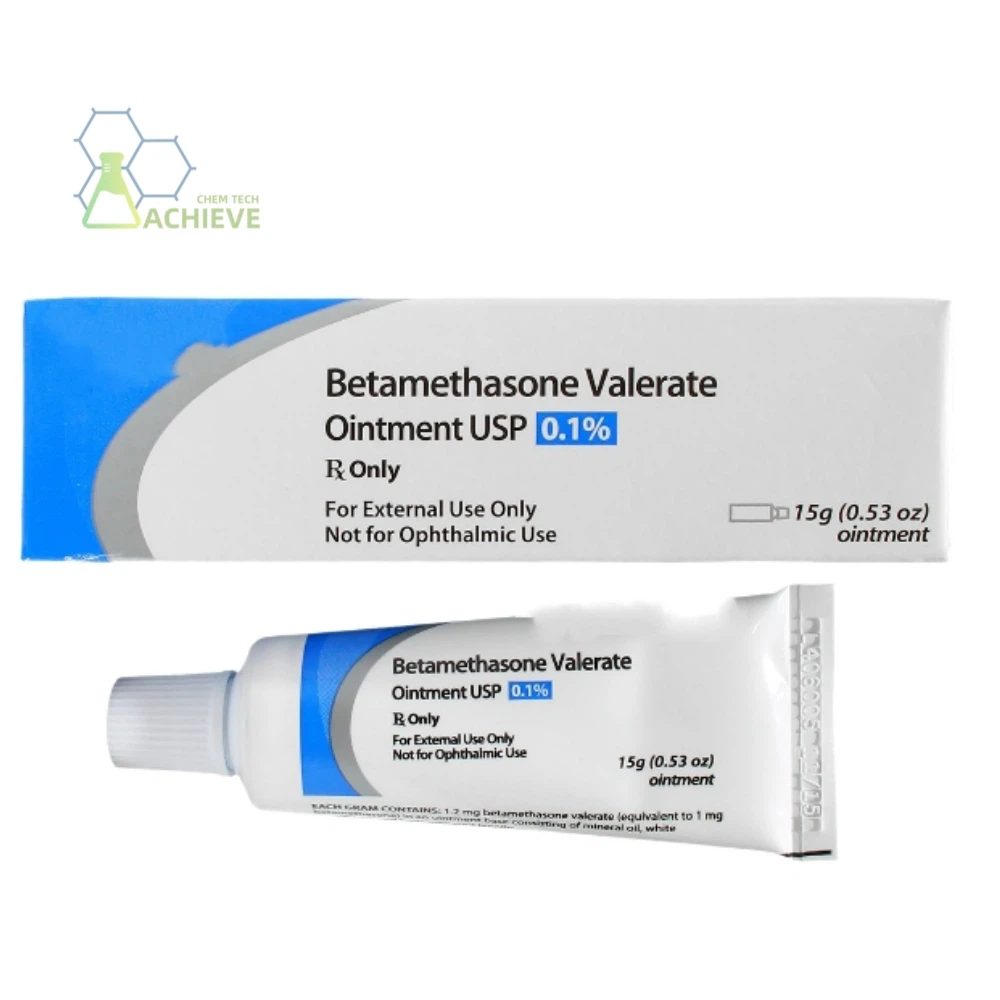


Additional information of chemical compound:

Our Product


Bethanechol+. COA


Pharmacological effects and characteristics
(1) Interaction with anticholinesterase drugs
Mechanism of action: Anticholinesterase drugs such as Neostigmine can inhibit cholinesterase activity, reduce the hydrolysis of acetylcholine, and thus increase the concentration of acetylcholine in synaptic cleft.
Clinical impact: May cause excessive contraction of gastrointestinal smooth muscles, leading to adverse reactions such as abdominal pain, diarrhea, nausea, vomiting, etc; In terms of the urinary system, it may cause excessive contraction of the bladder detrusor muscle, leading to frequent urination, urgency, pain during urination, and even urinary incontinence; It may also cause bronchial smooth muscle contraction, trigger or worsen asthma attacks, and lead to cardiovascular adverse reactions such as slowed heart rate and decreased blood pressure. Response measures: The combination of the two should be avoided. If it is necessary to use them in combination, the patient's symptoms and signs should be closely monitored, and the drug dosage should be adjusted or discontinued according to the severity of adverse reactions.


(2) Interaction with M receptor antagonists
Mechanism of action: M receptor antagonists such as atropine and scopolamine can block mAChR and inhibit the effects of cholinergic neurons. When used in combination with Bethanecol, it antagonizes the effects of Bethanecol and reduces its therapeutic efficacy.
Clinical impact: If M receptor antagonists are used simultaneously in the treatment of gastrointestinal atony, urinary retention and other diseases, Bethanecol may not effectively play the role of promoting gastrointestinal motility and bladder detrusor contraction, resulting in poor treatment effect.
Response measures: Avoid using both drugs simultaneously. If the patient is currently using an M receptor antagonist, it should be discontinued for a period of time, depending on the half-life of the drug and the patient's condition.
(1) Interaction with smooth muscle relaxants
Mechanism of action: Smooth muscle relaxants such as nifedipine, verapamil, and other calcium channel blockers can inhibit the entry of calcium ions into smooth muscle cells, leading to smooth muscle relaxation. Bethanecol induces smooth muscle contraction by stimulating mAChR, while the two have opposite effects.
Clinical impact: when used together, it may offset the efficacy of each other, affecting the therapeutic effect of gastrointestinal relaxation, urinary retention and other diseases. For example, in the treatment of gastrointestinal laxity, the promoting effect of Bethanecol on gastrointestinal motility may be weakened by smooth muscle relaxants, resulting in slow recovery of gastrointestinal motility.
Response measures: Try to avoid using both drugs together. If they must be used in combination, closely observe the patient's condition changes and adjust the drug dosage according to the treatment effect.


(2) Interaction with drugs that affect uterine smooth muscle
Mechanism of action: Certain drugs such as oxytocin can stimulate uterine smooth muscle, while Bethanecol also has a certain excitatory effect on uterine smooth muscle. The combination of the two may enhance the stimulation of uterine smooth muscle, leading to excessive uterine contractions.
Clinical impact: In obstetrics, it may cause serious complications such as fetal distress and uterine rupture. Especially in pregnant or postpartum women, caution should be exercised when using it.
Response measures: For pregnant and postpartum women, the combination of Bethanecol and oxytocin should be avoided. If it is necessary to use it due to the condition, it should be carried out under close monitoring and corresponding first aid preparations should be made.

(2) Interaction with digitalis drugs
Mechanism of action: Digitalis drugs such as digoxin can enhance myocardial contractility and slow down heart rate. The bradycardia caused by Bethanecol may be combined with the effects of digitalis drugs, increasing the risk of cardiac arrest.
Clinical impact: May lead to arrhythmia, such as bradycardia, atrioventricular block, etc., which can be life-threatening in severe cases.
Response measures: Bethaechol should be avoided in patients using digitalis drugs. If it is necessary to use due to the condition, closely monitor changes in electrocardiogram and adjust medication dosage in a timely manner.
(1) Interaction with antipsychotic drugs
Mechanism of action: Some antipsychotic drugs such as chlorpromazine have anticholinergic effects and can block mAChR. When used in combination with Bethanecol, it antagonizes the effects of Bethanecol.
Clinical impact: reduce the efficacy of Bethanecol in the treatment of gastrointestinal atony, urinary retention and other diseases.
Response measures: Avoid using both at the same time. If the patient is using antipsychotic drugs, the treatment plan should be adjusted under the guidance of a doctor.

Custom Notebook Solutions

(2) Interaction with antihistamines
Mechanism of action: First generation antihistamines such as diphenhydramine have anticholinergic effects and can block mAChR. Combination with Bethanecol can produce antagonistic effects.
Clinical impact: Affects the efficacy of Bethanecol and reduces the therapeutic effect.
Response measures: Try to avoid using both drugs together. If they must be used in combination, closely observe the patient's condition changes and adjust the drug dosage according to the treatment effect.

usage and dosage
This medication is for external use only. Apply strictly to the affected area as directed in the instructions. Before use, clean the affected area thoroughly, dry it, and ensure it remains intact and undamaged. Apply an appropriate amount of cream evenly to the affected area, then gently massage for a short time to allow absorption. Avoid contact with mucous membranes such as the eyes, mouth, and nasal passages to prevent irritation.
There is currently no unified dosage standard, and the dosage may vary depending on factors such as the patient's condition, age, weight, location and area of the lesion. Generally speaking, doctors will develop personalized medication plans based on the specific situation of patients. For example, for patients with smaller lesion areas, a small amount of cream may be used each time; For patients with larger lesion areas or more severe conditions, it may be necessary to increase the dosage appropriately. Usually, the daily usage frequency may be 2-4 times, but the specific frequency should follow the doctor's advice.
The frequency and duration of medication should be adjusted according to the patient's condition changes and treatment response. In the early stages of treatment, frequent medication may be necessary to control symptoms as soon as possible. As the condition improves, the frequency of medication can gradually decrease. The length of treatment also varies depending on the disease, and some acute diseases may stop taking medication after the symptoms are relieved in a short period of time; For some chronic diseases, long-term maintenance treatment may be necessary. Doctors will regularly assess the patient's condition and decide whether to continue medication or adjust treatment plans.
Frequently Asked Questions
How to stop waking up to pee?
+
-
To stop waking up to pee (nocturia), limit fluids, caffeine, and alcohol for a few hours before bed, urinate right before sleeping, and elevate your legs in the evening to reduce fluid buildup; if lifestyle changes don't help, see a doctor to rule out underlying issues like sleep apnea or overactive bladder.
What is the best medication for urinary incontinence?
+
-
There's no single "best" medication for urinary incontinence (UI); it depends on the type (urge, stress, mixed) and cause, but common options include anticholinergics (oxybutynin, tolterodine, solifenacin) and beta-3 agonists (mirabegron) for overactive bladder, relaxing the bladder muscle, while SNRIs (duloxetine) help stress incontinence by strengthening pelvic floor signals, and alpha-blockers (tamsulosin) aid men with prostate issues. Topical estrogen can also help women, and Botox injections are used for severe cases.
Is peeing every 2 hours normal?
+
-
Peeing every 2 hours (or 10-12 times a day) can be normal if you're drinking lots of fluids, pregnant, or taking diuretics, but it's more frequent than the typical 6-8 times daily and might signal overactive bladder (OAB) or another issue if it disrupts life or comes with other symptoms like urgency or pain, warranting a doctor's visit to check for UTIs, diabetes, or prostate issues.
Hot Tags: bethanechol cream, suppliers, manufacturers, factory, wholesale, buy, price, bulk, for sale