




Shaanxi BLOOM Tech Co., Ltd. is one of the most experienced manufacturers and suppliers of fenbendazole ivermectin in China. Welcome to wholesale bulk high quality fenbendazole ivermectin for sale here from our factory. Good service and reasonable price are available.
This product is a derivative of fenbendazole ivermectin and belongs to the category of oral semi synthetic broad-spectrum antiparasitic drugs. This product has an effect on most nematodes (but not all nematodes) in various life cycles; Effective against microfilaments of the disc tail filarial worm, but ineffective against adult worms; It is also effective for fecal roundworms that are only present in the intestine. This product has a selective inhibitory effect by binding with high affinity to chloride ion channels with glutamate as a valve in spinal free animal nerve cells and muscle cells, leading to an increase in cell membrane permeability to chloride ions, causing hyperpolarization of nerve or muscle cells, and resulting in parasite paralysis or death.

This product can also interact with chloride ion channels of other ligand valves, such as the neurotransmitter gamma aminobutyric acid (GABA). The selectivity of this product is due to the absence of glutamate chloride ion channels in some mammals, and the low affinity of avermectin for mammalian ligand chloride ion channels. This product cannot penetrate the human blood-brain barrier. Onchocerciasis and roundworm like disease, as well as infections caused by hookworms, roundworms, whipworms, and pinworms.
At the same time, our company not only provides ivermectin stromectol tablets, but also cream, paste and powders. If needed, please feel free to contact us at any time.
Our product




| Product Name | Ivermectin stromectol powder | Ivermectin stromectol tablet |
| Product Type | Powder | Tablets |
| Product Purity | HPLC≥99.0% | ≥99% |
| Product Specifications | 100g/1kg/etc. | 360mg/Tablet |
| Product Package | PE/Al foil bag/ paper box for Pure powder |
100 tablets/Bottle 80 bottles/Box |
|
|
|


Ivermectin Stromectol+. COA
 |
||
Certificate of Analysis |
||
|
Compound name |
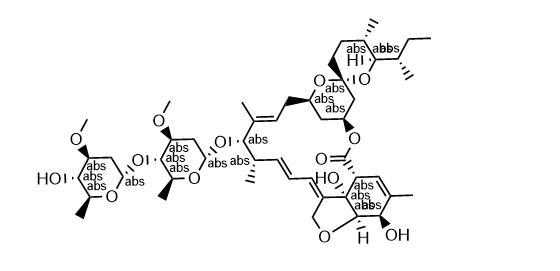
Ivermectin | |
|
CAS No. |
70288-86-7 | |
|
Grade |
Veterinary grade |
|
|
Quantity |
339.3kg |
|
|
Packaging standard |
25kg/drum |
|
| Manufacturer | Shaanxi BLOOM TECH Co., Ltd | |
|
Lot No. |
20250109001 |
|
|
MFG |
Jan 9th 2025 |
|
|
EXP |
Jan 8th 2028 |
|
|
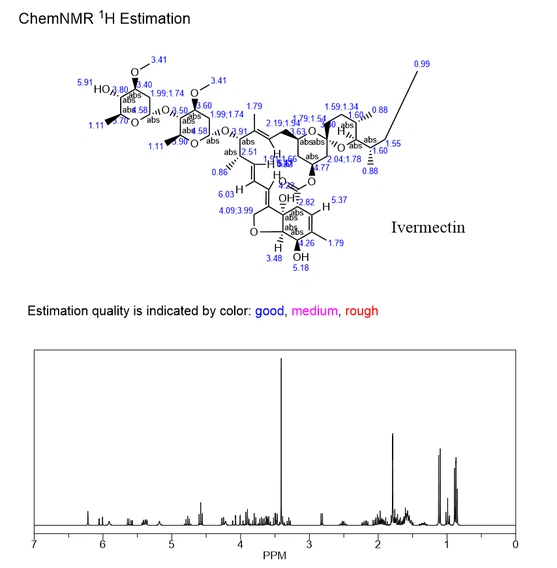
Structure |
|
|
| TEST STANDARD | GB/T24768-2009 Industry. Stnndard | |
|
Item |
Enterprise standard |
Analysis result |
|
Appearance |
White or almost white powder |
Conformed |
|
Water content |
≤5.0% |
0.31% |
| Loss on drying |
≤1.0% |
0.15% |
|
Heavy Metals |
Pb≤0.5ppm |
N.D. |
|
As≤0.5ppm |
N.D. | |
|
Hg≤0.5ppm |
N.D. | |
|
Cd≤0.5ppm |
N.D. | |
|
Purity (HPLC) |
≥99.0% |
99.4% |
|
Single impurity |
<0.8% |
0.48% |
|
Residue on ignition |
<0.20% |
0.064% |
|
Total microbial count |
≤750cfu/g |
80 |
|
E. Coli |
≤2MPN/g |
N.D. |
|
Salmonella |
N.D. | N.D. |
|
Ethanol (by GC) |
≤5000ppm |
400ppm |
|
Storage |
Store in a sealed, dark and dry place at-20 degrees |
|
 |
||
|
|
||

Analysis of the Mechanism and Scenarios of Combination Use of Fenbendazole and Ivermectin
Joint mechanism: molecular level collaborative strike
1. The mechanism of action of fenbendazole
Fenbendazole is a broad-spectrum antiparasitic drug belonging to the benzimidazole class of compounds. Its mechanism of action mainly includes:
Tubulin inhibition:
Fenbendazole binds to microtubules in parasite cells, inhibiting their polymerization and disrupting the parasite's microtubule system. The microtubule system plays a crucial role in cell division, material transport, and maintaining cell morphology. Its disruption leads to hindered cell division and abnormal energy metabolism in parasites, ultimately preventing their normal growth and reproduction.
Glucose metabolism interference:
Fenbendazole can also inhibit parasite uptake of glucose, causing glycogen depletion and energy metabolism obstruction, further accelerating parasite death.
Physiological structure disruption:
For certain parasites, such as tapeworms, fenbendazole can disrupt their physiological structure attached to the intestinal wall, causing them to detach from the intestinal wall and be excreted with feces.
2. The mechanism of action of ivermectin
Ivermectin is a macrolide antibiotic with broad-spectrum antiparasitic activity. Its mechanism of action mainly includes:
Neurotransmitter interference:
Ivermectin increases the release of inhibitory neurotransmitter gamma aminobutyric acid (GABA) in parasites and opens glutamate controlled chloride ion channels, enhancing the permeability of nerve membranes to chloride ions and blocking the transmission of neural signals. This kind of nerve interference can cause parasitic nerve paralysis, muscle cells lose their ability to contract, and ultimately cause the parasite to die due to inability to move.
Energy metabolism inhibition:
Ivermectin can also interfere with the energy metabolism of parasites, by inhibiting their uptake of glucose, depleting their energy reserves, and further accelerating parasite death.
3. Collaborative mechanism for joint use
When fenbendazole and ivermectin are used in combination, they complement each other through different mechanisms of action, forming a multi-target attack on parasites:
Expansion of deworming spectrum:
Fenbendazole has a strong killing effect on nematodes, tapeworms, and flukes, while ivermectin has a good killing effect on nematodes and arthropods (such as mites and ticks). The combination of the two can cover almost all common parasitic species in livestock and poultry, including nematodes, tapeworms, flukes, and arthropods.
Complementary mechanism of action:
Fenbendazole mainly interferes with the microtubule protein and glucose metabolism of parasites, while ivermectin mainly interferes with neurotransmitters and chloride ion channels. The complementarity of this mechanism of action allows parasites to be attacked at multiple physiological stages, greatly improving the effectiveness of deworming and reducing the possibility of parasite resistance.
Clinical Research: Empirical Efficacy and Safety

1. Animal deworming experiment
Crab eating monkey experiment: The experimental monkeys were randomly divided into four groups and received ivermectin monotherapy, fenbendazole monotherapy, combination therapy, and blank control, respectively. The results showed that the combination therapy group was significantly better than the single therapy group in terms of deworming rate and egg negative conversion rate, demonstrating a significant synergistic effect.
Treatment of pig whipworm disease: A combination therapy of ivermectin and fenbendazole was used to treat pig whipworm disease. After 3 days of medication, the pigs gradually resumed normal feeding and excreted a large amount of white worms in their feces, indicating that the combination therapy has a good therapeutic effect on pig whipworm disease.


2. Exploration of Human Applications
Anticancer potential: Preclinical studies have shown that the combination of fenbendazole and ivermectin has cytotoxic effects on cancer cells, inhibiting their proliferation and metastasis. There are case reports that combination therapy has certain therapeutic effects on cancer patients such as advanced gastric cancer and small cell lung cancer, but more clinical research is needed to verify.
Antiviral research: In vitro experiments show that fenbendazole and ivermectin can prevent the spike protein of COVID-19 from entering cells, showing potential antiviral activity.
Indications and usage scenarios
1. Core indications in the field of veterinary medicine
Combination therapy is mainly used to drive away nematode diseases, tapeworm diseases, fluke diseases, and mite diseases in animals such as pigs, cows, sheep, and poultry. The specific indications are as follows:
Cattle: It has a significant killing effect on gastrointestinal nematodes (such as blood lance nematodes and upside down nematodes) and lung nematodes in cattle, and can effectively kill external parasites such as ticks and lice.
Pet: It has a good therapeutic effect on parasitic infections such as roundworms, hookworms, and ear mites in dogs and cats.


Sheep: It can drive away internal parasites such as Moniz tapeworm and liver fluke, as well as external parasites such as scabies mite and itch mite that can kill sheep.
Pig: It can effectively drive away various internal parasites such as pig roundworms, pig hair head nematodes, and esophageal mouth nematodes, while also preventing and treating external parasites such as pig scabies mites and demodex mites.
Poultry: It can kill intestinal nematodes such as roundworms and nematodes, as well as prevent and control external parasites such as chicken skin mites and feather lice.
2. Special scenario applications
Mixed infection treatment: When animals are simultaneously infected with multiple parasites, combination therapy can avoid the toxicity problems caused by multi drug combination therapy and improve treatment effectiveness.
Response to drug-resistant strains: Parasites that develop resistance to a single drug can increase sensitivity through multi-target attacks when used in combination.
Immunodeficient animals: Combination therapy can regulate immune function and reduce the risk of secondary infections.


Comparison of the Mechanism of Action and Synergistic Mechanism between Fenbendazole and Ivermectin
Collaboration and differentiation in joint use
| Mechanism of action: | Fenbendazole | Ivermectin | Synergy point |
| Target | Microtubule system | Glucose metabolism neurotransmitters | Multi target attack on parasites |
| Complementary deworming spectrum | Taenia and flukes are effective for arthropods | while tapeworms/flukes are ineffective | Expanded Coverage |
| Metabolic pathway | Mainly metabolized by the liver | Mainly excreted by the kidneys | Reduce liver and kidney burden overlap |
The mechanism of action of fenbendazole
Microtubule inhibition
Fenbendazole inhibits the aggregation of microtubule proteins in parasite cells, disrupting their microtubule system, leading to hindered cell division, abnormal energy metabolism, and ultimately causing the parasite to die due to inability to grow and reproduce normally.
Immune regulation and antibacterial activity
Regulate host immune response, enhance the ability to fight parasites, and have inhibitory effects on some bacteria.
Insect repellent spectrum: It is broad-spectrum effective against roundworms, hookworms, whipworms, tapeworms, etc., and the metabolite Orfendazole prolongs the action time.
Glucose metabolism interference
Medications can inhibit the parasite's uptake of glucose, leading to glycogen depletion, energy metabolism breakdown, and accelerated parasite death.
Damage to physiological structure
Fenbendazole can disrupt the physiological structure of tapeworms and other parasites that adhere to the intestinal wall, allowing them to be excreted with feces.
The mechanism of action of ivermectin
Neurotransmitter interference
Increase the release of GABA (gamma aminobutyric acid) in the parasite's body, activate chloride ion channels, block nerve signal transmission, leading to parasite nerve paralysis, muscle relaxation, and death.
Energy metabolism inhibition
Interfering with parasite glucose uptake, depleting energy reserves, and accelerating death.
Anti inflammatory and immune regulation
Inhibit inflammatory response, regulate cytokine balance, and enhance host immunity.
Insect repellent spectrum: Highly effective against nematodes (such as roundworms and hookworms) and arthropods (such as mites), but ineffective against tapeworms and flukes.
adverse reaction
Fenbendazole Ivermectin are widely used as broad-spectrum antiparasitic drugs in veterinary and human medicine. Fenbendazole is mainly used to treat gastrointestinal nematode infections in pets such as dogs and cats, while Ivermectin is widely used in animal husbandry and the treatment of some human parasitic diseases such as filariasis and scabies due to its potent effects on various nematodes and arthropod parasites. However, with the expansion of the scope of medication, reports of adverse reactions between the two have gradually increased, especially in high-dose use or special populations (such as sensitive breeds of dogs, immunosuppressed patients), and the severity of adverse reactions has attracted attention.
Dose factor
Overdose use is the main risk factor for adverse reactions. The safety range of Fenbendazole and Ivermectin is relatively narrow, especially for sensitive varieties or special populations (such as those with liver and kidney dysfunction), and excessive dosage may lead to toxicity accumulation. For example, the recommended dose of Ivermectin for Collie dogs is 50 μ g/kg, but when the dose exceeds 200 μ g/kg, the risk of neurotoxicity increases from 5% to 50%.
Administration method
Fasting medication accelerates drug disintegration and increases local irritation; Medication after meals reduces the risk of adverse reactions by buffering food and delaying gastric emptying. For example, taking Fenbendazole 3 hours after meals in dogs resulted in a 40% decrease in vomiting incidence compared to the fasting group.
Injectable medication, especially intravenous injection, may cause more severe allergic reactions as the medication directly enters the bloodstream, bypassing the gastrointestinal tract's "first pass effect". For example, the incidence of allergic reactions to human Ivermectin injections (3%) is significantly higher than that of oral formulations (1%).
Individual differences
Breeds carrying MDR1 gene mutations, such as Collies, are highly sensitive to the neurotoxicity of Fenbendazole and Ivermectin. Due to increased blood-brain barrier permeability, the drugs are prone to accumulate in the central nervous system.
People with liver and kidney dysfunction have slower drug metabolism and excretion, which can easily lead to toxic accumulation. For example, patients with cirrhosis who use Ivermectin have blood drug concentrations 2-3 times higher than healthy individuals, and the risk of neurotoxicity is significantly increased.
Immunosuppressive patients (such as AIDS and organ transplant recipients) have a higher risk of allergic reaction to drugs. Because the immune system is in a state of high sensitivity, it is easy to trigger hypersensitivity.
Hot Tags: fenbendazole ivermectin, suppliers, manufacturers, factory, wholesale, buy, price, bulk, for sale