


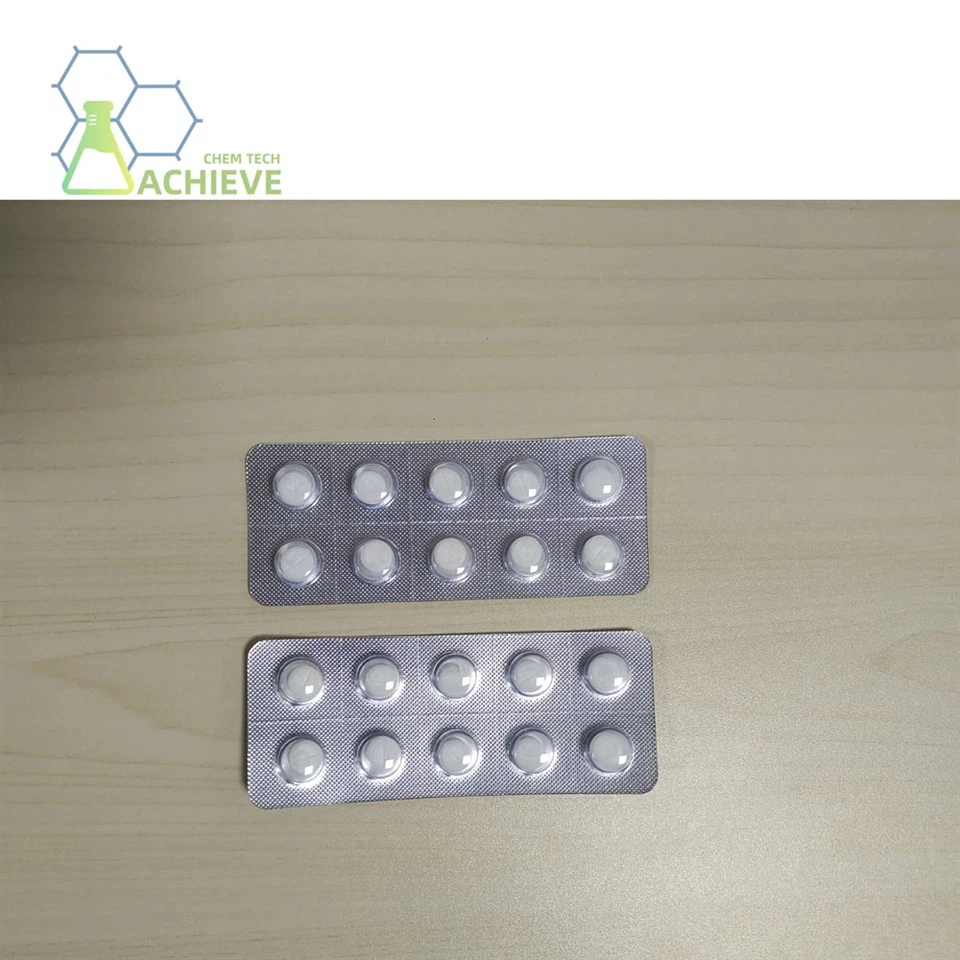



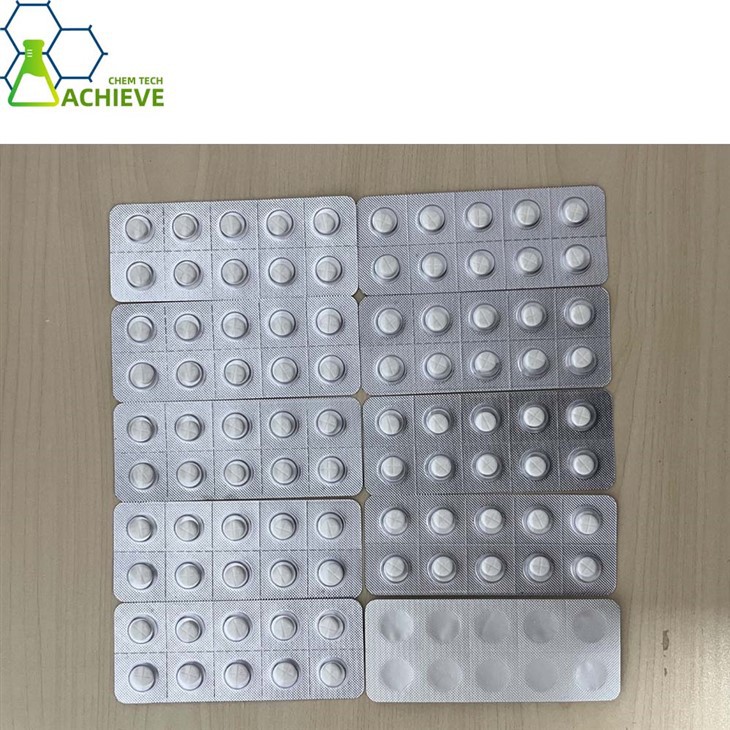
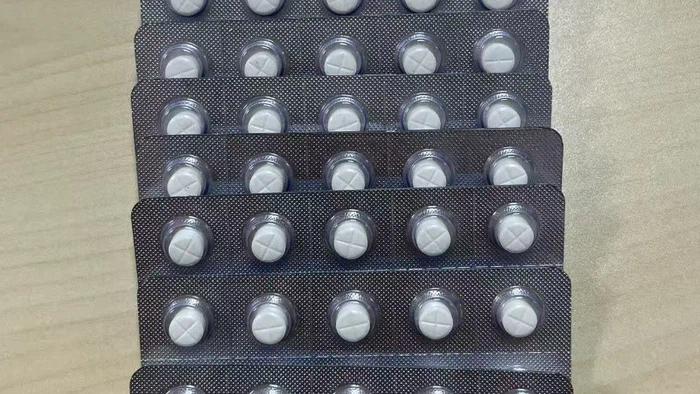
GS-441524 tablets is a drug used to treat feline infectious peritonitis (FIP). It is the active metabolite of the broad-spectrum antiviral drug remdesivir. Remdesivir is a prodrug, which will be converted into the active ingredient GS-441524 after ingestion by infected cells. This substance originally existed in powder form and needs to be diluted before use. In recent years, with the continuous advancement of technology, tablet formulations of GS-441524 have also appeared on the market, and its dosage can be selected according to the weight of the cat.Generally speaking, take half a tablet per kilogram of body weight (12.5mg/kg) twice a day. For cats with eye lesions (uveitis) or neurological symptoms, the dosage may need to be adjusted to 12.5-15mg/kg or 15-20mg/kg twice a day.

Tablets can be administered orally directly, and it is recommended to take them with water on an empty stomach (at least 1 hour before or 2 hours after meals). During the use of GS441524, it is advisable to avoid the combination of alkaline drugs such as aluminum sulfate tablets, aluminum hydroxide tablets, soda tablets, sodium bicarbonate tablets, and gastric relaxants. Within 2 hours of taking this product, do not take antacids, sucralfate or polyphenols/supplements containing iron, zinc, magnesium or aluminum to prevent drug interactions and harm to cats.
At the same time, our company not only provides GS-441524 tablets, but also offers injections and powders. If needed, please feel free to contact us at any time.
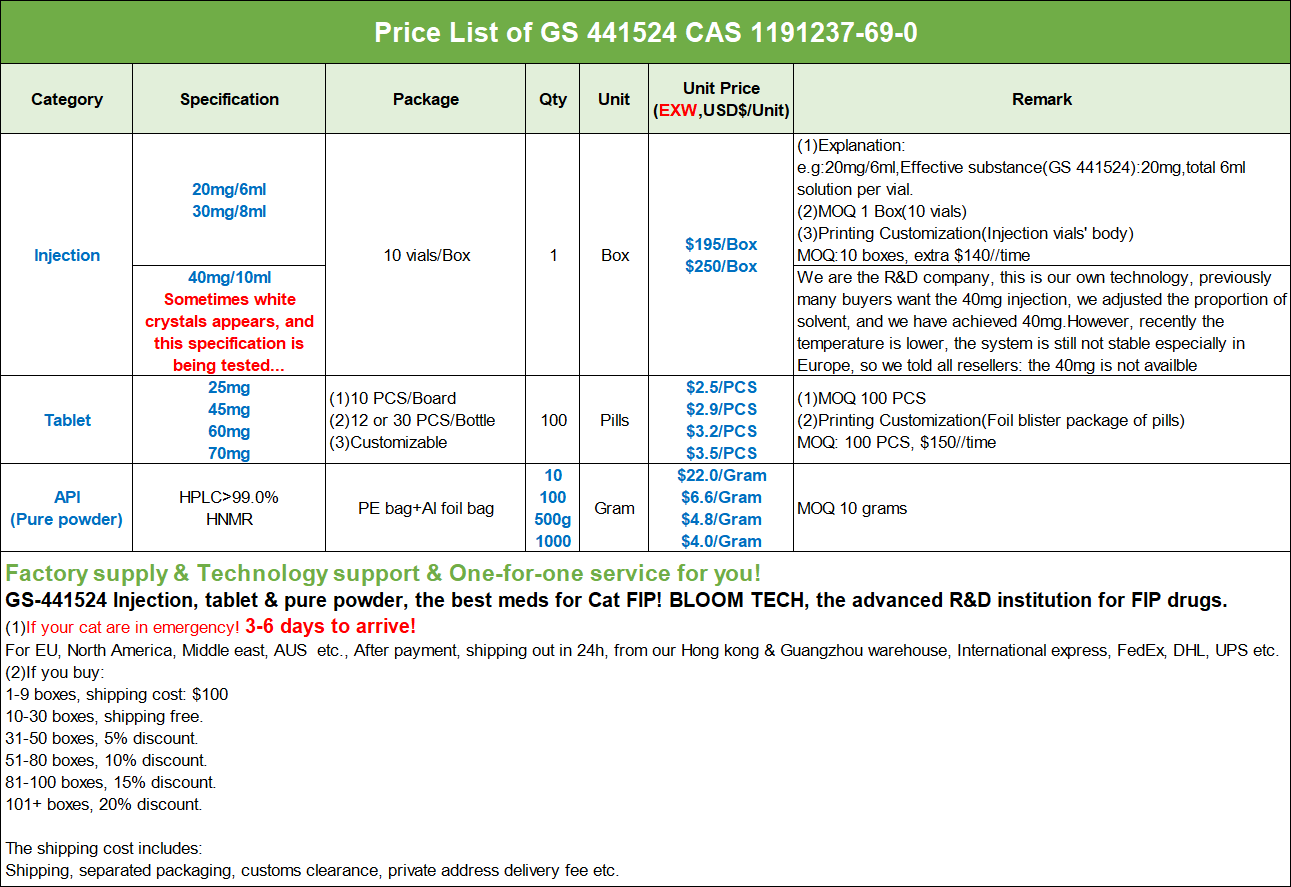
GS-441524, Price off! 50% discount!!!
After the 3nd factory completed and put into use, the sales volume increased 3 times more during the last 3 months.
In order to growing with our stable clients together, we reset the price for the GS-441524 FIP series products, some items decreased over 50%!
Including API(Pure powder), OEM/ODM: Injection(20mg,30mg,40mg), tablet(25mg,45mg,60mg,70mg) etc.
 |
Client Feedback
|
|
|
|


About Shipment
Successfully delivery all over the world:
GS-441524 powder COA


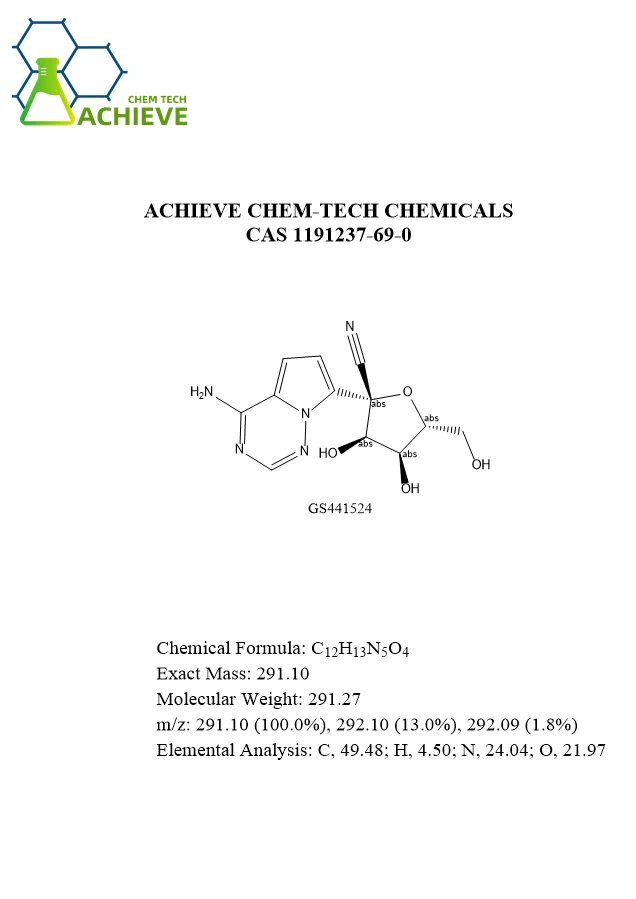
The molecular formula of GS-441524 is C12H13N5O4, with a molecular weight of 291.27. Its structure contains multiple hydroxyl and amino functional groups, resulting in low solubility in aqueous solution (about 0.5 mg/mL) and sensitivity to pH, making it easy to degrade under acidic conditions. In addition, its nitrile group and pyrrolotriazine ring structure may cause liver toxicity, and side effects need to be reduced through formulation methods. Therefore, tablet design needs to address the following issues:
Optimization of dissolution rate
Improve the release efficiency of drugs in the gastrointestinal tract
Stability enhancement
Prevent degradation of active pharmaceutical ingredients during storage and processing
Bioaccumulation Enhancement
Improving drug absorption through dosage form design.
Preparation process
Pre treatment of active pharmaceutical ingredients
Purification and drying
Purification of crude GS-441524 using recrystallization or chromatography to ensure purity ≥ 98%. The drying temperature should be controlled below 40 ℃ to avoid hydrolysis of nitrile groups.

granular control
By using airflow crushing or ball milling techniques, the particle size of the raw material is controlled within D90 ≤ 20 μ m to improve tablet compression performance and dissolution rate.

Selection and proportion of auxiliary materials
| Auxiliary material type | Mechanism of Action | Recommended dosage (quality ratio) |
| Microcrystalline cellulose | Skeleton support and disintegration promotion | 30%-50% |
| Croscarmellose Sodium | Superdisintegrants | 5%-10% |
| Hypromellose | Adhesive and slow-release adjustment | 2%-5% |
| Magnesium stearate | lubricant | 0.5%-2% |
| Coating materials | Moisture-proof and odor masking | 3% -5% |
Wet granulation process

premix
Put GS-441524, microcrystalline cellulose, and cross-linked carboxymethyl cellulose sodium in proportion into an efficient wet granulation machine and mix at low speed for 5 minutes.
Granulation
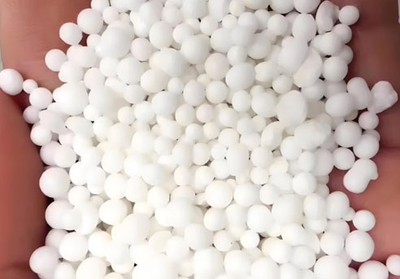
With hydroxypropyl methylcellulose (5% aqueous solution) as the adhesive, spray granulation is carried out by top spraying or tangent spraying, and the atomization pressure is controlled at 0.15-0.3 MPa, and the inlet air temperature is 45-55 ℃.

Drying and whole granules
Dry the particles in a fluidized bed until the moisture content is ≤ 3%, and then sieve them through a 20 mesh sieve to make them whole.
Tablet pressing and coating

compression
Using a rotary tablet press, the main pressing pressure is controlled at 10-15 kN, and the pre pressing pressure is 5-8 kN, ensuring that the difference in tablet weight is ≤± 5% and the brittleness is ≤ 1%.

coating layer
Using a fluidized bed coating machine, prepare OBA (or similar film coating premix) into an aqueous dispersion with a solid content of 10% -15%, resulting in a coating weight gain of 2% -4%.
Technical difficulties and solutions
Stability issues
GS-441524 is prone to degradation under high temperature and high humidity conditions, generating hydroxyl oxidation products.
β - cyclodextrin inclusion technology can be used to prepare solid dispersions by mixing raw materials with cyclodextrin in a 1:1 molar ratio; Add 0.1% -0.5% antioxidant (such as BHT) during the granulation stage.
Tablet hardness and dissolution rate
Increasing hardness may lead to a decrease in dissolution rate.
The tablet pressing process parameters can be optimized by using segmented compression method (preloading 5 kN, main pressure 12 kN); Add low substituted hydroxypropyl cellulose (L-HPC) as a disintegration promoter.
Integrity of coating layer
The coating layer is prone to cracking or peeling.
The coating liquid solid content can be controlled between 12% and 15% to avoid uneven coating caused by excessive viscosity; Add 0.5% -1% polyethylene glycol 6000 as a plasticizer to the coating solution.
Advantages of feline transmitted abdominal diseases
Administration method and compliance
GS-441524 tablets are administered orally, significantly reducing the difficulty of treatment procedures. Compared to traditional injections that require daily injections, tablets can be operated by pet owners at home, avoiding cat stress reactions and difficulties in operation caused by injections. For example, in clinical cases, some cats may experience howling, body stiffness, and even skin ulceration due to injection pain, but the use of tablets effectively avoids these problems. In addition, the tablet form reduces the frequency of cats seeking medical treatment outside, lowers the risk of cross infection, and is particularly suitable for weak or stressed sick cats.
Treatment efficacy and clinical data
Multiple clinical studies have confirmed the therapeutic effect of GS441524 tablets. For example, in Taylor et al.'s study, more than 80% of 307 FIP cats treated with GS441524 or remdesivir were completely effective against the therapeutic drugs, and only 9% of the cats did not respond. In studies targeting neuropathic FIP, the response rate of GS441524 is approximately 75%. These data indicate that tablet form can achieve therapeutic effects comparable to injections while maintaining drug activity.
User Experience and Pet Welfare
The use of tablets significantly improves pet welfare during the treatment process. The injection process often causes severe pain in cats, leading to fear and resistance towards their owners, while tablets avoid this problem and help maintain a good relationship between humans and pets. For example, pet owners have reported that after switching to tablet therapy, cats' attitudes towards their owners have significantly improved, and treatment compliance has significantly increased. In addition, tablets reduce the stress response of cats due to frequent medical visits, which helps to restore their overall health status.
Drug stability and storage conditions
GS441524 tablets have advantages in storage conditions. Injections need to be refrigerated and have poor stability after opening, while tablets can be stored at room temperature for easy carrying and use. This feature is particularly suitable for cats that require long-term treatment, reducing the risk of decreased efficacy due to improper drug storage.
Disadvantages of feline transmitted abdominal diseases

Absorption rate and bioavailability
The issue of absorption rate in tablet form remains a major challenge. When cats experience loss of appetite, indigestion, or severe diarrhea, their intestinal absorption capacity decreases, and the efficacy of tablets may be greatly reduced. For example, in clinical cases, some cats have poor efficacy of tablets due to digestive system problems, and ultimately need to switch to injection therapy. In addition, the bioavailability of tablets is lower than that of injections, and it needs to be compensated by increasing the dosage or adjusting the frequency of administration, which may increase treatment costs and the risk of drug side effects.
Scope of Application and Disease Limitations
Tablets are not suitable for all FIP cases. For cats with severe conditions, multiple organ failure or neurological symptoms, the absorption and metabolism of tablets may not meet the treatment needs. For example, studies have shown that cats with severe neurological symptoms have a lower response rate to GS441524 and a higher risk of recurrence. In addition, for cats that cannot eat independently, tablet administration poses practical difficulties and requires invasive methods such as nasogastric feeding tubes to assist, which increases the complexity and risk of treatment.


Price and Economic Burden
Although tablet prices have decreased compared to injections, long-term treatment still incurs higher economic costs. Taking a certain brand of tablets as an example, the price of a single bottle is about 400 yuan. Calculated based on daily dosage, the total cost of the treatment cycle (usually 12 weeks) can reach several thousand yuan. For families with multiple cats or owners with limited economic conditions, this expense may constitute a heavy burden. In addition, the market price of tablets fluctuates greatly, with significant price differences between products of different brands and specifications, which increases the difficulty of selection.
Drug quality and source risk
The market supervision of GS-441524 tablets is not yet perfect, and there is a risk of counterfeit and inferior products. Some pharmaceutical companies obtain self-made tablets of raw materials through illegal channels, and their purity, dosage, and stability cannot be guaranteed, which may lead to poor therapeutic effects or serious side effects.

Cat transmission has always been a major challenge for cat owners and veterinarians, with its high mortality rate putting the lives of many cats in danger. However, with the continuous deepening of medical research, the emergence of GS441524 has brought new hope for the treatment of feline transmission. GS441524, as the active metabolite of remdesivir, has shown significant efficacy in the treatment of abdominal transmission in cats, but there are also some problems that need attention. Understanding the product features of GS-441524 tablets and their advantages and disadvantages in treating feline transmitted abdominal diseases is of great significance for the rational use of this drug and improving the therapeutic effect of feline transmitted abdominal diseases.
Frequently Asked Questions
What is GS-441524 used for?
+
-
Feline infectious peritonitis (FIP) is a severe viral disease with a very high fatality rate. GS-441524 is an adenosine analogue that acts as an antiviral and has shown promise in FIP treatment.
Can I give my cat dewormer without going to vet?
While over-the-counter dewormers may seem convenient, it's best to consult with a veterinarian. They can recommend safe and effective prescription treatments based on your cat's specific needs, ensuring proper dosage and addressing any underlying health issues.
Can tapeworms live on bedding?
+
-
Tapeworms. These parasites are usually transmitted through the ingestion of infected fleas. If your cat has fleas and sleeps in your bed, there is a possibility that tapeworm segments, which look like small grains of rice, could end up on your bedding. While direct transmission to humans is rare, it is still a concern.
Hot Tags: gs-441524 tablets, suppliers, manufacturers, factory, wholesale, buy, price, bulk, for sale