



Shaanxi BLOOM Tech Co., Ltd. is one of the most experienced manufacturers and suppliers of opiorphin tablet in China. Welcome to wholesale bulk high quality opiorphin tablet for sale here from our factory. Good service and reasonable price are available.
Opiorphin Tablet is an experimental/investigational pain management drug formulation made from natural endogenous pentapeptide Opiorphin as the active ingredient through oral solid preparation technology. Its core concept is not to directly stimulate opioid receptors, but to "protect" the body's own pain relief system by inhibiting enkephalin degrading enzymes, thus theoretically achieving the ideal pain relief paradigm of "strong pain relief but low addiction, intolerance, and constipation".
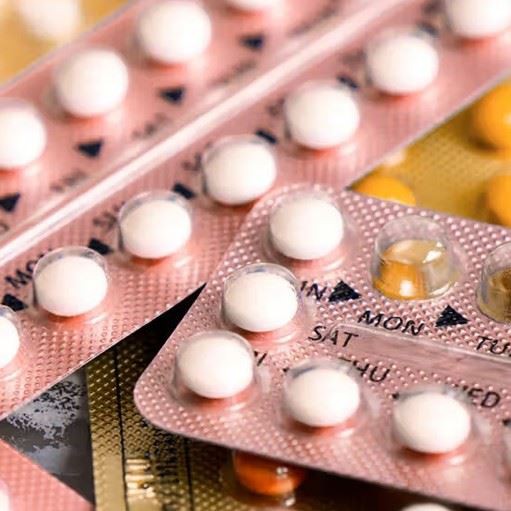
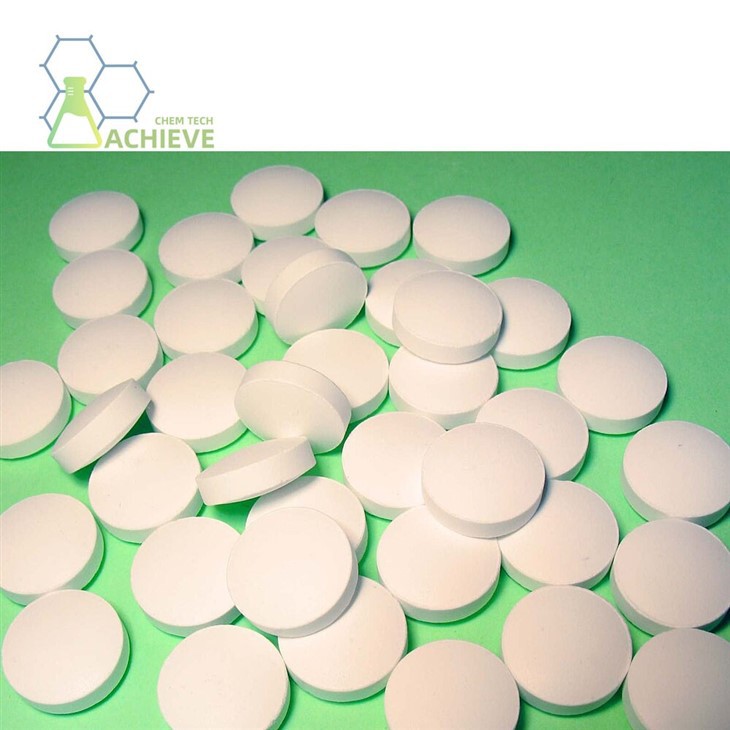
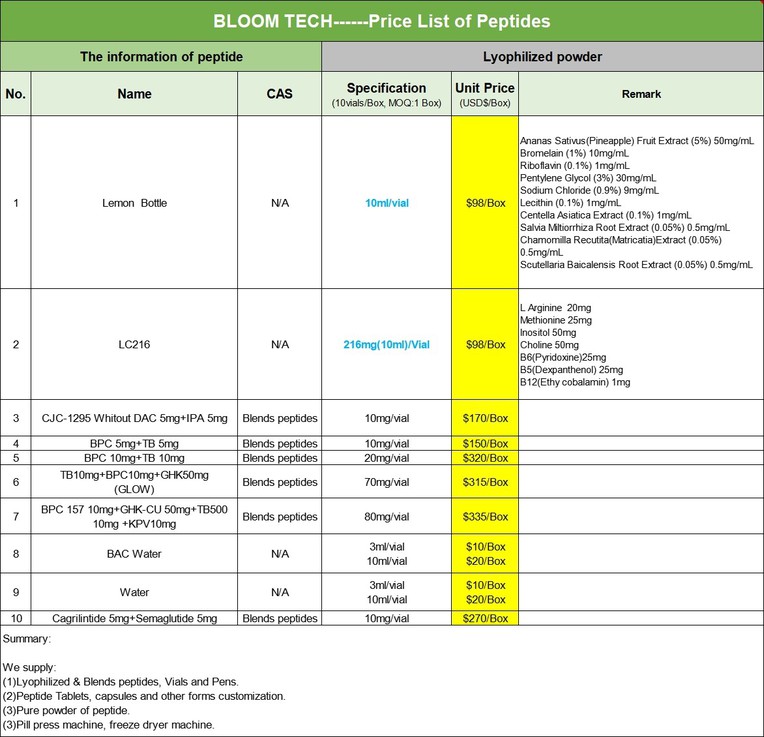
Our products Form


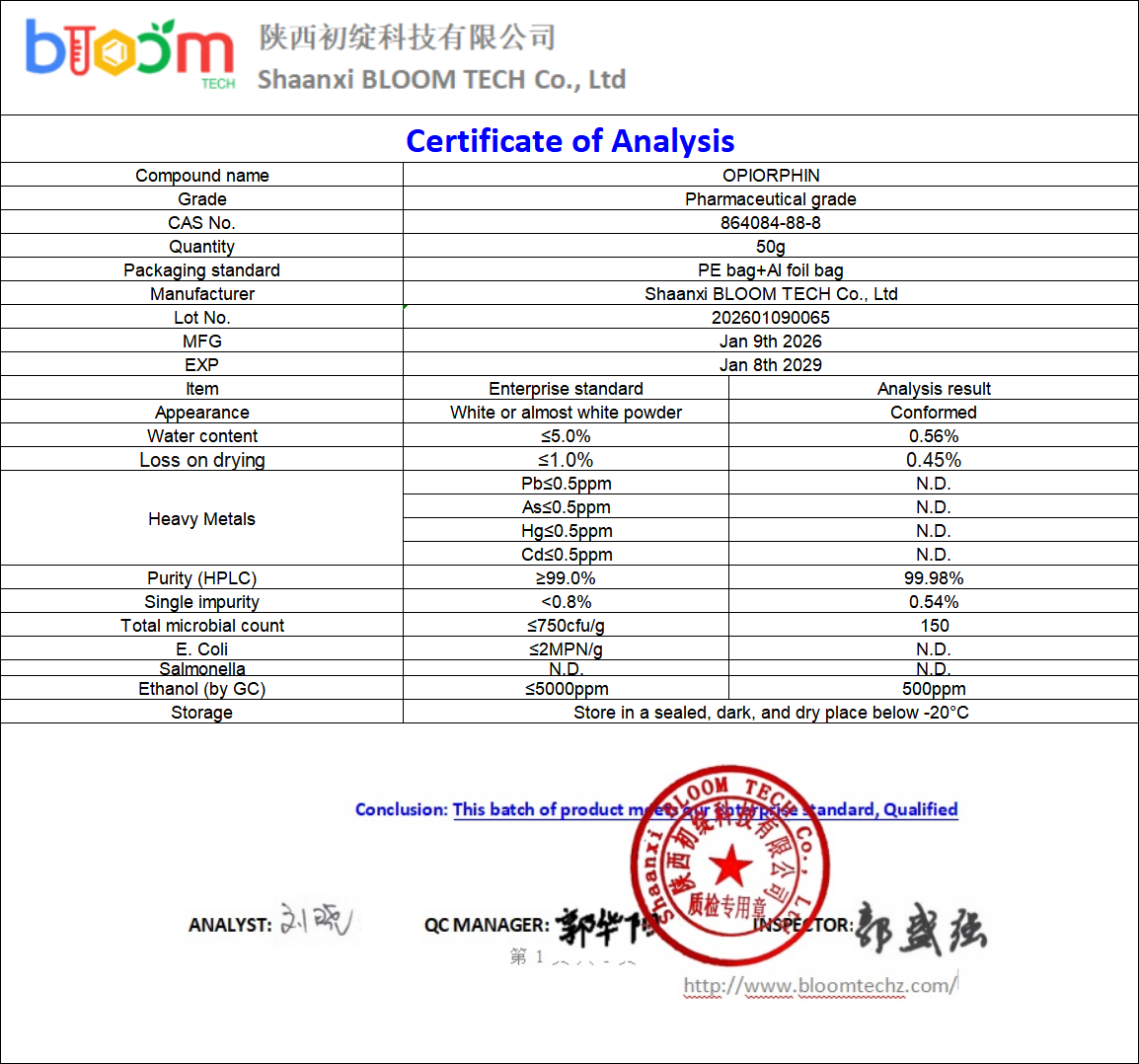
Opiorphin COA
Opiorphin Tablet is a human salivary endogenous pentapeptide (amino acid sequence: Gln Arg Phe Ser Arg, QRFSR) discovered in 2006. Its core function is as a dual inhibitor of neutral endopeptidase (NEP)/aminopeptidase N (APN), indirectly activating the opioid receptor pathway by prolonging the half-life of endogenous enkephalins, and possessing multiple activities such as vascular regulation, analgesia, and emotion regulation. In recent years, research has found that Opiorphin has outstanding benefits in two major fields: vasodilation and cardiovascular protection, and anti-tumor (inhibition of proliferation/angiogenesis/metastasis, immune regulation). piratory depression, providing a new strategy for the comprehensive treatment of tumors with cardiovascular complications.
Molecular basis and core action pathways

Molecular structure, endogenous distribution, and enzyme inhibitory activity
Opiorphin is a linear small molecule peptide composed of 5 amino acids, with alternating polar and hydrophobic residues, endowing it with strong water solubility, high tissue permeability, and strong enzyme inhibition specificity. As an endogenous active peptide, it is mainly encoded by PROL1 and hSMR3A/B genes and expressed in key areas such as salivary glands (submandibular gland/parotid gland, concentration 1-5 μ M), cerebrospinal fluid, blood, vascular endothelium, hypothalamus, pituitary gland, adrenal gland, and tumor microenvironment. It is the core mediator connecting the neuroendocrine cardiovascular tumor network.
NEP inhibition: NEP is a zinc ion dependent peptidase on the cell membrane surface, widely distributed in vascular endothelium, smooth muscle, and tumor cells, responsible for degrading enkephalin, substance P, vasoactive intestinal peptide (VIP), and calcitonin gene-related peptide (CGRP). Opiorphin inhibits NEP at an IC ₅ ₀ of 33 μ M, blocking the degradation of these vasoactive peptides and prolonging their half-life (2-5 minutes to over 30 minutes).
APN inhibition: APN is a member of the aminopeptidase family, distributed in vascular smooth muscle, immune cells, and tumor cells. It preferentially degrades the N-terminal amino acids of enkephalin, angiotensin II, and chemokines. Opiorphin inhibits APN with an IC ₅ ₀ of 65 μ M, further stabilizing endogenous active peptides and amplifying vascular regulation and anti-tumor signals.


Core pathway: Activation of endogenous opioid system and synergy with non opioid pathways
Opiorphin does not directly bind to opioid receptors, but instead activates μ/δ/κ - opioid receptors through NEP/APN dual inhibition → endogenous enkephalin enrichment → activation, while regulating pathways such as NO, cAMP, MAPK, NF - κ B, VEGF, forming a dual regulatory network of "opioid receptor dependent+independent", covering the three core functions of vasodilation, tumor suppression, and immune regulation.
Opioid receptor dependent pathway: Enkephalin continuously activates endothelial/smooth muscle μ/δ - receptors → promotes NO release, reduces intracellular Ca ² ⁺, activates KATP channels → vasodilation; Activate tumor/immune cell kappa receptors → inhibit VEGF, reduce proliferation, and enhance immunity.
Non opioid pathway: directly inhibits NEP/APN → reduces angiotensin II production, blocks chemokine degradation, inhibits inflammatory cytokine release → improves vascular remodeling, inhibits tumor metastasis, and alleviates inflammatory microenvironment.

Reference source:
- Creative Peptides. Opiorphin (QRFSR) - Endogenous Dipeptidase Inhibitors.2026.
- PNAS. Human Opiorphin, a natural antinociceptive modulator of opioid-dependent pathways. 2006.
- PubMed. Opiorphin and neuropathic pain: a promising treatment approach? 2025.
- JUSRES. Beyond Traditional Opioids: The Therapeutic Frontier of Opiorphin in Pain and Mental Health. 2025.
- PMC. Opioid Receptor-Mediated and Non-Opioid Receptor-Mediated Roles of Opioids in Tumour Growth and Metastasis. 2022.
- PubMed. Effects and underlying mechanisms of human opiorphin on cardiovascular activity in anesthetized rats. 2014.
Mechanisms of vascular dilation and cardiovascular protective benefits

Multi target vasodilation mechanism: NO dominance, opioid synergy, peptidase inhibition
The vasodilation effect of opiorphin tablet is tissue-specific (preferentially dilating peripheral/visceral small blood vessels, coronary arteries, and pulmonary arteries), dose-dependent, and long-lasting (2-3 hours), with core mechanisms covering four dimensions: endothelial dependent vasodilation, direct smooth muscle vasodilation, neural regulation, and inhibition of the renin-angiotensin system.
Endothelial dependent relaxation (core): Opiorphin → inhibition of NEP/APN → enrichment of enkephalin → activation of endothelial μ/δ - opioid receptors → activation of eNOS, promotion of NO synthesis and release → diffusion of NO to smooth muscle → activation of guanylate cyclase → increase in cGMP → intracellular Ca ² ⁺ efflux, smooth muscle relaxation → vasodilation; NO simultaneously inhibits platelet aggregation, smooth muscle proliferation, endothelial apoptosis, and protects vascular endothelium.
Smooth muscle direct relaxation: Opiorphin directly inhibits smooth muscle L-type Ca ² ⁺ channels → reduces Ca ² ⁺ influx; Activation of KATP channels → K ⁺ efflux → Cell membrane hyperpolarization → Inhibition of smooth muscle contraction and vasodilation; This effect does not rely on endothelium and is still effective for removing endothelium from blood vessels.


Neuromodulation and relaxation: inhibition of NEP → accumulation of CGRP and VIP → activation of perivascular nerve endings → release of calcitonin gene-related peptide and vasoactive intestinal peptide → vasodilation of blood vessels; Simultaneously inhibiting sympathetic overactivation → reducing norepinephrine release → lowering vascular tone.
Inhibition of renin angiotensin system (RAS): inhibition of APN → increased degradation and decreased production of angiotensin Ⅱ → blocking activation of AT1 receptor → inhibition of vasoconstriction, reduction of aldosterone secretion, improvement of water and sodium retention → reduction of blood pressure and vascular remodeling.
Physiological and pathological benefits of vasodilation: improving microcirculation and protecting target organs
The vasodilatory effect of Opiorphin has key benefits in physiological regulation, ischemic diseases, hypertension, and tumor microcirculation, with triple values of acute vasodilation, long-term vascular protection, and microcirculation optimization.
Peripheral vascular dilation: improves limb microcirculation, alleviates ischemia mechanism: prioritizes dilation of skin, muscles, and small arteries/capillaries in limbs → reduces peripheral resistance, increases limb blood flow, and improves tissue oxygen supply;


Inhibit platelet aggregation, red blood cell adhesion, reduce blood viscosity, and prevent microthrombus formation. Therapeutic effect: Rat hind limb ischemia model, Opiorphin (10 μ g/kg, subcutaneous injection, once daily, 2 weeks) → hind limb blood flow increased by 80%, capillary density increased by 50%, and ischemic tissue necrosis rate decreased by 60%; It can significantly improve diabetes limb ischemia, Raynaud's disease and arteriosclerosis obliterans.
Coronary/pulmonary artery dilation: protects myocardium, improves pulmonary circulation mechanism: dilates small coronary vessels → increases myocardial blood flow, improves myocardial oxygen supply, alleviates myocardial ischemia; Expand pulmonary artery → reduce pulmonary artery pressure, alleviate right heart load, and improve pulmonary circulation; Inhibit myocardial cell apoptosis, alleviate myocardial fibrosis → protect myocardial function. Therapeutic effect: Rat myocardial ischemia-reperfusion model, Opiorphin (5 μ g/kg, intravenous injection) → reduced myocardial infarction area by 40%, myocardial enzymes (CK-MB, LDH) by 50%, and arrhythmia incidence by 70%; It has potential therapeutic value for coronary heart disease, angina pectoris, and pulmonary hypertension.


Dilation of visceral blood vessels: improves microcirculation in the liver, kidneys, and intestines, protects organ mechanisms: dilates small blood vessels in the liver, kidneys, and intestines → increases organ blood flow, improves metabolic waste clearance, and protects organ function; Inhibit renal fibrosis and intestinal mucosal damage → alleviate organ pathological damage. Therapeutic effect: Rat renal ischemia model, Opiorphin → renal blood flow increased by 60%, blood creatinine/urea nitrogen decreased by 40%, and renal tubular necrosis rate decreased by 50%; It has an auxiliary improvement effect on liver and kidney ischemia, cirrhosis, and irritable bowel syndrome.
Tumor microcirculation regulation: "Normalize" blood vessels and enhance chemotherapy perfusion mechanism: Low dose Opiorphin can "normalize" abnormal tumor blood vessels (reduce tortuosity, decrease permeability, improve blood flow) → increase chemotherapy drug perfusion, reduce drug extravasation, and improve chemotherapy efficacy; High doses inhibit tumor angiogenesis, reduce blood supply, and suppress tumor growth. Therapeutic effect: Lewis lung cancer model in mice, low-dose Opiorphin+cisplatin → tumor drug concentration increased threefold, tumor volume reduced by 70% (cisplatin alone 40%), and lung metastasis rate reduced by 60%.


Additional benefits of cardiovascular protection: anti endothelial injury, anti fibrosis, antioxidant
Opiorphin Tablet not only directly dilates blood vessels, but also achieves long-term vascular protection, delays arteriosclerosis, and prevents target organ damage through anti-inflammatory, antioxidant, anti apoptotic, and anti fibrotic effects.
Anti endothelial injury: inhibits the release of TNF - α, IL-6, IL-1 β → reduces endothelial inflammation; Clearing oxygen free radicals (ROS) → reducing endothelial oxidative stress; Inhibit endothelial cell apoptosis → maintain endothelial integrity.
Anti vascular fibrosis: inhibition of TGF - β 1/Smad pathway → reduction of smooth muscle cell proliferation and collagen deposition; Inhibit MMP-2/MMP-9 → reduce extracellular matrix degradation and stabilize vascular wall.
Antioxidant stress: activate antioxidant enzymes such as SOD and GSH Px → eliminate ROS; Inhibit NADPH oxidase → reduce ROS generation → alleviate vascular and myocardial oxidative damage.

Reference source:
- PubMed. Effects and underlying mechanisms of human opiorphin on cardiovascular activity in anesthetized rats. 2014.
- JUSRES. Beyond Traditional Opioids: The Therapeutic Frontier of Opiorphin in Pain and Mental Health. 2025.
- Oncotarget. Opioids: Modulators of angiogenesis in wound healing and cancer. 2016.
- Sci-Hub. Role of Nitric Oxide in Mediating Vasodilator Responses to Opioid Peptides in the Rat. 2002.
Frequently Asked Questions
Why is it difficult to make opiorphins into "long-lasting tablets"? --End protection will 'kill' activity
+
-
Although protecting the N-terminus or C-terminus can prolong its half-life, it can significantly weaken or even completely eliminate its enzyme inhibitory activity. Research has found that N-acetylation or C-amidation of opiorphins, although theoretically able to resist degradation by exoneptidases, can actually lead to a decrease or even complete loss of their inhibitory activity against neutral endopeptidase (NEP) and aminopeptidase N (APN). This creates a classic paradox in medicinal chemistry: the more stable the molecule, the less active it is. The obscure revelation for tablet development: opiorphins cannot extend their half-life through simple terminal modifications like many peptide drugs. The development of oral formulations must seek more sophisticated delivery strategies (such as dimerization and encapsulation techniques) rather than relying on traditional chemical protection.
How much stronger is the activity of dimer opiorphin compared to natural molecules? --Half life extended by 16 times
+
-
After connecting two opiorphin molecules through disulfide bonds to form a dimer, the half-life of their inhibition of enkephalin degrading enzyme skyrocketed from 93 minutes to 451 minutes. Research has shown that the dimer (Cys Gln Arg Phe Ser Arg) ₂ formed by adding cysteine (Cys) residues at the N-terminus can prolong the half-life of Met enkephalin by approximately 16.7 times. In contrast, natural opiorphins only prolong their half-life by about 3.4 times. The obscure revelation for tablet development: dimerization strategy may become a key breakthrough in the development of opiorphin oral formulations - it enhances metabolic stability while retaining the C-terminal carboxyl group (which is a necessary condition for activity).
Hot Tags: opiorphin tablet, suppliers, manufacturers, factory, wholesale, buy, price, bulk, for sale