




Shaanxi BLOOM Tech Co., Ltd. is one of the most experienced manufacturers and suppliers of gabapentin tablets 100mg in China. Welcome to wholesale bulk high quality gabapentin tablets 100mg for sale here from our factory. Good service and reasonable price are available.
Gabapentin Tablets 100mg are tablets containing 100mg of active ingredient gabapentin, mainly used for the treatment of epilepsy and neuropathic pain. Their mechanism of action is related to the regulation of neurotransmitters and ion channels. Generally white to slightly yellow crystalline powder, slightly soluble in water or methanol, slightly soluble in ethanol, and almost insoluble in ether. It is used as an adjuvant therapy for partial seizures with or without secondary systemic seizures in adults and children over 12 years old, and can also be used as an adjuvant therapy for partial seizures in children aged 3 to 12 years old.
It includes diabetes neuropathy, post herpetic neuralgia, spinal cord injury pain, infantile limb pain and neuropathic back pain. It does not bind to various receptors including GABA related receptors and major ion channels, but exerts anticonvulsant effects through mechanisms different from existing epilepsy drugs. It may bind to the α 2 δ subunit of potential dependent calcium channels, inhibit the influx of calcium before synapsis, and suppress the release of excitatory neurotransmitters. In addition, gabapentin can also increase the amount of GABA in the brain.
At the same time, our company not only provides pure powders, but also tablets and injections. If needed, please feel free to contact us at any time.
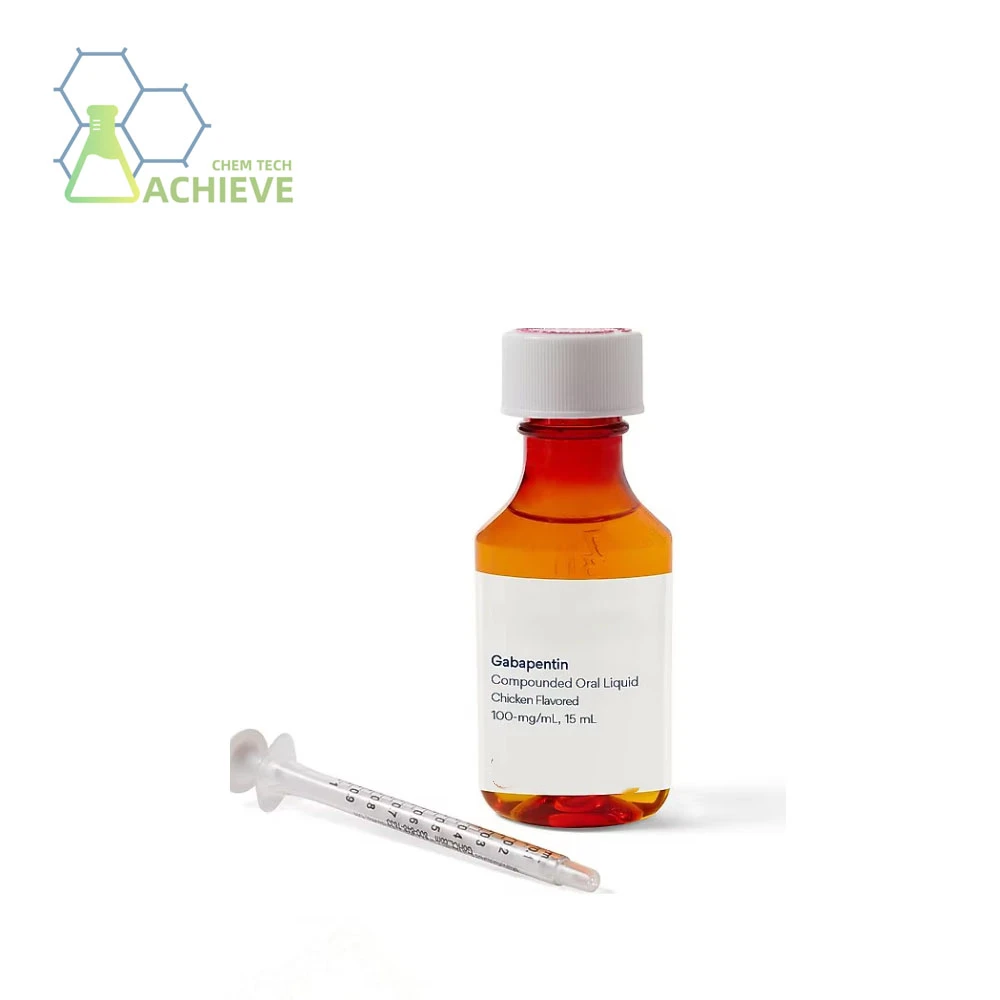
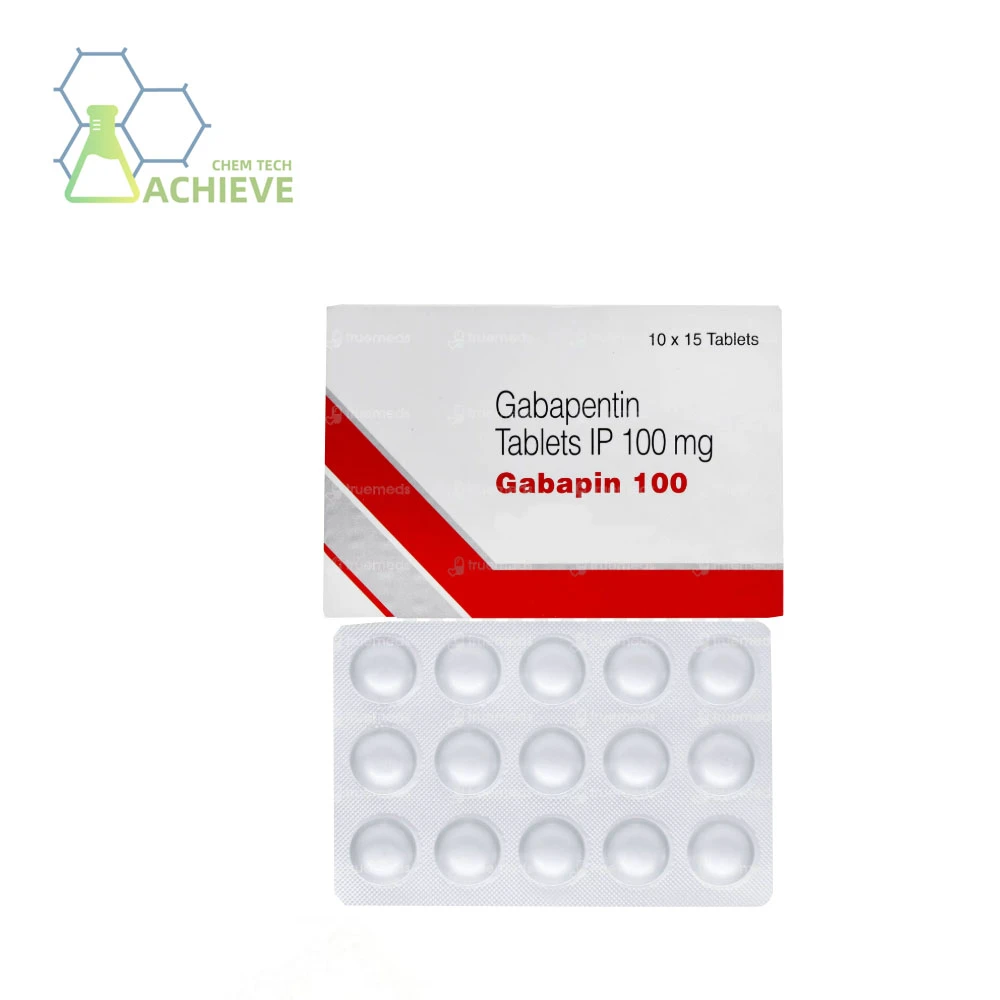
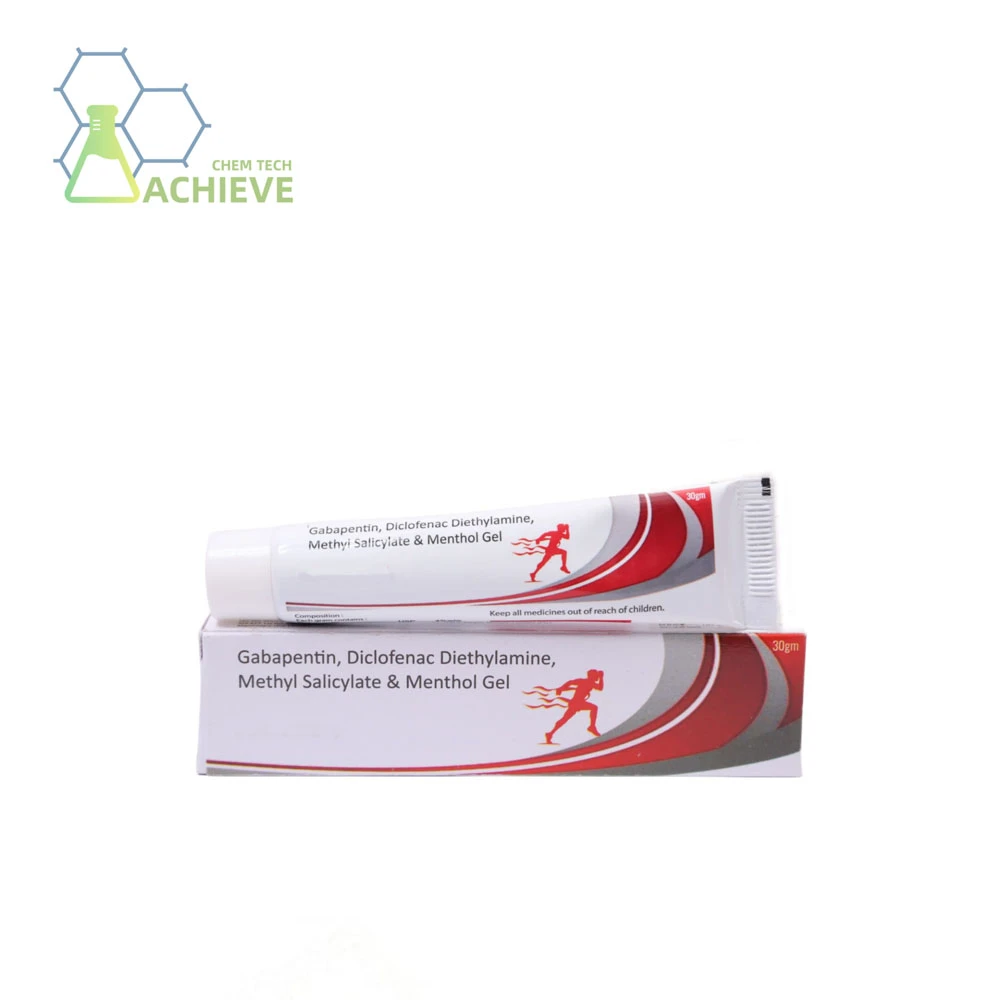
Our product form

Additional information of chemical compound:

|
|
|


Gabapentin COA
 |
|
|
|
|


With the deepening of neuroscience research, since the late 1990s, multiple in vitro and in vivo studies have found that gabapentin tablets 100mg exhibits significant neuroprotective and reparative effects on ischemic brain injury, traumatic brain injury, peripheral nerve injury, and neurodegenerative diseases. Its core characteristics are: easy to pass through the blood-brain barrier, independent of liver metabolism, mild side effects, long-term administration, and the ability to activate neuroprotective pathways at a low dose of 100mg, making it a basic research tool and clinical repair adjuvant for neurological injury diseases.
Excitotoxicity is the earliest and most central pathway of death after nerve injury: nerve injury causes depolarization of cell membranes, release of large amounts of glutamate (excitatory neurotransmitter), overactivation of NMDA receptors, triggering calcium influx overload, activating proteases, lipases, and nucleases, leading to neuronal necrosis and apoptosis.
High affinity binding to α 2 δ subunit: blocks presynaptic membrane N-type and P/Q-type voltage-gated calcium channels, reduces calcium influx by over 90%, and inhibits glutamate release from the source;


Inhibition of NMDA receptor activation: After reducing calcium influx, blocking downstream signals mediated by NMDA receptors reduces the sensitivity of nerve cells to glutamate toxicity;
Reducing glutamate concentration: In vitro experiments have shown that gabapentin can reduce glutamate concentration in ischemic neuron culture medium by 60% -80%, significantly reducing excitotoxic injury;
Protecting the presynaptic membrane: stabilizing the presynaptic membrane structure, reducing abnormal release of glutamate after injury, and blocking excitatory toxicity cascade reactions.
Effect: The necrosis rate of nerve cells is reduced by 50% -70%, the apoptosis rate is reduced by 40% -60%, and the survival time of nerve cells is significantly prolonged.

Antioxidant stress (blocking the cascade of free radical damage)

After nerve injury, calcium influx overload activates xanthine oxidase and nitric oxide synthase (NOS), producing a large amount of reactive oxygen species (ROS) and reactive nitrogen species (RNS), leading to lipid peroxidation, DNA breakage, protein degeneration, and exacerbating nerve cell damage; At the same time, the activity of antioxidant enzymes (SOD, GSH) decreases, leading to an imbalance between oxidation and antioxidation, forming a vicious cycle of oxidative stress.
Upregulation of antioxidant enzyme activity: significantly increases the activity of superoxide dismutase (SOD), glutathione peroxidase (GSH Px), and catalase (CAT) in nerve cells, enhancing free radical scavenging ability;
Reduce ROS generation: After inhibiting calcium influx, reduce the activity of NOS and xanthine oxidase, and decrease the production of nitric oxide (NO), superoxide anion (O ₂⁻), and hydroxyl radicals (· OH);
Reduce lipid peroxidation: decrease the content of malondialdehyde (MDA) * * (a marker of lipid peroxidation), protect the integrity of cell membranes, and reduce the decrease in membrane fluidity and increase in permeability;


Activate the Nrf2 pathway: Upregulate the expression of nuclear factor E2 related factor 2 (Nrf2), promote the transcription of antioxidant genes (HO-1, NQO1), and enhance endogenous antioxidant capacity.
Effect: ROS levels decrease by 50% -80%, MDA content decreases by 40% -70%, antioxidant enzyme activity increases by 30% -60%, blocking the vicious cycle of oxidative stress.
After nerve injury, microglia and astrocytes are activated, releasing inflammatory factors such as tumor necrosis factor - α (TNF - α), interleukin-1 β (IL-1 β), IL-6, and monocyte chemoattractant protein-1 (MCP-1), which trigger neuroinflammatory reactions. Inflammatory factors directly damage nerve cells, disrupt the blood-brain barrier, promote glial scar formation, inhibit nerve regeneration, and are the key drivers of secondary injury.
Inhibition of microglial activation: After reducing calcium influx, excessive activation of microglia is inhibited, reducing their proliferation, migration, and ability to release inflammatory factors;


Downregulate the expression of inflammatory factors: significantly reduce the mRNA and protein levels of TNF - α, IL-1 β, IL-6, MCP-1 in nerve tissue, and alleviate the toxicity of inflammatory factors to nerve cells;
Inhibition of NF - κ B pathway: * * Blocking the activation of nuclear factor kappa B (NF - κ B) * * (inflammatory core transcription factor), reducing the transcription of inflammatory genes, and inhibiting inflammatory responses from the source;
Protecting the blood-brain barrier: reducing the increase in blood-brain barrier permeability mediated by inflammatory factors, alleviating vascular brain edema, and preventing peripheral inflammatory cells from infiltrating nerve tissue;
Inhibiting excessive proliferation of astrocytes: reducing glial scar formation and clearing physical barriers for axonal regeneration.
Effect: Inflammatory cytokine levels are reduced by 40% -70%, microglial infiltration is reduced by 50% -80%, brain edema is reduced by 30% -50%, and excessive formation of glial scars is inhibited.

Anti apoptosis (blocking programmed cell death of nerve cells)

After nerve injury, excitotoxicity, oxidative stress, and neuroinflammation jointly activate endogenous (mitochondrial) and exogenous (death receptor) apoptosis pathways, leading to programmed cell death (apoptosis) of nerve cells, which can last for several days and is the main cause of chronic loss of nerve cells.
Inhibition of mitochondrial apoptosis pathway:
Upregulate the expression of anti apoptotic proteins Bcl-2 and Bcl xL;
Downregulate the expression of pro apoptotic proteins Bax, Bad, caspase-3, and caspase-9;
Stabilize mitochondrial membrane potential, reduce cytochrome C release, and block the formation of apoptotic bodies;
Inhibiting the apoptotic pathway of death receptors: reducing the expression of Fas and FasL, blocking caspase-8 activation, and inhibiting the initiation of exogenous apoptosis;
Activate the PI3K/Akt survival pathway: Upregulate Akt phosphorylation levels, promote neuronal survival, and inhibit apoptotic signaling.
Effect: The apoptosis rate of nerve cells is reduced by 50% -80%, caspase-3 activity is reduced by 40% -70%, and the Bcl-2/Bax ratio is increased by 2-3 times.

Promote nerve regeneration and repair

Gabapentin Tablets 100mg not only protects damaged nerve cells from survival, but also initiates endogenous neural regeneration programs, promoting axonal regeneration, myelin sheath repair, neural stem cell differentiation, synaptic reconstruction, and achieving structural and functional repair.
Promote axonal regeneration
Inhibition of α 2 δ -2 subunit: α 2 δ -2 is an axonal growth inhibitory molecule. After blocking α 2 δ -2 with gabapentin, axonal regeneration inhibition is relieved and axonal extension is promoted;
Upregulation of growth related proteins: * * Increase the expression of growth related protein-43 (GAP-43) and neurofilament protein (NF) * *, promote axonal cytoskeleton synthesis and extension;
Reduce glial scars: inhibit excessive proliferation of astrocytes, reduce glial scar density, and provide a pathway for axonal regeneration.


Promote myelin repair
Activate Schwann cells: promote the proliferation, migration, and myelin synthesis of Schwann cells in peripheral nerves, repair damaged myelin sheaths, and restore nerve conduction function;
Protecting oligodendrocytes: reducing apoptosis of central nervous system oligodendrocytes, promoting the synthesis of myelin basic protein (MBP), and repairing central myelin sheath damage.
Promote differentiation of neural stem cells
Upregulation of neurotrophic factors: * * promotes the secretion of brain-derived neurotrophic factor (BDNF), nerve growth factor (NGF), and glial cell-derived neurotrophic factor (GDNF) * *;
Inducing neural stem cell differentiation: BDNF/NGF activates TrkB/TrkA receptors, inducing neural stem cells to differentiate into neurons, replenishing damaged nerve cells, and promoting neural circuit reconstruction.


Promoting Synaptic Reconstruction
Increase synaptic protein expression: * * Enhance the expression of synapsin and postsynaptic dense protein-95 (PSD-95) * *, promote the connection between the presynaptic and postsynaptic membranes;
Enhance synaptic plasticity: promote dendritic spine growth, increase the number of synapses, rebuild neural signal transduction pathways, and restore neural function.
Effect: The regeneration length of axons is increased by 2-3 times, the myelin repair rate is increased by 40% -60%, the proportion of neural stem cells differentiating into neurons is increased by 30% -50%, and the number of synapses is increased by 50% -80%.
Neuroplasticity refers to the adaptive changes in the structure and function of nerve cells, including synaptic plasticity, neuronal plasticity, and network plasticity, and is the core mechanism for functional recovery after nerve injury.
Promote synaptic plasticity: increase dendritic spine density, length, and number of branches, enhance synaptic transmission efficiency, and reconstruct neural circuits;
Regulating neuronal excitability: stabilizing neuronal membrane potential, reducing abnormal discharges, and restoring normal excitatory inhibitory balance;


Promote neural network remodeling: Activate cortical spinal and cortical cortical neural pathways, promote compensatory remodeling of neural networks after injury, and restore motor, sensory, and cognitive functions.
Effect: The expression of genes related to neural plasticity (Arc, c-Fos) increases by 2-4 times, dendritic spine density increases by 50% -70%, and the speed of neural function recovery increases by 30% -50%.
Solubility and acid-base properties
The main component of Gabapentin Tablets 100mg is gabapentin. The solubility and acid-base properties of this substance are the key factors determining the absorption, distribution and efficacy of the drug. The following analysis is conducted from three aspects: solubility, acid-base properties and their relationship with the drug efficacy.


I. Solubility: Polar Dominant Multi-solvent Dissolution Behavior
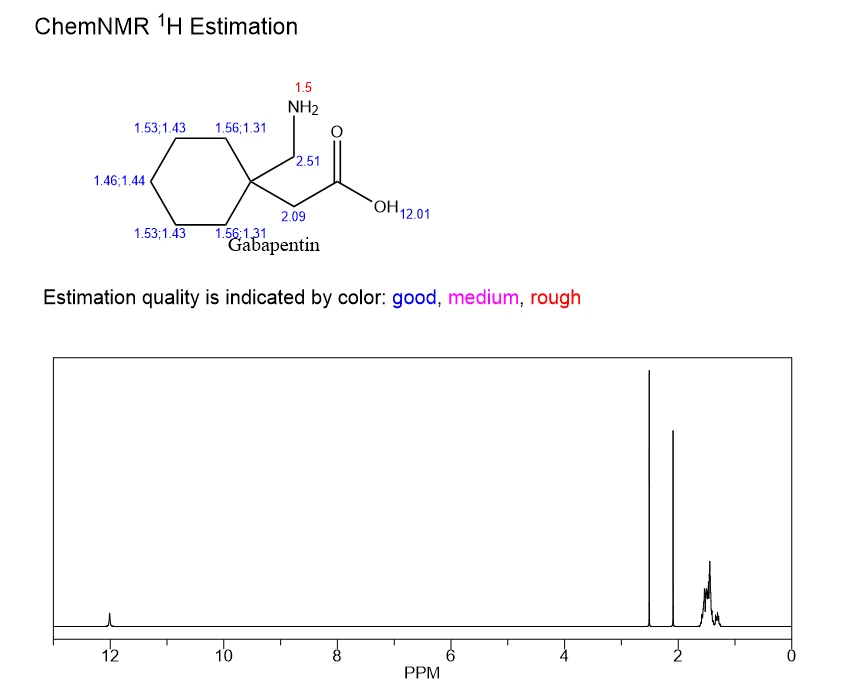
The molecular structure of gabapentin consists of a cyclohexane ring, an amino-methyl side chain, and a carboxyl group. The amino and carboxyl groups confer polarity to the molecule, while the cyclohexane ring provides a hydrophobic backbone. This structure results in outstanding solubility in water: at a physiological pH of 7.4, the solubility exceeds 10% (mass fraction), meaning that more than 10 grams of the drug can be dissolved in 100 milliliters of water; in extreme pH environments (pH 3.7 and pH 10.7), the solubility further increases, far exceeding 20%.
This characteristic stems from the protonation of the carboxyl group in acidic conditions (-COOH → -COO⁻) and the deprotonation of the amino group in alkaline conditions (-NH₂ → -NH₃⁺), which enhance the hydrogen bonding between the molecule and water molecules, thereby facilitating dissolution.
Apart from water, gabapentin also performs well in polar solvents: it can be completely dissolved in 0.1N hydrochloric acid (HCl) and 0.1N sodium hydroxide (NaOH) solutions, indicating that the amino and carboxyl groups in its molecule can react with acids and bases to form salts and dissolve. In organic solvents, the solubility decreases as the polarity decreases:
it is slightly soluble in chloroform, slightly soluble in dimethylacetamide and methanol, extremely slightly soluble in acetone, ethanol and 2-propanol, almost insoluble in ether, and completely insoluble in toluene. This difference is closely related to the polarity of the molecule - the interaction forces between the polar groups (amino, carboxyl) and polar solvents (water, acids, bases) are strong, while non-polar solvents (ether, toluene) cannot effectively solvate the molecule.
II. Acid-base properties: pH-dependent behavior of amphiphilic molecules
The gabapentin molecule contains both amino groups (basic groups) and carboxyl groups (acidic groups), making it an amphiphilic molecule. The experimental values of its acid dissociation constants (pKa) are 3.7 (for the carboxyl group) and 9.91 (for the amino group), while the predicted values are 4.63 (for the carboxyl group) and 9.91 (for the amino group). This indicates that at physiological pH (7.4), the carboxyl group exists in the form of a carboxylate ion (-COO⁻), and the amino group exists in the protonated form (-NH₃⁺), resulting in the overall molecule carrying a negative charge. This charge distribution affects its interactions with biological macromolecules, such as the binding to the α₂δ subunit of the calcium channel may depend on a specific charge state.
In extreme pH environments, the charge state of gabapentin undergoes significant changes: under acidic conditions (pH < 3.7), the carboxyl group is protonated, and the molecule exists in a neutral form (-COOH); under alkaline conditions (pH > 9.91), the amino group deprotonates, and the molecule exists in an negatively charged form (-COO⁻). This pH-dependent behavior may affect the drug's absorption in the gastrointestinal tract - in the acidic environment of the stomach (pH 1-3), the drug exists in a neutral form and is more likely to pass through the cell membrane; in the alkaline environment of the small intestine (pH 6-7.4), the drug exists in an negatively charged form, and may promote absorption through ionic interactions.
III. Effects of Solubility and Acid-Base Properties on Drug Efficacy
The high solubility of gabapentin ensures its rapid release and absorption in the gastrointestinal tract. Experiments have shown that the 100mg tablets dissolve at a rate of no less than 80% of the labeled amount within 45 minutes. This characteristic enables the drug to reach an effective blood concentration quickly after oral administration. Its amphiphilic molecular properties may affect the binding of the drug to target proteins: by regulating pH, the molecular charge state can be changed, thereby optimizing its affinity for the calcium channel α₂δ subunit. Moreover, the high solubility reduces the retention time of the drug in the gastrointestinal tract, lowers the risk of local irritation, and improves the safety of medication.
Frequently Asked Questions
Is 100mg of gabapentin for sleep?
+
-
Gabapentin may help with sleep, as drowsiness is a recognized potential side effect. However, its approved uses are for treating nerve pain and seizures, not insomnia.
What is the main reason for taking gabapentin?
+
-
Gabapentin is an anticonvulsant and nerve pain medication. It is mainly used to prevent and control partial seizures (epilepsy) and to treat nerve pain (postherpetic neuralgia) that follows a shingles infection. It may also be used to treat restless legs syndrome.
How many hours does 100mg of gabapentin last?
+
-
The therapeutic effects of a 100mg dose of gabapentin typically last for 6 to 8 hours. The medication usually takes 1 to 2 hours to start working and reaches its peak concentration in the bloodstream within 2 to 3 hours.
Hot Tags: gabapentin tablets 100mg, suppliers, manufacturers, factory, wholesale, buy, price, bulk, for sale